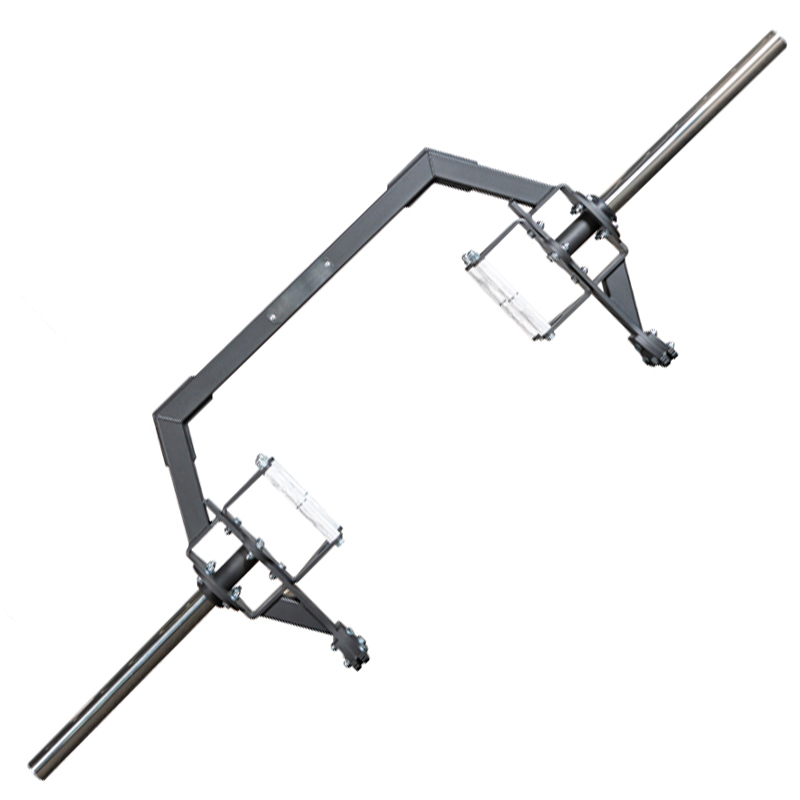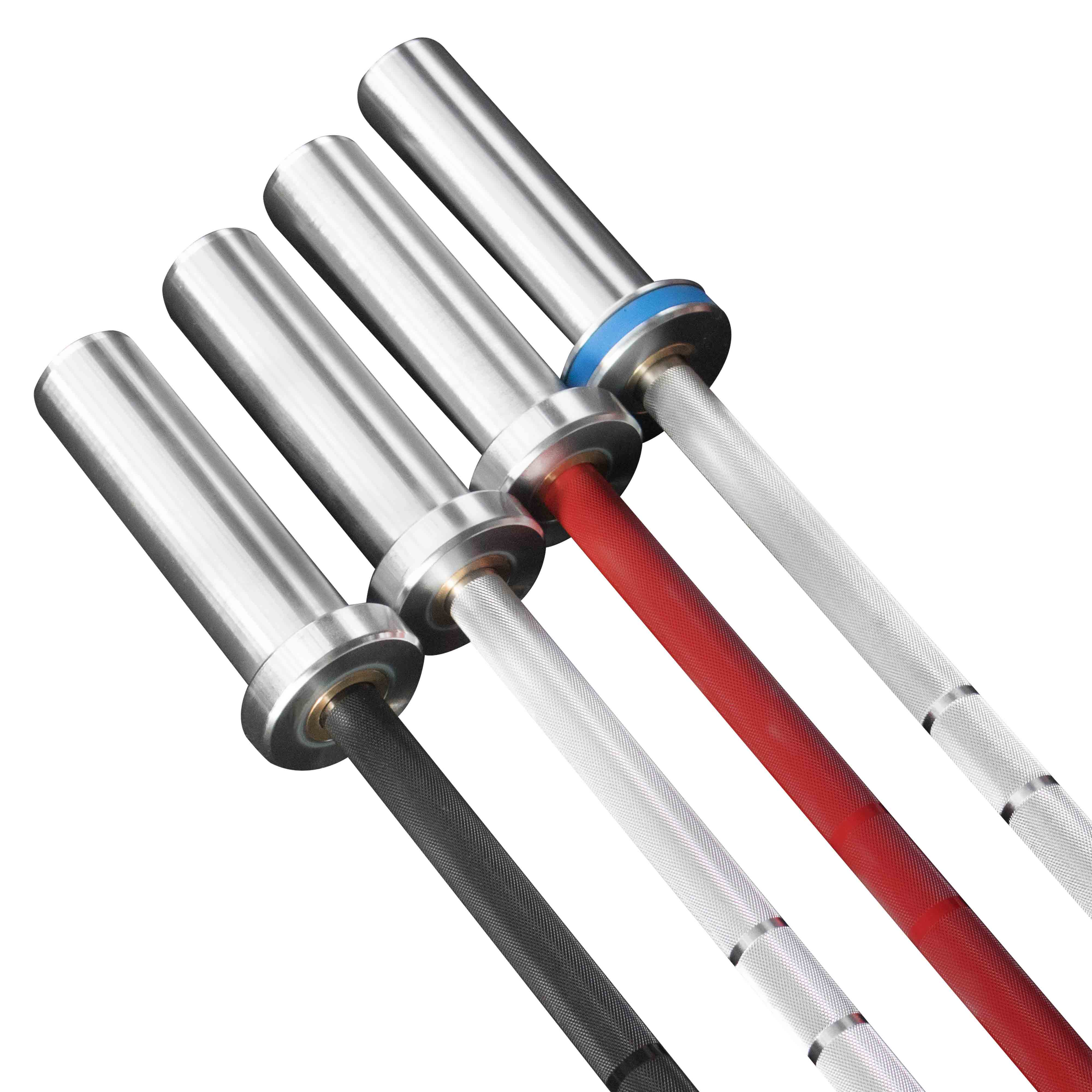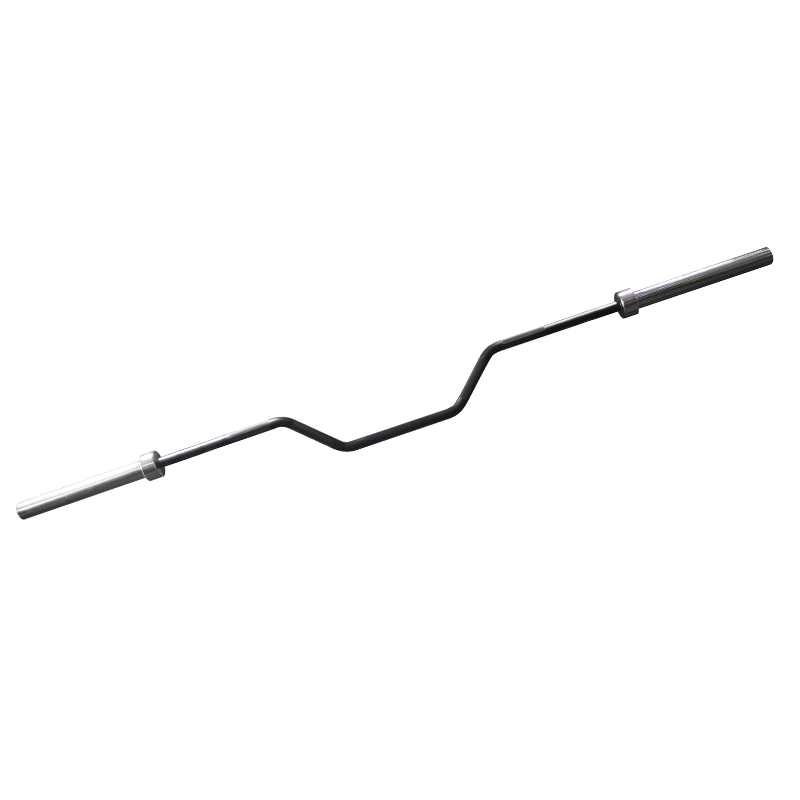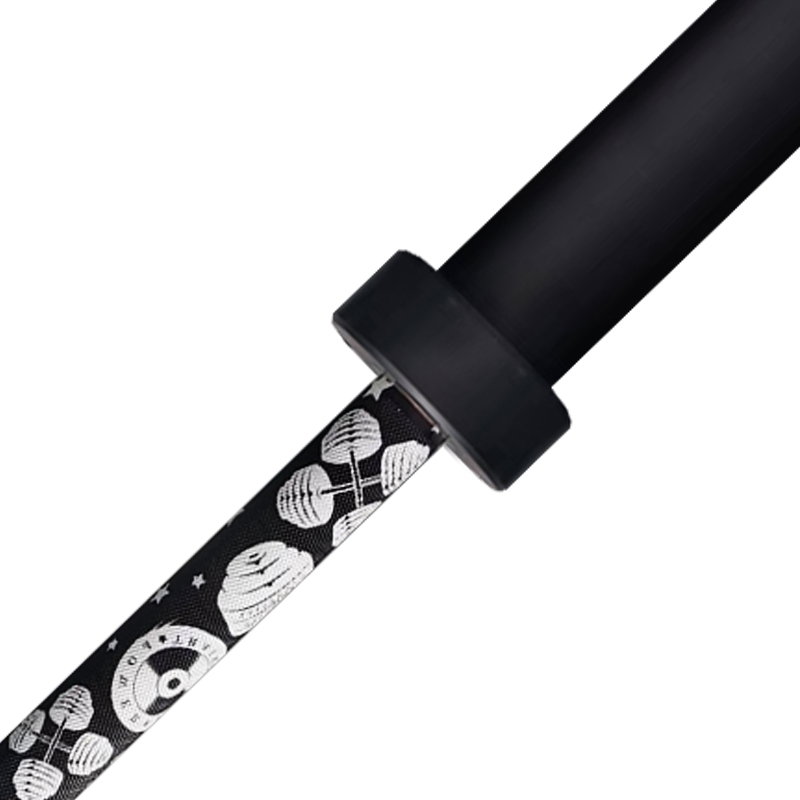
When evaluating hexagonal barbells for a commercial facility, the hex bar weight kg specification often serves as the initial anchor point for procurement decisions, yet it represents only a fraction of the overall value equation. A standard hex bar typically ranges from 20kg to 30kg in base weight, but these figures can vary significantly depending on steel gauge, sleeve length, and design complexity. For facility managers conducting bulk purchasing, understanding how this baseline weight interacts with loading capacity, grip ergonomics, and frame geometry is essential for selecting equipment that accommodates a diverse membership base with minimal logistical friction.
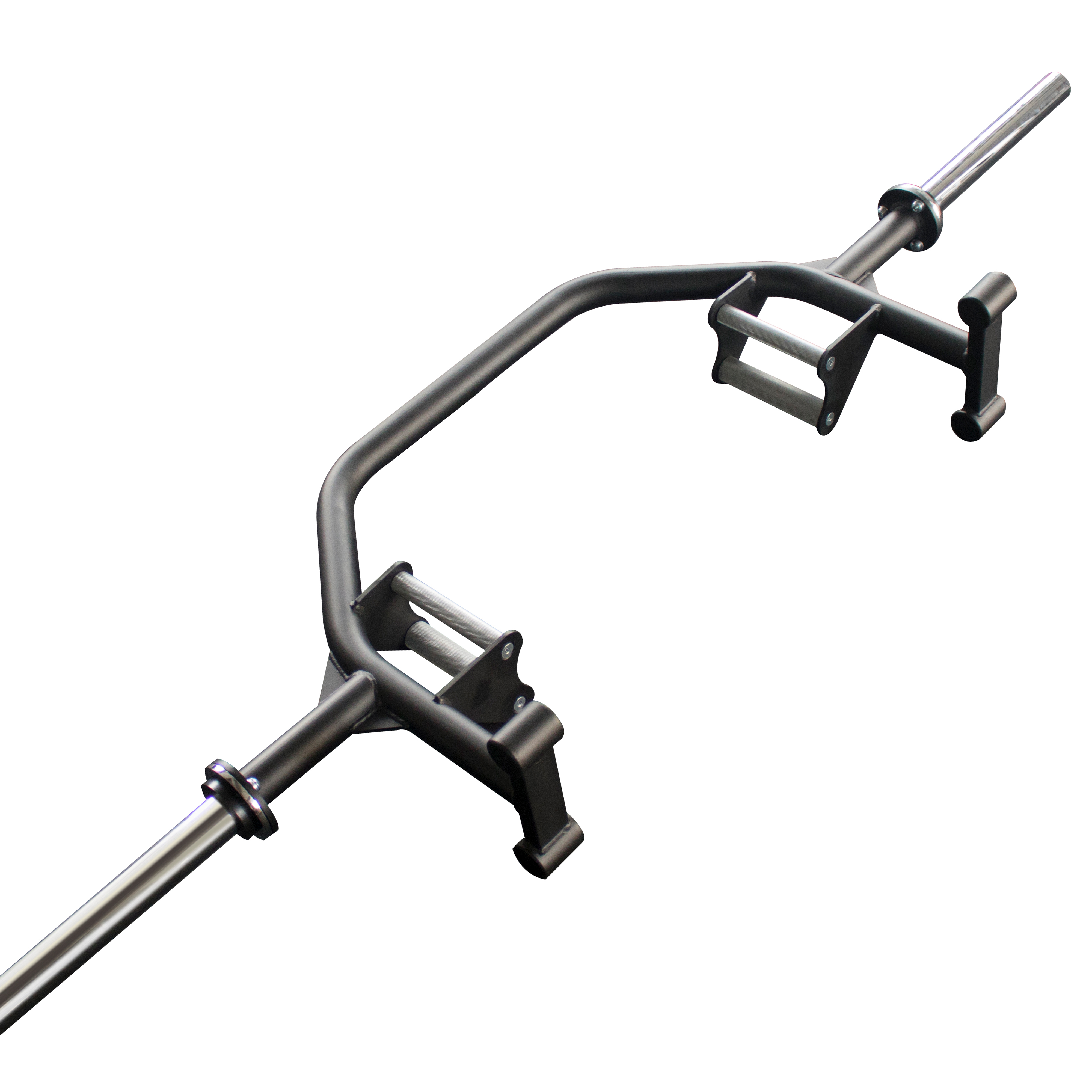
The mechanical distinction between a traditional barbell and a hexagonal trap bar lies in the loading geometry. By centering the lifter within the load, a hex bar reduces shear forces on the lumbar spine and encourages a more neutral torso position during deadlifts. This biomechanical advantage has elevated the hex bar from a specialty accessory to a core strength station in both general conditioning and rehabilitative settings. For operators, the hex bar weight kg figure directly influences how members perceive the bar's "heaviness" during unloaded warm-ups—a lighter bar encourages broader participation, while a heavier bar signals durability and may suit powerlifting-focused clientele.
From a manufacturing standpoint, variations in hex bar weight kg stem from design tradeoffs between portability and stability. Thicker steel tubing adds mass and dampens vibration under heavy loads, but also increases shipping costs and demands more floor space. Conversely, lighter structural frames reduce freight expenses and ease handling for smaller staff, yet may compromise long-term durability under daily commercial use. Procurement specialists should pair the weight specification with the bar's load capacity—a 20kg bar rated for 400kg offers different value than a 25kg bar rated for 600kg. The ideal choice depends on the anticipated user demographics, average loading levels, and the facility's overall equipment rotation strategy.

Let our experts design the perfect gym solution for your business. Get a free consultation and quote today.