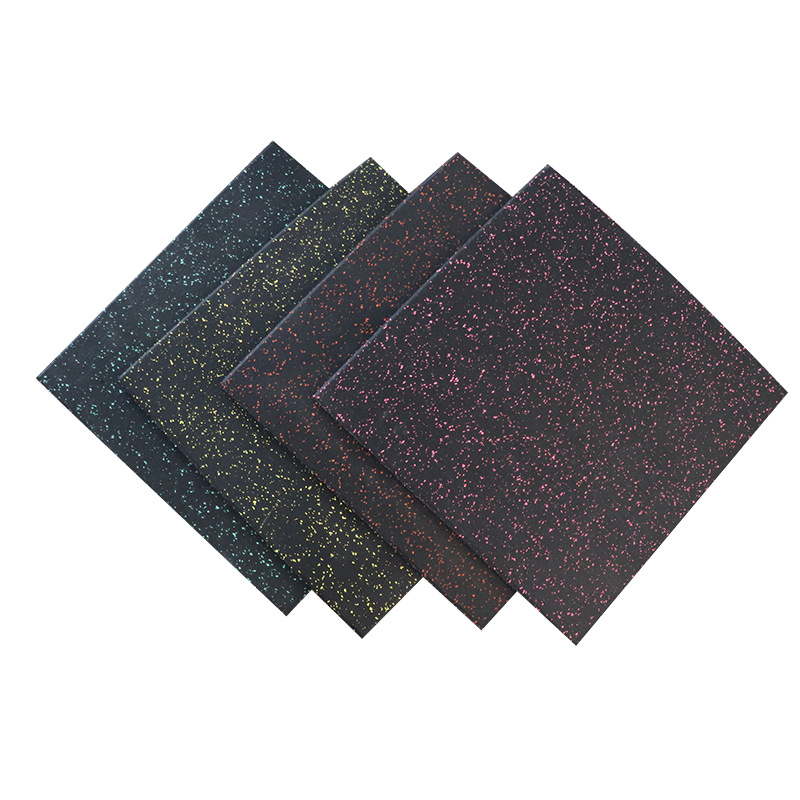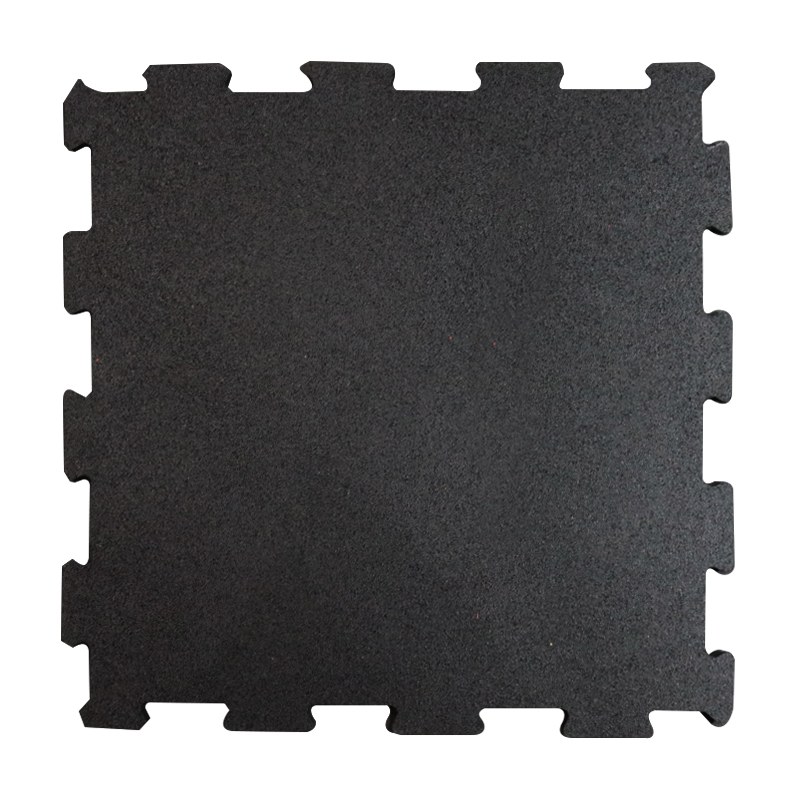
Selecting appropriate gym flooring mats for commercial spaces requires a technical understanding of material density, impact attenuation, and long-term wear resistance. Unlike residential options, commercial-grade flooring must withstand high-frequency heavy loading, significant foot traffic, and rigorous sanitation protocols without structural degradation.
Material Composition and Engineering
The industry standard for high-traffic fitness environments is high-density vulcanized rubber or EPDM-infused rubber. These materials provide superior shock absorption, protecting both the subfloor and the structural integrity of the building during heavy lifts. For specialized zones, such as heavy lifting platforms or deadlift areas, engineers often specify higher thickness profiles (typically 20mm to 50mm) to manage kinetic energy and reduce vibration transmission.
Critical Selection Criteria for Procurement Managers
When sourcing flooring for a commercial facility, several technical specifications must be evaluated to ensure long-term ROI:
Application-Specific Flooring Solutions
Different zones within a commercial gym require distinct flooring properties. Strength and Conditioning Zones demand heavy-duty, high-density rubber tiles to mitigate impact from dropped weights. Cardio and Functional Training Areas may benefit from lighter, more ergonomic surfaces that prioritize comfort and ease of movement. Yoga and Mobility Studios require specialized textures that provide grip without being overly abrasive to skin or equipment.
Maintenance and Longevity
Commercial flooring is a significant capital expenditure. To preserve the aesthetic and structural integrity of the installation, facility managers should utilize pH-neutral cleaning agents and avoid highly acidic or abrasive chemicals that can degrade the rubber polymer or diminish the surface finish.

Let our experts design the perfect gym solution for your business. Get a free consultation and quote today.