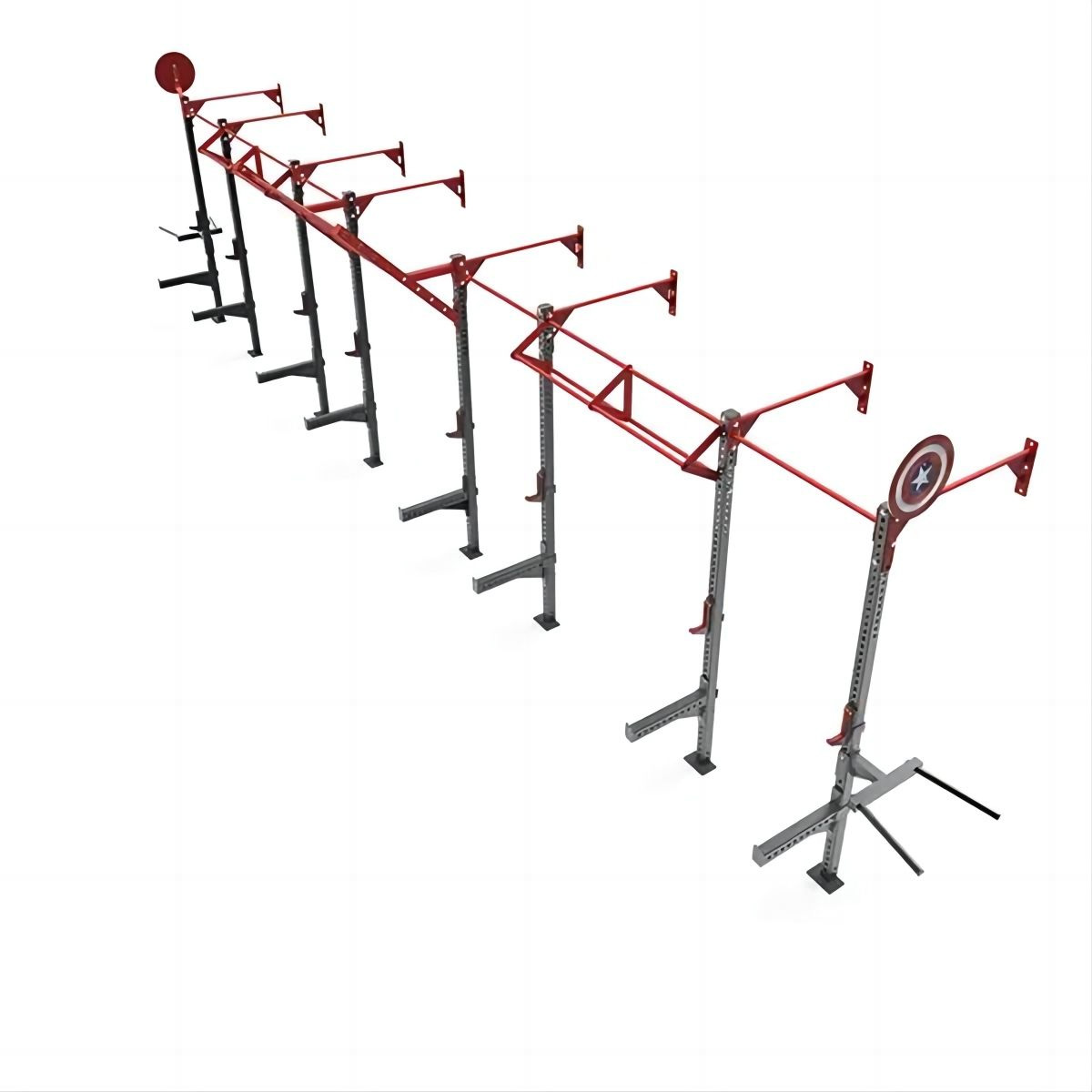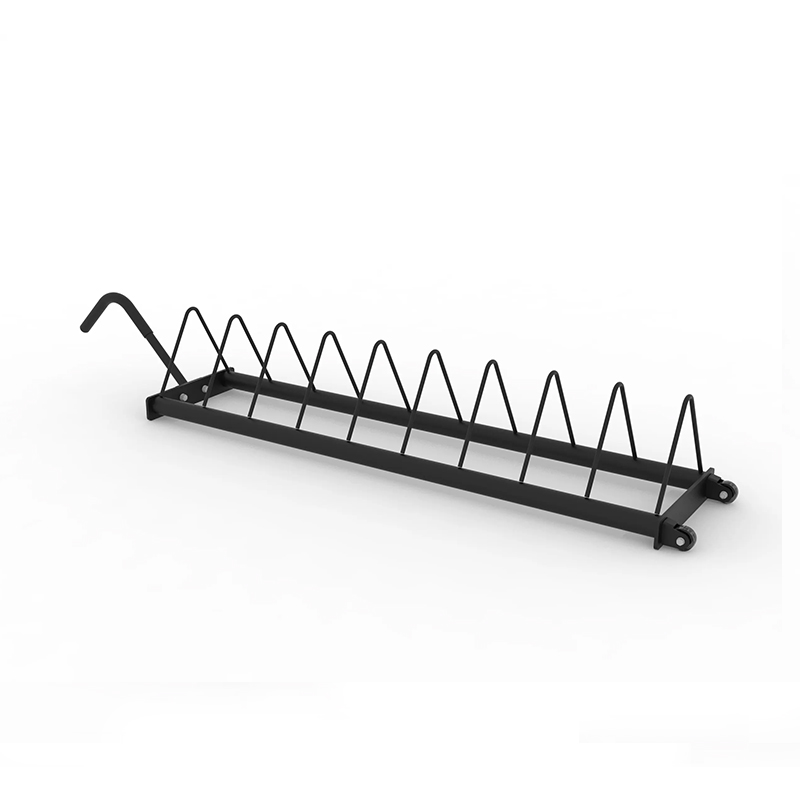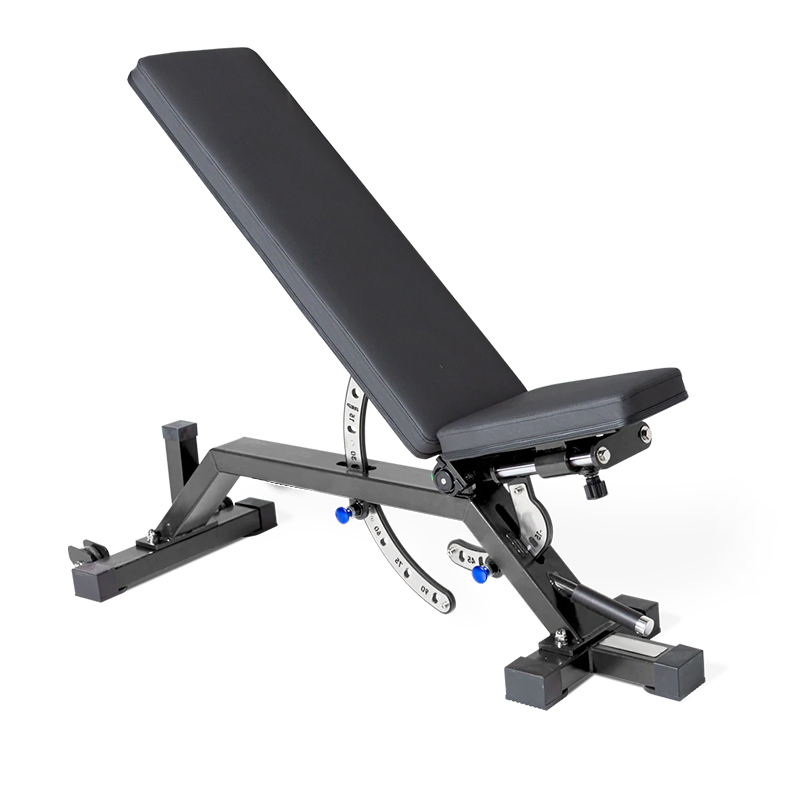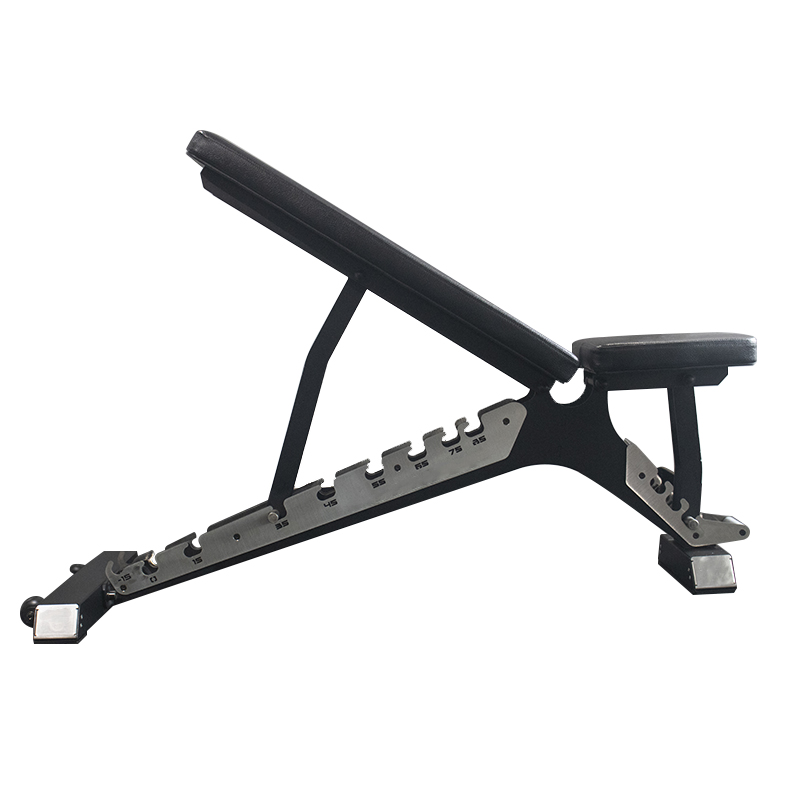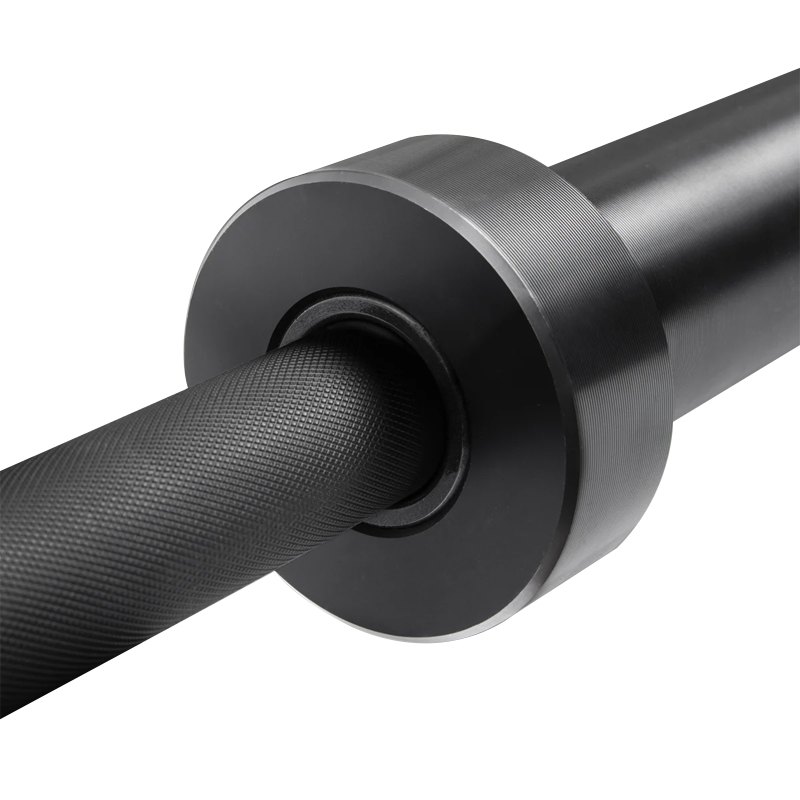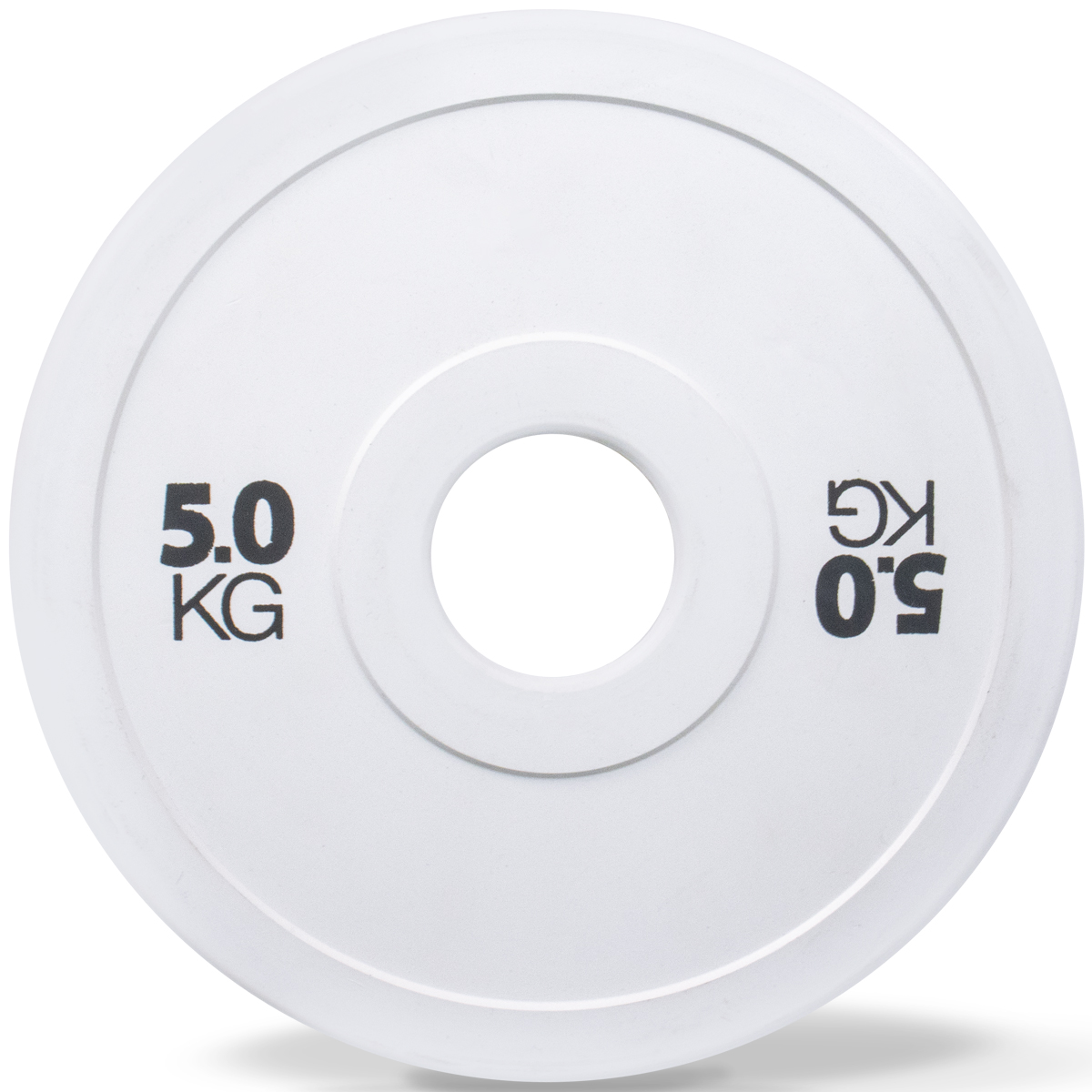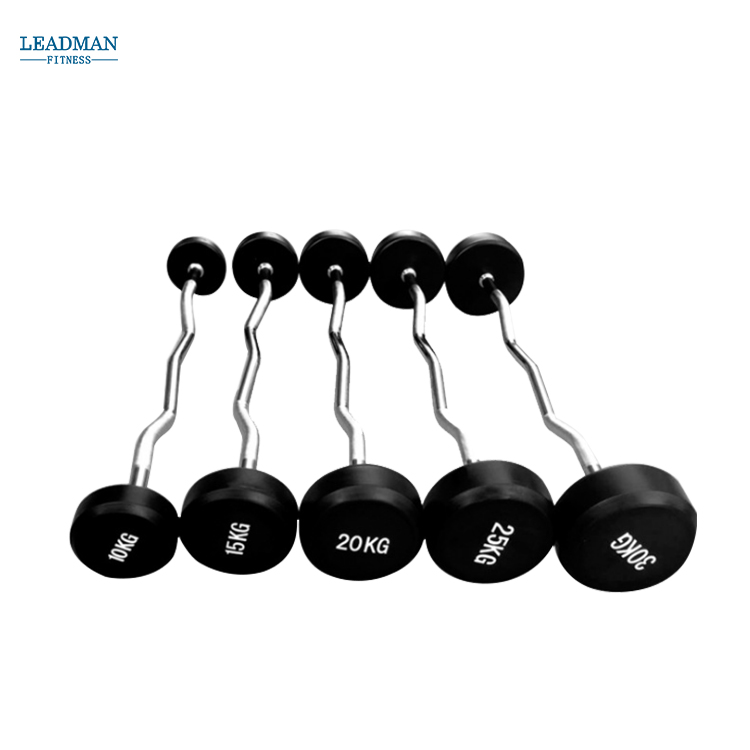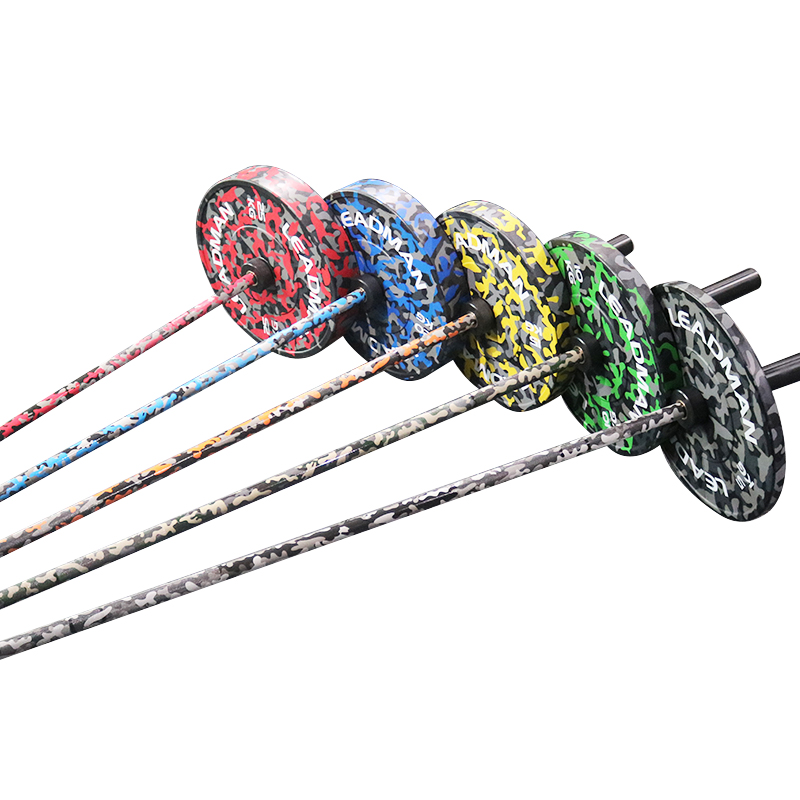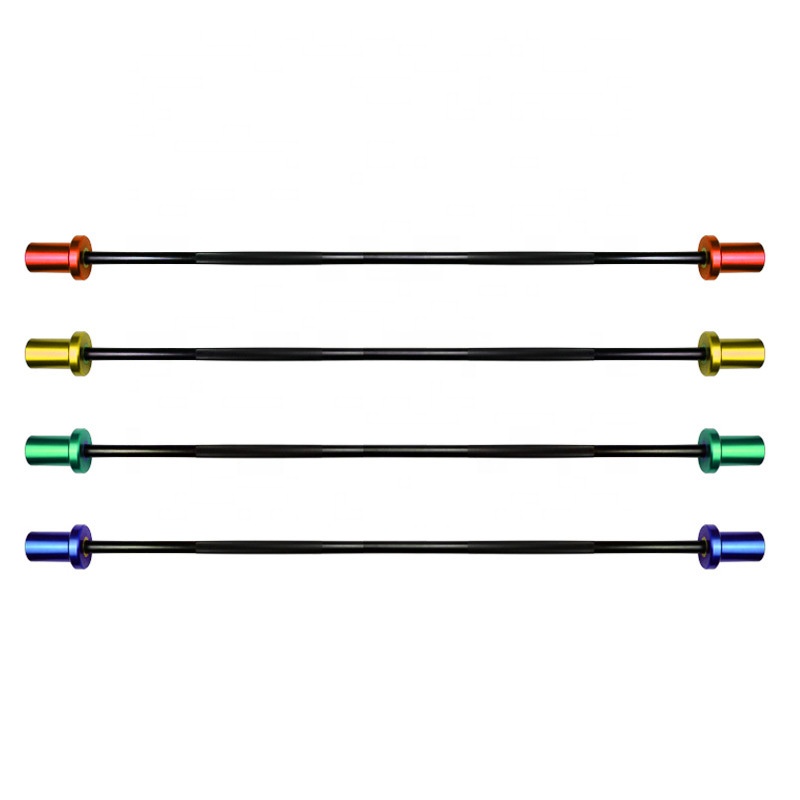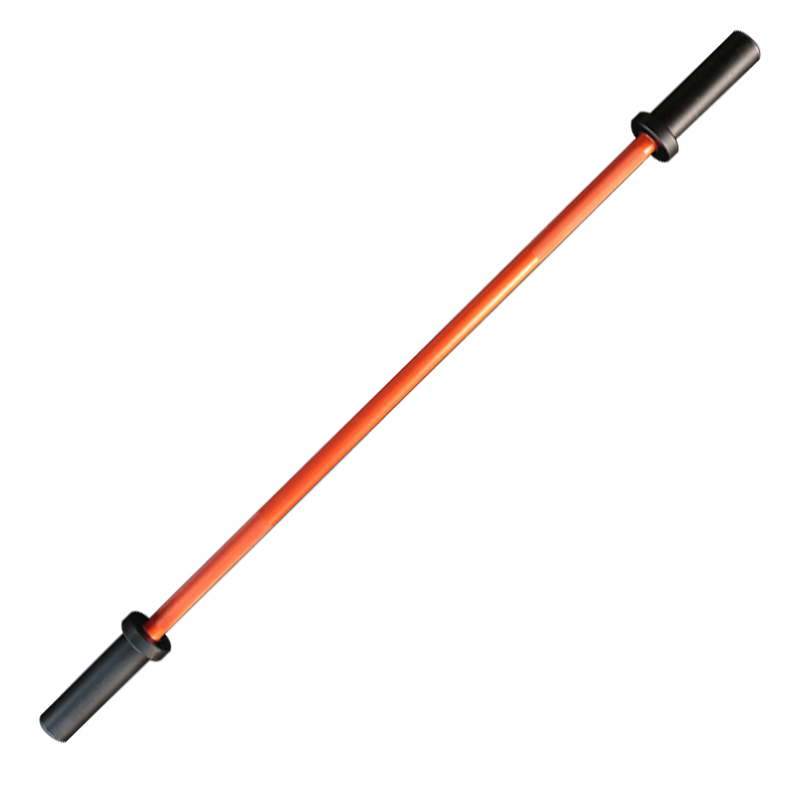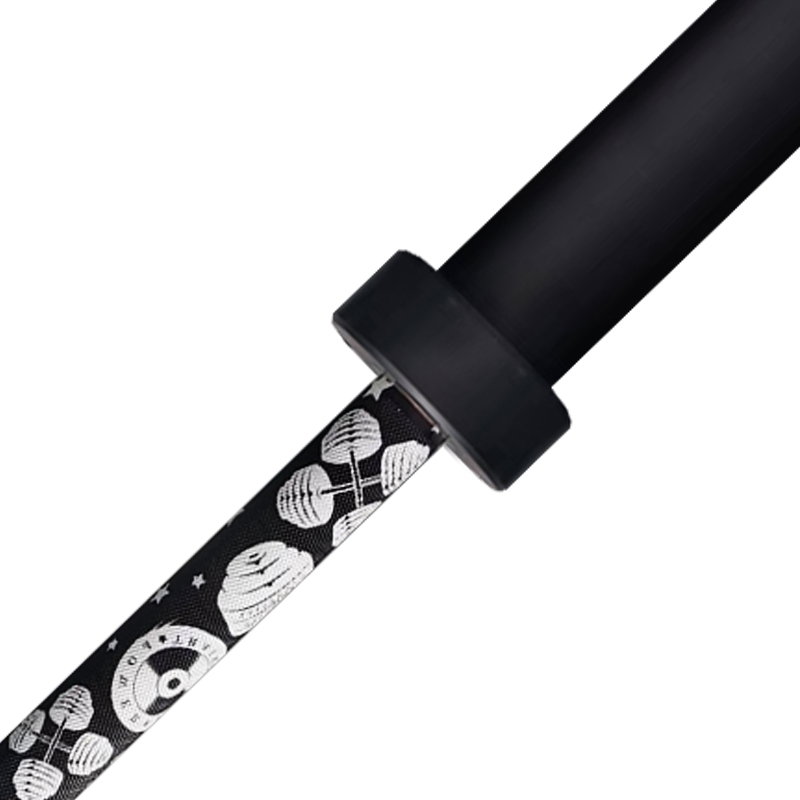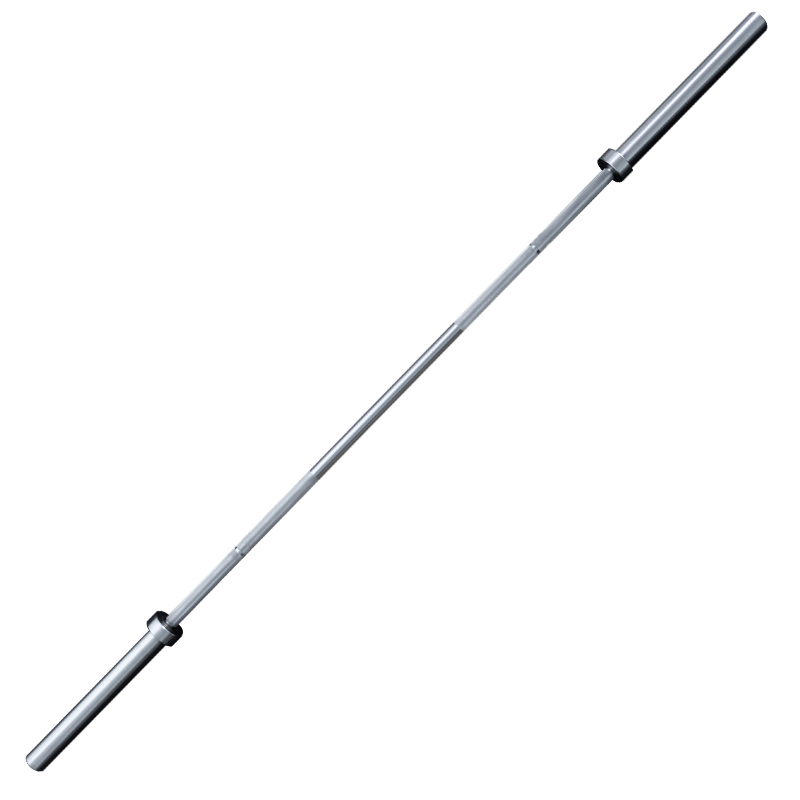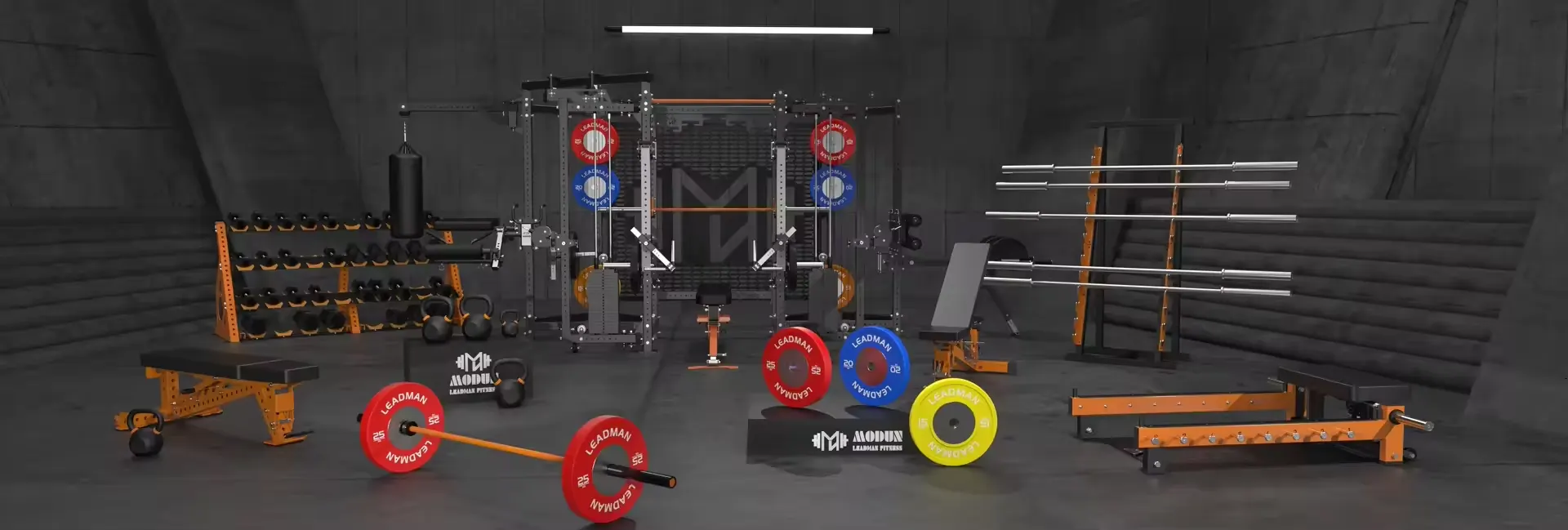
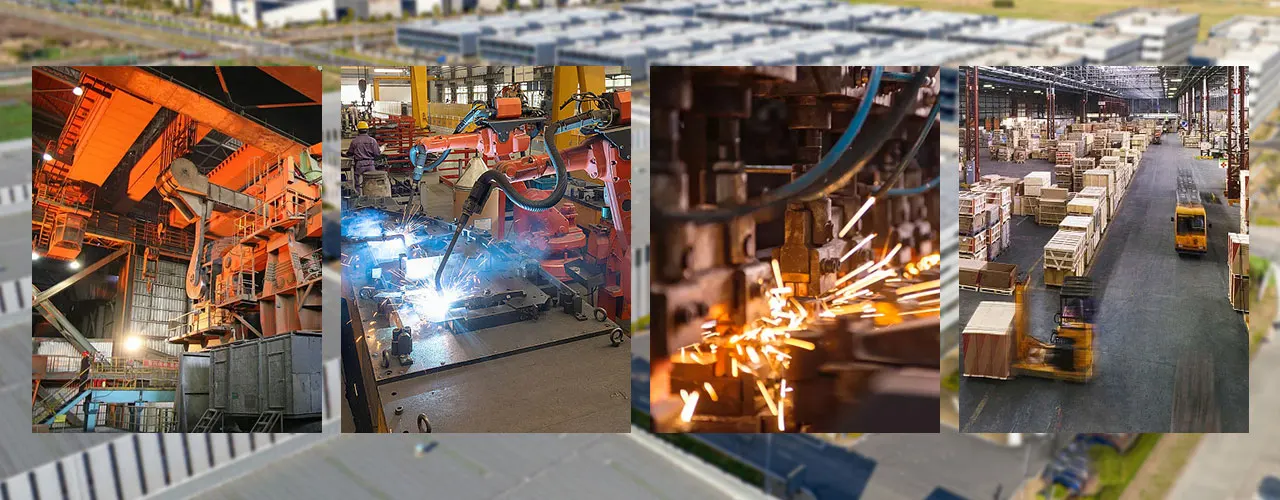
The gym equipment factory China ecosystem is the world's largest production hub for commercial and home fitness machines, concentrated in clusters like Ningjin County (Shandong Province), which produces over 70% of China's commercial gym equipment and 30% of global supply [citation:2][citation:5]. This 900-square-kilometer region houses nearly 3,000 fitness equipment companies, forming a complete industrial chain where all components—from steel tubing and foam padding to electronics and packaging—are sourced within a 30-minute radius [citation:2][citation:5]. The 2024 output value reached 13.9 billion RMB ($1.94 billion), with exports to 170+ countries and regions [citation:4][citation:7]. Factories range from OEM/ODM specialists (producing for brands like Precor, BH) to vertically integrated manufacturers with 340,000 sqm facilities producing half a million units annually [citation:1][citation:6]. Key capabilities include robotic welding (300+ welding robots per facility), laser cutting, automated powder coating lines, and smart assembly systems [citation:5][citation:7]. Industry leaders like DHZ Fitness (Shandong), MBH, Brightway, and REYK operate under ISO 9001 certification, with many achieving "little giant" status for innovation [citation:1][citation:3][citation:4]. The sector is transitioning from pure OEM to branded exports, with companies investing 5-10% of revenue in R&D for smart equipment featuring IoT connectivity, facial recognition, and AI-powered workout customization [citation:4][citation:9]. For international buyers, China's factories offer turnkey solutions: design, prototyping, mold creation ($1,500-8,000), mass production (30-60 day lead times), and logistics via ports in Shanghai, Ningbo, and Qingdao [citation:2][citation:8]. Compliance with EN957, ASTM F3105, RoHS, and REACH standards is standard for export-oriented factories, with third-party testing (SGS, TÜV, Intertek) available [citation:9]. Emerging trends include overseas warehouse setups (cutting delivery to 7 days from 45), livestream sales (a single factory sold $1.4 million in 5 days), and cross-border e-commerce via Amazon, TikTok Shop, and Alibaba [citation:1][citation:5]. For bulk commercial gym equipment buyers, Chinese factories offer 30-60% cost savings versus Western brands, with MOQs starting at 20-50 units per model [citation:4]. The industry's competitive edge lies in its vertical integration: 95% of components produced in-house or within the same county, enabling rapid prototyping and cost efficiency unmatched globally [citation:2][citation:7].
Let our experts design the perfect gym solution for your business. Get a free consultation and quote today.