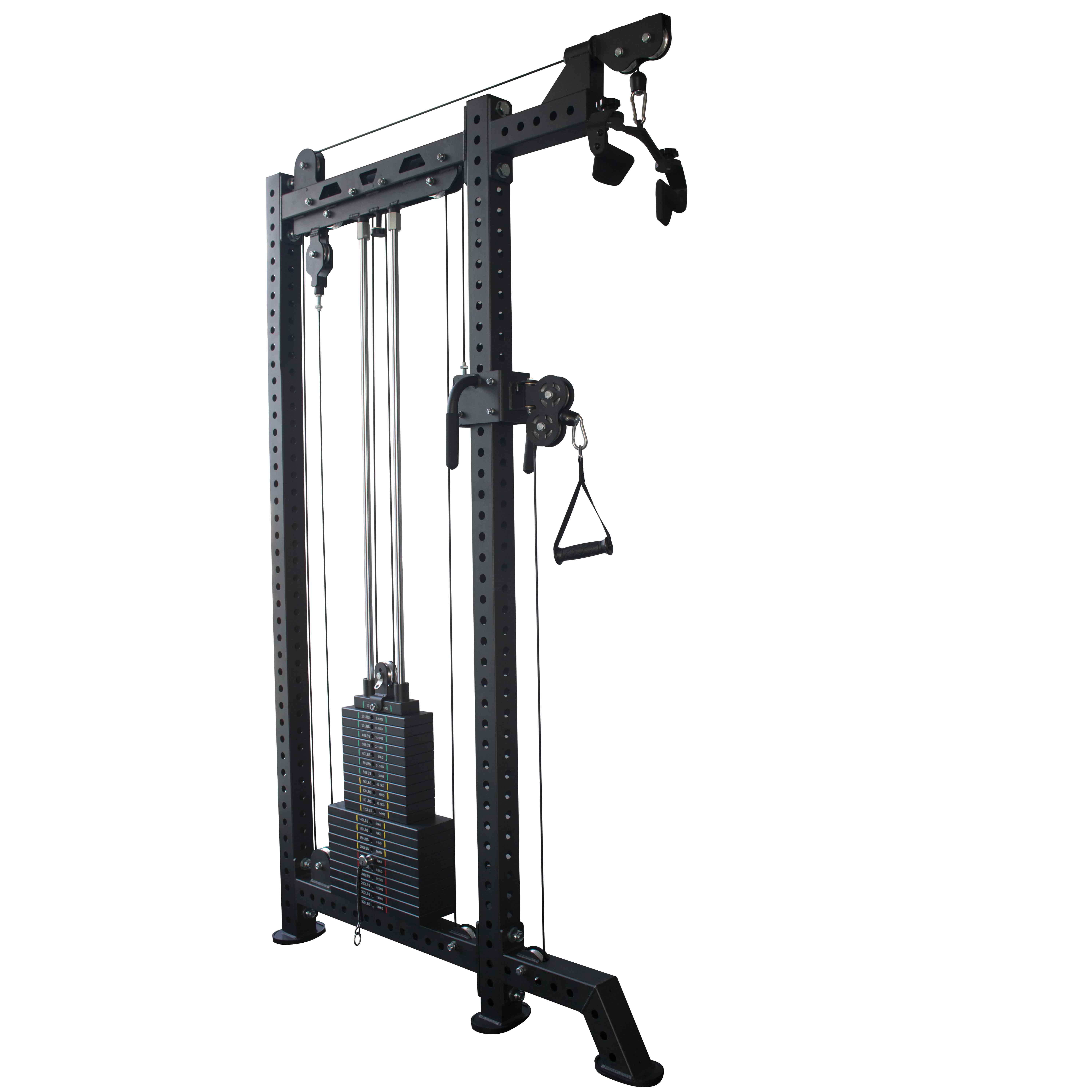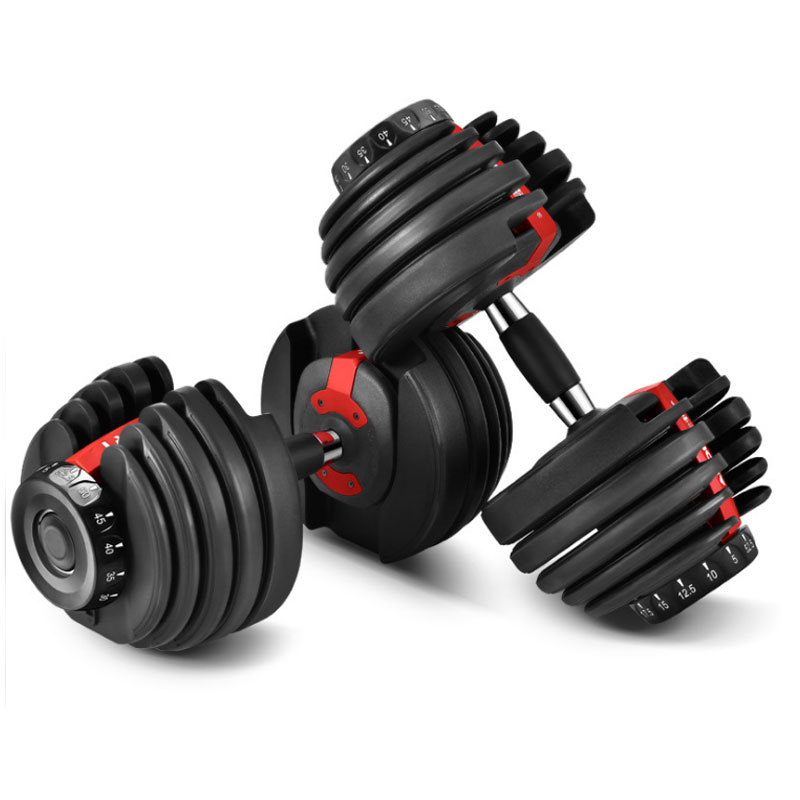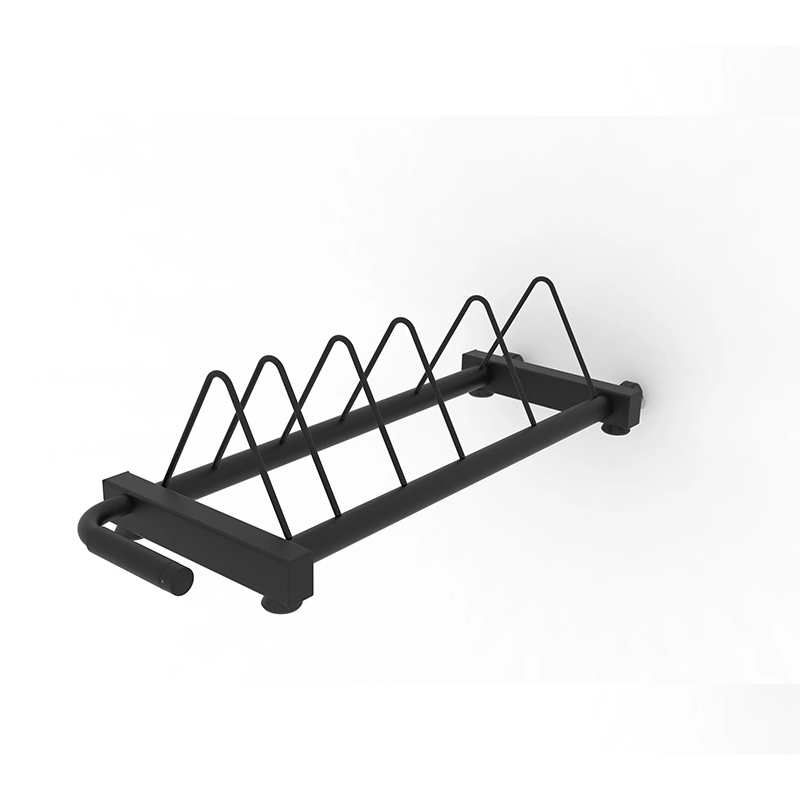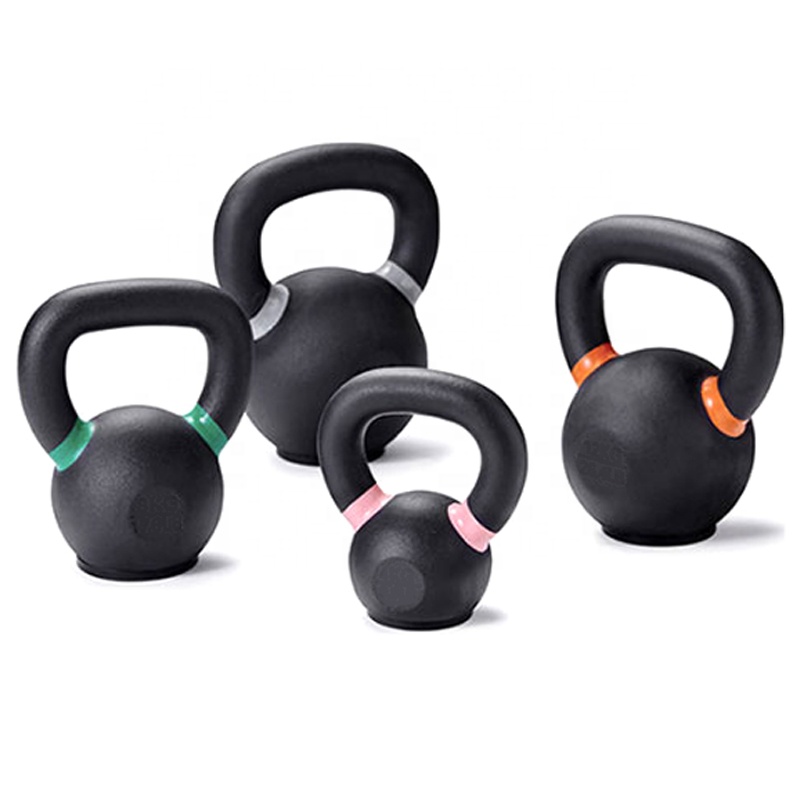
Optimizing fitness equipment container load shipping is a critical component of global supply chain management for commercial gym distributors and large-scale retailers. Unlike lightweight consumer goods, fitness equipment—ranging from heavy-duty strength machines to high-volume cardio units—presents unique challenges in volumetric density, weight distribution, and structural integrity during long-haul maritime transit.
Volumetric efficiency and load planning
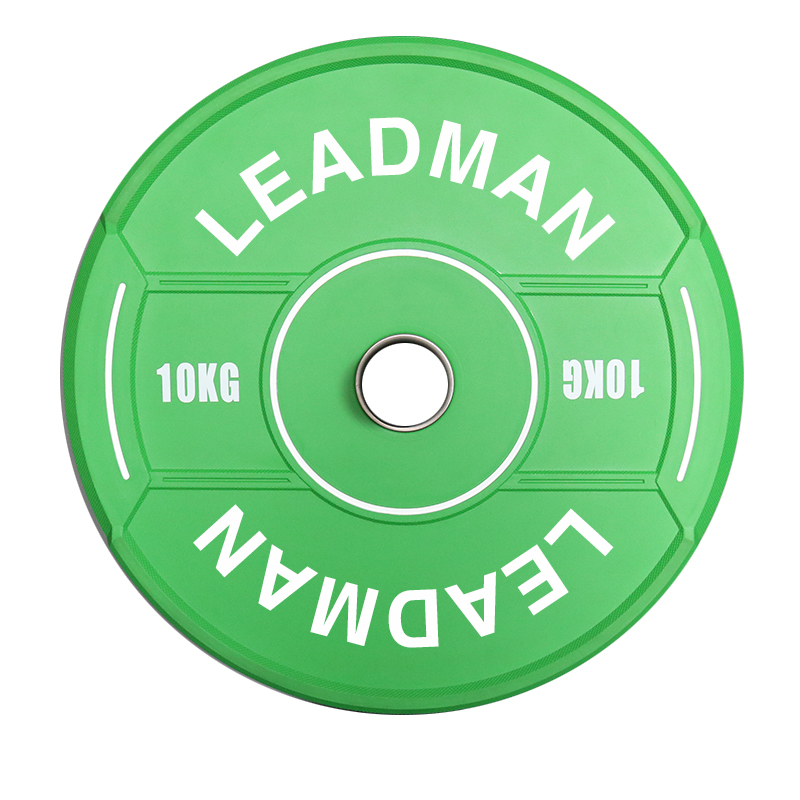
Effective container utilization requires a precise understanding of both volumetric weight and actual gross weight. High-density items, such as Olympic weight plates and dumbbells, must be strategically placed at the base of the container to maintain a low center of gravity. Conversely, larger, high-volume equipment like treadmills or functional trainers require advanced 3D load planning to prevent 'dead space.' Maximizing the cubic capacity of a 40ft High Cube (HC) container can significantly reduce the landed cost per unit, but this must be balanced against the risk of crushing lighter components under heavy loads.
Structural protection and cargo securing
To mitigate the risks of movement during sea transit, specialized dunnage and securing methods are mandatory. Key technical requirements include:
Logistical considerations for international freight
When coordinating international shipments, buyers must account for the lead times associated with port congestion and customs clearance. It is essential to verify that all equipment packaging meets international shipping standards (such as ISPM 15 for wood packaging) to avoid delays in customs. Furthermore, understanding the distinction between FCL (Full Container Load) and LCL (Less than Container Load) is vital; while LCL offers flexibility for smaller orders, FCL is the standard for high-volume fitness equipment procurement due to the reduced risk of handling damage and lower freight costs per unit.
Risk mitigation in the supply chain
Professional B2B buyers should demand detailed packing lists and dimensional data (L x W x H) from manufacturers early in the procurement process. This data allows for accurate freight quotations and the preparation of precise loading diagrams, ensuring that the fitness equipment arrives at its destination in optimal operational condition.

Let our experts design the perfect gym solution for your business. Get a free consultation and quote today.