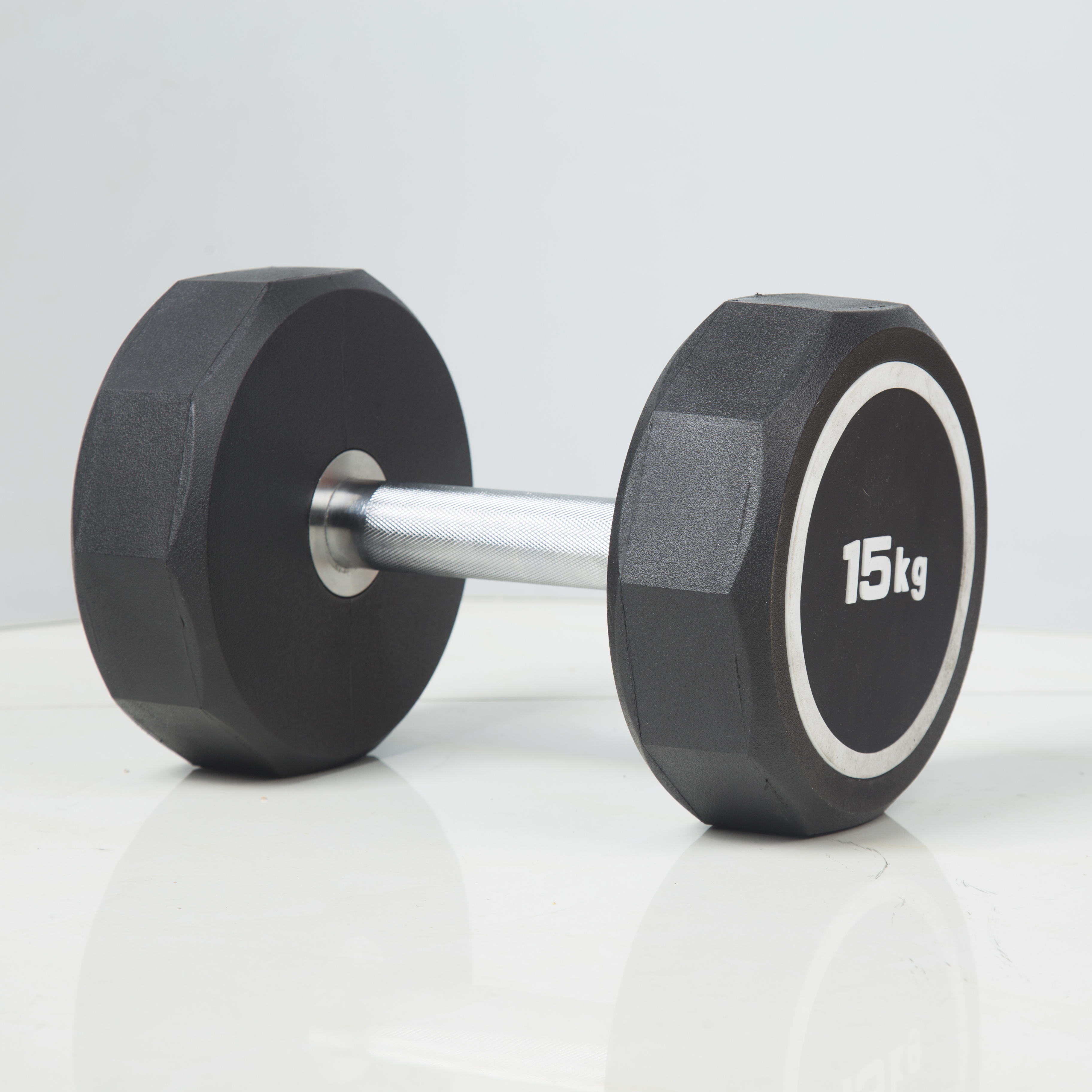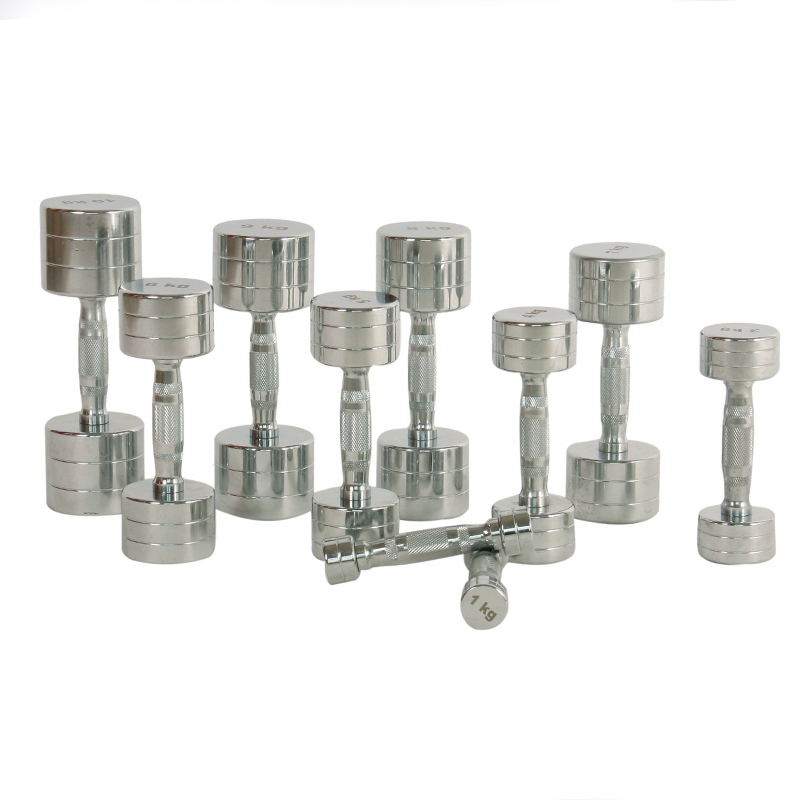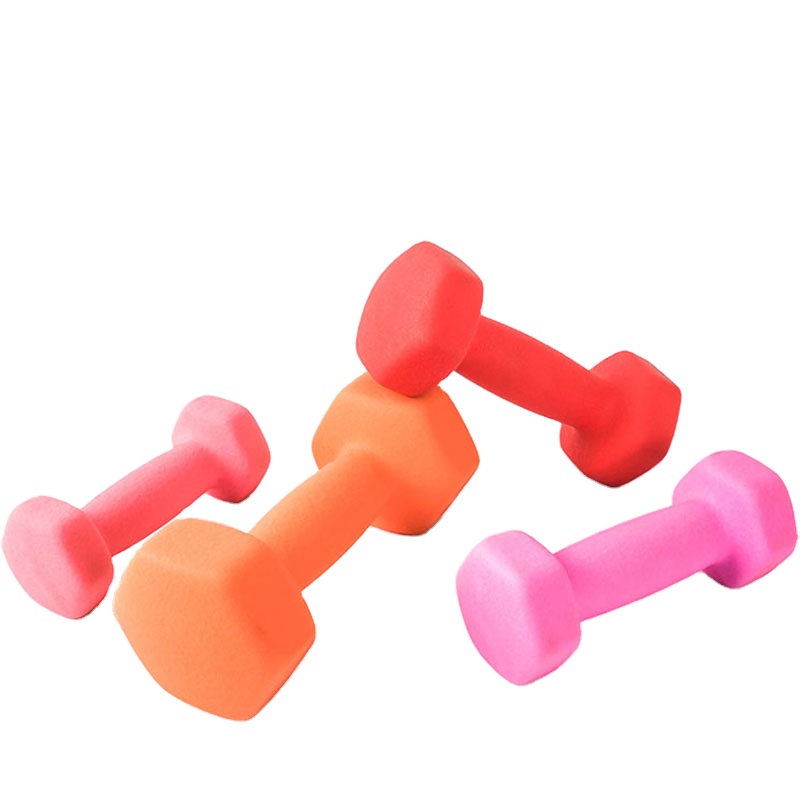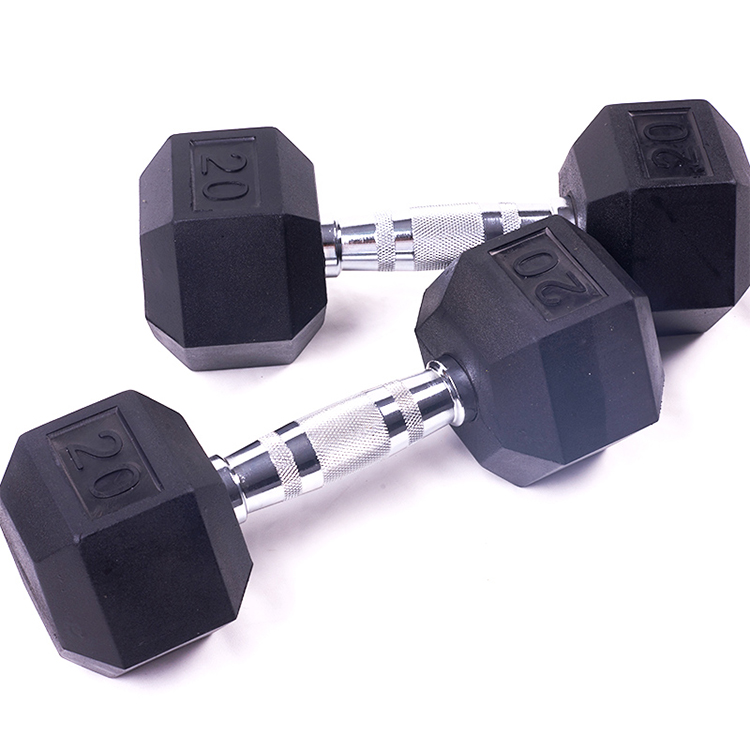
The dumbbell weight tree serves as the organizational backbone of any commercial strength floor, providing structured storage that transforms unwieldy dumbbell sets into a clean, accessible, and visually appealing equipment display. Unlike floor-based storage where dumbbells are simply placed on rubber mats or pushed beneath benches, a dumbbell weight tree elevates the equipment, creating defined storage zones that facilitate rapid member retrieval and efficient staff maintenance. For procurement managers planning strength floor configurations, the selection of appropriate weight trees is as consequential as the dumbbells themselves, influencing everything from gym floor congestion to equipment longevity.
From a storage engineering perspective, the dumbbell weight tree must accommodate the full weight range of the facility's dumbbell inventory while maintaining structural integrity under continuous loading. Commercial-grade weight trees utilize 11-gauge or thicker steel tubing, with shelves engineered to support concentrated loads—a fully loaded tree may hold 500-800 kilograms of dumbbells across multiple tiers. Shelf spacing should accommodate the varying heights of different weight increments, with lower shelves designed for heavier dumbbells (requiring greater clearance for grasping) and upper shelves dedicated to lighter pairs. The base must have a sufficiently wide footprint to prevent tipping, particularly when members pull heavier dumbbells from the upper reaches of the tree. Rubber or urethane inserts on the shelves cushion the dumbbells during placement, reducing noise and preventing metal-to-metal abrasion that can damage both the dumbbells and the storage equipment.
For facility operators, the strategic deployment of dumbbell weight trees directly impacts gym floor efficiency and member experience. A well-designed weight tree organizes dumbbells in ascending order, typically with lighter weights at the top and heavier weights at the bottom, enabling intuitive member navigation that reduces search time and station turnover. The footprint of the tree—typically 60-80 centimeters in width and 80-100 centimeters in depth—must be factored into strength zone planning, with trees positioned to minimize member congestion at peak hours. For facilities with limited wall space, free-standing trees are essential, though some operators opt for wall-mounted versions that reclaim floor space while maintaining equipment accessibility. The accessibility of the weight tree also influences member safety; lower shelves should be positioned at heights that enable easy grasping without requiring members to bend excessively or reach awkwardly, reducing the risk of back strain or dropped dumbbells.

Let our experts design the perfect gym solution for your business. Get a free consultation and quote today.