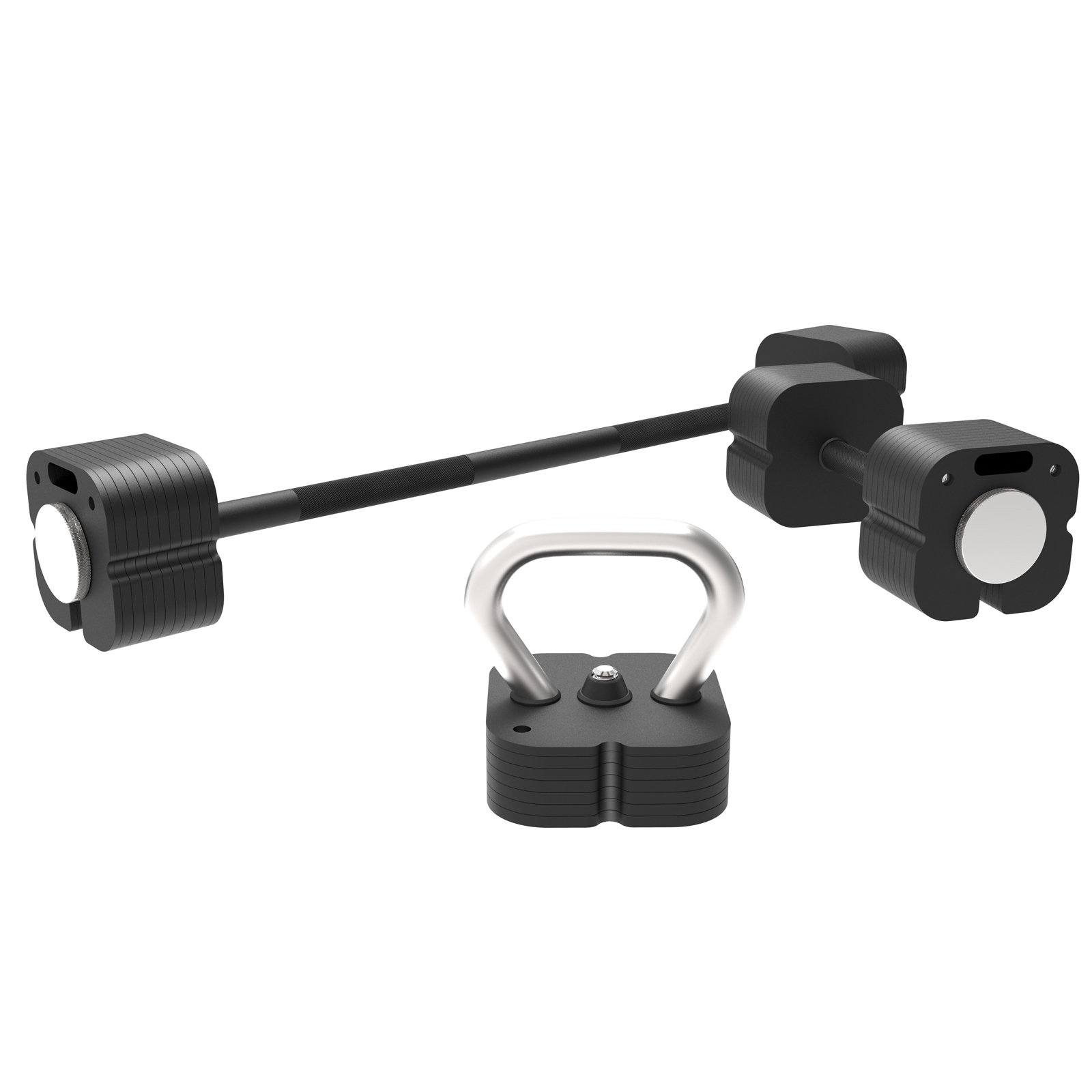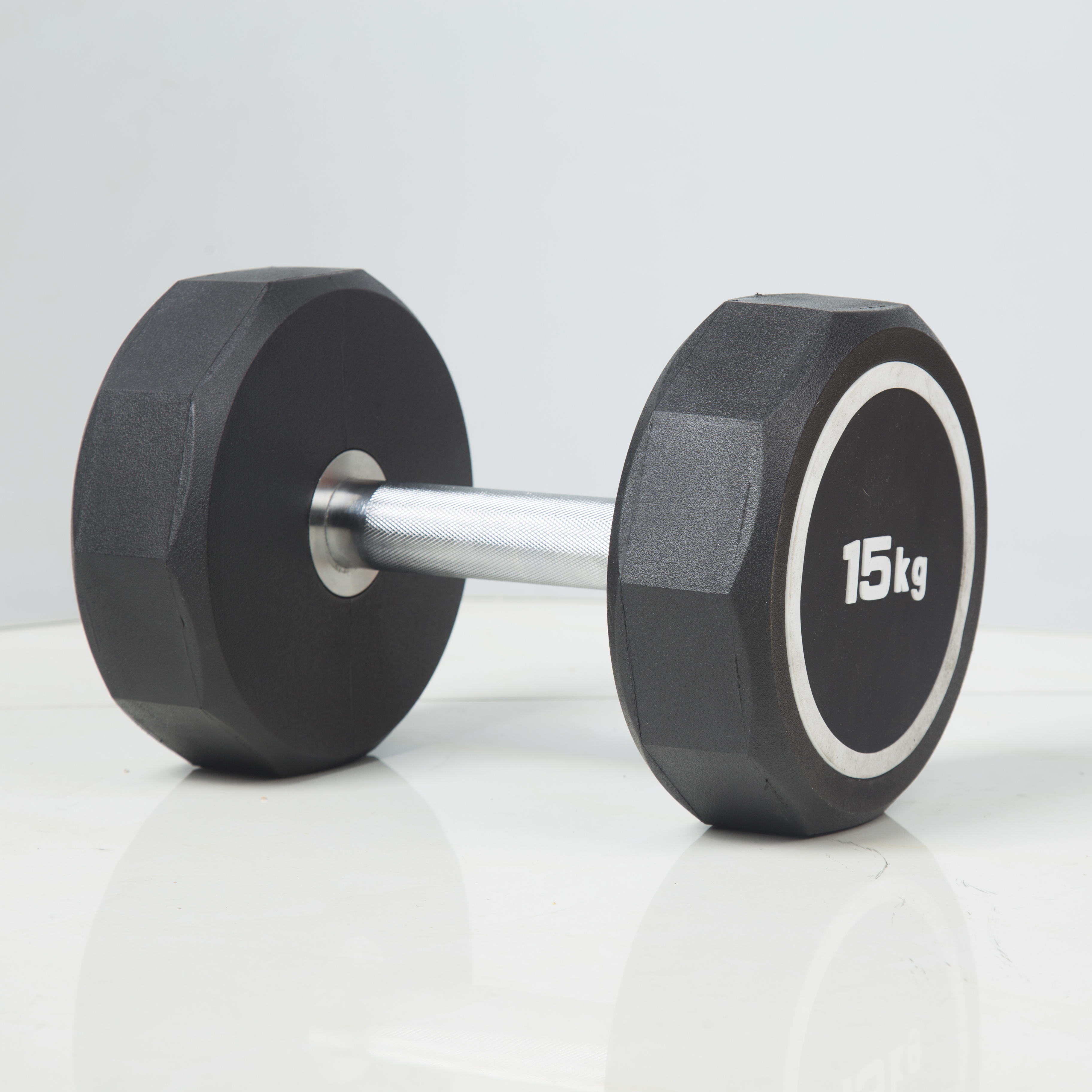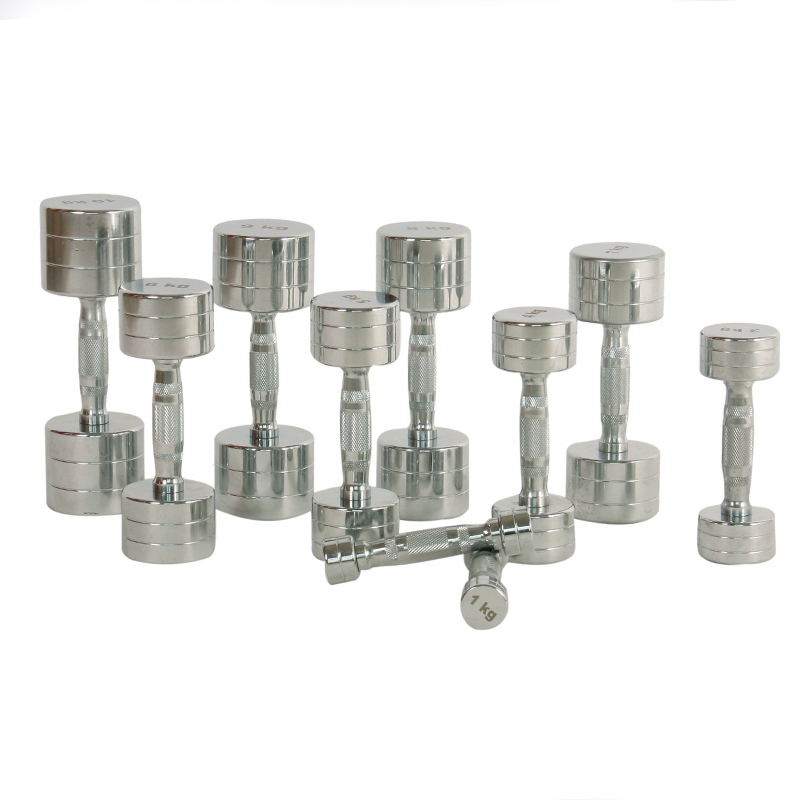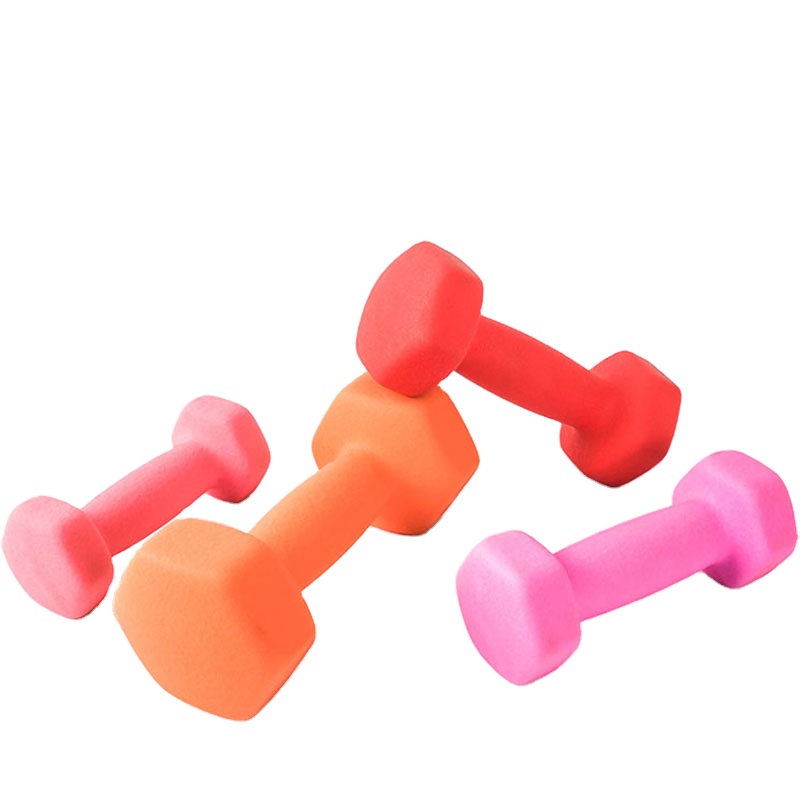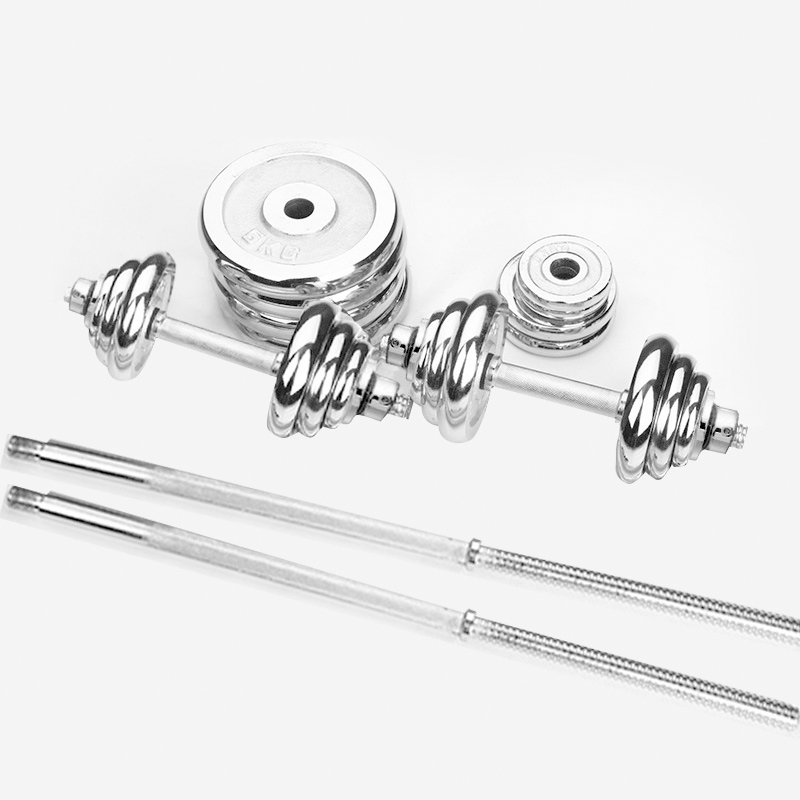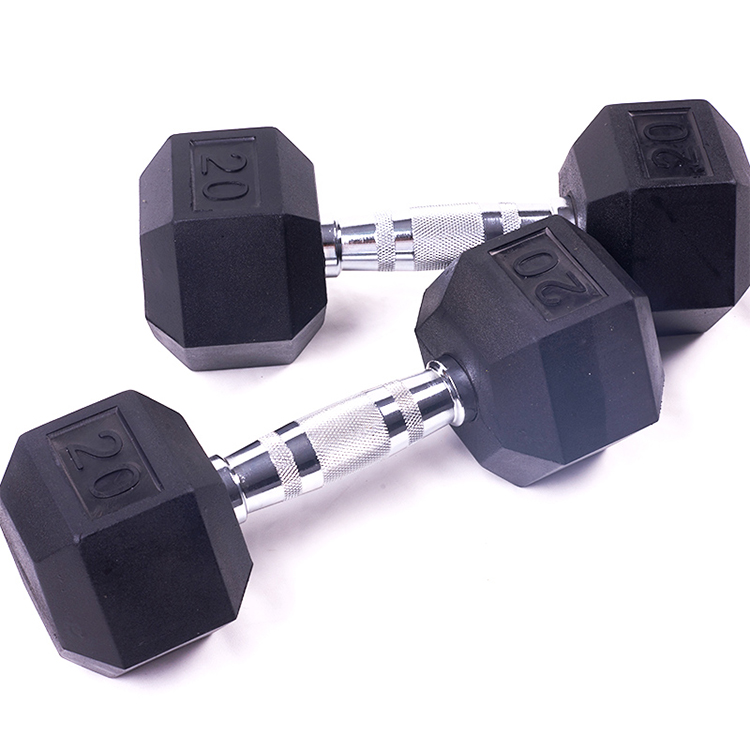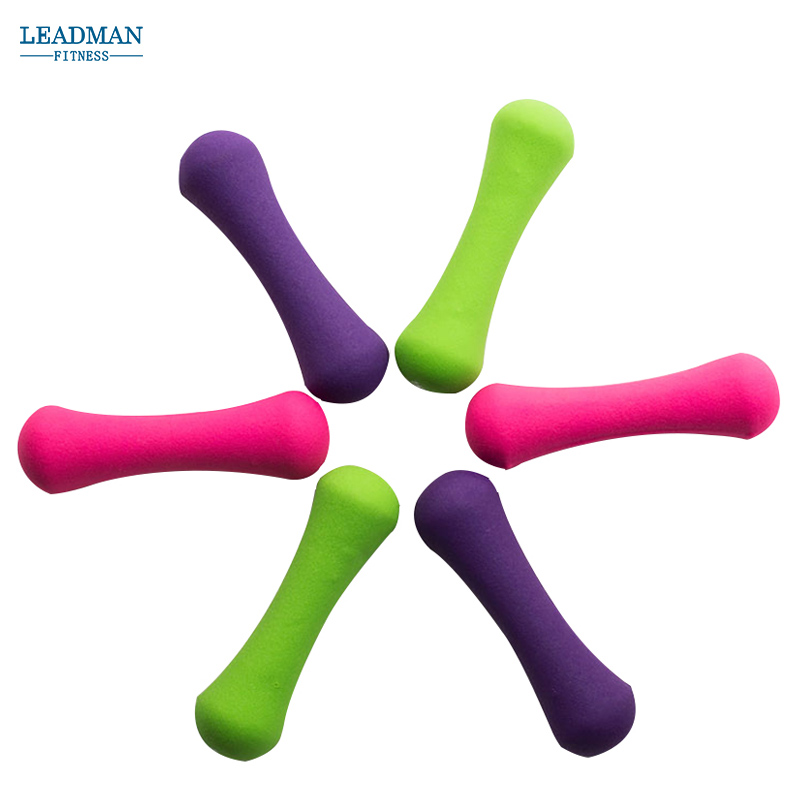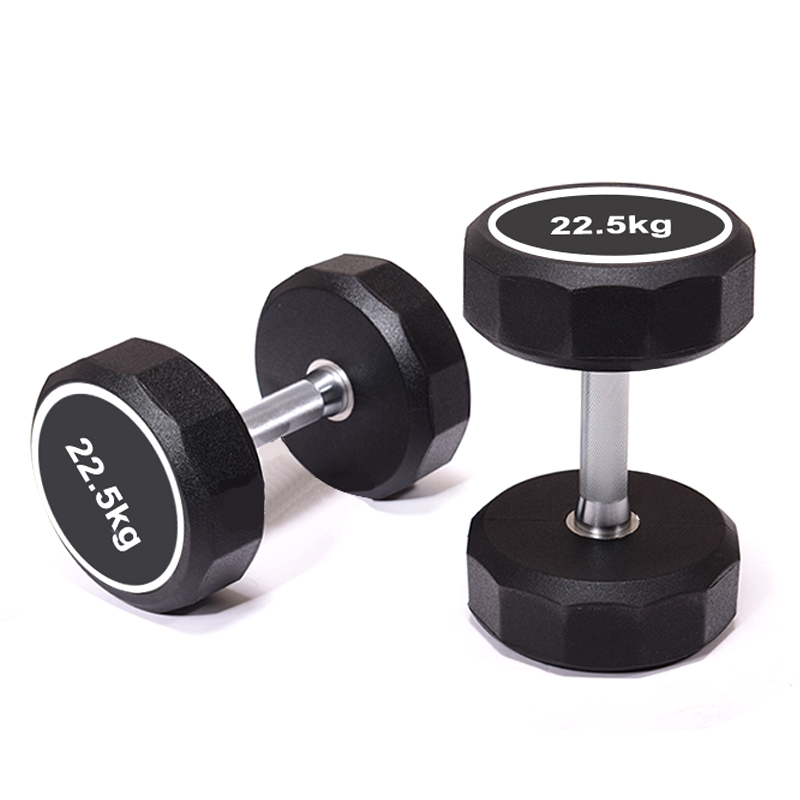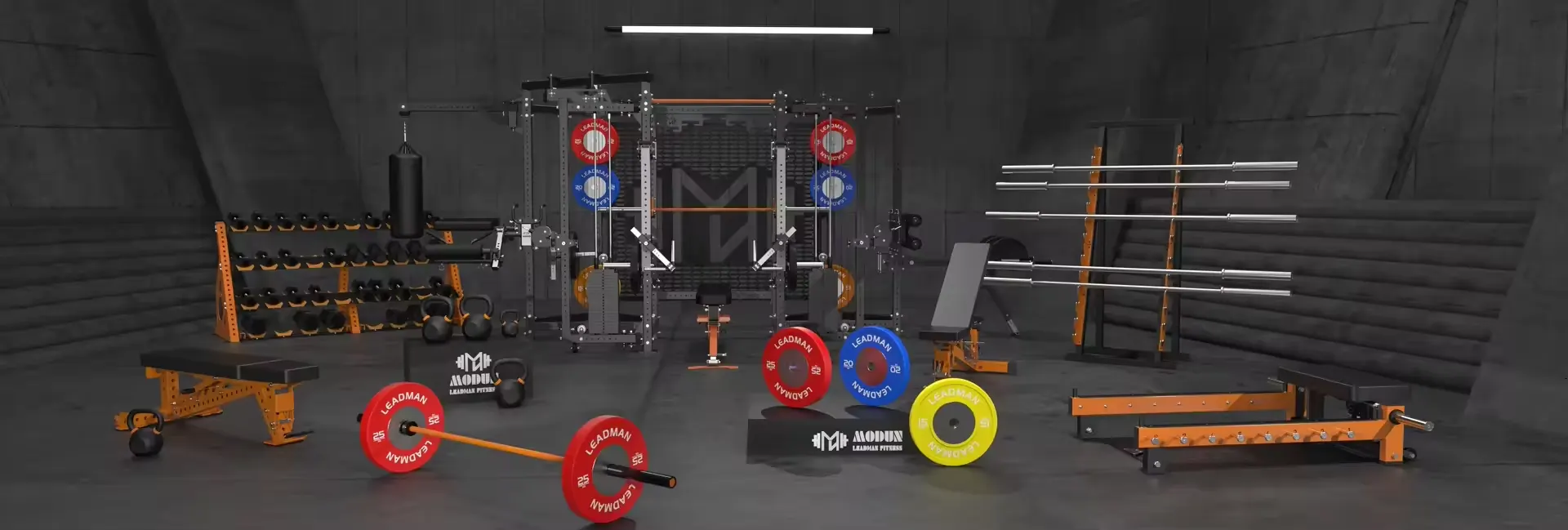
The dumbbell press is arguably the most fundamental compound movement in resistance training, serving as a cornerstone for upper body development across both general fitness and specialized athletic populations. Unlike its barbell counterpart, the dumbbell press demands greater neuromuscular coordination and stabilizer engagement, as each limb operates independently through its own range of motion. For commercial gym operators, understanding the biomechanics and equipment requirements of this movement is essential for designing effective facility layouts and selecting the appropriate dumbbell storage solutions that facilitate seamless member access and maintain proper equipment organization.
From a biomechanical perspective, the dumbbell press offers several distinct advantages that influence equipment selection. The independent movement of each arm allows for a more natural shoulder path, accommodating individuals with varying shoulder mobility and asymmetrical strength imbalances. This unilateral loading pattern has been shown to improve inter-limb coordination while reducing the risk of overuse injuries associated with fixed-bar pressing. For facility managers investing in wholesale weight training equipment, the popularity of dumbbell pressing warrants robust inventory levels across the 10-50kg range, ensuring that members can progressively overload without unnecessary delays waiting for specific weight increments to become available.
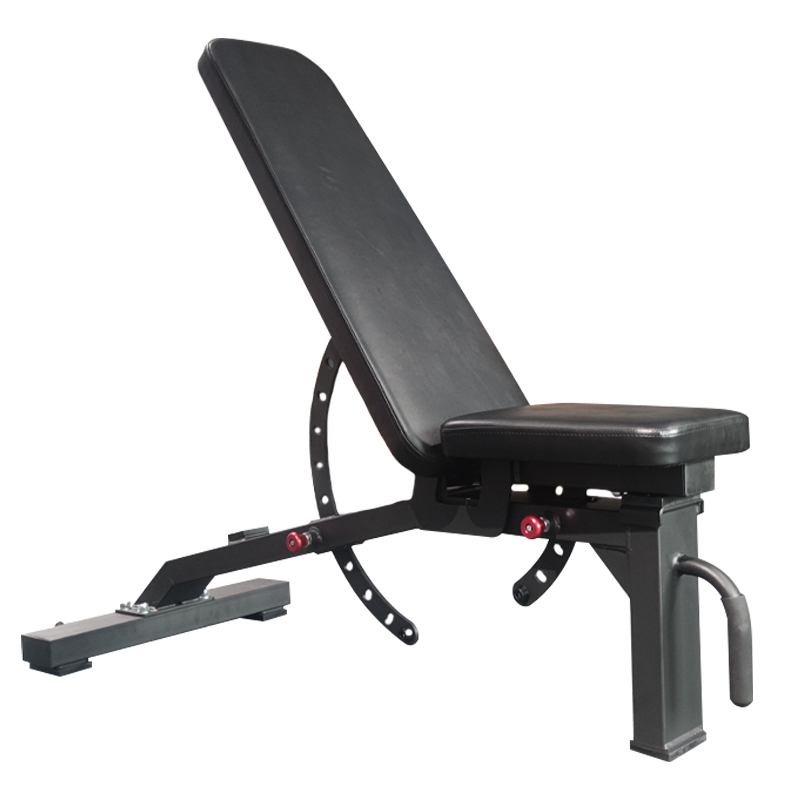
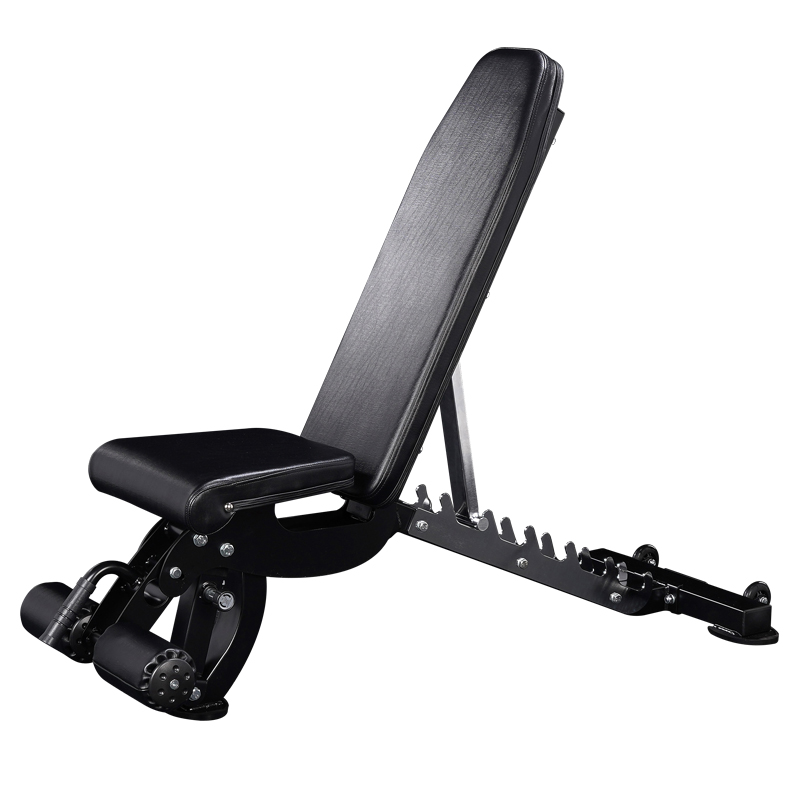
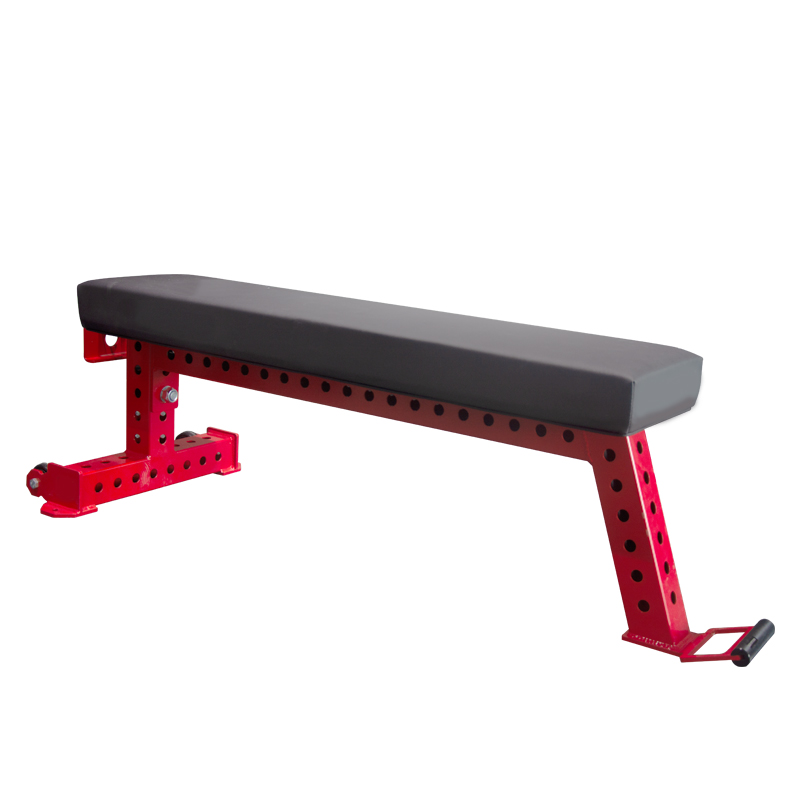
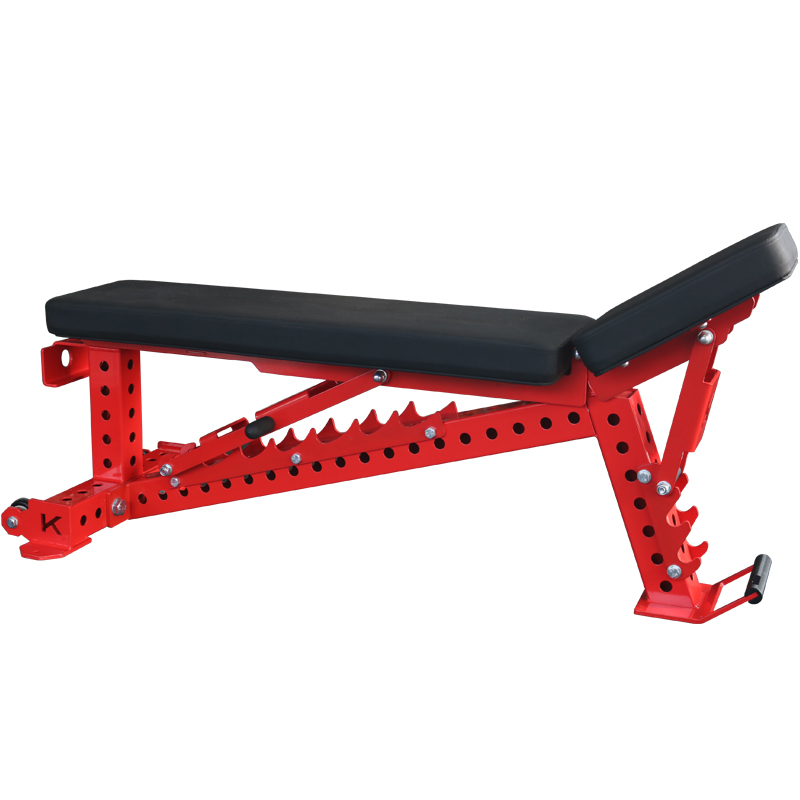
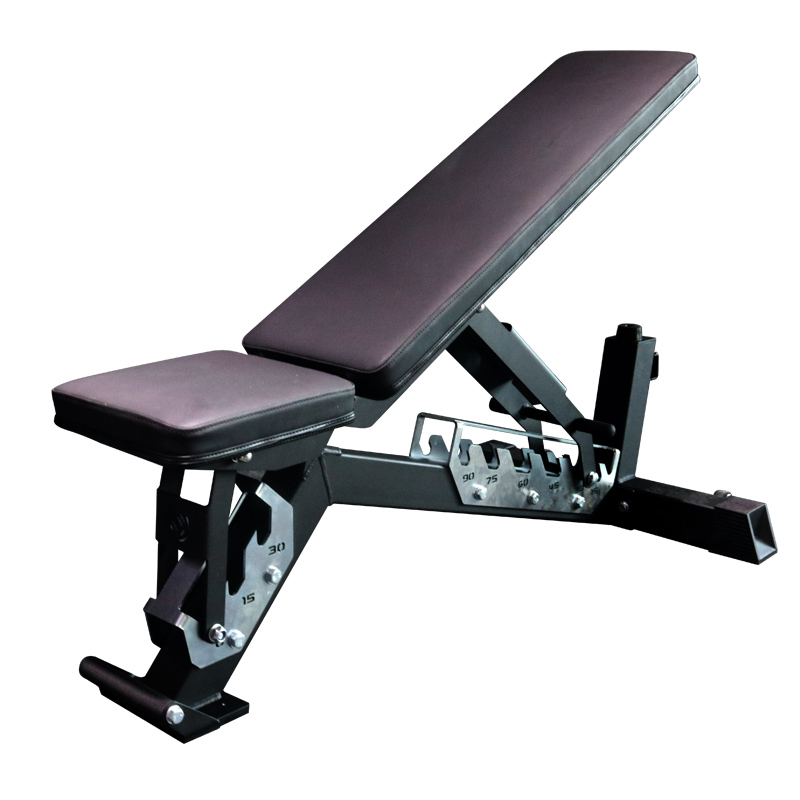
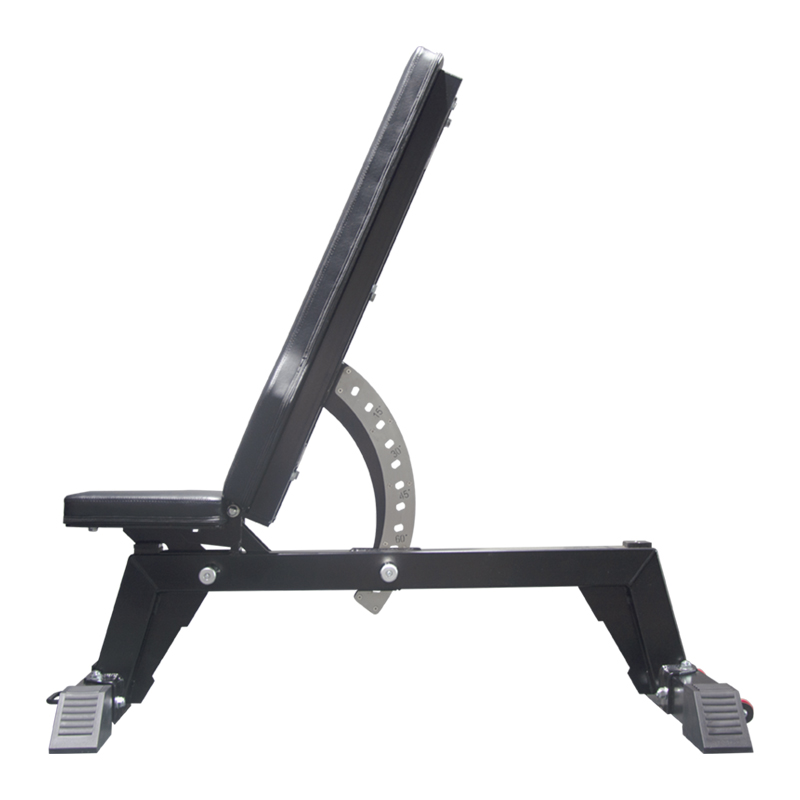
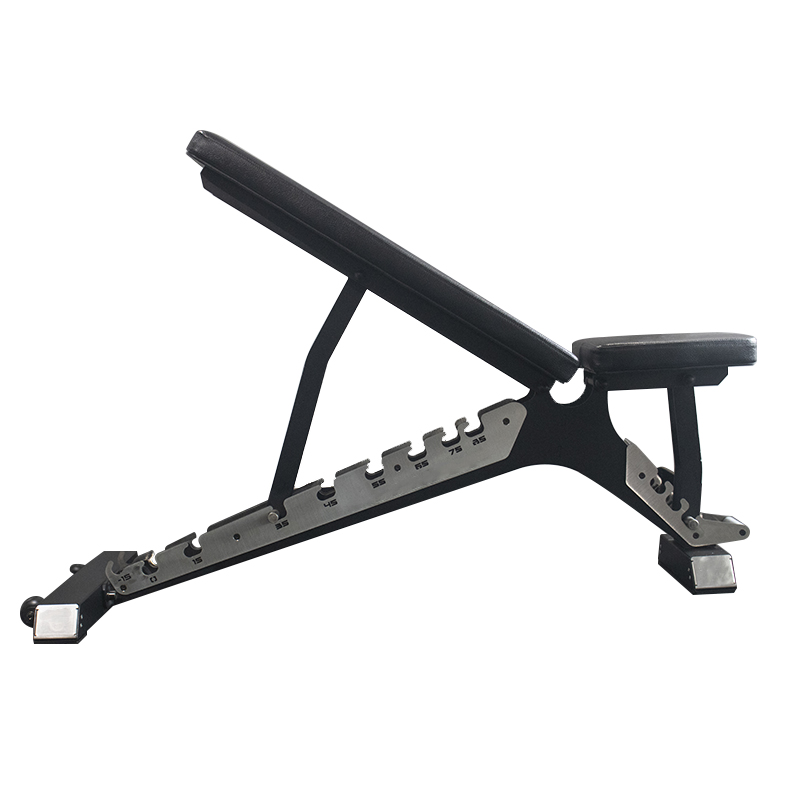
The equipment considerations for effective dumbbell pressing extend beyond the dumbells themselves to include adequate bench infrastructure and floor space allocation. Adjustable benches with seat positions that support both flat, incline, and decline pressing variations are essential for programming diversity. Additionally, the floor area beneath and around pressing stations should accommodate safe dumbbell placement and retrieval, minimizing the risk of foot injury during exercise transitions. For commercial environments with high member traffic, investment in high-density urethane dumbbells and dedicated racking systems significantly improves operational efficiency and enhances the overall member experience through reduced noise and streamlined weight retrieval.
Let our experts design the perfect gym solution for your business. Get a free consultation and quote today.