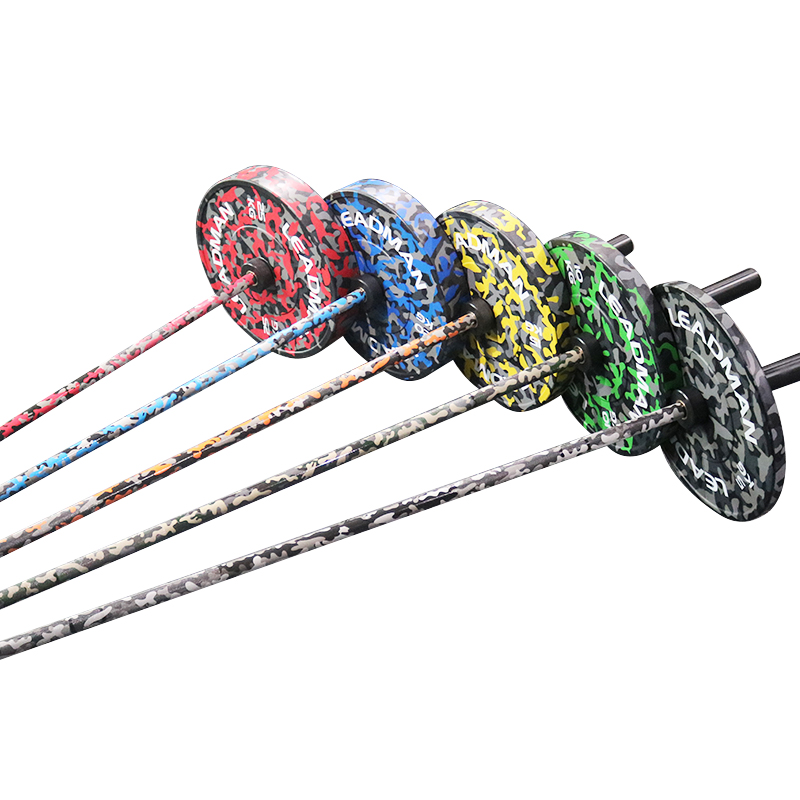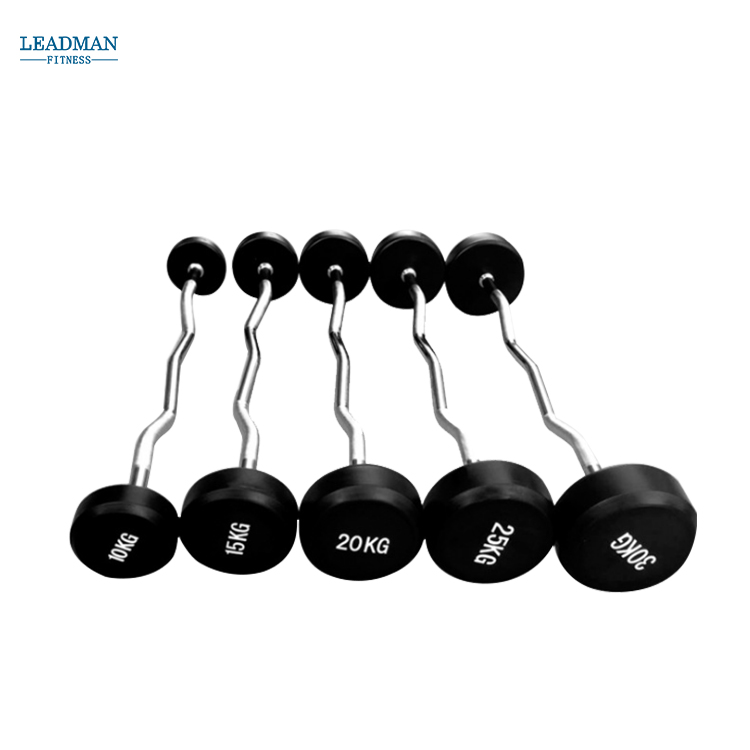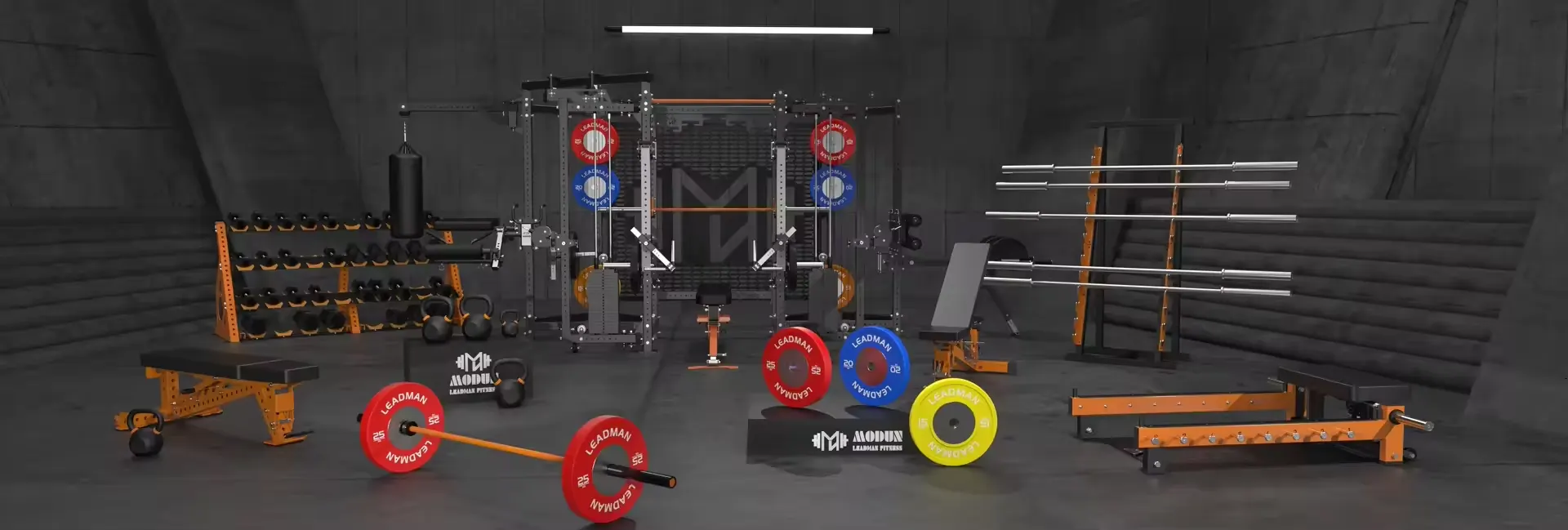
Selecting the optimal barbell for a training facility transcends basic weight considerations; it requires a nuanced understanding of the subtle engineering distinctions that define each variant. The term "Olympic barbell" serves as an umbrella category, yet beneath it lies a spectrum of specialized bars, each engineered for a specific kinematic demand, from the whip of a deadlift bar to the aggressive knurling of a power bar. A comprehensive grasp of these different types of Olympic barbells is essential for any serious athlete or facility manager aiming to optimize performance, ensure athlete safety, and maximize the longevity of their equipment investment.
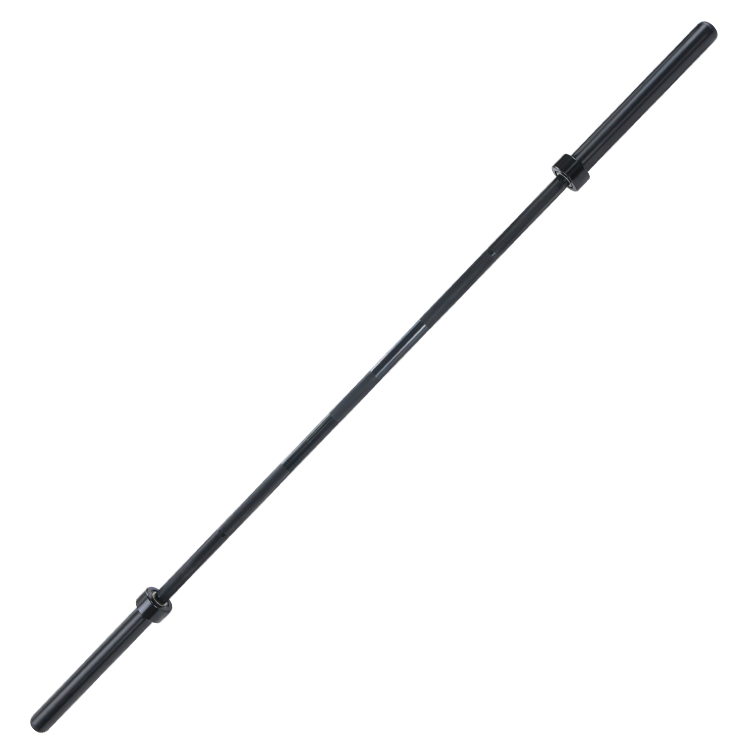
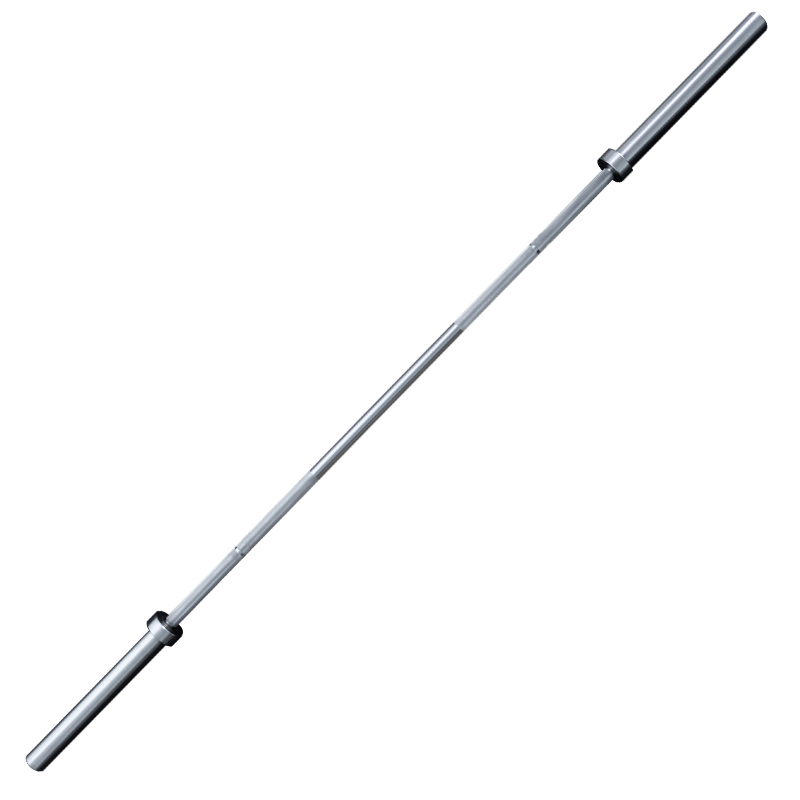
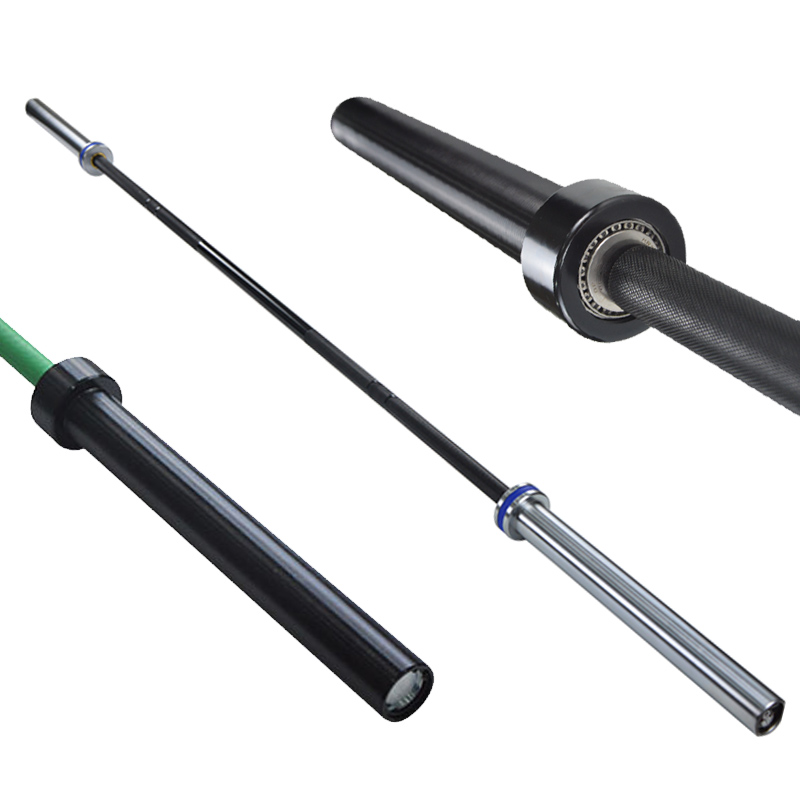
At the most fundamental level, the men's Olympic weightlifting bar and the women's Olympic weightlifting bar represent the primary division, defined by their respective weight, length, and shaft diameter. The men's bar, weighing 20 kg with a 28 mm shaft, is standard for all male competitions, whereas the women's bar, weighing 15 kg with a 25 mm shaft, is engineered to accommodate smaller hand sizes and facilitate a different dynamic in the snatch and clean and jerk. These bars are characterized by their substantial needle-bearing spin, which is critical for allowing the lifter to rotate the bar rapidly and seamlessly during explosive lifts, reducing torque on the wrists and elbows.
Beyond the Olympic weightlifting bars, the powerlifting bar emerges as a distinct entity, designed for the biomechanical demands of the squat, bench press, and deadlift. These bars are typically 20 kg with a 29 mm shaft, featuring a more aggressive knurling pattern to provide superior grip traction without the need for excessive hand pressure, which is paramount when handling maximal loads. A defining feature of the power bar is its "whippiness," or lack thereof; it is engineered to be significantly stiffer than an Olympic weightlifting bar, minimizing the elastic recoil that can be detrimental during a heavy squat or bench press, ensuring a stable and predictable load path.
For athletes specializing in the deadlift, the deadlift bar offers a distinct advantage, distinguished by its longer length and smaller shaft diameter (often 27 mm). This design maximizes the bar's whip or spring, allowing the lifter to generate momentum off the floor by slightly bending the bar before the plates leave the ground. This mechanical advantage can translate to a significant increase in lockout speed and overall performance. The knurling on a deadlift bar is typically more aggressive and may cover a larger surface area to accommodate a variety of grip widths and stances, providing the necessary friction for maximal pulls.
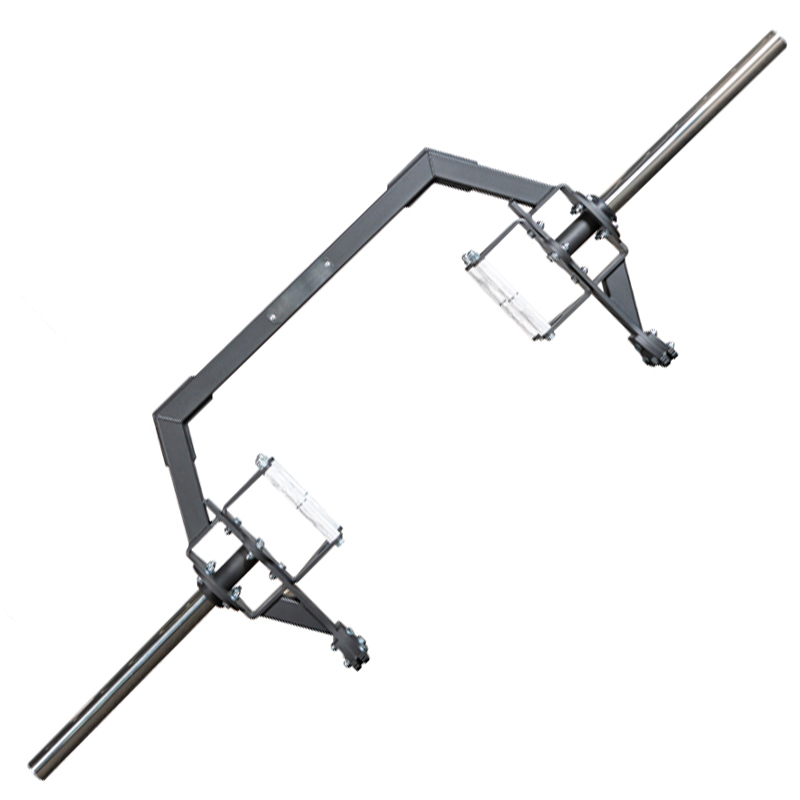
Within the realm of specialty bars, the squat bar, or safety squat bar, is a crucial tool for mitigating shoulder and elbow stress. Its cambered design shifts the center of gravity forward, requiring a more upright torso position and engaging the core more intensely. For facilities catering to athletes with mobility restrictions or those focusing on rehab and recovery, the safety squat bar is indispensable. Similarly, the trap bar, or hex bar, offers a neutral grip option for deadlifts and shrugs, significantly reducing shear stress on the lumbar spine and allowing for a more quad-dominant pull, making it a versatile addition for both functional training and strength building.
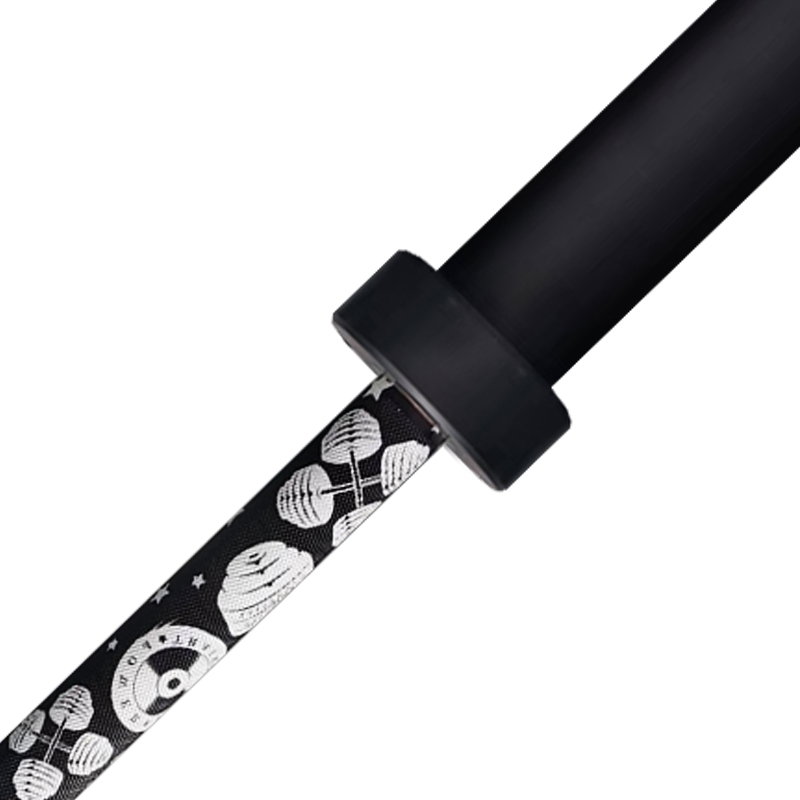
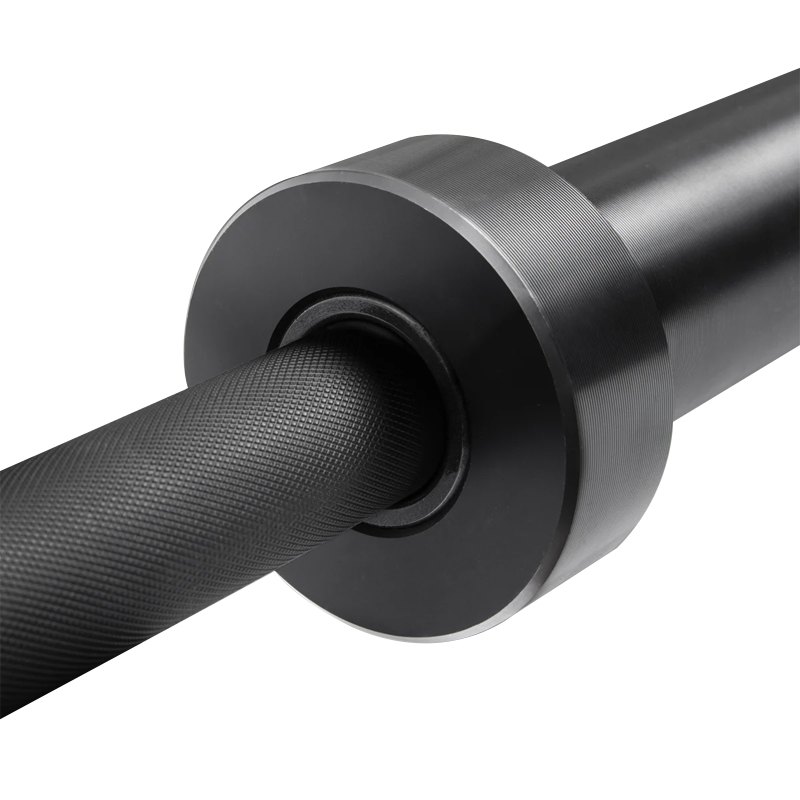
When evaluating these different types of Olympic barbells, the knurling depth and knurl pattern are critical differentiators that influence grip security and comfort. A coarse, aggressive knurl is optimal for powerlifting where maximal load demands absolute adhesion, while a finer, less aggressive knurl is preferred in Olympic weightlifting to allow the bar to rotate smoothly in the hands during the turnover phase. The type of bearings or bushings also dictates the bar's performance; needle bearings offer the most frictionless rotation for dynamic lifts, whereas bronze bushings provide a durable, maintenance-friendly option for general-purpose training bars.
Investing in a diverse selection of these specialized barbells is not merely an upgrade in equipment, but a strategic decision that enhances training specificity, reduces injury risk, and elevates the overall athlete experience. From the high-tension precision of the power bar to the fluid dynamics of the weightlifting bar, each variant addresses a specific movement pattern and training goal. For commercial gyms and private training studios, understanding these distinctions is paramount to curating a collection that supports the diverse needs of their clientele, whether they are competitive athletes or enthusiasts seeking to improve general physical fitness and strength.
Let our experts design the perfect gym solution for your business. Get a free consultation and quote today.