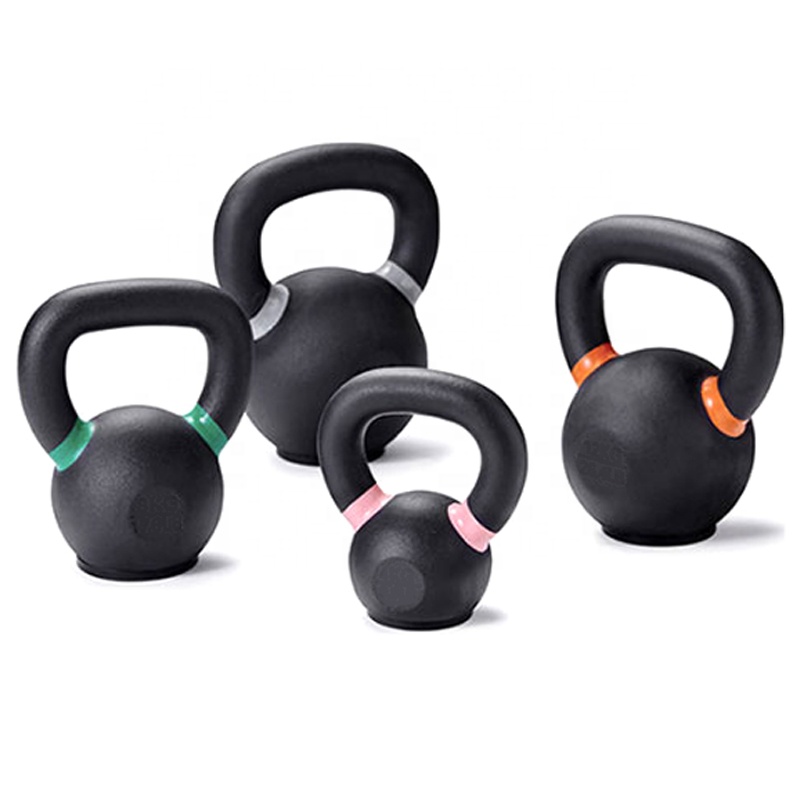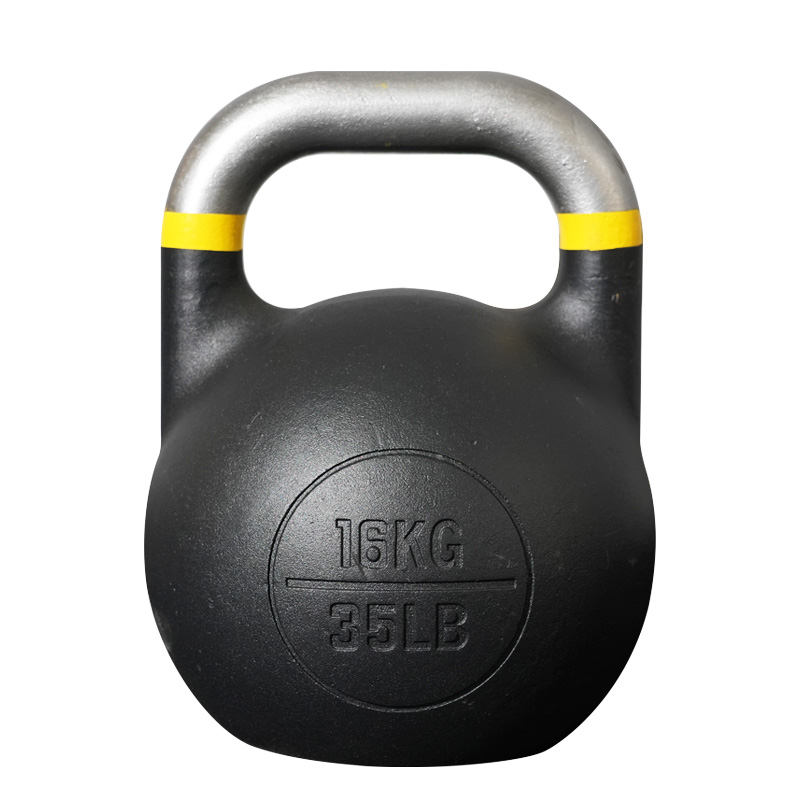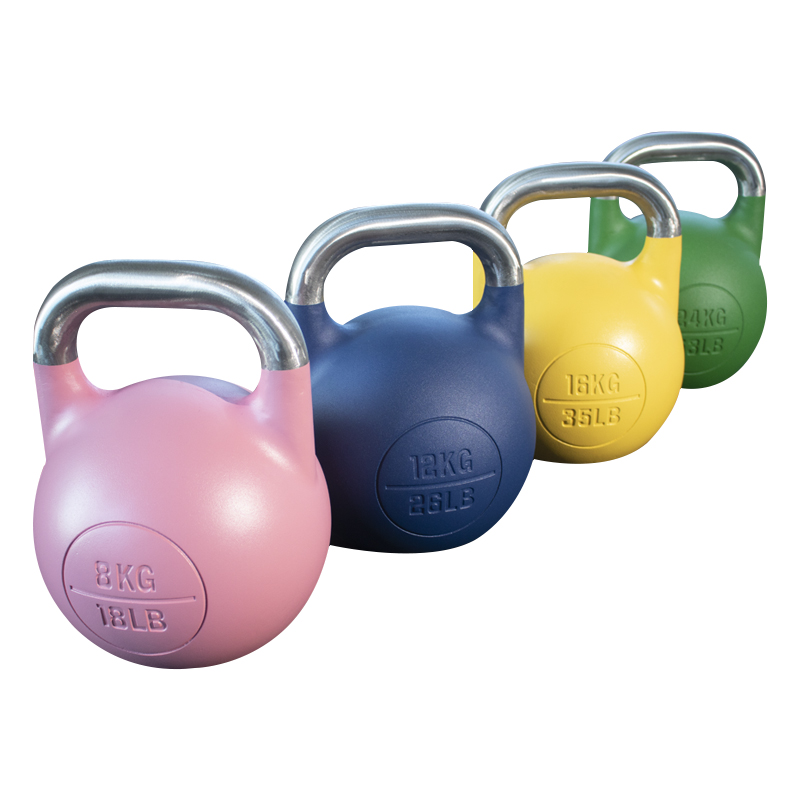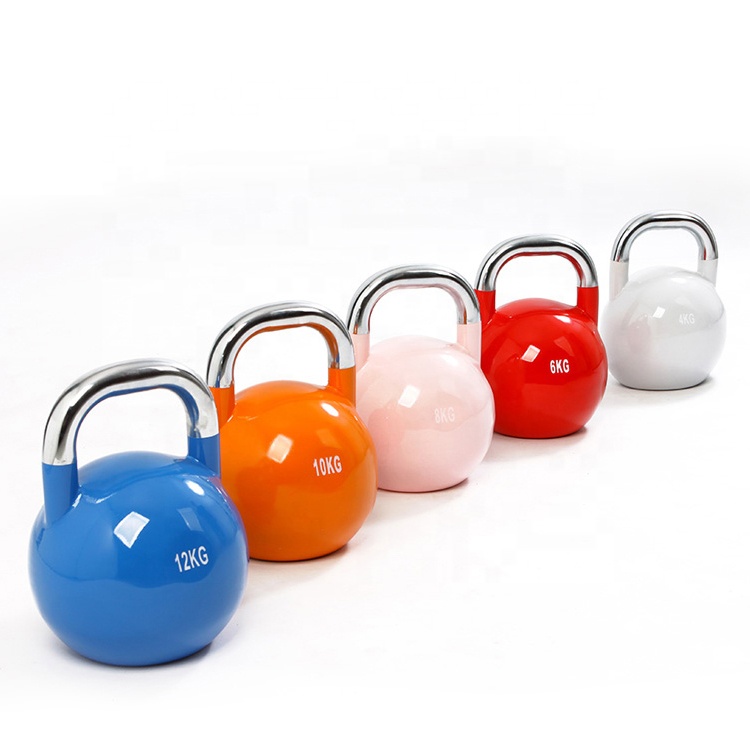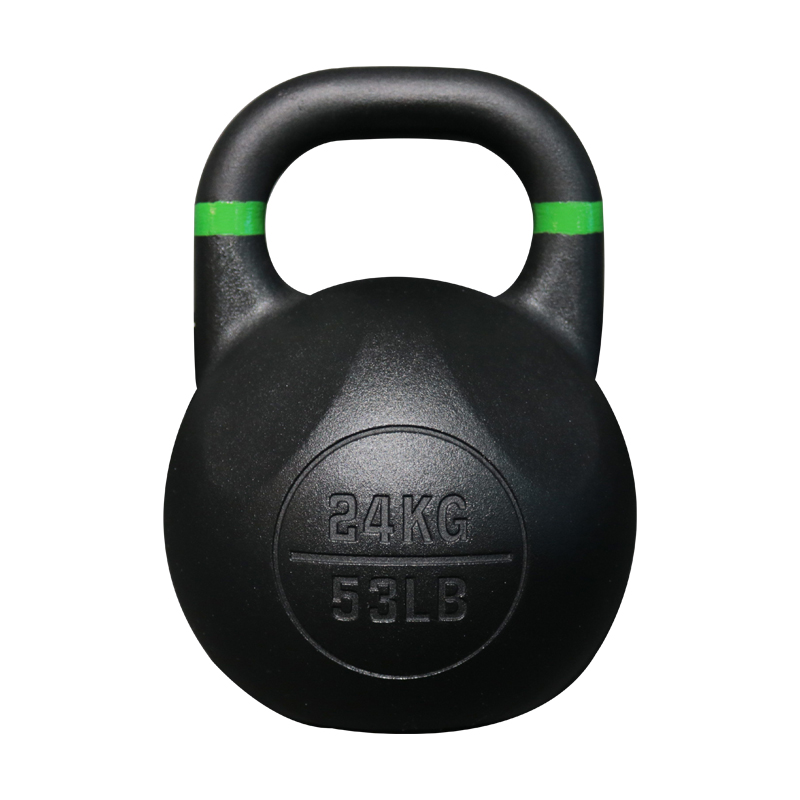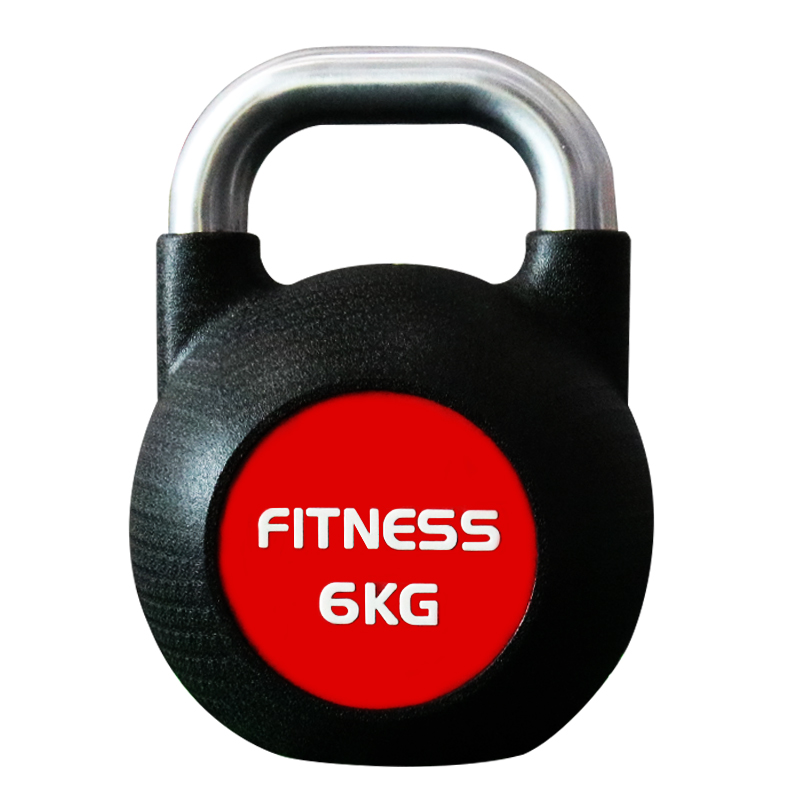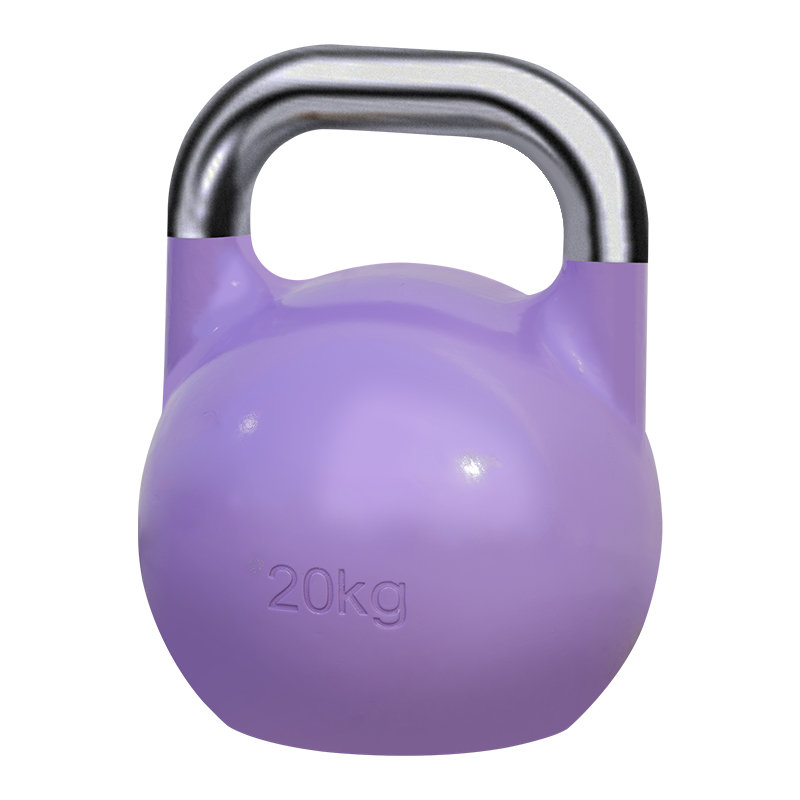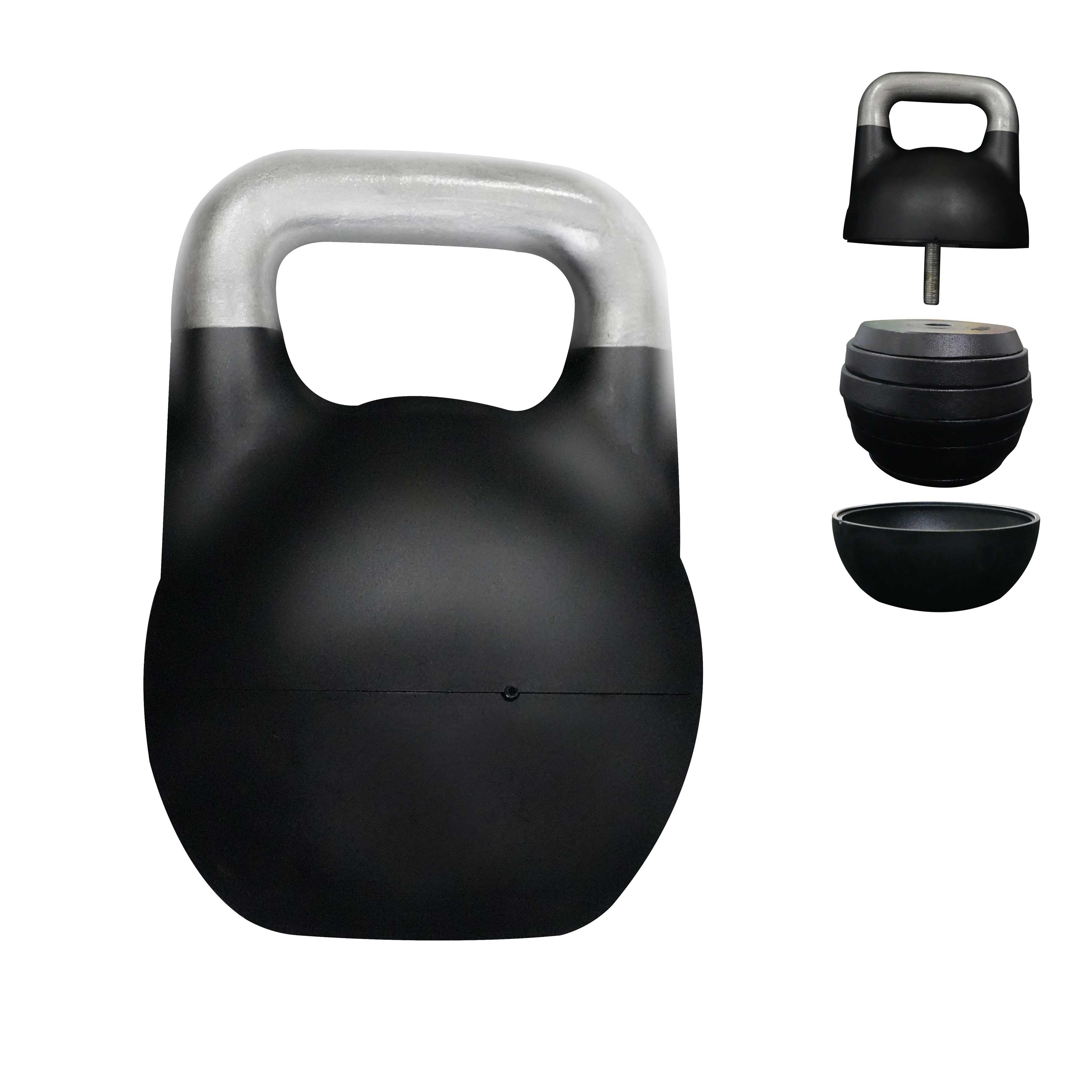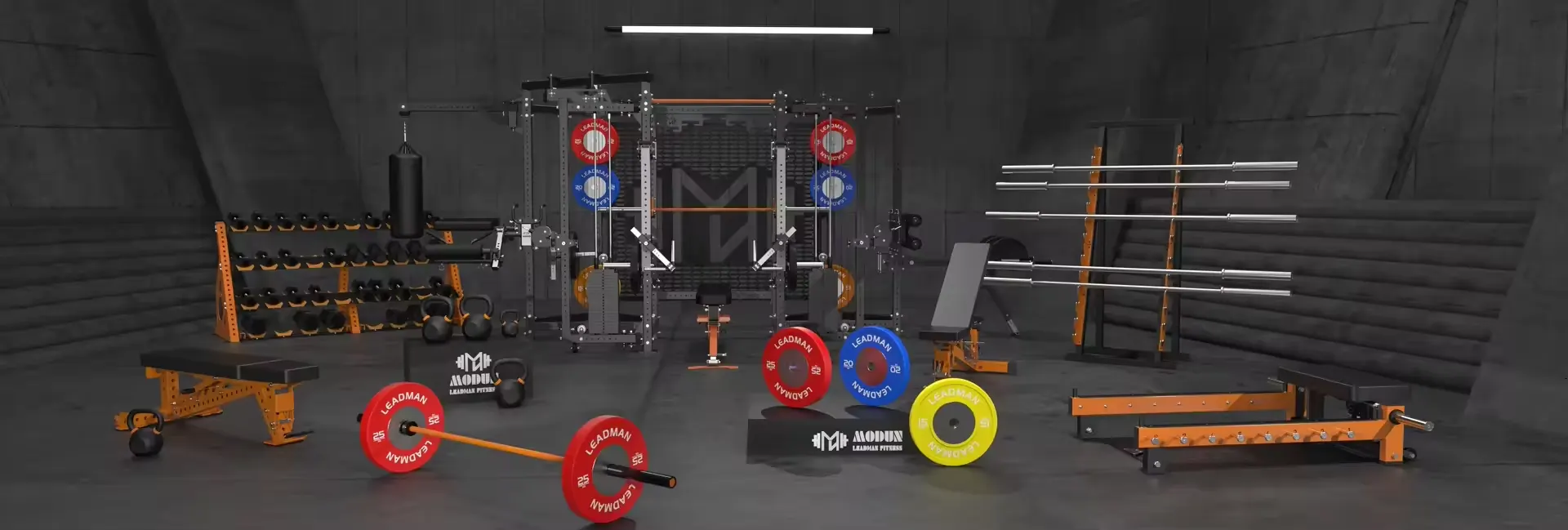
The surge in boutique fitness studios, corporate wellness programs, and specialized home gyms has fueled demand for customized kettlebells—equipment tailored beyond standard weight increments and color schemes. Unlike off-the-shelf kettlebells, which typically offer fixed weights (4kg to 48kg) and generic cast-iron or rubber-coated finishes, customized variants allow buyers to specify handle diameter, finish texture, weight increments, and even branding elements like logos or facility names. This bespoke approach addresses specific user demographics, such as athletes with smaller hands needing a 33mm handle versus the standard 35mm, or physical therapy clinics requiring unusually lightweight (2kg) kettlebells with extra-grip powder coating. Market data indicates that custom orders now represent approximately 18% of the commercial kettlebell segment, growing at 12% annually, as facilities recognize the dual benefits of enhanced user experience and distinctive brand identity. However, navigating the landscape of customized kettlebells demands a thorough understanding of manufacturing processes, lead-time considerations, quality trade-offs, and cost structures, ensuring the final product delivers both functional excellence and aesthetic value.
The mechanism behind customized kettlebells begins with the mold-making process. Most kettlebells are produced via sand casting or investment casting. Sand casting is the standard for volume production, where a pattern of the kettlebell—including its handle shape, horn curvature, and body profile—is pressed into sand to create a mold cavity. For custom orders, a new pattern must be machined from wood, metal, or resin, a process requiring 3D modeling and CNC (computer numerical control) milling, which adds a one-time tooling fee ranging from $500 to $3,000 depending on the complexity of the design and the desired surface detail. Investment casting, used for premium kettlebells, involves creating a wax pattern that is coated in ceramic to form a shell; while offering superior surface finish and dimensional accuracy, it is significantly more expensive and typically reserved for orders exceeding 500 units. The choice of material further influences the process: cast iron is the most common, providing a dense, durable product at moderate cost, while steel kettlebells (machined from solid billet) offer higher precision and a sleek aesthetic but cost 3–4 times more and are less common for custom runs due to material waste. The handle diameter is controlled by the thickness of the pattern's top loop, with variations as small as 1mm achievable through careful mold adjustment. Post-casting, each kettlebell undergoes shot blasting to clean the surface, followed by powder coating or e-coating for corrosion resistance; custom colors and textures are applied at this stage using specialized spray booths, with textured finishes requiring additional media like fine sand or rubber particles mixed into the powder.
Real-world examples illustrate the diverse applications and benefits of customized kettlebells. A high-end fitness chain in California, aiming to differentiate its six locations, ordered kettlebells with a proprietary "ergo-grip" handle featuring a subtle oval cross-section (30mm x 34mm) to reduce wrist strain during Turkish get-ups. The custom batch, weighing 8kg to 24kg, was powder-coated in the chain's signature teal with a matte finish, incorporating a debossed logo on the flat bottom. Member feedback surveys showed a 27% improvement in comfort scores and a 15% increase in kettlebell class attendance, attributing part of the engagement to the visually distinctive, "premium" feel of the equipment. Conversely, a physical rehabilitation center in Germany ordered ultra-light 2kg and 3kg kettlebells with a bright orange safety coating and a textured (sandpaper-like) grip for patients with neuropathy—a feature standard kettlebells lacked. The center reported that the combination of high visibility and secure grip reduced patient anxiety during exercises, accelerating recovery timelines by an average of 1.5 weeks for balance-related treatments. These cases underscore that customized kettlebells are not merely a branding exercise but a functional tool that can adapt to specific populations and therapeutic requirements, providing measurable outcomes that justify the premium investment.
When procuring customized kettlebells, facility managers and buyers must scrutinize several key specification areas to ensure product quality and safety compliance. The handle's cross-section shape and diameter are paramount; a standard round handle of 35mm suits most adult males, but for a mixed-gender facility, a 33mm diameter offers a comfortable compromise. The surface finish needs to be specified: powder coating provides durability and color options, while e-coating offers a thinner, more uniform layer ideal for precise weight calibration; both can be modified with grit additives for enhanced grip. Weight tolerance is another critical parameter: high-quality custom kettlebells should meet a tolerance of ±2% of the stated weight, whereas standard commercial products often allow ±3%. For competitive use or professional training, confirming the tolerances with the manufacturer is essential. The flat bottom surface must be perfectly level to prevent wobbling during renegade rows or plank holds; a minimum bottom diameter of 80mm is recommended for stability. Additionally, buyers should review the manufacturer's quality certifications, such as ISO 9001 for production processes and EN 12512 for safety standards, which ensure the kettlebell can withstand repeated drops from up to 1.5 meters without cracking or deforming. Lead times for custom orders vary widely: standard lead times range from 6 to 12 weeks, depending on mold creation and production scheduling; expedited services may reduce this to 4 weeks but incur a 20–30% cost premium. Finally, minimum order quantities (MOQs) are a key factor; most custom manufacturers require a minimum of 50 to 100 units per design, though some specialty foundries accept orders as low as 10 units at a higher per-unit price. To optimize costs, ordering a single design across multiple weight increments (e.g., 8kg, 12kg, 16kg, 20kg, 24kg) is often more economical than creating distinct designs for each weight.
Cost economics for customized kettlebells involve a multi-layered structure. The per-unit base price includes raw material (cast iron typically costs $0.80–$1.50 per kilogram at wholesale), processing, coating, and packaging. To this, one must add the non-recurring engineering (NRE) cost for mold creation and design consultation, which can be amortized over the order quantity. For example, a 500-unit order with an NRE of $1,500 adds $3 per kettlebell; for a 100-unit order, that same NRE adds $15 per kettlebell. Additional features—such as proprietary handle shapes, multi-color coatings, or laser-engraved logos—incrementally increase costs. A standard matte black kettlebell might cost $2.50–$4.00 per kilogram at order quantities of 500+, while a fully customized product with a textured grip and dual-tone paint might reach $5.00–$8.00 per kilogram. Logistics, particularly for international shipping, can add 15–25% to the total delivered cost, depending on the distance and port fees. To manage these costs effectively, buyers should request a detailed breakdown of the quote, including tooling, sampling (a pre-production prototype), production, and freight, and compare these across at least three suppliers. For facilities planning a phased rollout, it may be beneficial to spread the NRE across multiple purchase orders, though this requires negotiation with the manufacturer. Ultimately, while the upfront investment for customized kettlebells is higher than standard options—often 30–60% more per unit—the benefits in branding, user engagement, and functional specificity can deliver a compelling return on investment, particularly for facilities that rely on a unique training identity to attract and retain members.
Beyond the physical and financial aspects, the decision to invest in customized kettlebells involves strategic considerations about future-proofing and sustainability. When designing the kettlebell, consider the longevity of the finish and the potential for rebranding; opting for a durable powder coating with UV inhibitors prevents fading over years of use, while a removable sleeve or adhesive logo patch could allow for future facility rebranding without scrapping the entire set. Sustainability is another growing consideration: some manufacturers offer take-back programs that recycle retired kettlebells into new products, reducing waste and aligning with green initiatives—a factor that can be highlighted in marketing to eco-conscious clients. Additionally, smart customization is emerging, where embedded sensors (such as accelerometers and force gauges) are integrated into the kettlebell's base for real-time feedback on swing velocity and power output; while currently a niche feature, it points to the future direction of customized equipment. For most facilities, the immediate focus should be on ergonomics, aesthetics, and durability, as these dimensions deliver the most tangible benefits to end-users. Engaging with a manufacturer that has in-house design capability can streamline the process, ensuring that the custom specifications are feasible and that the final product meets the rigorous demands of daily gym use. By carefully weighing these factors, fitness professionals can leverage customized kettlebells to create a distinctive, high-quality training environment that resonates with their clientele and withstands the test of time.
Let our experts design the perfect gym solution for your business. Get a free consultation and quote today.