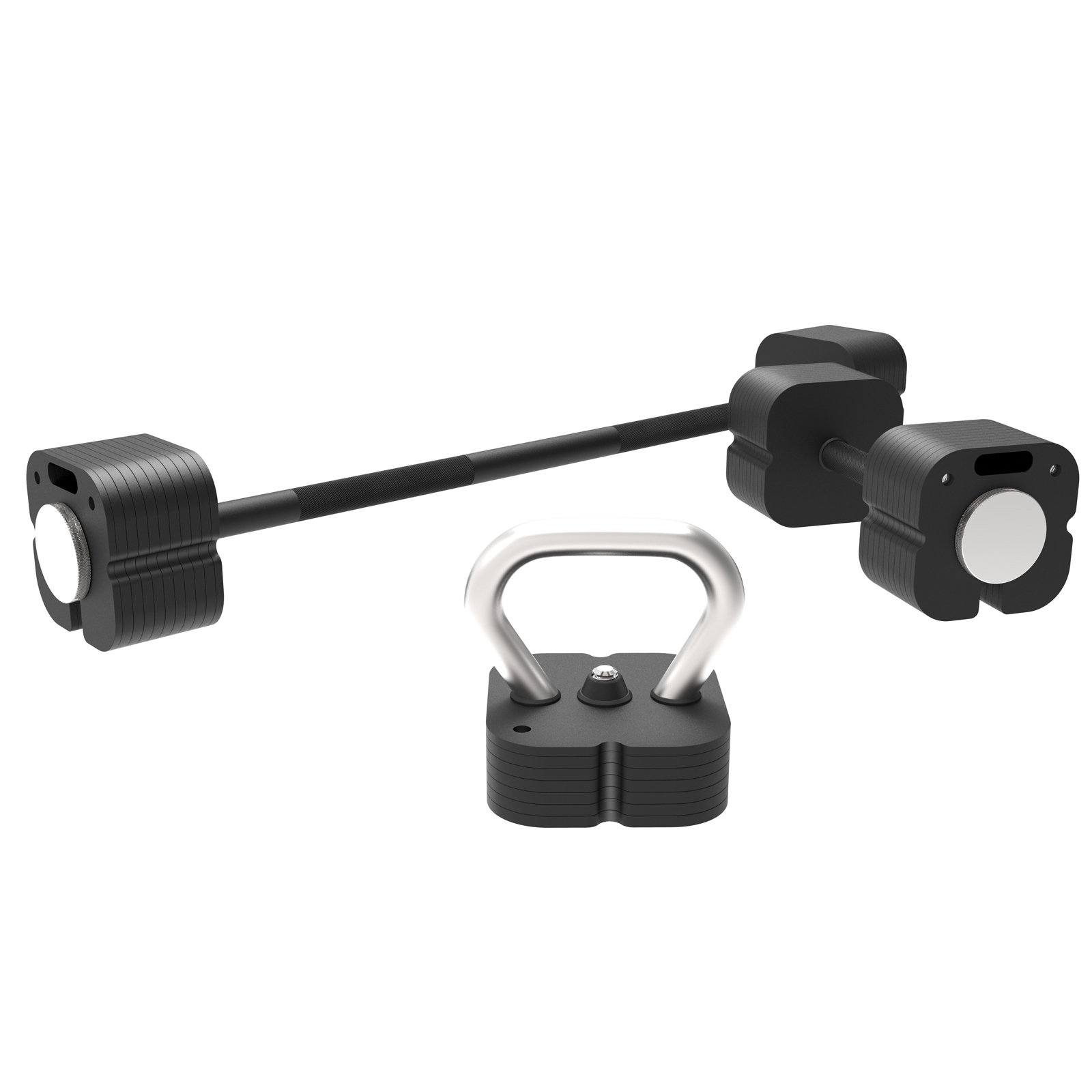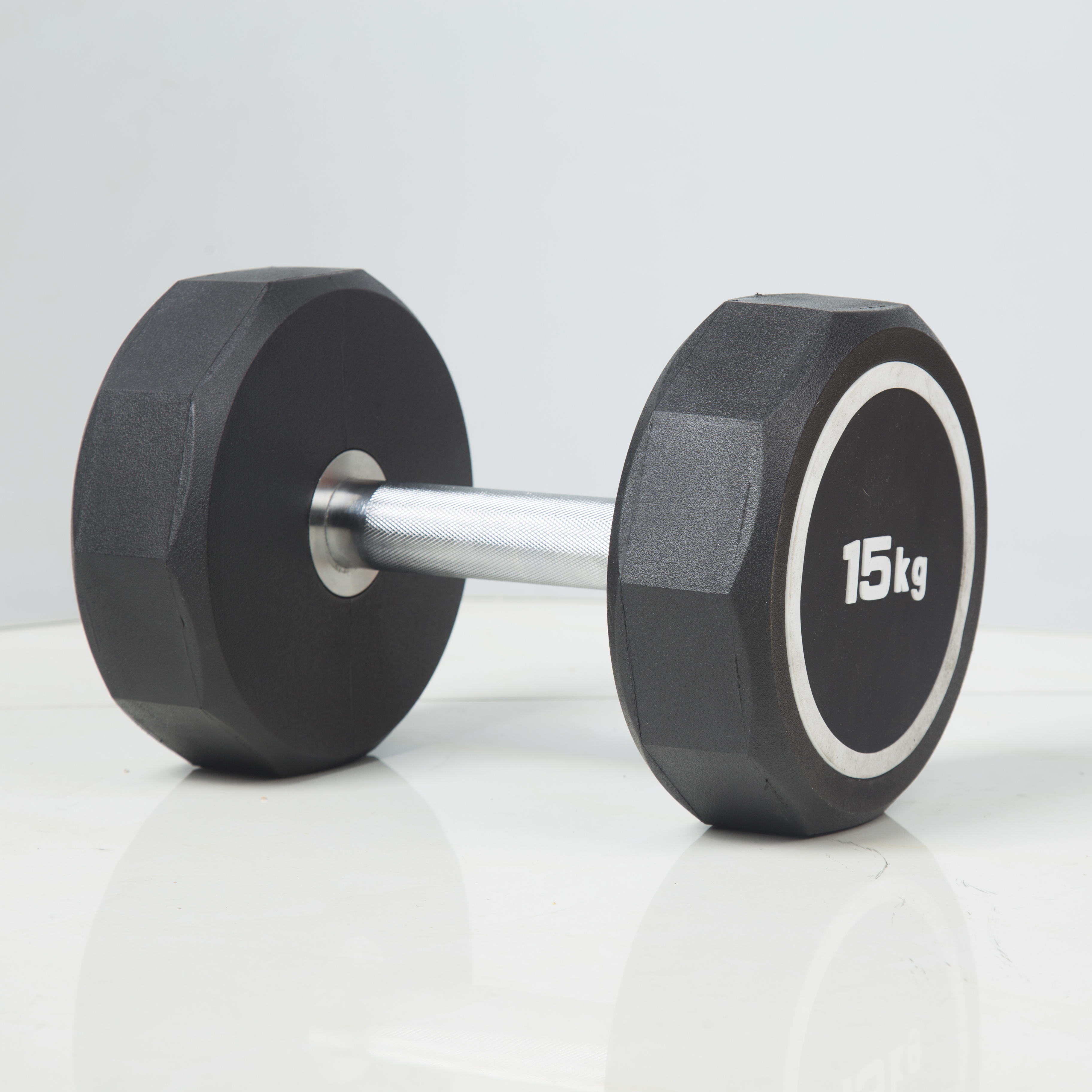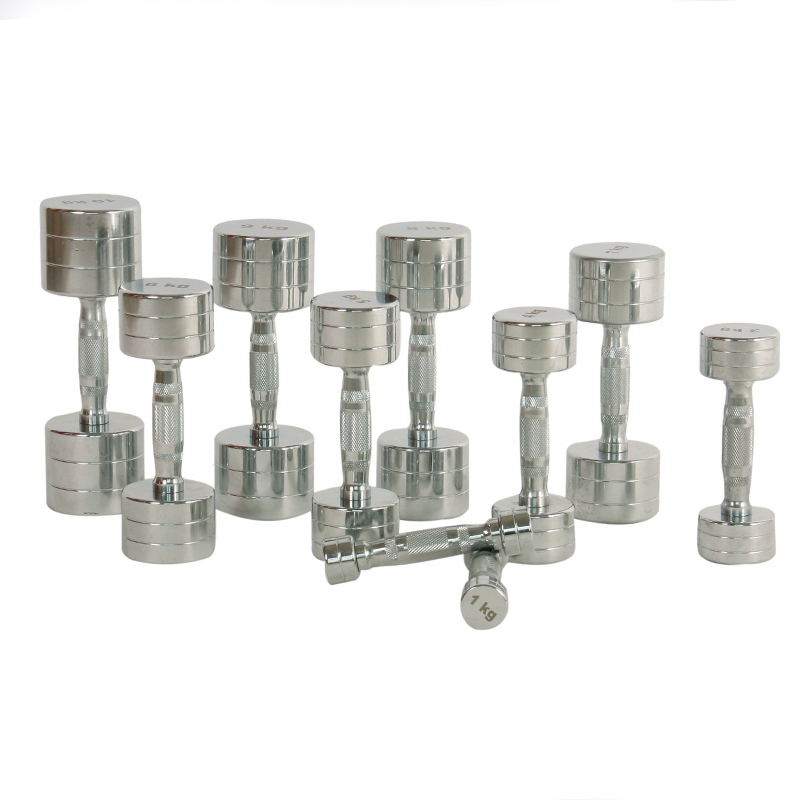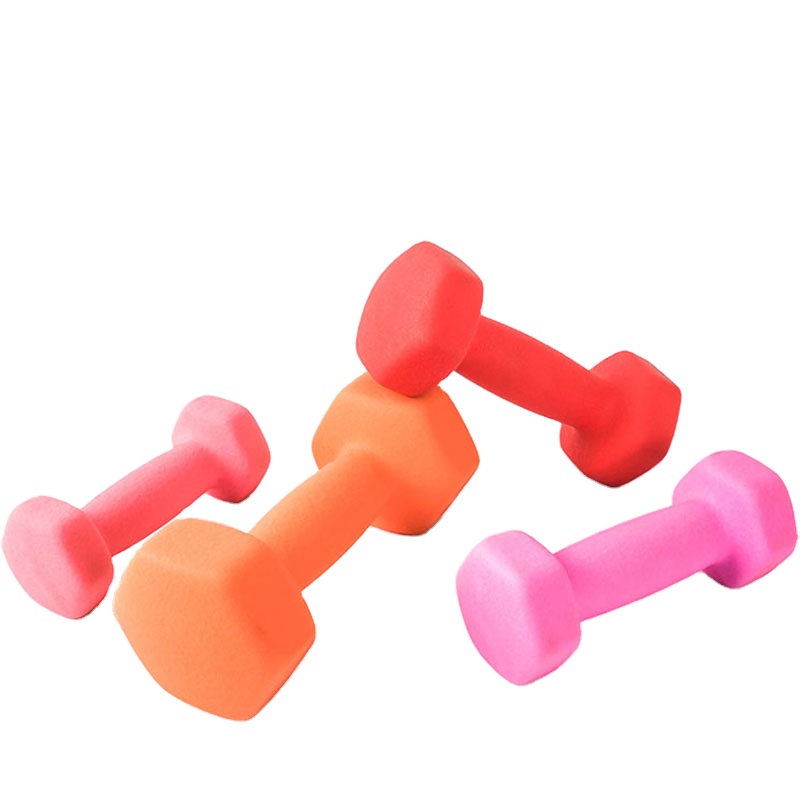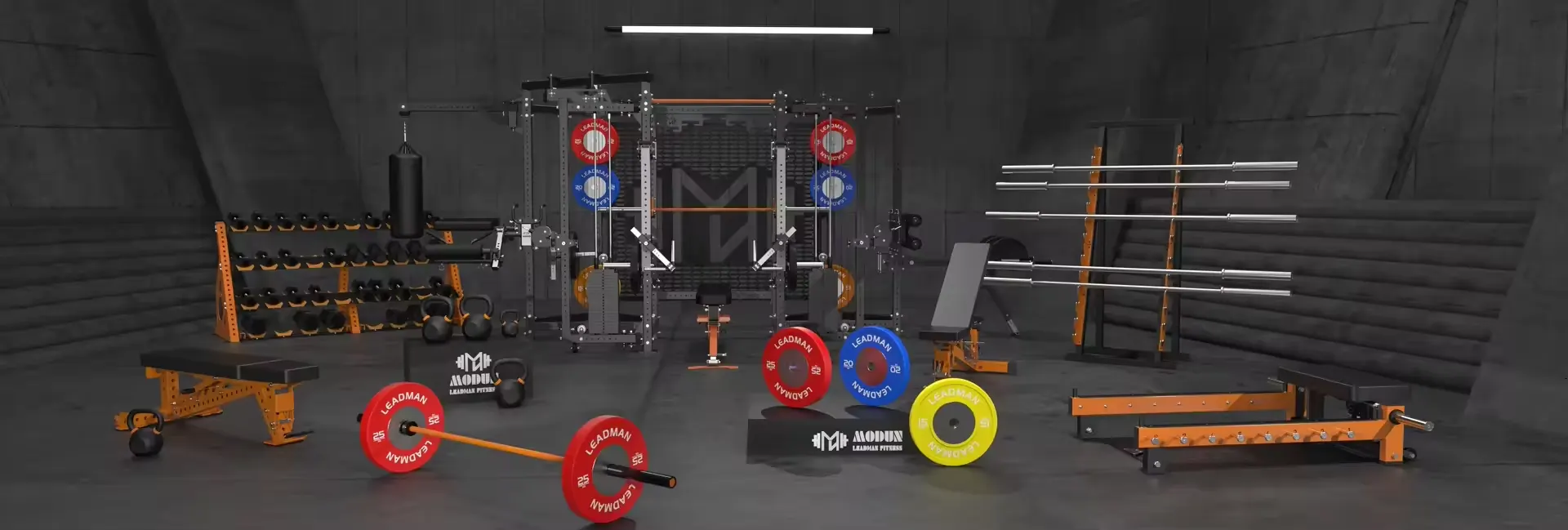
The emergence of custom concrete dumbbells represents a paradigm shift in how fitness equipment is conceptualized, manufactured, and marketed. Moving beyond the standard cast-iron and rubber-coated options that have dominated commercial gyms for decades, concrete-based solutions offer an intriguing blend of affordability, sustainability, and personalization. These custom concrete dumbbells are not merely a cost-saving alternative; they embody a return to functional, ground-level fitness aesthetics that resonate with boutique studios, eco-conscious operators, and cross-training facilities seeking distinctive branding opportunities. The raw, industrial look of concrete pairs surprisingly well with modern gym interiors, offering a tactile authenticity that chrome and urethane often cannot replicate.
The manufacturing process for concrete fitness equipment demands rigorous material engineering to meet commercial performance standards. High-grade concrete mixes incorporate polymer additives, fiber reinforcement, and precisely graded aggregates to achieve compressive strengths exceeding 6,000 PSI—a necessary threshold for withstanding repeated impacts and dynamic loading cycles. This is significantly more robust than standard construction-grade concrete. The concrete dumbbell manufacturer must also employ advanced casting techniques, using vibration tables to eliminate air pockets and ensure consistent density throughout the weight head. This meticulous attention to material science results in a dumbbell that, contrary to common assumptions, does not crumble or chip under regular commercial use. For custom weight plate applications, the same high-performance concrete is often combined with steel inserts for the handle core, ensuring the critical connection between the bar and the weight heads remains secure and failsafe.
One of the most compelling advantages of concrete is the unparalleled level of customizable gym equipment it offers. Unlike metal or rubber, concrete can be poured into virtually any mold shape, allowing for completely unique dumbbell geometries that can incorporate facility logos, intricate design patterns, or even color-dyed finishes. This capability transforms a functional weight into a piece of branded decor. For commercial facilities, this presents a powerful opportunity to differentiate themselves, creating a cohesive visual identity that extends from the front desk to the weight floor. Bulk procurement of custom concrete dumbbells also offers significant logistical advantages. The raw materials—sand, gravel, cement, and water—are globally abundant and inexpensive, reducing dependency on volatile steel markets and long international supply chains. This often translates to more stable pricing and shorter lead times for large orders, a compelling factor for fitness franchise owners who need to equip multiple locations quickly and consistently.
From a sustainability perspective, the carbon footprint of concrete manufacturing is increasingly being addressed through the use of supplementary cementitious materials like fly ash or ground granulated blast-furnace slag. These industrial byproducts not only reduce the environmental impact of the concrete but also enhance its long-term durability, making custom concrete dumbbells a viable choice for facilities pursuing green building certifications like LEED. The user experience, too, offers distinct tactile benefits. The slightly textured surface of high-quality concrete provides a secure, non-slip grip without the need for aggressive knurling, reducing callus formation and enhancing comfort during high-volume workouts. However, it is crucial for facility managers to ensure that concrete surfaces are properly sealed with a penetrating or topical sealant to resist moisture absorption from sweat and cleaning agents, preserving both hygiene and structural integrity over years of service.
Let our experts design the perfect gym solution for your business. Get a free consultation and quote today.