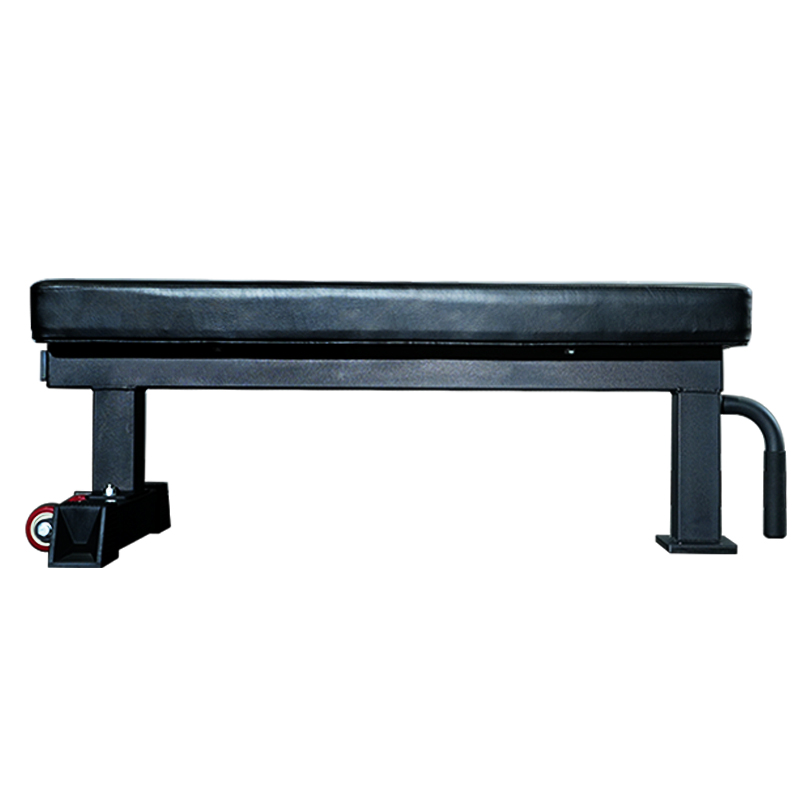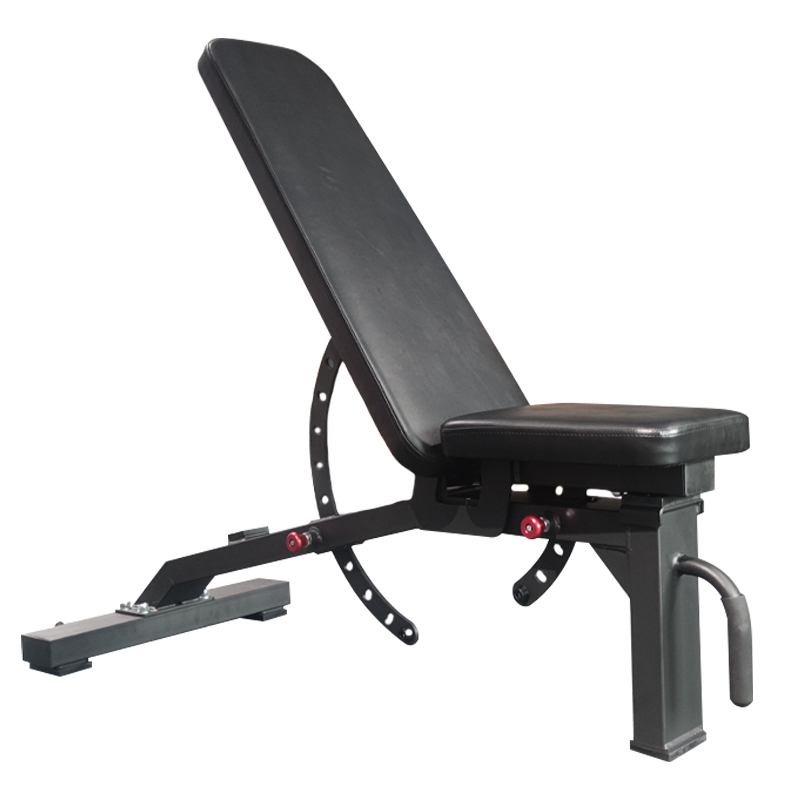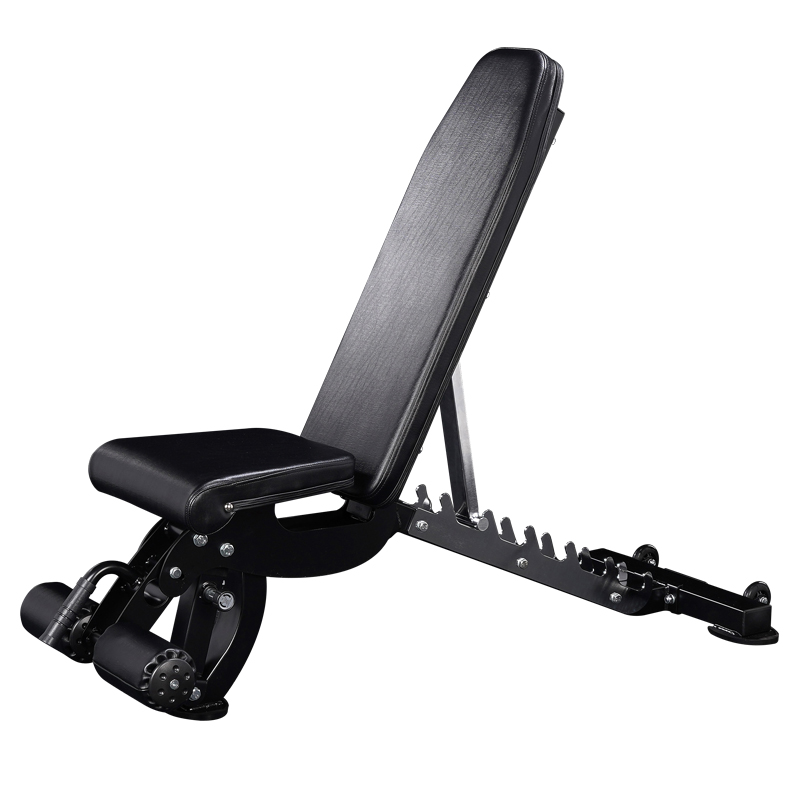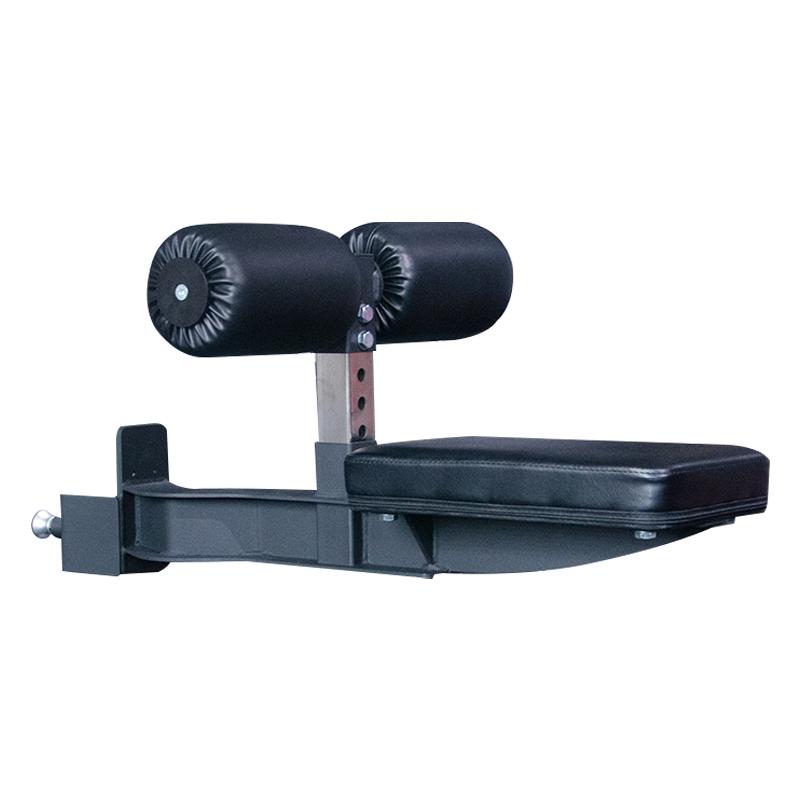
A commercial Roman chair is a hyperextension bench designed for posterior chain development—specifically erector spinae, glutes, and hamstrings—in institutional fitness settings. Unlike home-grade or basic hyperextension benches, commercial units feature heavy-gauge steel frames (11-gauge or 3mm minimum), wider base footprints for stability, adjustable front pad and footplate configurations, and commercial-grade upholstery (30,000+ double rubs) with high-density foam (4-6 lb/cu ft) that maintains shape under daily loading from 200+ users.
The biomechanical distinction of a commercial Roman chair centers on pad adjustability and pivot angle. Premium models offer independent thigh pad and ankle pad adjustment—allowing users from 4'10" (147cm) to 6'4" (193cm) to position pads at 45-60% of femur length, the optimal pivot point for hip flexion. The angle of the mainframe (typically fixed at 45-60 degrees) determines resistance curve; steeper angles (closer to 60°) increase hamstring engagement; shallower angles (45°) shift emphasis to glutes. Budget units lack independent adjustments, forcing suboptimal biomechanics for taller or shorter users.
Industry data from equipment maintenance logs (2024 analysis of 280 commercial facilities) indicates that pad wear is the most frequent Roman chair failure, with 47% of service calls related to torn vinyl or compressed foam. High-use facilities (500+ weekly hyperextensions) require replacement every 3-4 years for commercial-grade pads versus 12-18 months for home-grade. Second most common failure: footplate detachment on units with welded rather than bolted designs—bolted footplates allow replacement, welded plates require entire frame replacement when bent or cracked. Facilities using weight-holder attachments (plate-loaded hyperextension) reported 2-3x higher frame fatigue, particularly at the base-to-upright junction.
For buyers selecting a commercial Roman chair, prioritize biomechanical range of motion and user accommodation. Test the hip pad placement: the pad should sit at the natural hip crease when the user is positioned face-down; excessive thigh pad extension or retraction indicates poor adjustability. Verify footplate angle and traction: 15-30° angled plates with diamond plate or rubberized texture prevent foot slip during heavy reps. Assess maximum user weight rating: true commercial units should support 350-500 lbs plus additional 100-200 lb plate loading via weight horns. Check floor anchoring requirements: heavier commercial Roman chairs (80-120 lbs) often include rubber feet for static stability; lighter units require bolt-down for safety. For facilities with diverse clientele, choose models with gas-assist or spring-loaded pad adjustments (vs threaded pop-pin) for faster setting changes between users. Expect to pay $600-1,200 for true commercial Roman chairs; sub-$400 units use lighter-gauge steel, fixed or limited adjustability, and shorter expected lifespans (2-3 years vs 10-15 years for commercial grade).

Let our experts design the perfect gym solution for your business. Get a free consultation and quote today.