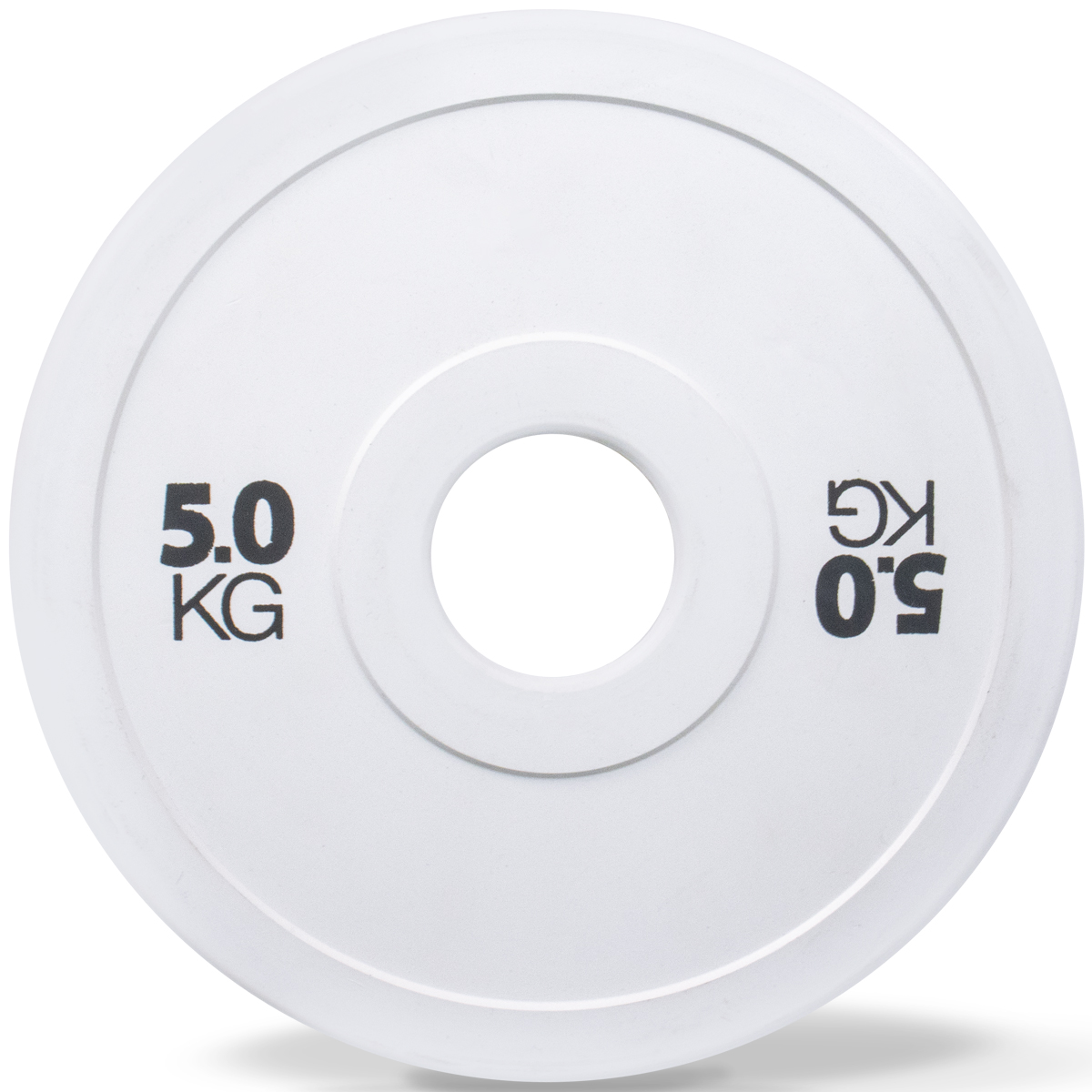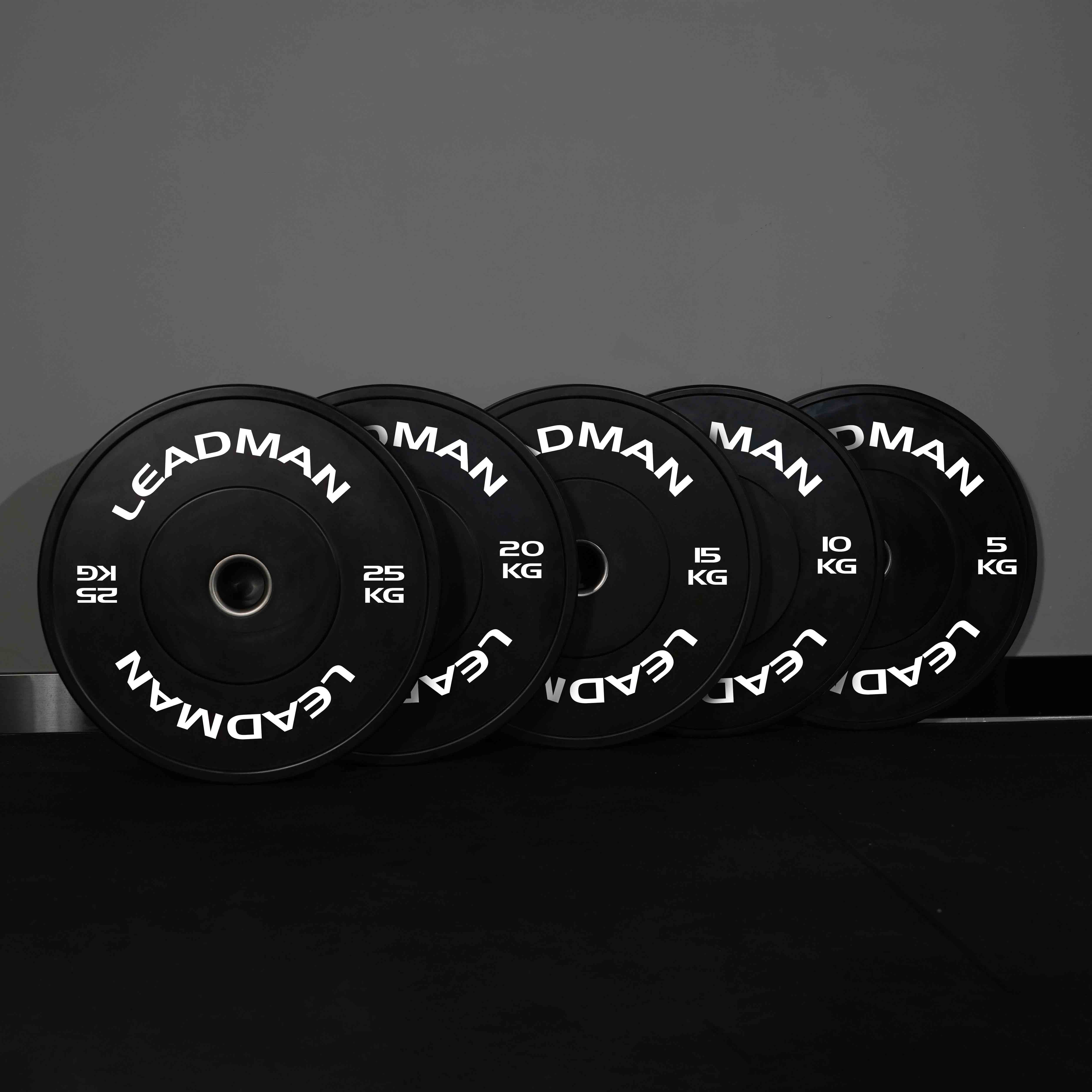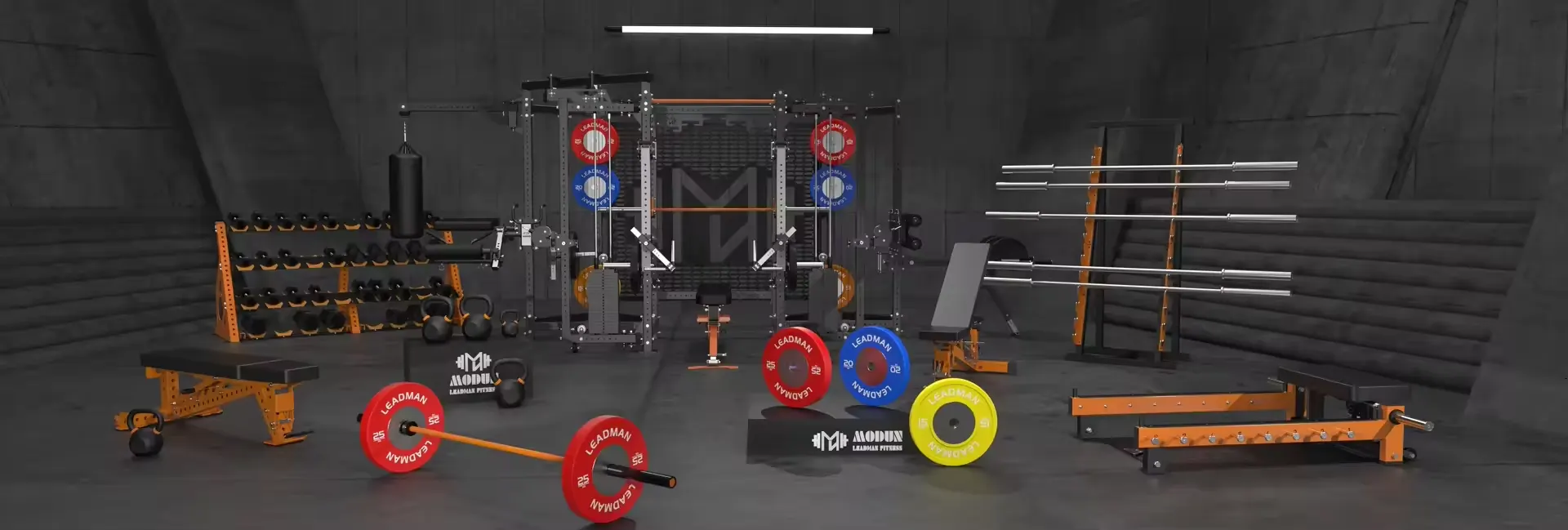
In the high-octane environment of a commercial gym, the selection of weight plates is a critical decision that influences not only the safety and performance of the athletes but also the operational efficiency and longevity of the facility. Commercial gym weight plates must endure the relentless demands of a busy training floor, from the shock of dropped barbells during Olympic lifts to the constant loading and unloading by multiple users throughout the day. The materials, construction, and design of these plates are therefore engineered to withstand such rigorous conditions, providing a reliable and consistent training tool that can be trusted by athletes of all levels.
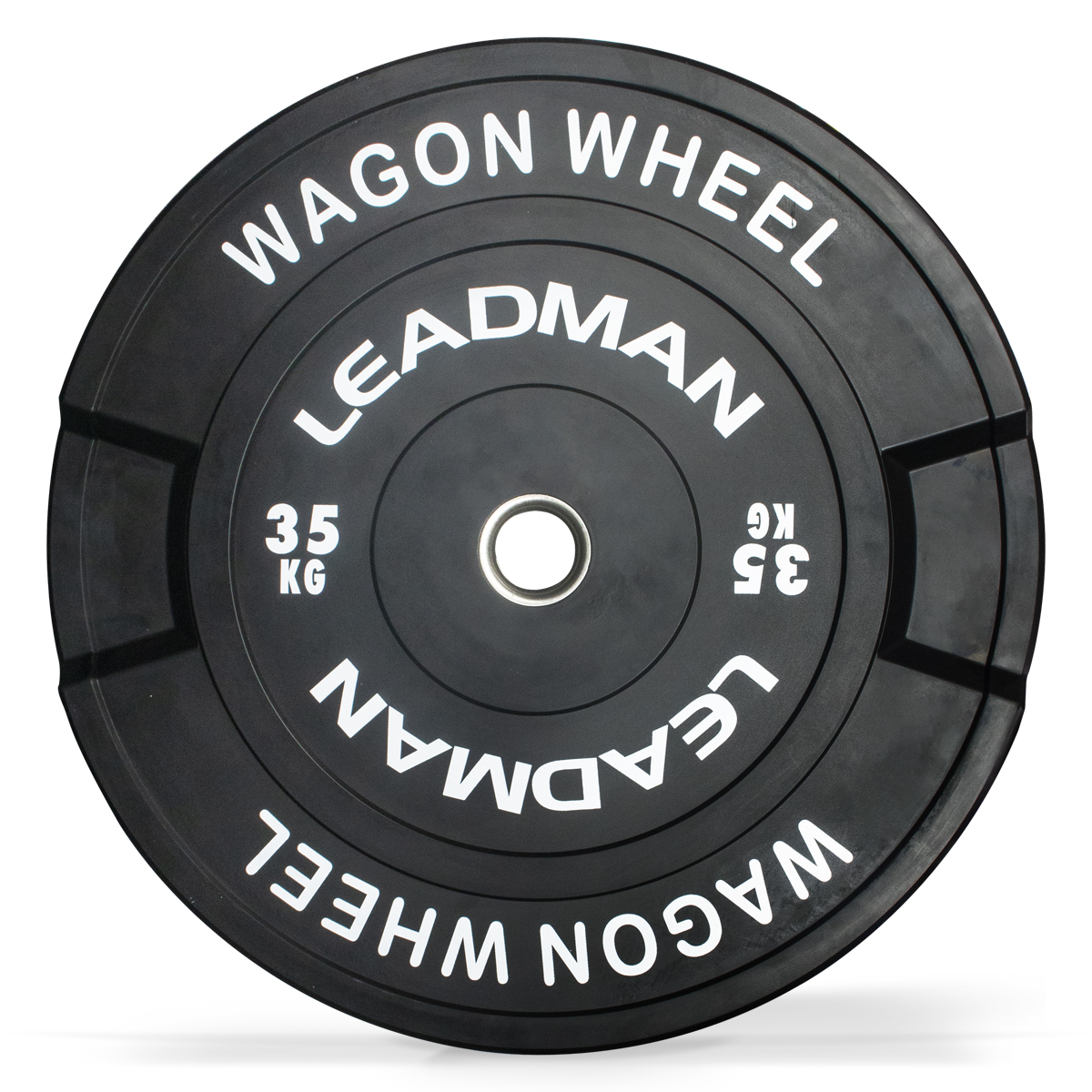
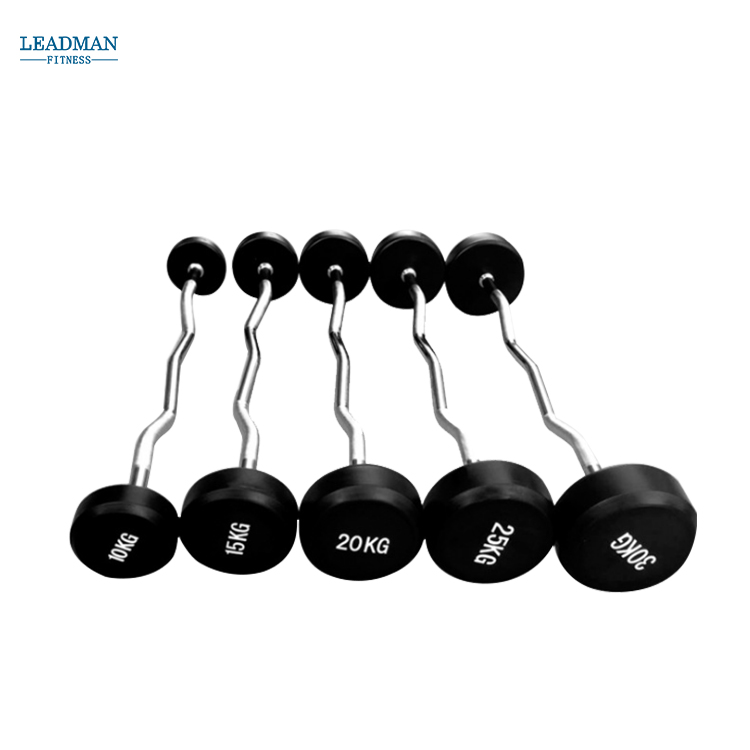
High-quality commercial plates are typically manufactured from durable rubber compounds, such as virgin or recycled rubber, or from robust urethane, offering distinct advantages. Rubber plates are a staple in most commercial gyms due to their excellent impact absorption, which protects the floor and reduces noise—a crucial consideration for facilities operating in shared or multi-story buildings. Urethane plates, a premium option, offer even greater durability and resistance to chipping and environmental factors, such as humidity and temperature fluctuations. The composition of the plate directly affects its bounce rate, which must be low enough to prevent dangerous recoil during dynamic lifts.
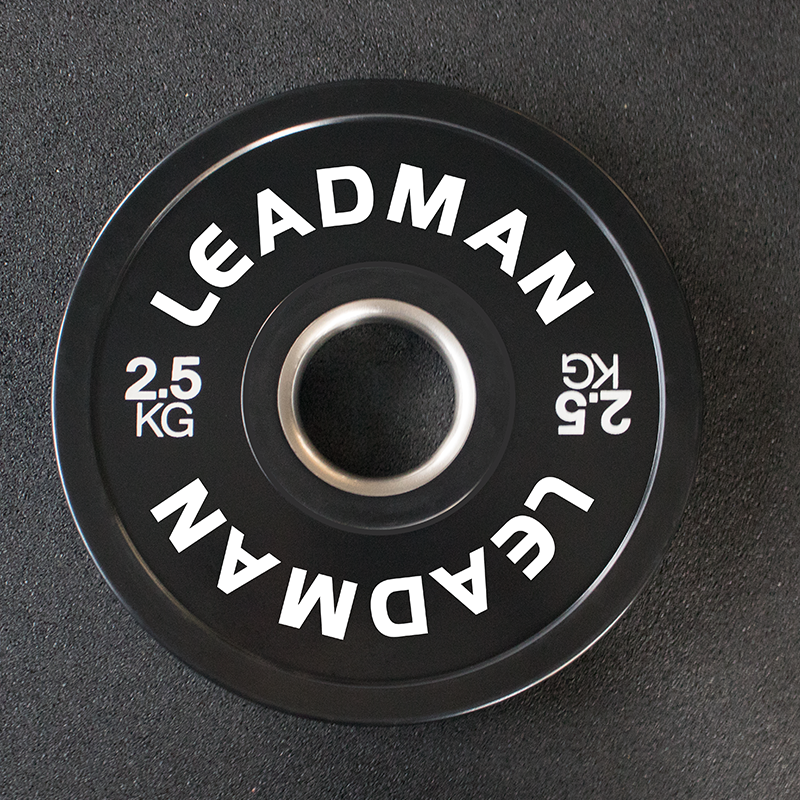
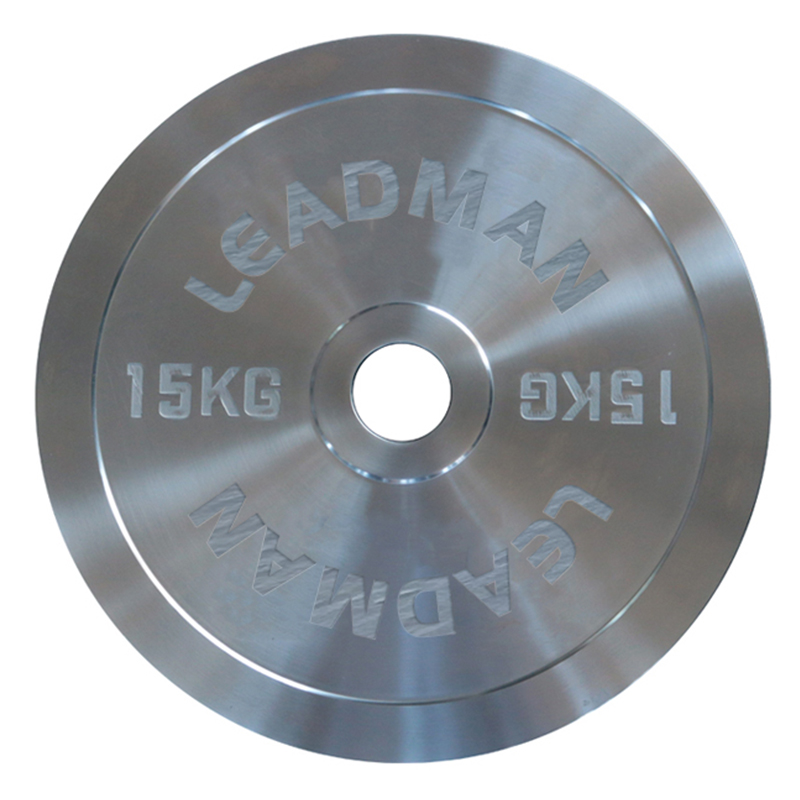
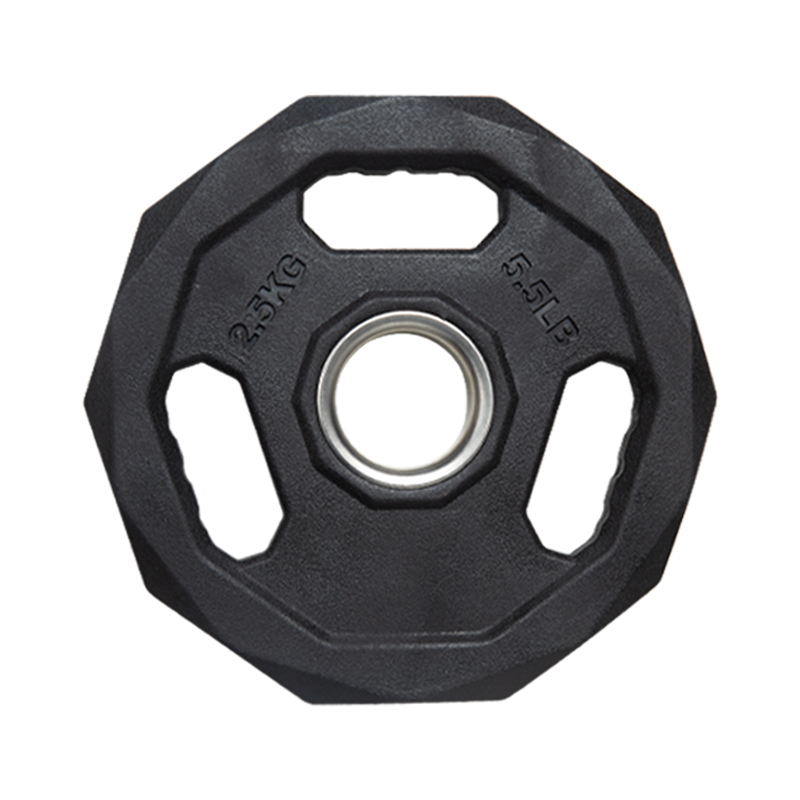
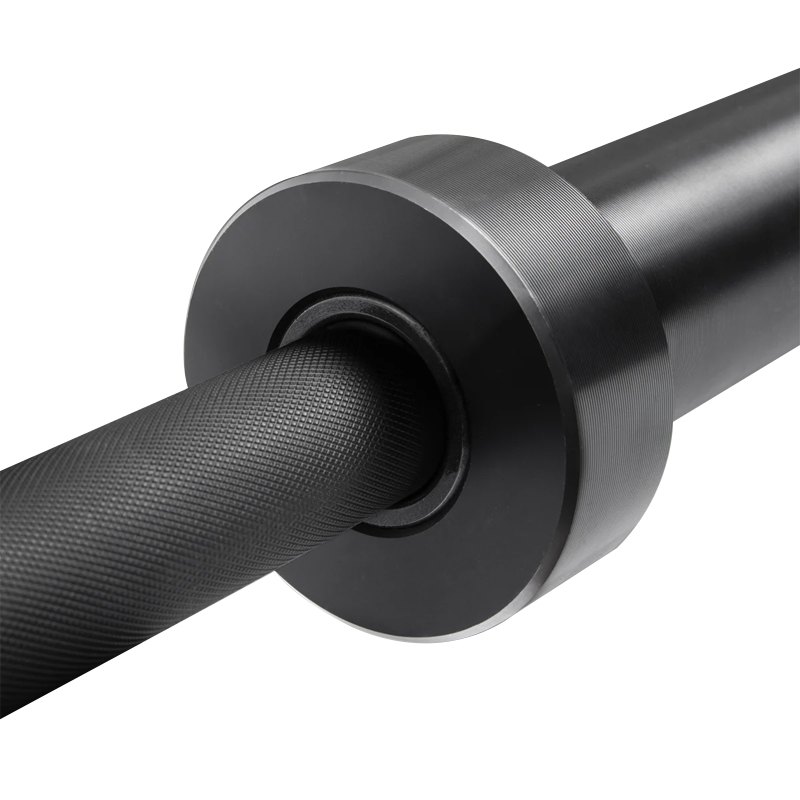
The construction of commercial weight plates also focuses heavily on the precision and durability of the steel hub insert. The hub is engineered to provide a secure and precise fit on the barbell sleeve, minimizing wobble and preventing damage to both the plate and the barbell. A tight-fitting hub reduces wear on the barbell's knurling and ensures that the plates remain securely in place, even during complex, high-velocity lifts. This attention to detail enhances safety, as a loose-fitting plate can shift during a lift, potentially causing the lifter to lose balance or control.
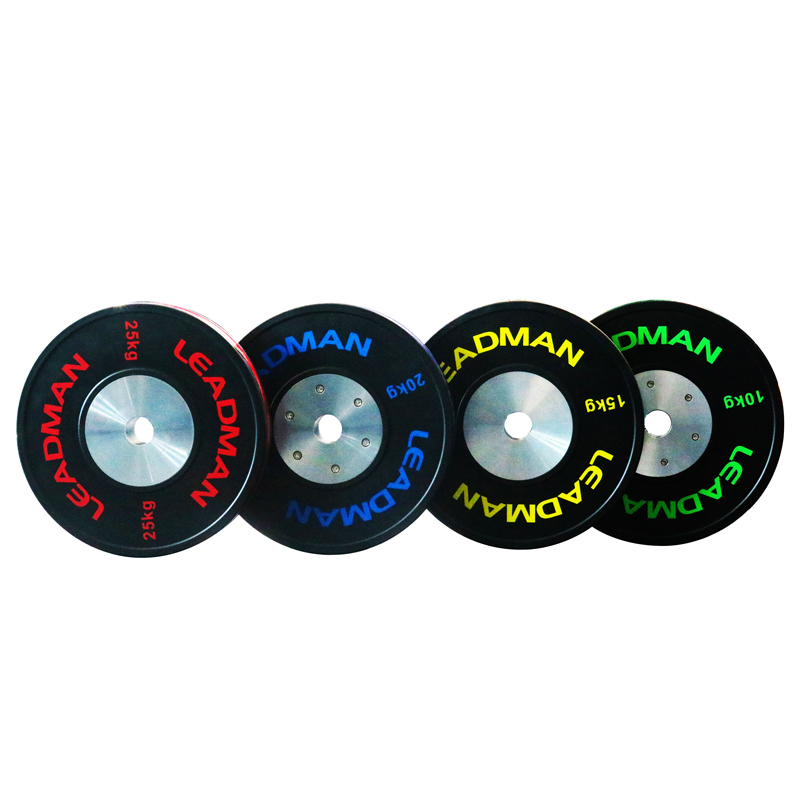
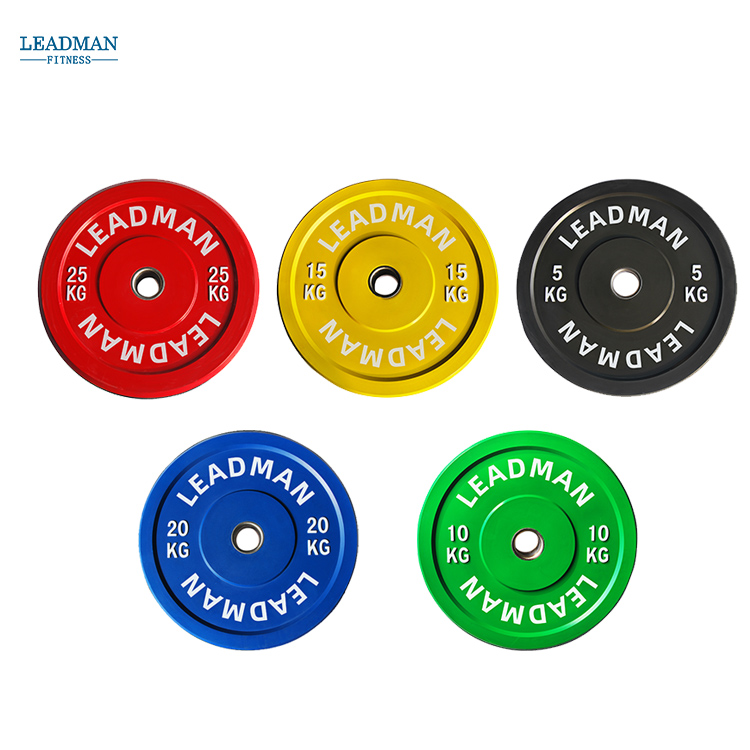
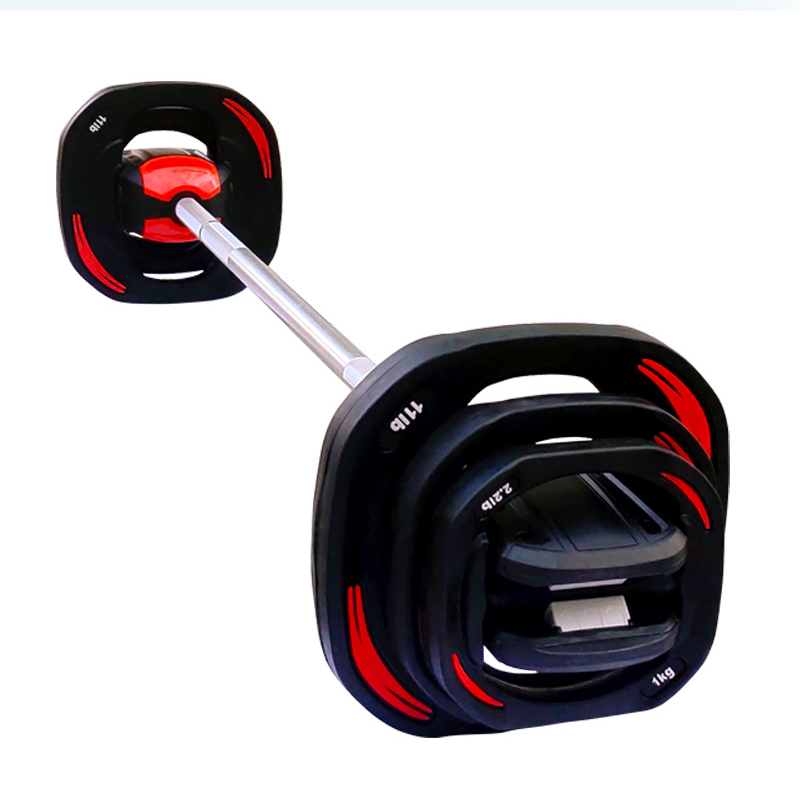
From a logistical perspective, commercial gym weight plates are designed for efficient storage and handling. Features such as raised side lips allow for easier gripping when loading and unloading, a small but significant detail that improves workflow and user safety. Color-coding, often standardized by weight (e.g., 15kg blue, 20kg yellow), facilitates quick identification, reducing the time spent searching for the correct plates and improving the pace of the workout. For commercial facilities, these features contribute to a more organized and efficient training environment, enhancing the overall member experience.
The investment in commercial gym weight plates is a long-term commitment to safety, performance, and member satisfaction. High-quality plates retain their aesthetic appeal and performance characteristics even after years of intensive use, contributing to the gym's professional image and reinforcing its commitment to quality. By prioritizing durability and user-centric design, commercial facilities can ensure they are providing a training environment that supports the goals of their members and fosters a culture of strength and excellence.