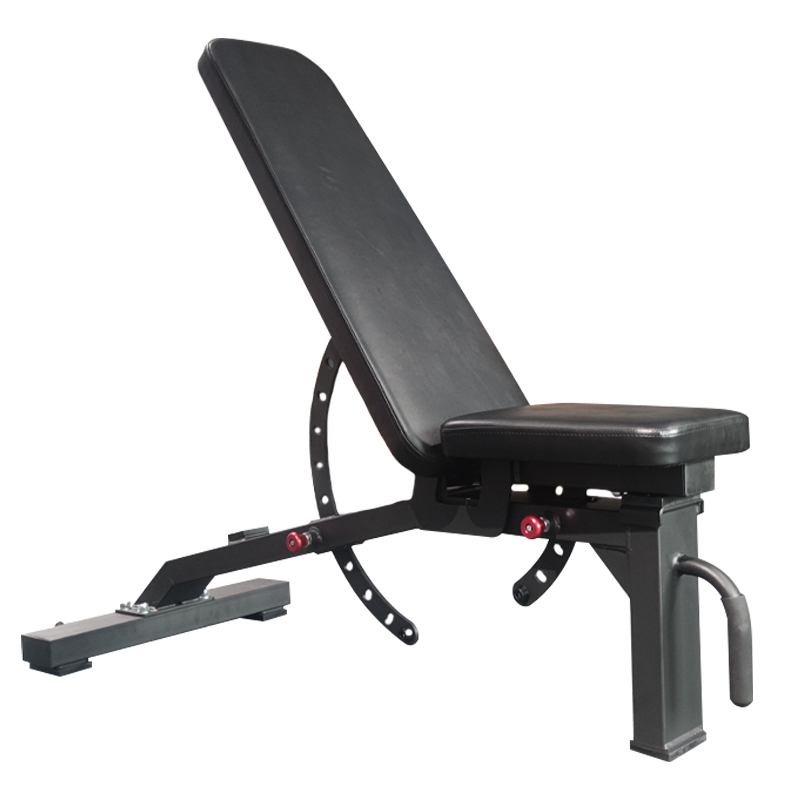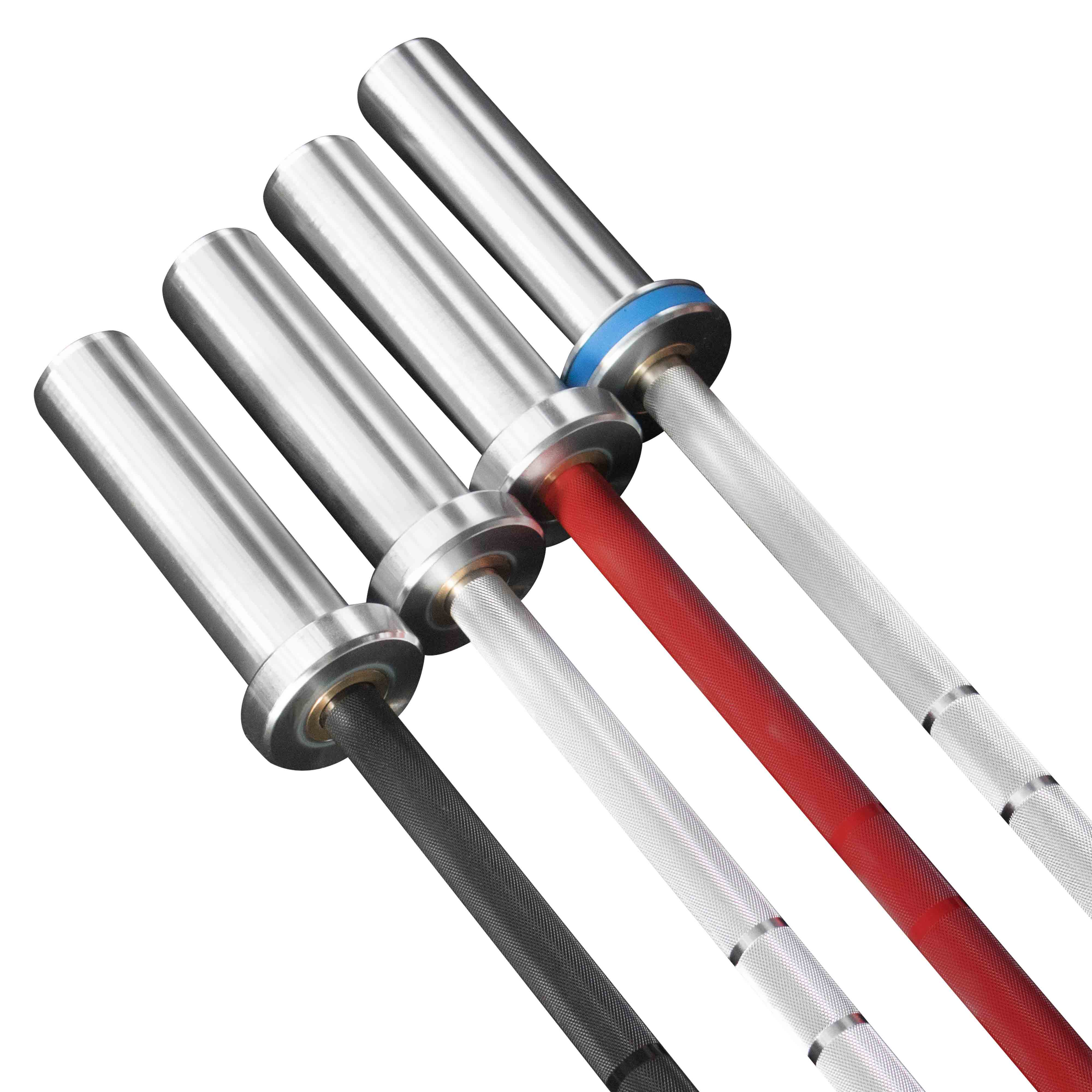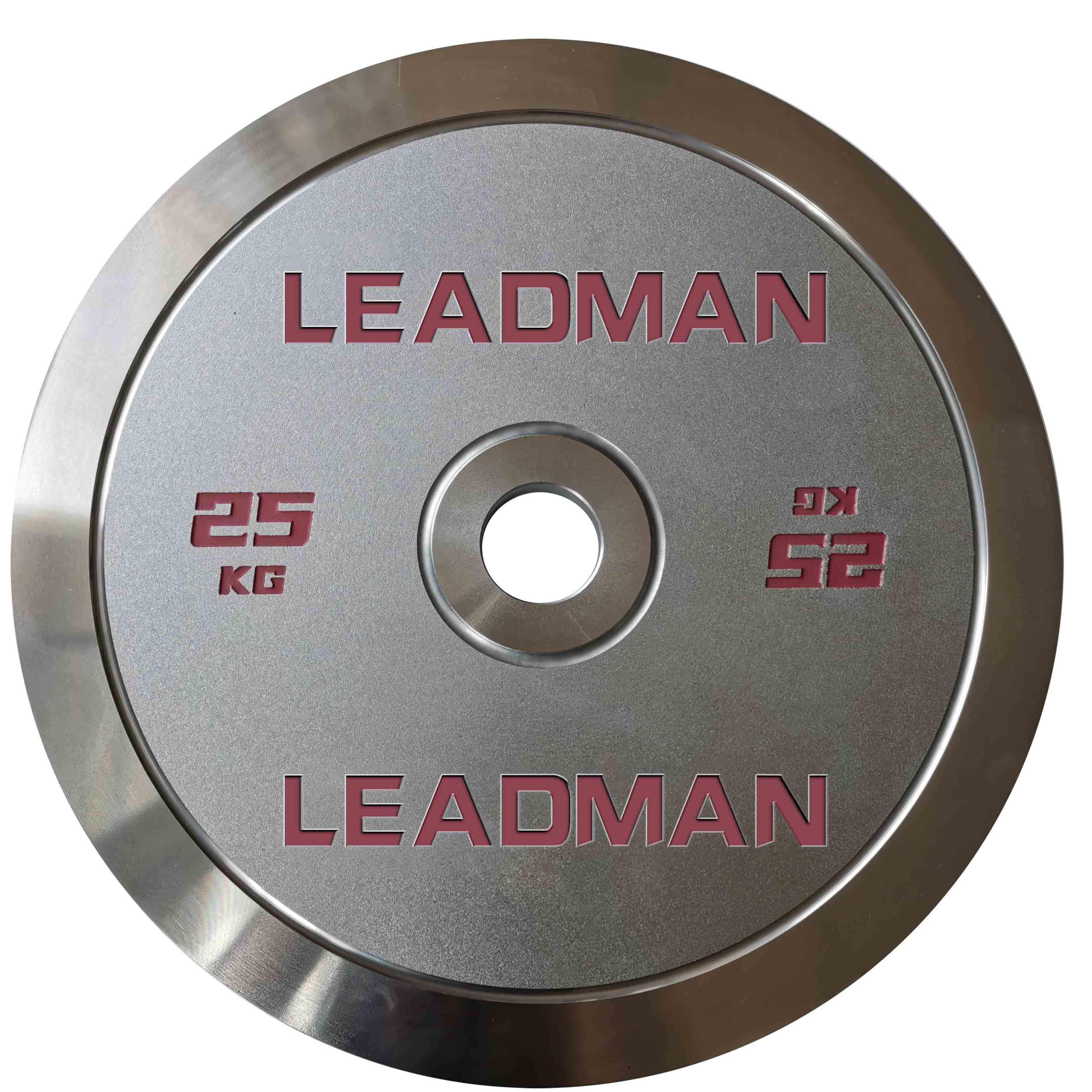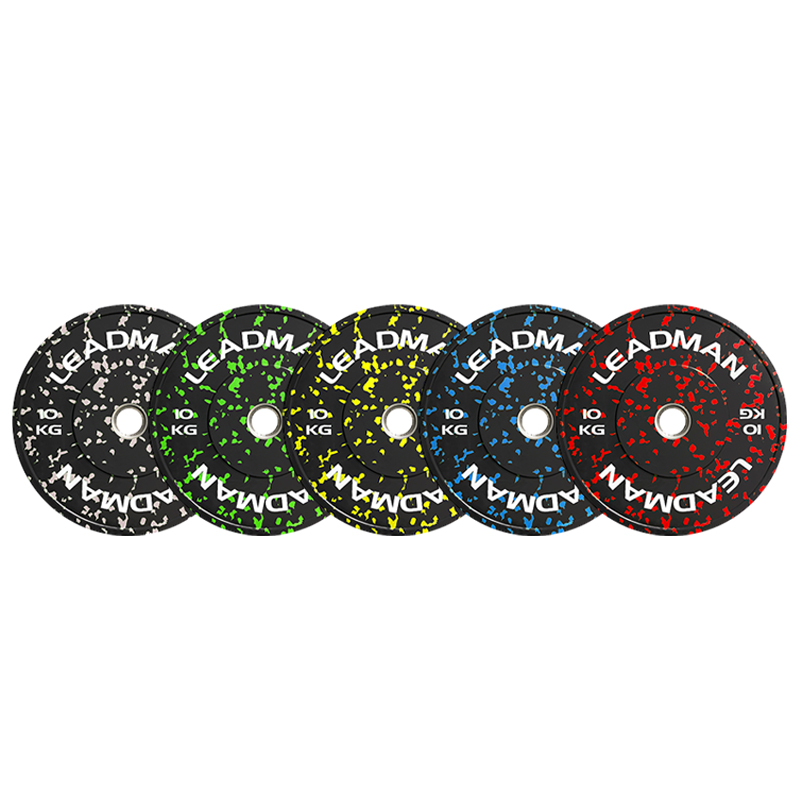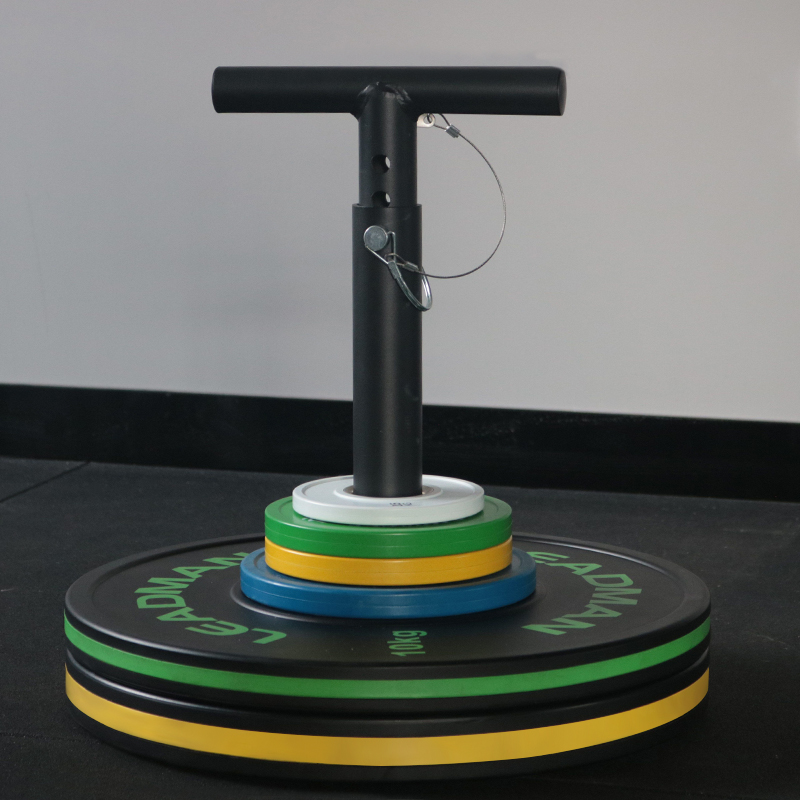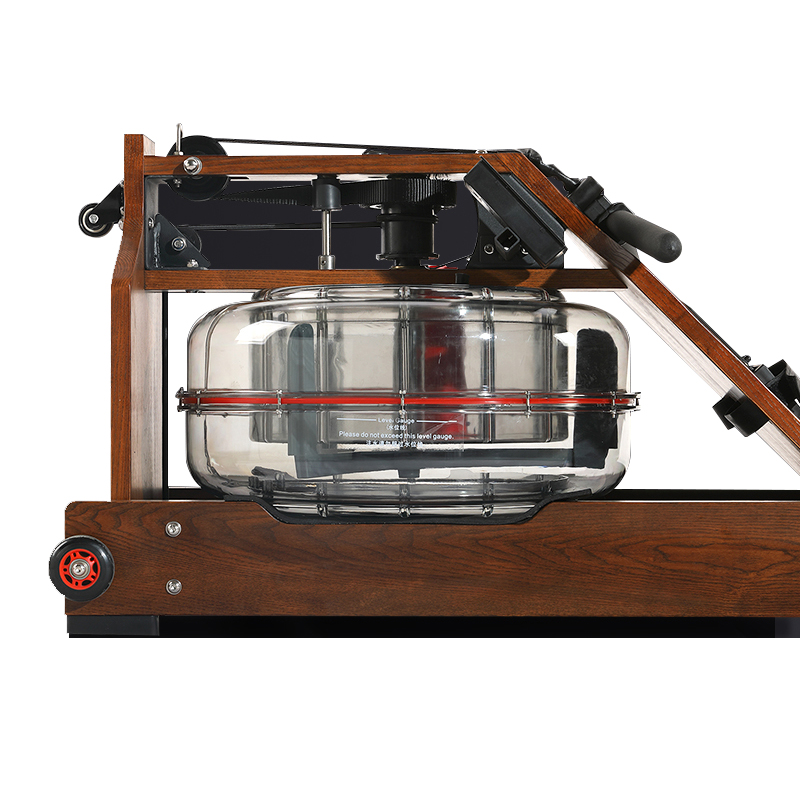
Establishing a high-performance fitness facility requires a rigorous analysis of Capital Expenditure (CAPEX). Unlike residential fitness setups, commercial installations involve complex variables such as equipment durability, heavy-duty engineering requirements, and logistical overheads. This guide provides a structural framework for estimating total investment costs across various facility models.
Core Cost Drivers in Equipment Procurement
The primary component of a gym budget is the equipment tier. Selection is typically divided into three categories:
Facility Infrastructure and Specialized Flooring
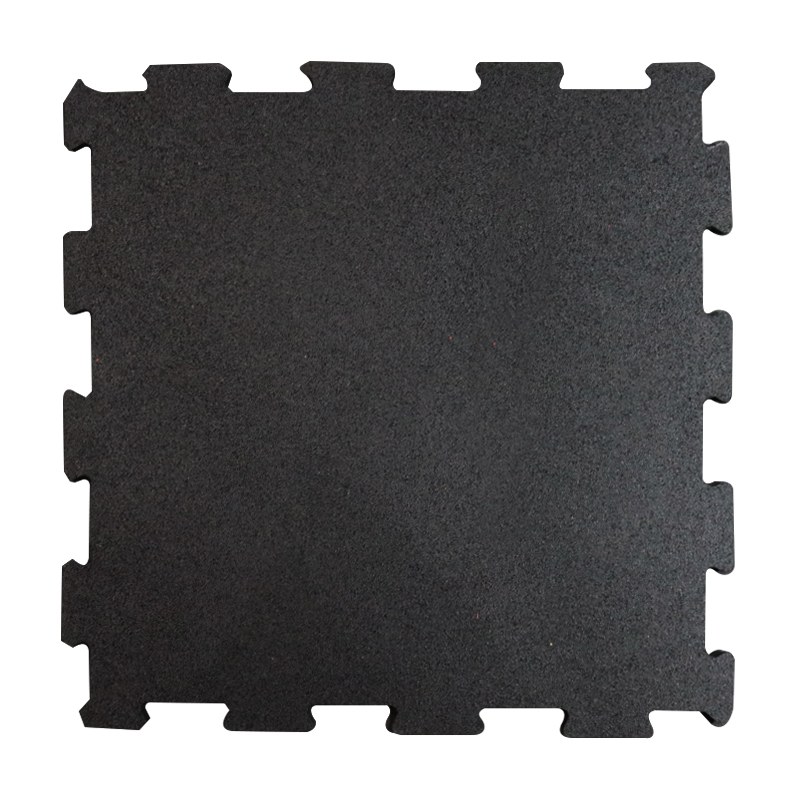
A professional setup extends beyond the hardware. Budgeting must account for specialized structural requirements. High-impact zones, such as free weight areas, require high-density vulcanized rubber flooring to protect the subfloor and mitigate acoustic vibrations. Furthermore, electrical infrastructure for cardio rows and specialized lighting for studio environments are critical non-negotiable costs that are often overlooked during the initial procurement phase.
Logistics, Installation, and Maintenance
Total Cost of Ownership (TCO) is heavily influenced by deployment logistics. Professional installation is mandatory for commercial-grade equipment to ensure structural integrity and compliance with safety standards. Budgeting for these services includes:
Scalability and Operational Strategy
When planning your facility, consider the phased procurement model. Investors may choose to install a core skeletal setup of strength and cardio equipment initially, allowing for modular expansion as the membership base grows. This strategy manages immediate cash flow while ensuring the facility can scale to meet market demand without requiring significant structural redesigns.