Selecting the best power rack for a commercial gym is a critical operational decision that directly impacts member safety, workout experience, and long-term facility ROI. Commercial power racks are the most utilized piece of strength equipment in any fitness facility, enduring hundreds of daily repetitions under heavy loads and handling barbell drops, rack pulls, and dynamic bodyweight movements. Unlike residential racks, commercial-grade units must meet rigorous durability standards, including heavier steel gauges (typically 11-gauge or thicker), welded joints rather than bolted assembly, and reinforced base designs that prevent shifting under asymmetric loading.
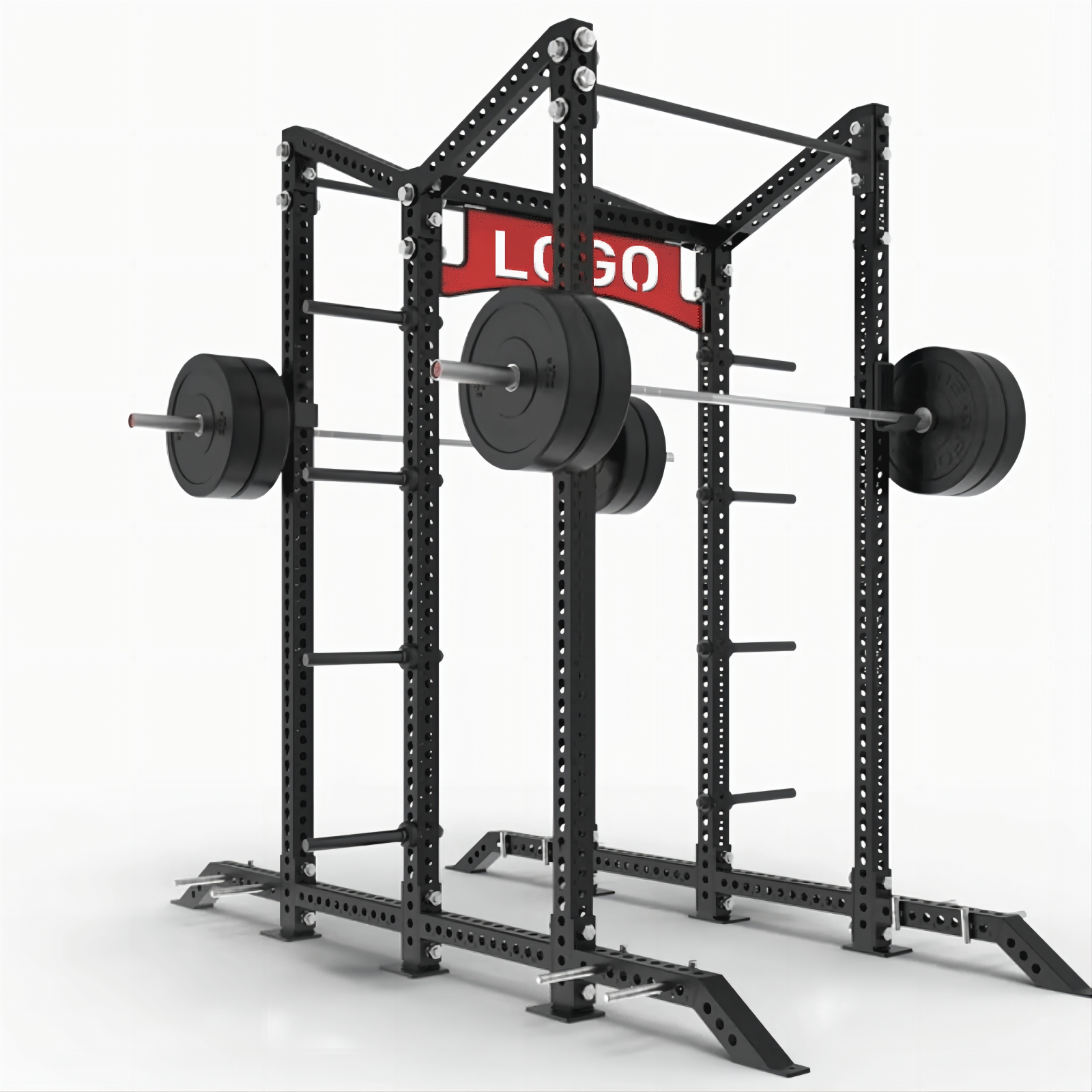
Structural integrity constitutes the primary differentiator between commercial racks and consumer alternatives. Leading manufacturers engineer commercial racks with 3mm to 5mm steel thickness, full perimeter base stabilization, and laser-cut hole patterns that maintain alignment across the entire upright height. The best racks feature 1-inch hole spacing through the bench press and squat zones, allowing precise J-hook and safety spotter positioning to accommodate athletes of varying sizes while minimizing gap risks during heavy lifts. Powder-coat finishes, rather than basic paint, provide essential corrosion resistance and scratch protection in high-use environments where moisture from sweat accelerates metal degradation.
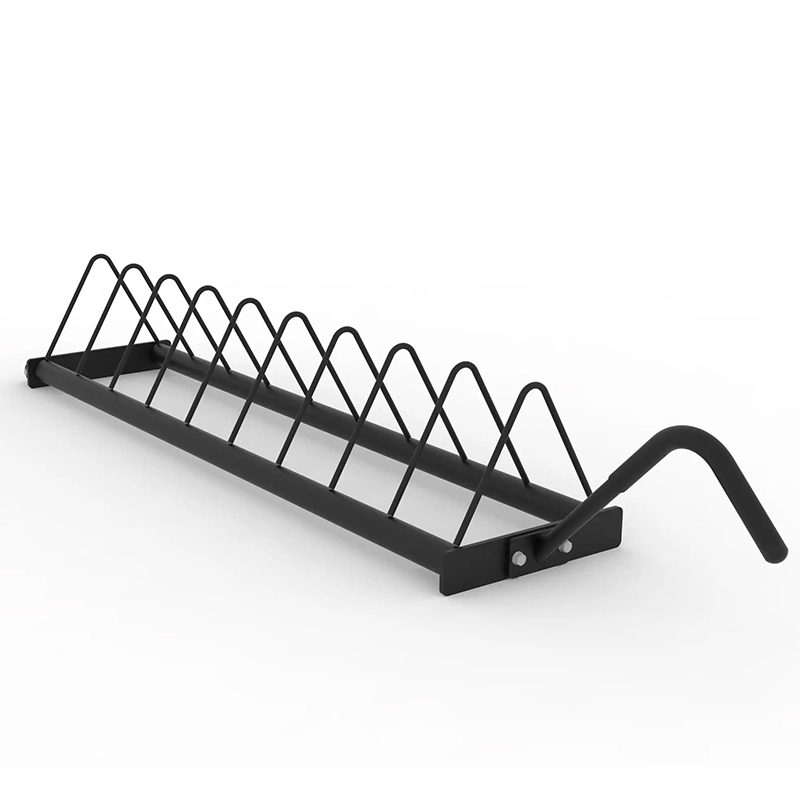
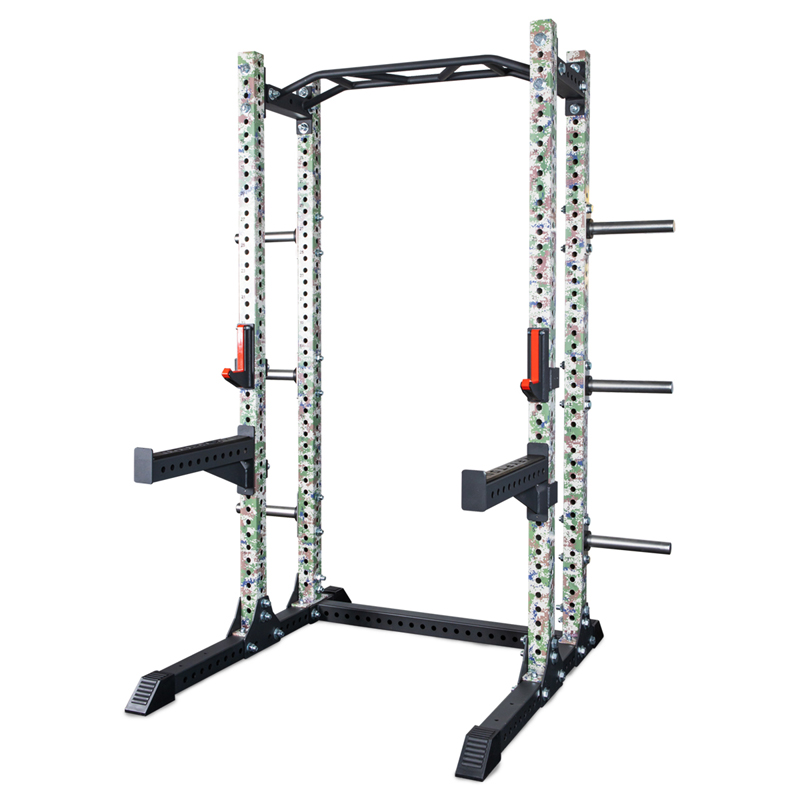
Safety features are paramount in commercial power rack selection, as facilities bear liability for member injury prevention. The optimal rack integrates drop-in safety spotters with minimum ¾-inch solid steel construction, capable of arresting loaded barbells from full extension without bending or deformation. Pull-up bars must be multi-grip with knurled or textured surfaces for secure handling, and weight storage horns positioned low on the frame maintain center of gravity stability while offering organized plate storage. Pop-pin adjustable components enable rapid configuration changes between users without tools, a critical workflow consideration during peak hours when member throughput demands efficiency.
Compatibility with Olympic barbells (28mm to 32mm shaft diameters) and 50mm weight plates is non-negotiable for commercial environments, as most facilities standardize on international specs. The best power racks accommodate both 7-foot men's bars and 6-foot women's bars with sufficient interior width (typically 43 to 49 inches), while dual monolithic uprights provide secure bar catch positions for squat and bench variations. For facilities incorporating specialty bars—safety squat bars, cambered bars, or trap bars—rack interiors must offer adequate clearance, often requiring 48-inch to 52-inch internal depth to handle these wider implements without interference.
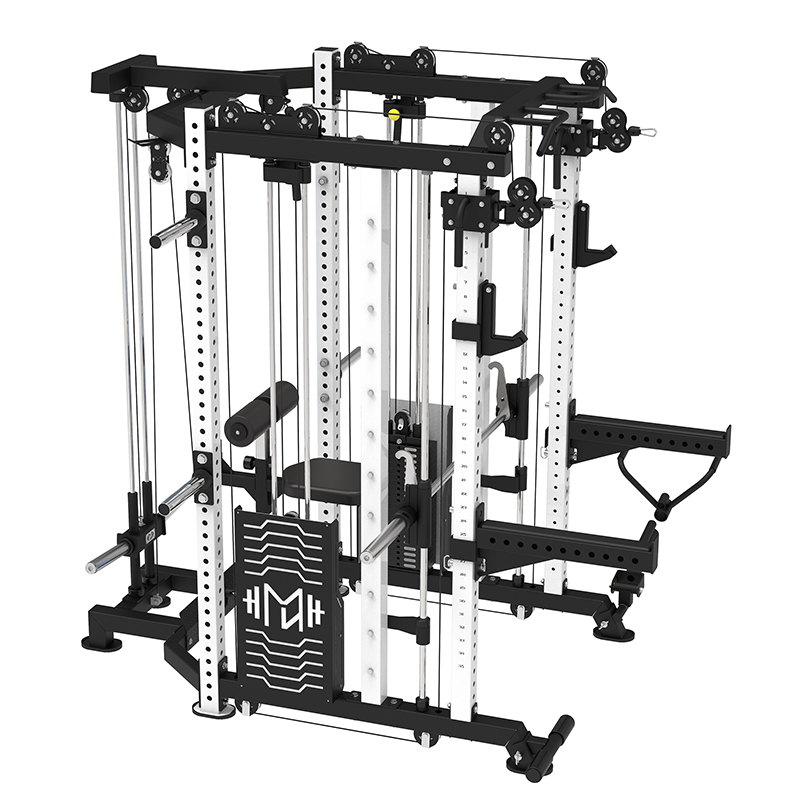
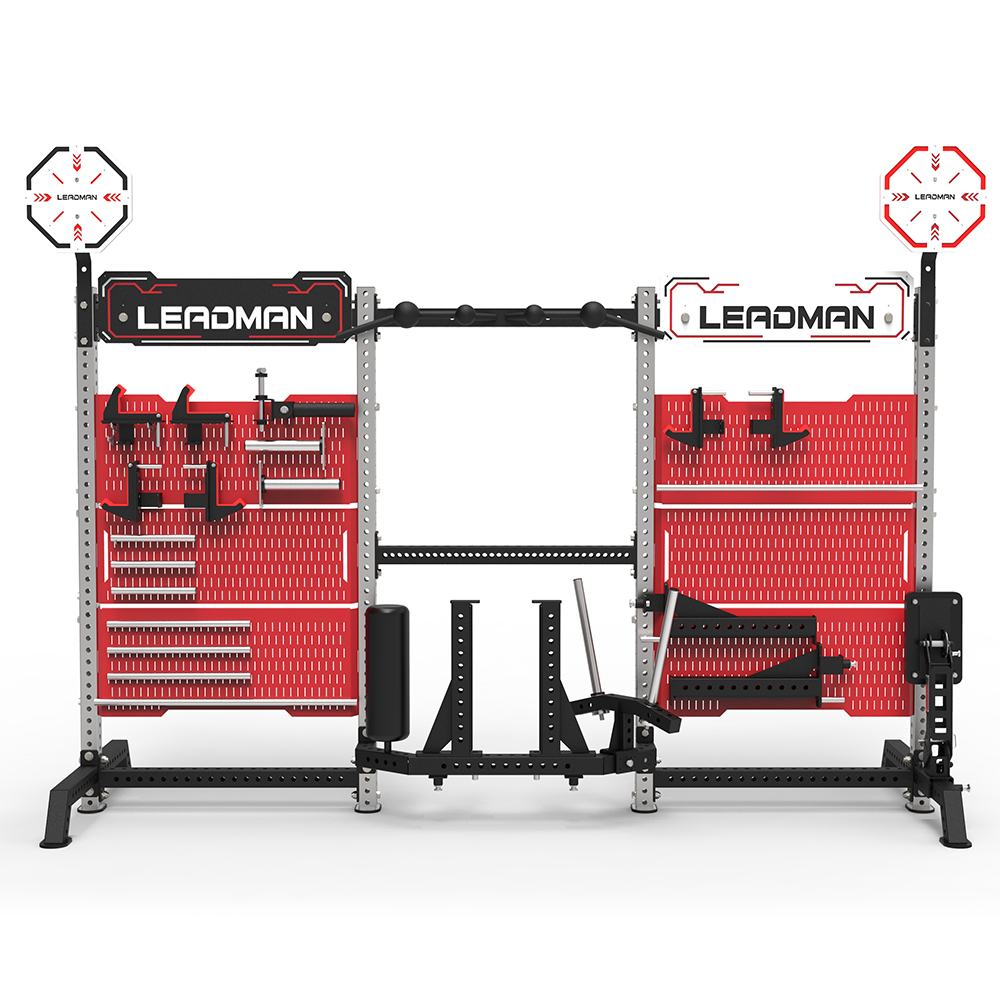
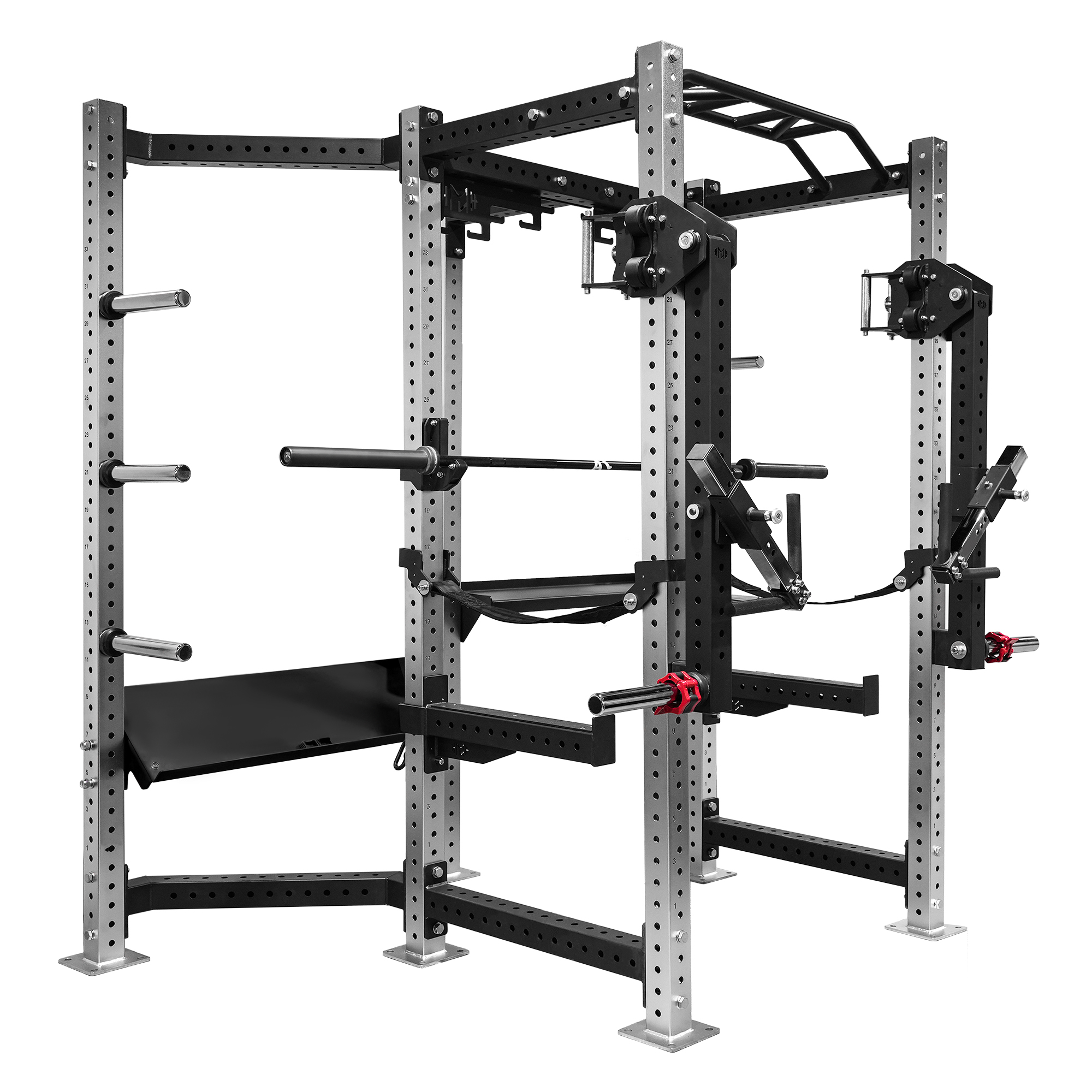
Customization potential distinguishes premium commercial power racks from entry-level models. Modular systems from manufacturers like Hammer Strength and Legend Fitness allow facility operators to configure rack footprints with integrated storage, multi-station attachments, or belt squat platforms that maximize floor space efficiency. Plate-loaded pulley systems, dip stations, and landmine attachments transform a single rack into a multi-functional strength station, reducing per-equipment costs while expanding exercise variety. This modularity is particularly valuable in boutique fitness environments where space is premium and member programming demands constant variety.
Frame depth selection significantly impacts functionality and facility footprint. Standard 30-inch depth racks provide adequate space for most squat, bench, and pull-up applications while minimizing floor area requirements—ideal for dense urban facilities with limited square footage. For specialized training including deadlift rack pulls, board pressing, or complex multi-planar movements, 36-inch depth racks offer expanded interior space and increased stability, though they require roughly 6 additional square feet per unit. Pro-level facilities often deploy a mix of depths, positioning shallower racks for general strength areas and deeper units for dedicated performance training zones.
Warranty and support infrastructure separate top-tier power rack manufacturers from budget alternatives in commercial contexts. The best brands provide 10-year structural warranties on frames, 5-year coverage on moving components, and 3-year protection on pad and upholstery materials—though regional variations apply and purchasers should verify localized terms. Equally critical is parts availability and technical support response time; leading manufacturers maintain regional distribution centers ensuring replacement cables, bushings, and J-hooks ship within 48 hours, minimizing equipment downtime that frustrates members and reduces capacity utilization.
Installation considerations frequently overlooked during procurement include floor anchoring specifications and assembly complexity. Commercial racks require concrete anchors conforming to local building codes, with bolt patterns and base plates engineered to distribute dynamic loads without floor damage. Facilities should verify ceiling height clearance (typically minimum 88 inches) and shipping logistics—many commercial racks exceed 300 pounds requiring freight delivery with lift-gate service. Progressive manufacturers offer virtual installation guidance or on-site technician deployment for comprehensive facility setups, mitigating assembly errors that could compromise structural safety or void warranties.
When evaluating return on investment, commercial power racks demonstrate exceptional longevity compared to cardio equipment or selectorized machines. Properly maintained racks maintain function and safety for 15 to 20 years, with replacement J-hooks and spotter arms representing minimal consumable costs relative to total investment. For facility operators managing multiple equipment lifecycles, prioritizing power rack quality reduces overall equipment replacement frequency, labor costs associated with equipment disposal and reinstallation, and member injury risk premiums that impact liability insurance rates.
Brand reputation and facility references provide meaningful insight beyond published specifications. Top performers including Rogue Fitness, Matrix Fitness, and Hammer Strength maintain active dealer networks conducting site assessments and offering facility-specific recommendations. Many manufacturers provide comprehensive proposal packages including 3D facility layout visualizations, load calculations, and equipment sequencing plans that streamline procurement and installation coordination. Facility managers should request references from similarly-sized facilities that have operated the rack model for at least 24 months to verify real-world performance, maintenance experiences, and manufacturer support responsiveness under high-usage conditions.

Let our experts design the perfect gym solution for your business. Get a free consultation and quote today.