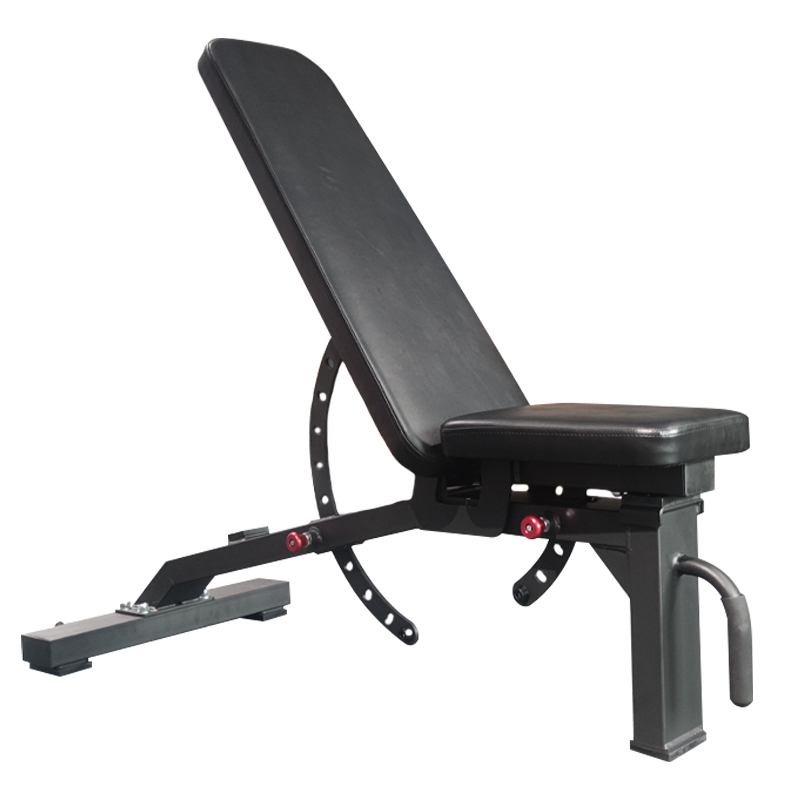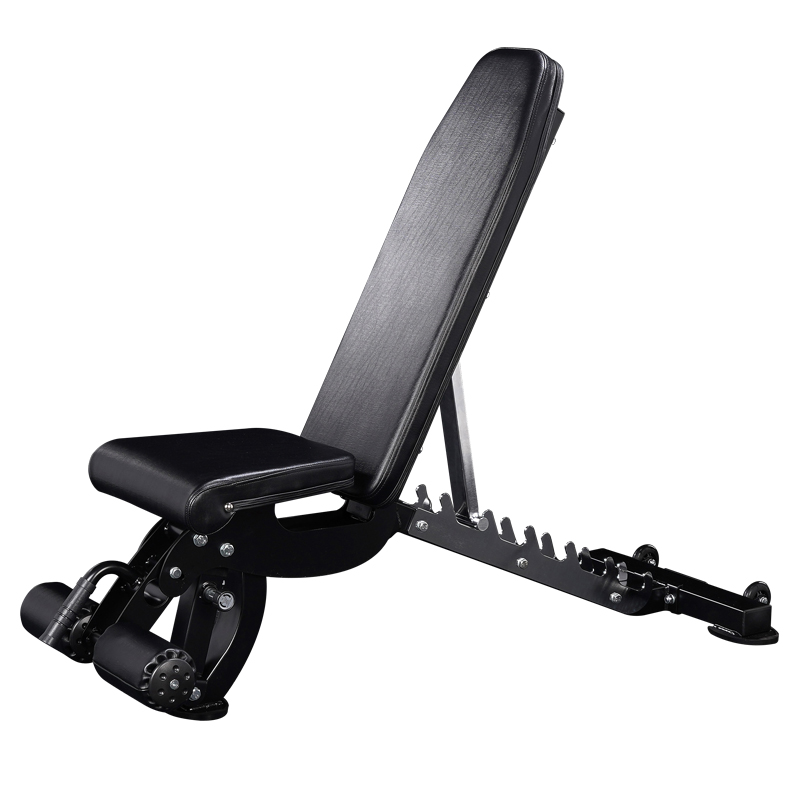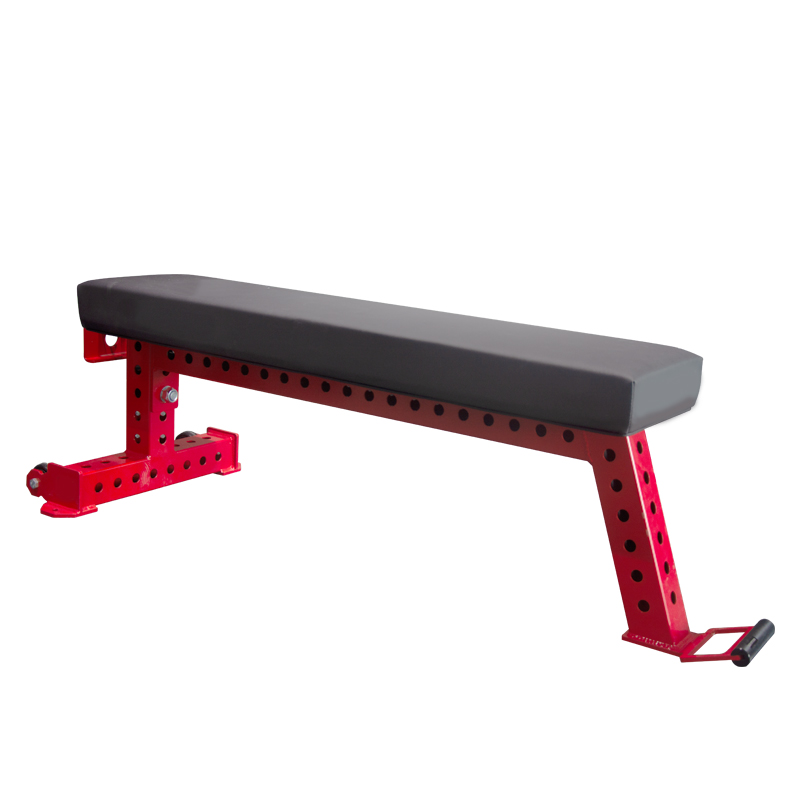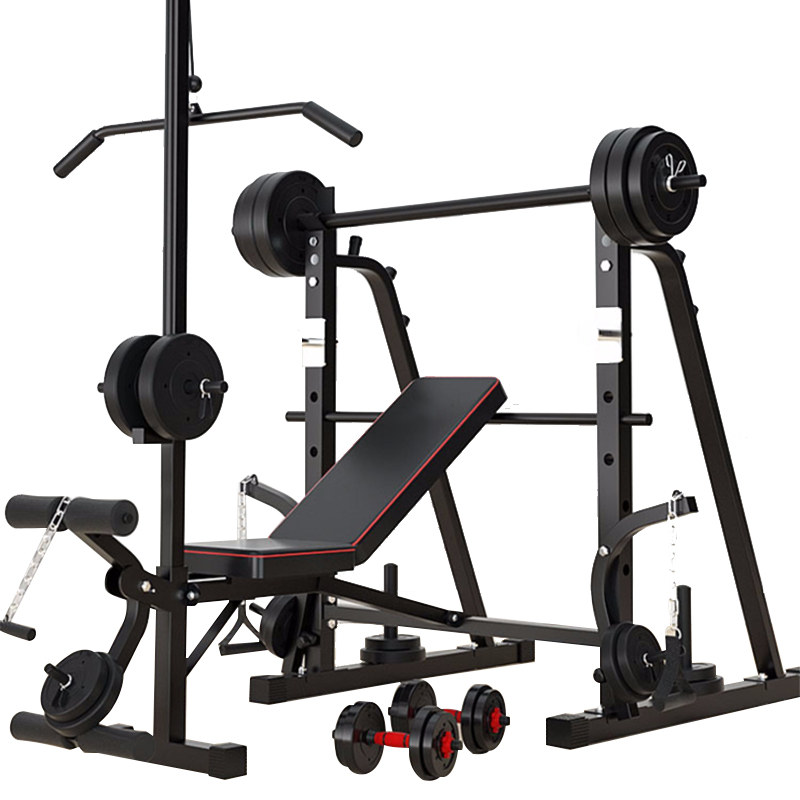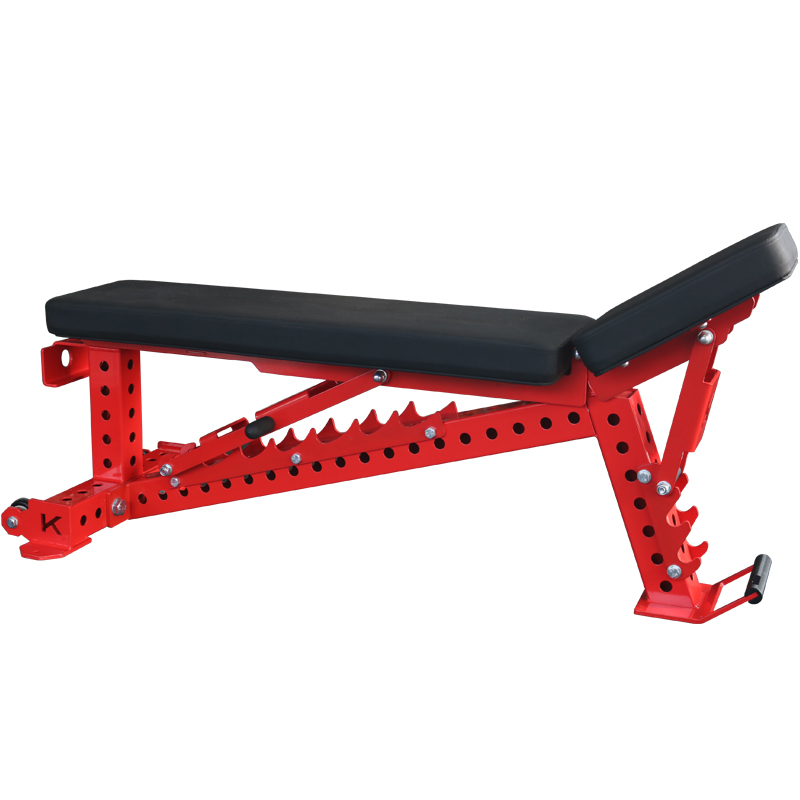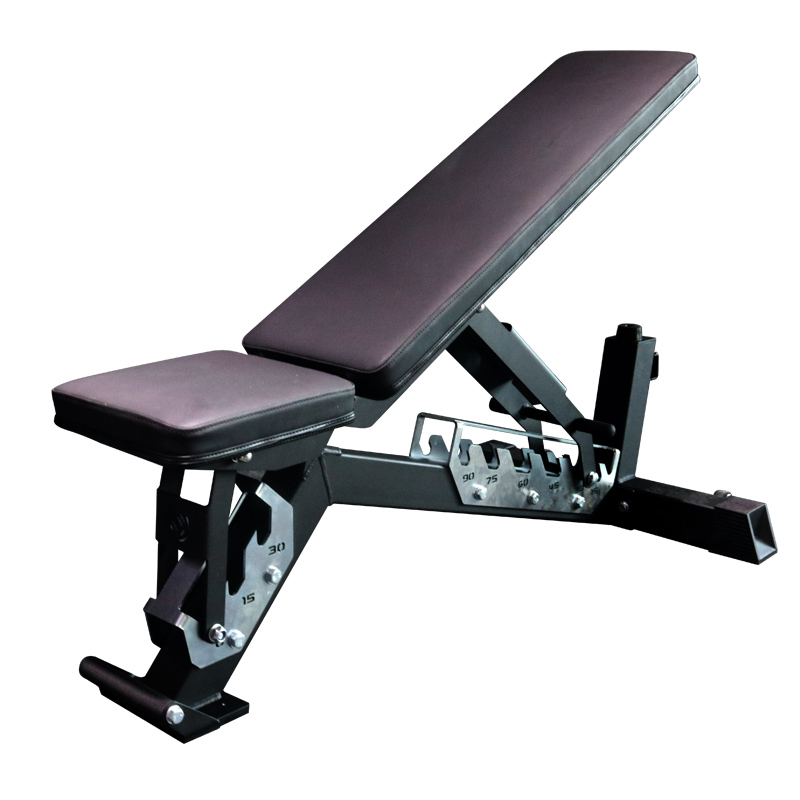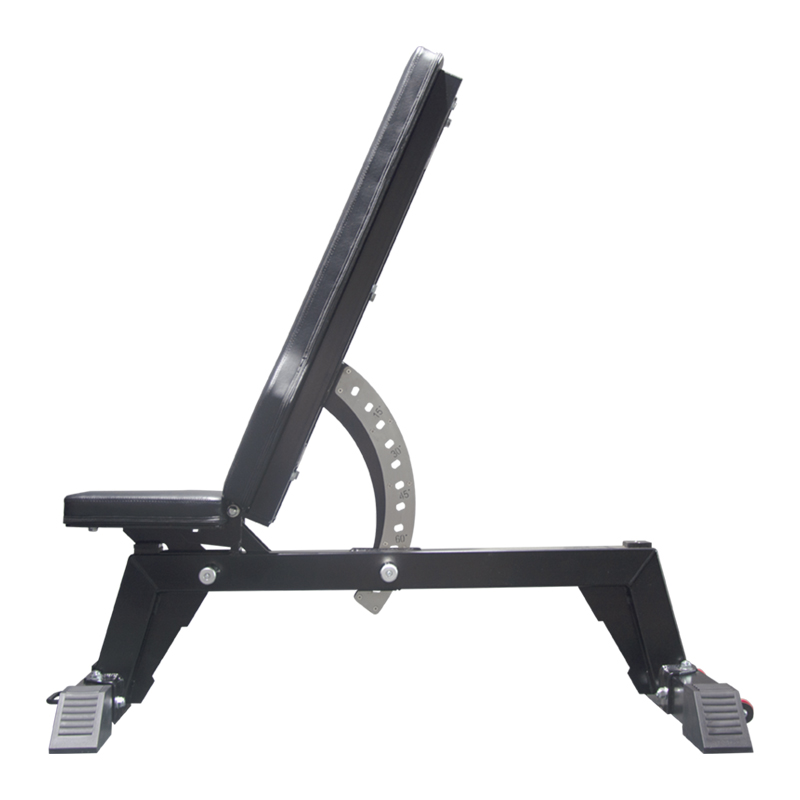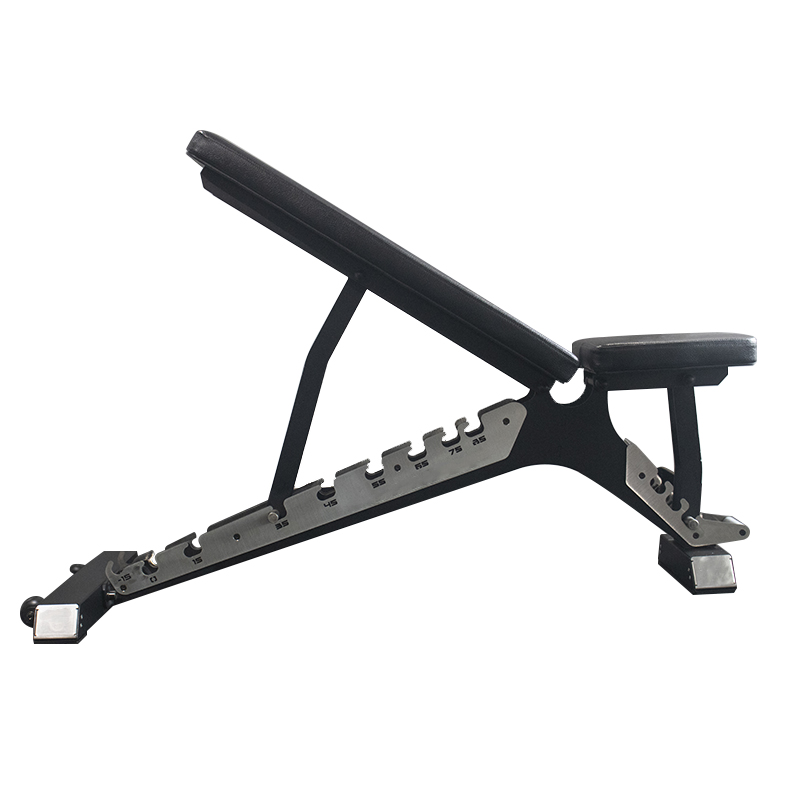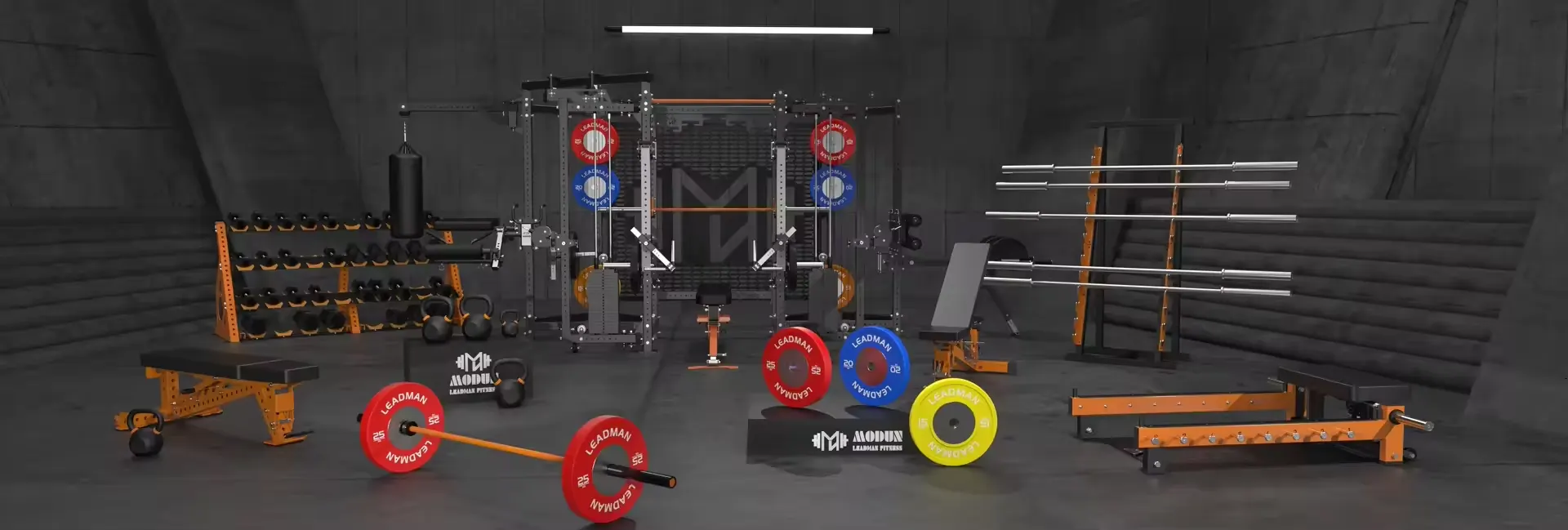
Selecting the best commercial weight bench for a high-traffic fitness facility demands a critical assessment of structural rigidity, biomechanical alignment, and material resilience under repetitive, heavy-load cycles. Unlike home-use variants, commercial benches must endure relentless daily use, often exceeding 50,000 loading cycles per year, without compromising user safety or performance consistency. The cornerstone of a superior commercial bench lies in its frame architecture, typically constructed from 11-gauge or thicker steel tubing, reinforced with welded gussets at high-stress junctions to prevent lateral flex during explosive movements. Facility managers must prioritize benches that offer adjustable seat and backpad positions, allowing seamless transitions between flat, incline, and decline exercises while maintaining a zero-play locking mechanism that inspires lifter confidence.
Material selection extends beyond the steel frame; the quality of upholstery and padding directly influences both user comfort and equipment longevity. Commercial-grade vinyl coverings with high abrasion resistance and antimicrobial properties are essential for maintaining hygiene and appearance in sweaty, high-usage environments. The density of the foam padding must strike a delicate balance—sufficiently firm to provide stable support during heavy pressing movements, yet yielding enough to distribute pressure and reduce joint discomfort during prolonged sessions. Leading manufacturers utilize high-rebound polyurethane foam that retains its shape and resilience significantly longer than standard EVA foams, which tend to compress permanently after extensive use. This meticulous attention to material science ensures that the best commercial weight bench delivers consistent performance and user satisfaction for years.
Ergonomic design principles are non-negotiable when evaluating commercial adjustable benches for professional environments. The optimal bench should feature a multi-position backpad that articulates smoothly across at least seven distinct angles, accommodating everything from flat barbell presses to steep shoulder presses. The seat pad must offer independent adjustment to maintain proper hip positioning and spinal alignment across all exercise variations. Critical evaluation points include the width of the backpad—generally 10 to 12 inches for optimal shoulder blade retraction—and the overall pad length to support users of varying heights without sacral pressure points. These ergonomic considerations directly impact injury prevention and training efficacy, making them paramount for facilities serving diverse member populations with varying anthropometric measurements.
Safety and stability features distinguish top-tier commercial weight benches from standard offerings. The base footprint should be sufficiently wide and long to prevent tipping during unilateral movements or when heavy loads are re-racked aggressively. Incorporating non-slip rubber feet with a Shore hardness rating above 70 ensures the bench remains anchored to the floor, even on polished concrete surfaces. Some premium models integrate transport wheels and ergonomic handles, facilitating effortless relocation within the gym floor without straining staff. Additionally, the locking mechanisms for both the backpad and seat adjustments must utilize robust, spring-loaded pull pins or positive-lock ratcheting systems that provide audible engagement, reassuring both trainers and users of secure positioning before initiating any loaded exercise.
Industry experts consistently emphasize the importance of third-party certification when selecting the best commercial weight bench for institutional settings. Certifications such as EN 957 or ASTM F3023 provide objective assurance that the equipment has undergone rigorous structural integrity testing under maximum load conditions. Independent laboratory testing typically subjects benches to static and dynamic force simulations, verifying that the frame can withstand forces significantly exceeding typical user loads without failure. Additionally, leading manufacturers conduct extensive field testing with strength athletes, gathering feedback on pad thickness, handle placement, and overall stability under real-world conditions. Facilities that prioritize certified equipment experience fewer warranty claims and liability issues, reinforcing their reputation for member safety and operational excellence.

Let our experts design the perfect gym solution for your business. Get a free consultation and quote today.