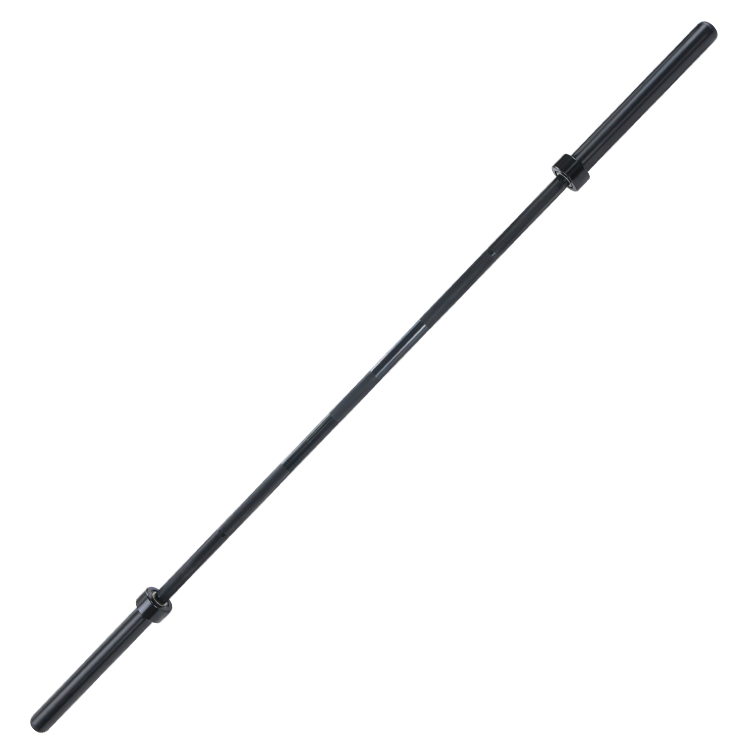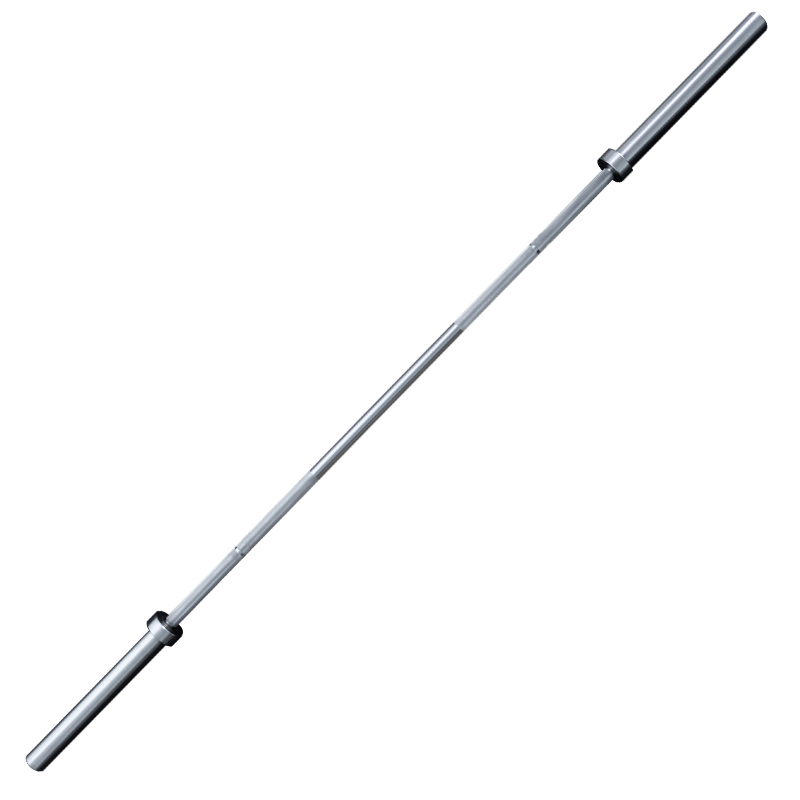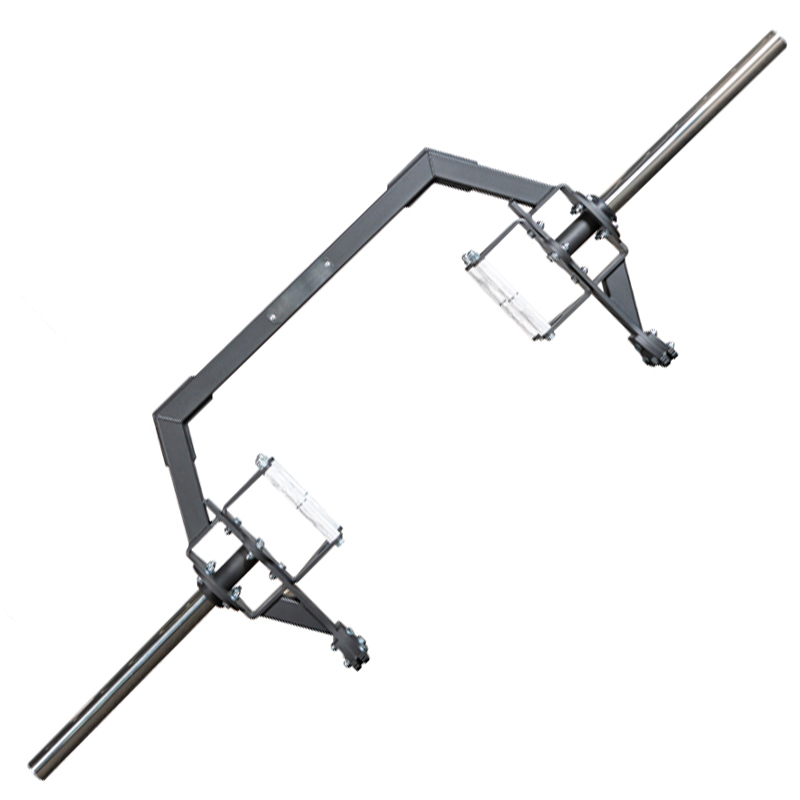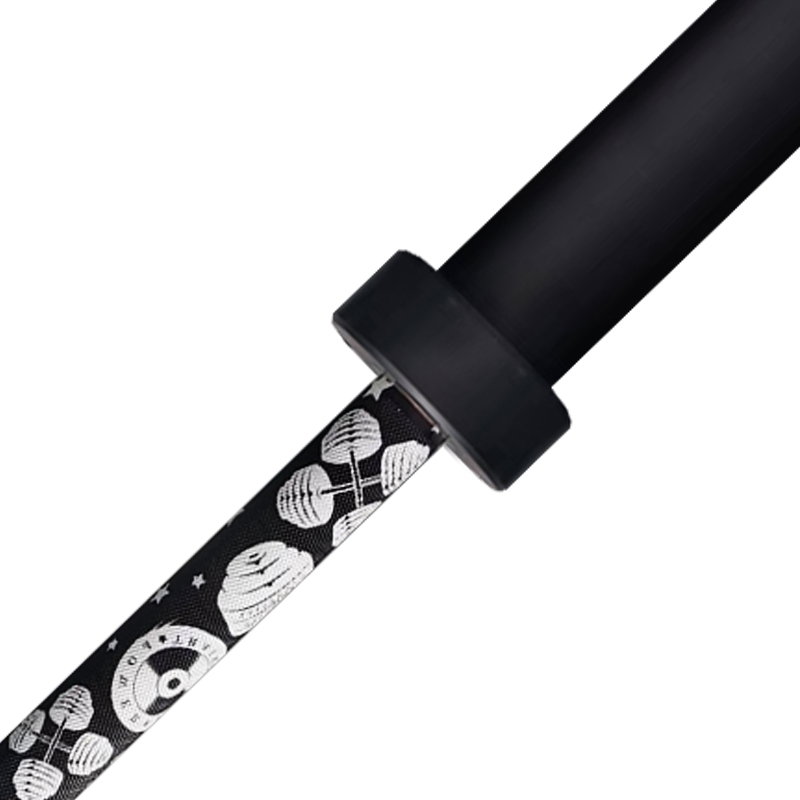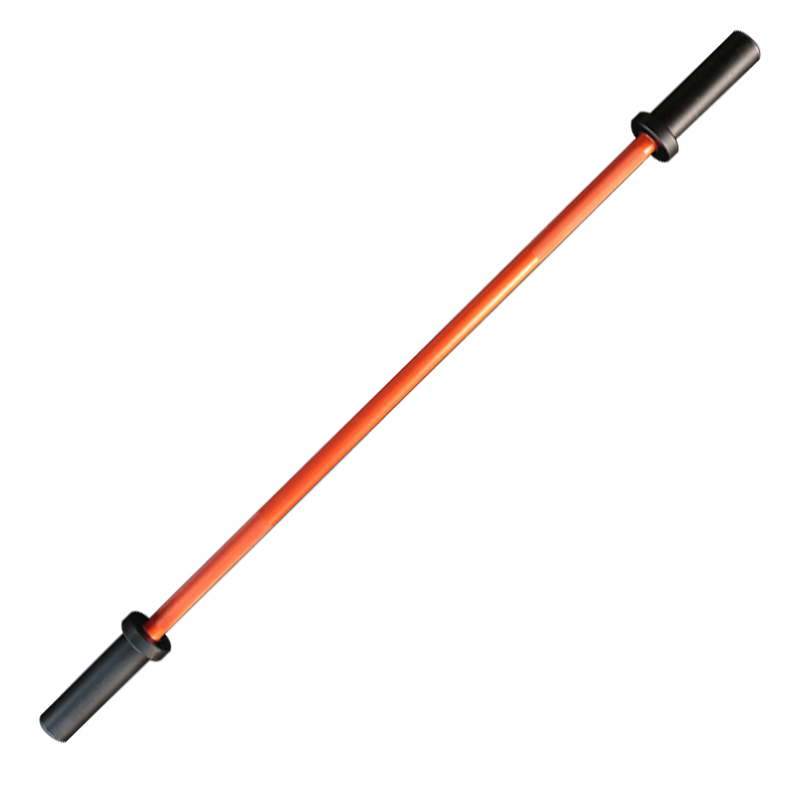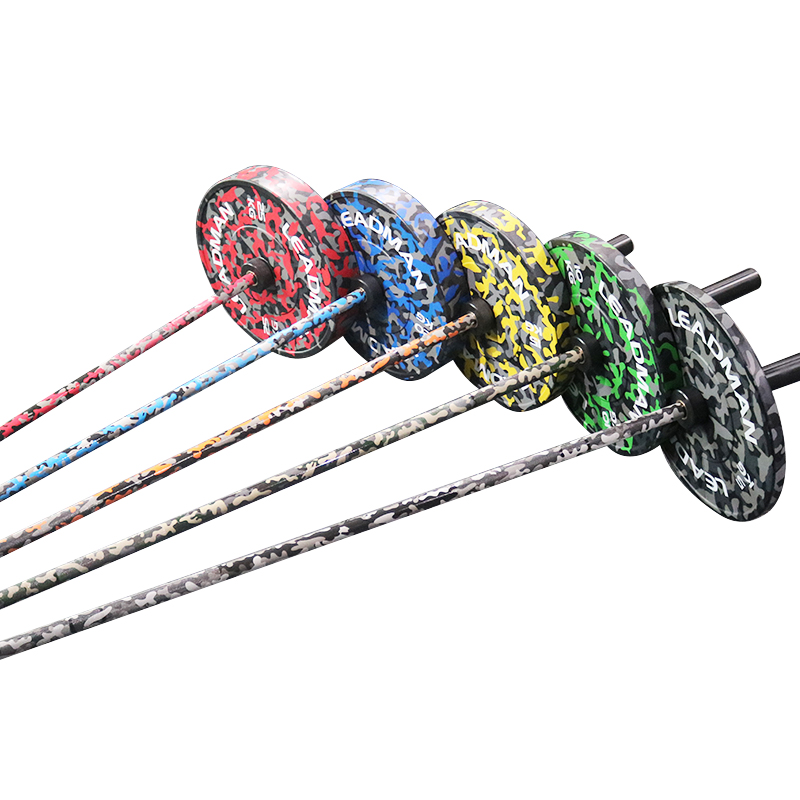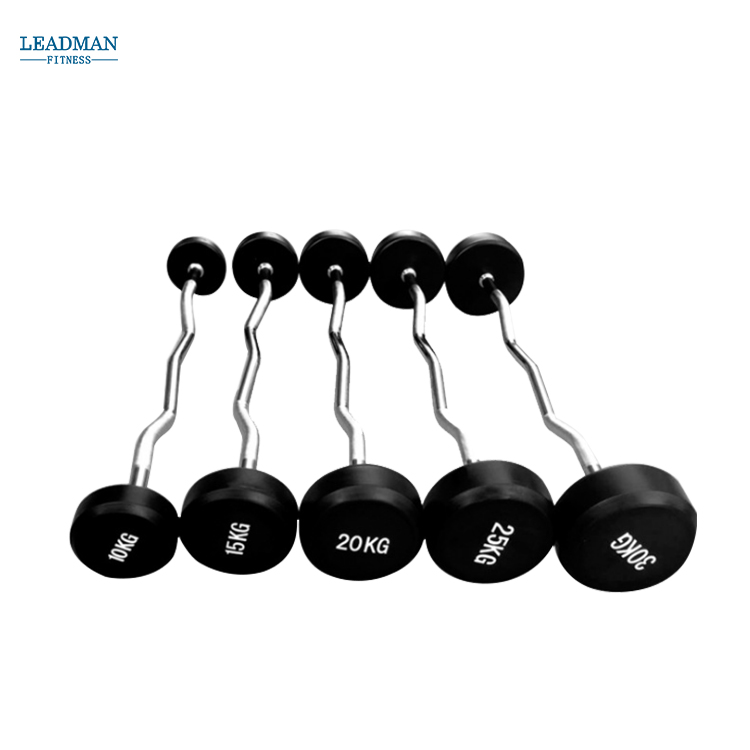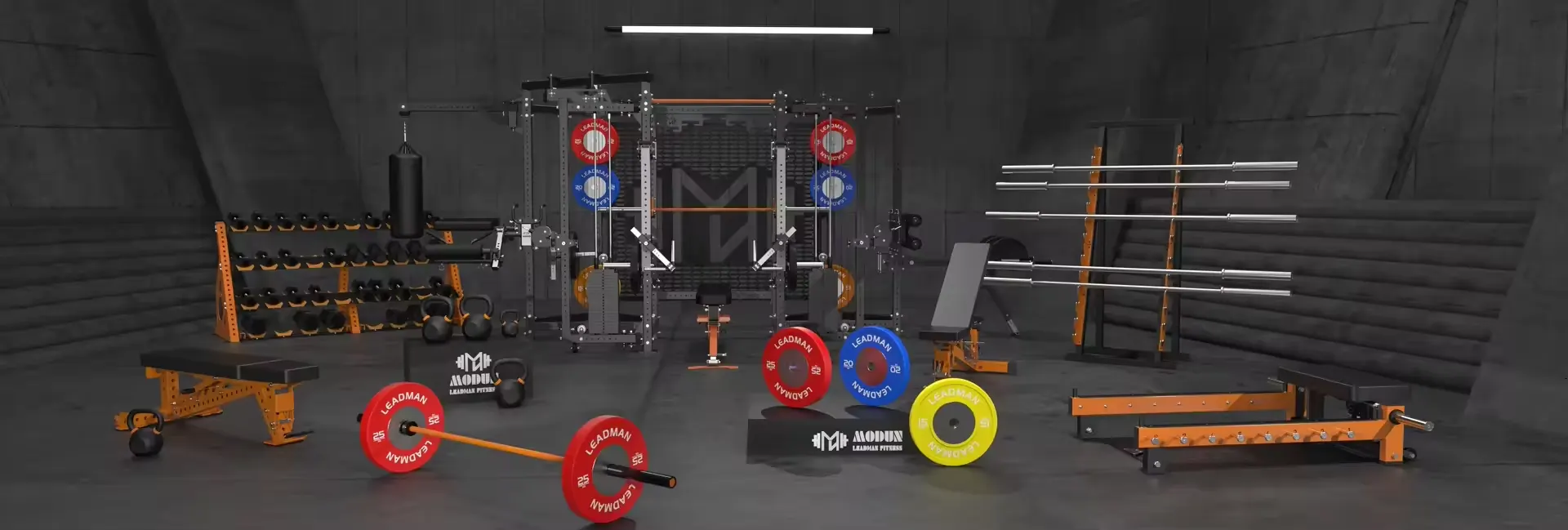
Barbell wholesale represents a strategic procurement channel for commercial fitness facilities, multi-location gym chains, and equipment dealers seeking to balance capital expenditure with long-term operational durability. Unlike retail purchases, wholesale acquisitions prioritize volume pricing, standardized quality control, and supply chain consistency, enabling buyers to outfit entire training floors with uniform, performance-grade equipment. This approach demands a rigorous evaluation of manufacturing specifications, material sourcing, and the supplier's ability to deliver consistent product runs across large orders.
The fundamental economics of barbell wholesale hinge on the relationship between production scale and per-unit cost optimization. Manufacturers operating at high volume can invest in superior-grade steel, precision machining, and rigorous testing protocols while maintaining competitive price points. For the buyer, this translates into access to equipment that meets commercial-grade standards—typically featuring tensile strengths exceeding 190,000 PSI, 50mm sleeve diameters, and robust chrome or hard chrome finishes—without the premium associated with boutique or single-unit retail pricing. The wholesale channel effectively democratizes access to professional-grade implements.
Navigating the wholesale landscape requires a clear understanding of quality tiers and their corresponding price brackets. Entry-level commercial bars often utilize bushings for sleeve rotation, offering reliable performance for general strength training applications. Mid-tier options incorporate needle bearings, providing the reduced friction demanded by Olympic weightlifting and high-volume CrossFit facilities. Premium wholesale offerings feature precision-engineered bearing systems, superior knurling patterns, and advanced metallurgy for extended lifespan under daily, heavy usage. Minimum order quantities (MOQs) typically range from 10 to 50 units, with significant price breaks available for orders exceeding 100 pieces.
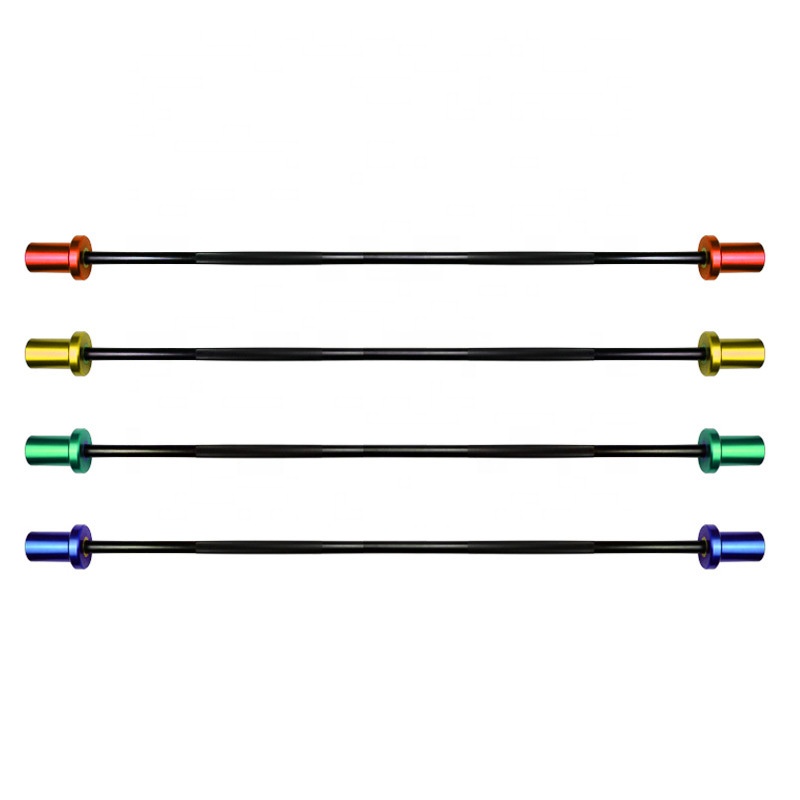
Beyond the physical product, successful wholesale partnerships depend on logistical reliability and post-sale support. Buyers must evaluate lead time predictability, shipping arrangements, and the manufacturer's capacity to provide replacement parts such as end caps, snap rings, or sleeve assemblies. Establishing a direct relationship with a manufacturer or authorized master distributor often yields advantages in customization—such as specific knurling patterns, color-matched sleeves, or private labeling—that differentiate a facility's equipment identity. For commercial operators, these factors ultimately determine the total cost of ownership, making due diligence in the wholesale selection process a critical business function.

Let our experts design the perfect gym solution for your business. Get a free consultation and quote today.