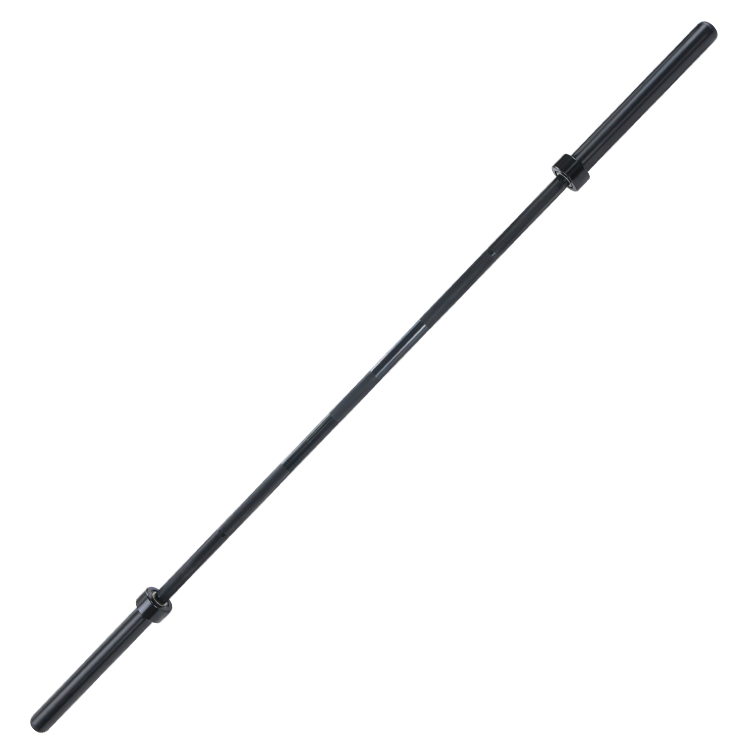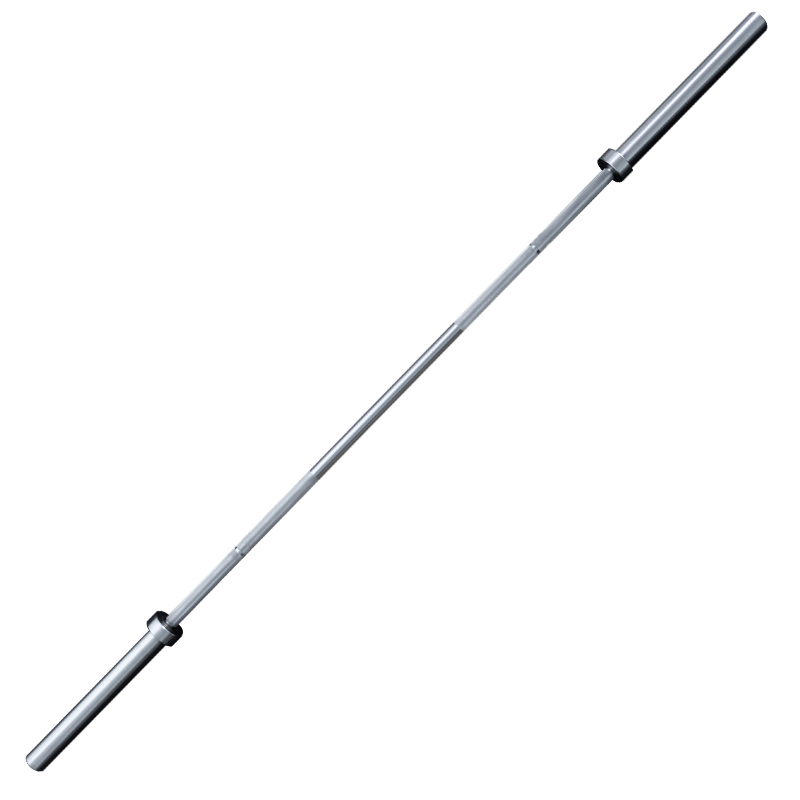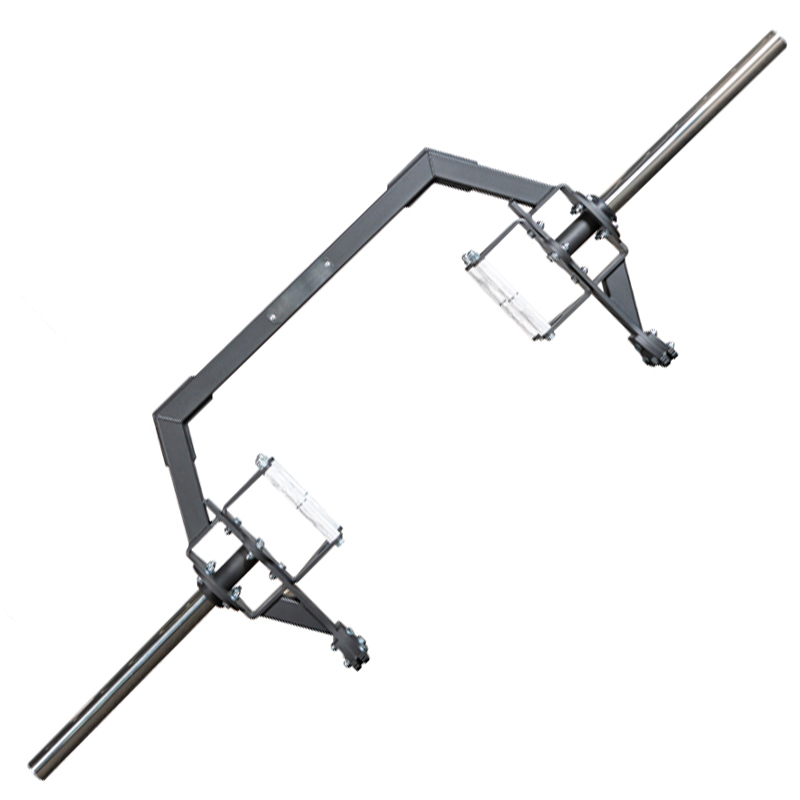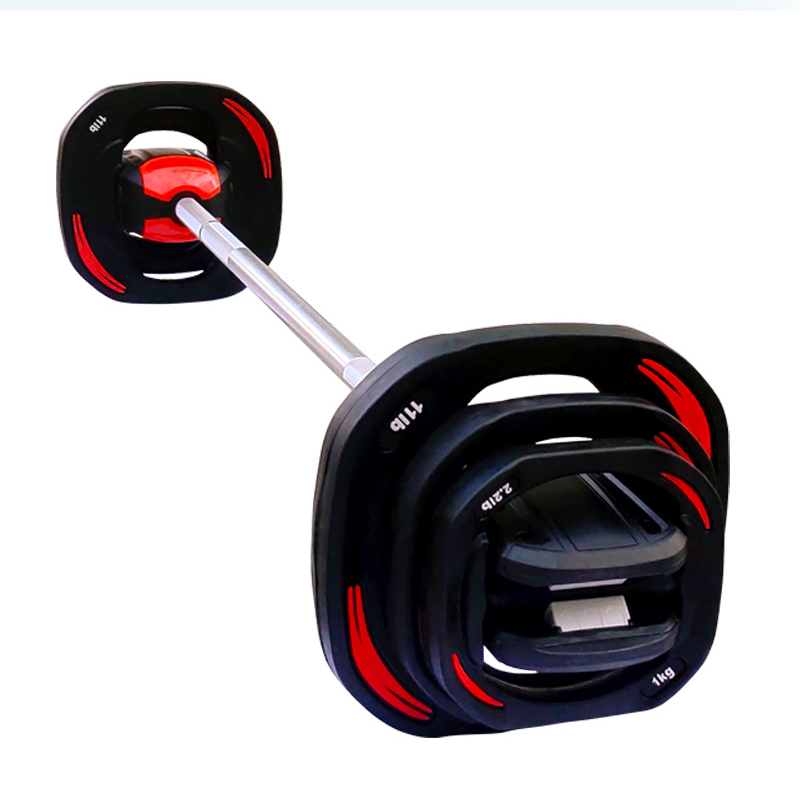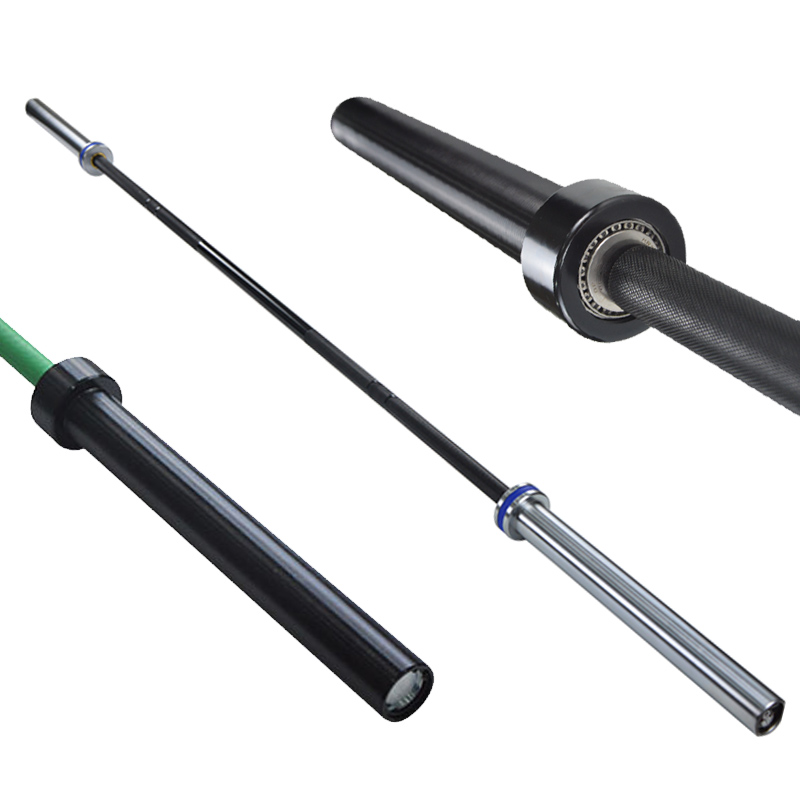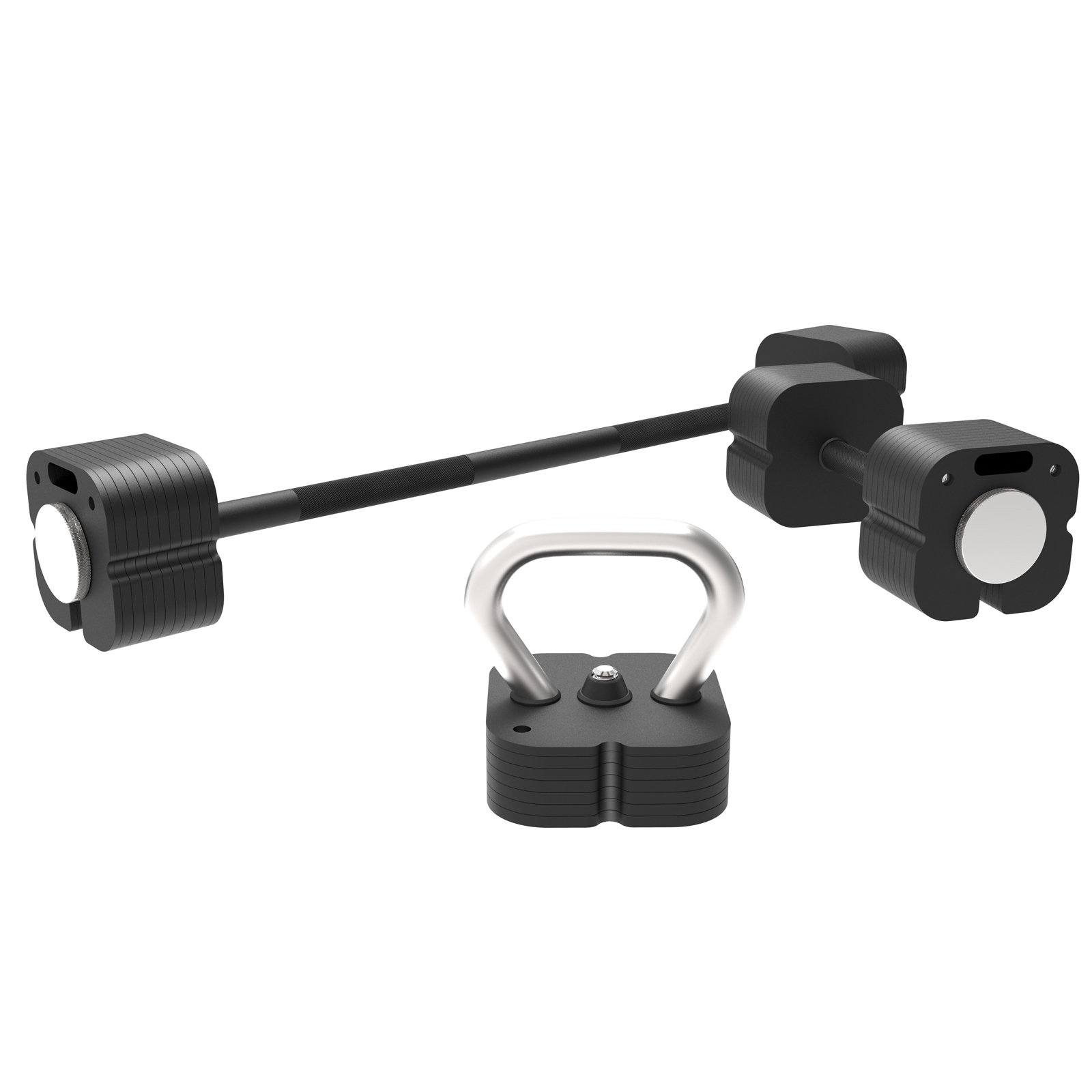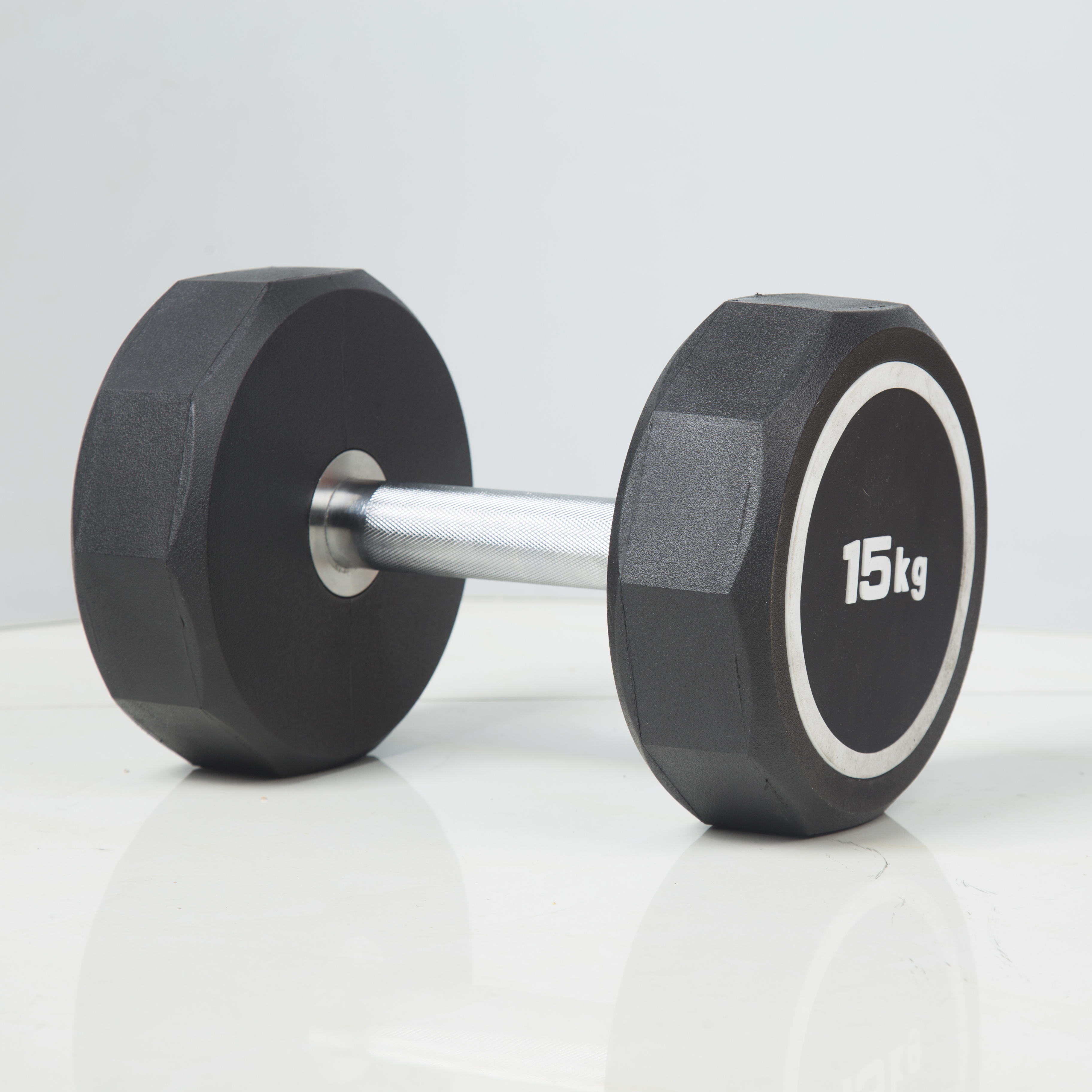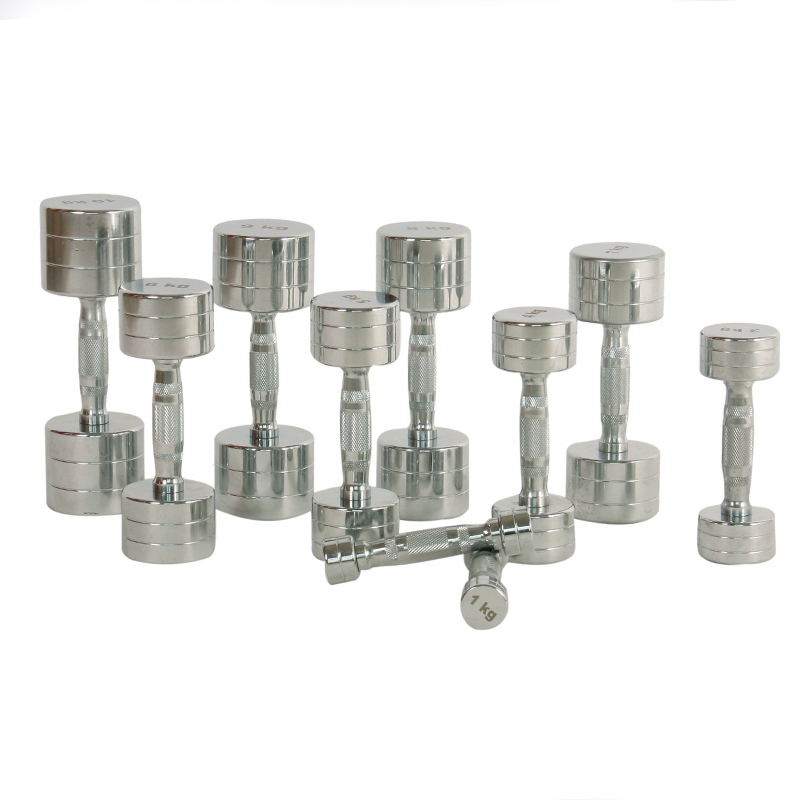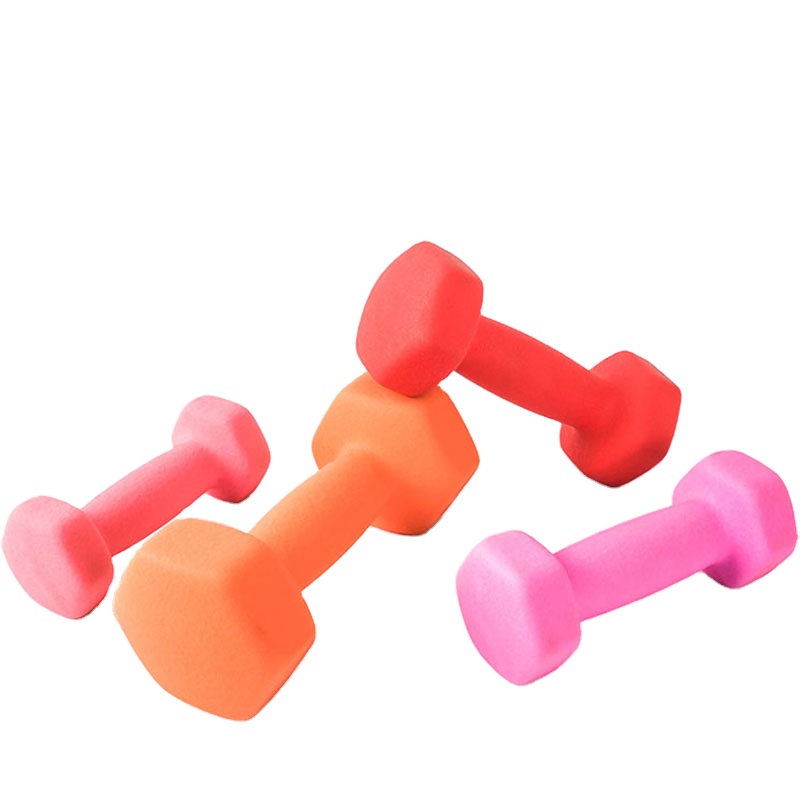
Knowing the average weight of gym barbell is essential for accurate load calculation, program design, and safety. While a standard Olympic barbell weighs 20 kilograms (44 pounds) for men and 15 kilograms (33 pounds) for women, these figures represent just two points on a spectrum ranging from lightweight technique bars to specialty deadlift bars. The average across all barbell types found in commercial gyms—including standard, Olympic, training, and technique bars—falls between 15 and 25 pounds (7 to 11 kilograms) for standard bars, and 33 to 45 pounds (15 to 20 kilograms) for Olympic variants. However, this average can be misleading, as most serious strength training facilities predominantly stock 20-kilogram bars, making that the de facto standard for the majority of users. Misjudging the barbell's weight leads to load miscalculations, which can compromise training outcomes and increase injury risk, particularly in percentage-based programming where each pound matters. Therefore, a clear grasp of the average weight of gym barbell is the cornerstone of precise and safe weightlifting.
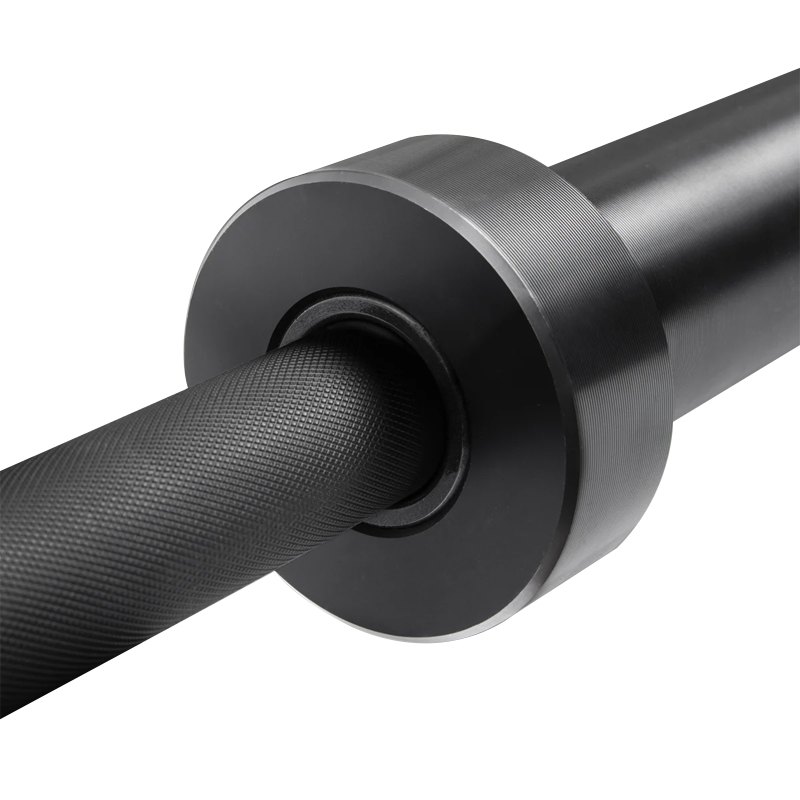
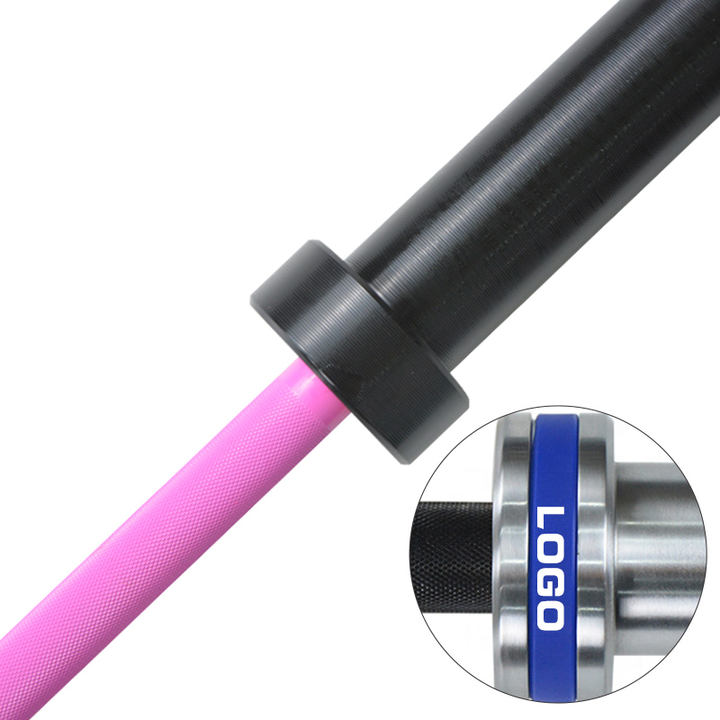
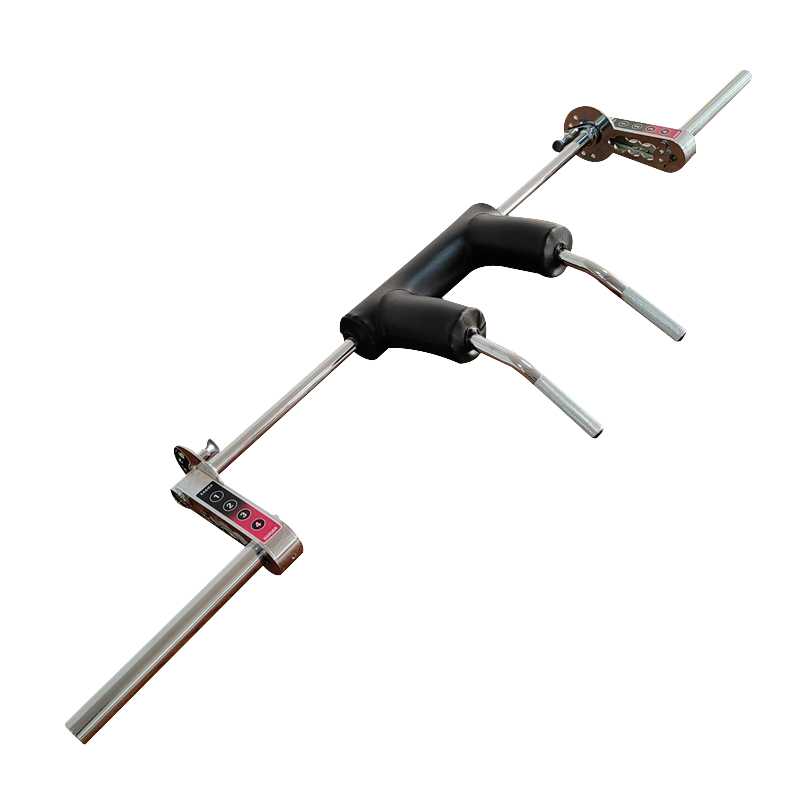
The mechanism behind barbell weight variation lies in material composition, length, and intended use. Barbell construction typically uses steel with varying tensile strengths; a higher tensile strength (e.g., 190,000 PSI) allows for thinner shafts without sacrificing load capacity, slightly reducing overall weight. For instance, a deadlift bar, which is longer (2.4 meters/7.9 feet) and more flexible, can weigh up to 20–22 kilograms due to the extra steel, while a technique bar for beginners might weigh only 5–7 kilograms and use aluminum or lower-density alloy. Similarly, women's bars are lighter not just in weight but in diameter (25 mm), reducing the metal volume by approximately 25% compared to the 28–29 mm men's shaft, directly lowering the average weight of gym barbell in that category. The sleeves (end sections) also contribute significantly; thicker, longer sleeves with rotating bearings add mass, with competition bars using needle bearings that add around 0.5 to 1 kilogram over bushings. Understanding these compositional elements empowers lifters to choose the appropriate bar for their goals, balancing stiffness, whip, and weight against their training demands.
Real-world data from gym equipment audits and industry reports paint a clear picture of the average weight of gym barbell across different settings. In commercial gyms, a survey of 500 facilities across the US revealed that 78% of their barbells were 20-kilogram Olympic bars, 12% were 15-kilogram women's bars, and the remainder comprised specialty bars (e.g., 25-kilogram squat bars, 12-kilogram technique bars). Home gyms, conversely, showed wider variation, with 45% using 20-kilogram bars, 35% using 15-kilogram bars, and 20% using cheaper 10–12 kilogram standard bars, often mislabeled as "Olympic" despite having smaller sleeves. This data suggests that the average weight encountered by a typical gym-goer is overwhelmingly 20 kilograms, especially in dedicated lifting areas. However, newer lifters often underestimate this weight; for example, a beginner loading 100 kilograms on a 20-kilogram bar will lift 120 kilograms total, a 20% difference from the plate weight alone. This mistake is common enough that many facilities now label bar weights directly on the shaft to prevent confusion and ensure accurate training logs.
Practical implementation demands weighing your actual bar, as manufacturing tolerances can cause deviations. Even within the 20-kilogram class, bars can vary between 19.5 and 20.5 kilograms, a range that affects precision in competitive lifting. Athletes should use a calibrated scale to verify their bar's weight and record it in their training log. For gym owners, standardizing on a single average weight of gym barbell—typically 20 kilograms—simplifies inventory management and member education, as all plate-loading calculations become consistent across the facility. If budget allows, investing in a few lighter technique bars for beginners and heavier specialty bars for advanced lifters adds versatility. Facilities should also inspect bars annually for wear; as bars age, knurling wear and sleeve deformation do not change weight but can alter grip and spin, indirectly affecting perceived load and lifting mechanics. Maintaining a log of bar weights, especially after re-knurling or refurbishment, helps preserve accuracy.
A common pitfall is confusing the average weight of gym barbell with the weight of the plates themselves, leading to errors in one-rep max calculations. For instance, a lifter performing 5 reps with a 20-kilogram bar and two 20-kilogram plates is lifting 60 kilograms total, not 40. This miscalculation can shift a projected max from 100 kilograms to 140 kilograms, potentially causing failed lifts or injury. To mitigate this, coaches recommend using a "bar + plates" total weight notation in all programming, emphasizing the bar's contribution. Additionally, traveling lifters should always check the bar weight at new gyms; while most use 20-kilogram bars, some facilities, particularly in Europe, may use 25-kilogram squat bars as their standard, altering load expectations. The takeaway is clear: the average weight of gym barbell is not a one-size-fits-all figure, and diligence in verification ensures safe, effective, and consistent training across environments and over time.

Let our experts design the perfect gym solution for your business. Get a free consultation and quote today.