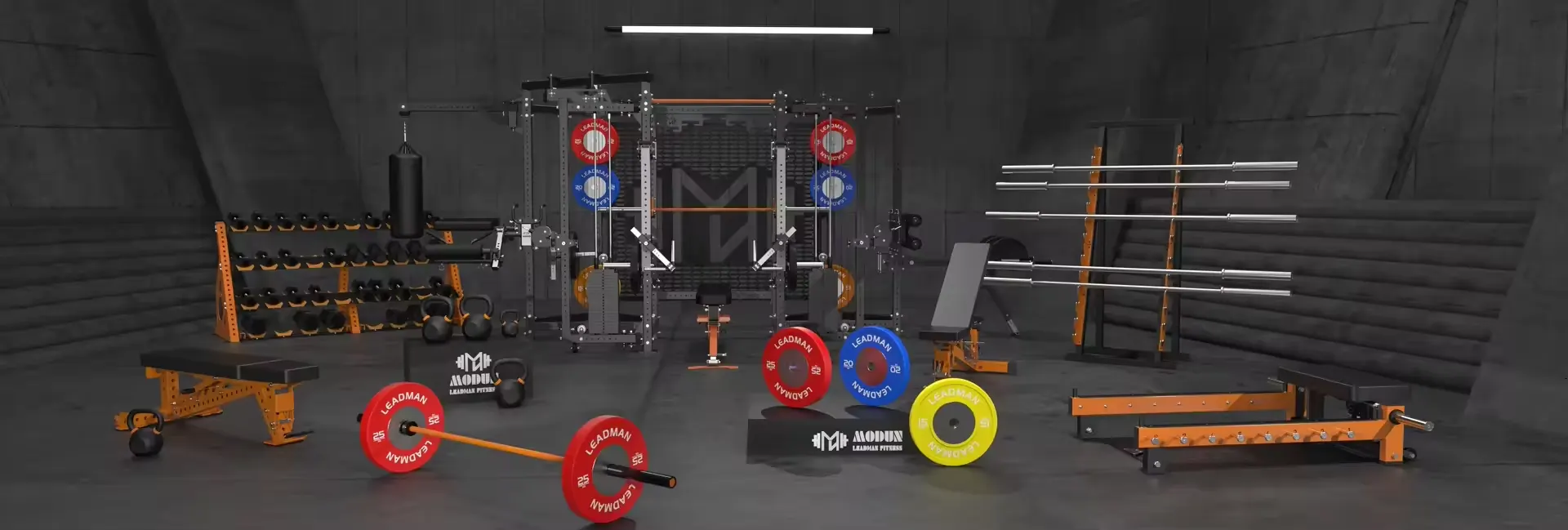
The concept of the all in one gym machine for home has undergone a remarkable transformation, evolving from bulky, single-function stations to sophisticated, space-efficient systems that rival commercial club setups. This shift reflects a broader cultural movement toward convenience and personalized fitness, where homeowners seek to replicate the variety and intensity of gym workouts without sacrificing valuable living space. Modern compact trainers integrate multiple exercise modalities—cable crossovers, Smith machine bars, functional training arms, and weight stacks—into a footprint often smaller than a standard treadmill. By combining a power rack, a lat pulldown, and a low pulley row into a unified steel frame, these systems enable hundreds of exercise variations, making them the ultimate solution for the contemporary home gym.
The engineering challenge behind an all in one gym machine for home lies in maximizing versatility without compromising structural integrity or user safety. Premium designs utilize heavy-gauge steel tubing with precision-welded joints to ensure rock-solid stability under dynamic loads, often incorporating dual weight stacks to reduce changeover time and facilitate partner training. High-end models feature independent adjustable cable pulleys with articulated arms that can be fixed at nearly any angle, enabling unilateral training—from single-arm cross-body chops to rotational woodchoppers. The inclusion of a multipurpose bench with incline, decline, and flat positions further expands the exercise library, allowing users to progress from isolation moves like bicep curls to compound movements such as Bulgarian split squats within a single workout session.
When evaluating the market, buyers encounter several distinct configurations, each balancing footprint, budget, and exercise variety. Modular systems that attach to an existing power rack offer the greatest flexibility, allowing enthusiasts to start with a basic squat stand and expand into a fully equipped station over time. Conversely, all-in-one integrated units present a streamlined aesthetic and simplified assembly, ideal for users who prefer a turnkey solution with designated storage for accessories like handles, ankle straps, and tricep ropes. Critical considerations include the total weight capacity of the stack, which typically ranges from 150 to 300 pounds, and the actual cable travel distance, which influences the range of motion during flies and extensions. Selecting a model with incremental weight increments of 5 to 10 pounds ensures progressive overload capabilities suitable for both beginners and advanced athletes.
The long-term performance of a all in one gym machine for home hinges on the quality of its mechanical components, particularly the cable system and pulley wheels. Industrial-grade steel cables with nylon or plastic coating demonstrate superior fatigue resistance and produce minimal noise during operation, while sealed ball bearings in the pulleys reduce friction and extend service life. Users should also assess the smoothness of the weight stack guide rods, with chrome-plated or hardened steel options offering consistent, jerk-free movement that enhances training confidence. For those planning high-frequency usage, machines with a lifetime frame warranty and readily available spare parts from domestic distributors provide a critical safety net, as do manufacturers that offer clear assembly guides and responsive technical support for troubleshooting and maintenance.
Emerging innovations in the all in one gym machine for home sector focus on intelligent resistance systems and integrated digital coaching. Electromagnetic and motorized units now deliver variable resistance profiles, mimicking the feel of free weights while enabling eccentric overload and accommodating resistance protocols that challenge muscles through their entire strength curve. These smart machines often pair with companion applications that offer guided workouts, track performance metrics, and automatically adjust resistance based on user fatigue—features that significantly enhance adherence and results for autonomous trainees. Looking ahead, the integration of AI-driven form feedback through motion capture and force sensors promises to further bridge the gap between home training and expert supervision, making comprehensive strength development accessible to an even broader audience. As residential space continues to command premium value, the all-in-one gym machine represents not just a piece of equipment, but a complete fitness ecosystem tailored for modern living.

Let our experts design the perfect gym solution for your business. Get a free consultation and quote today.