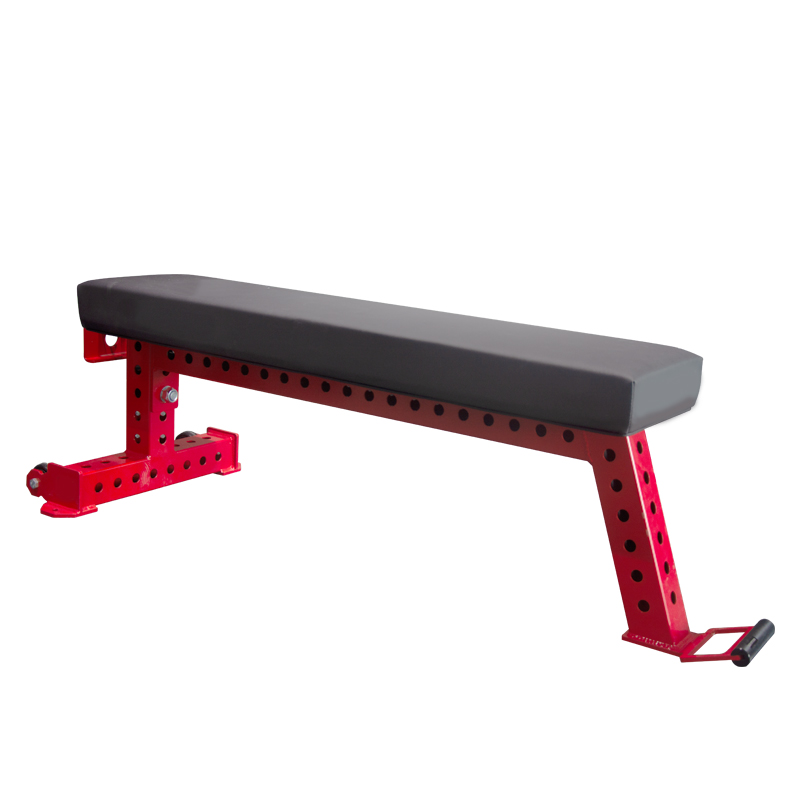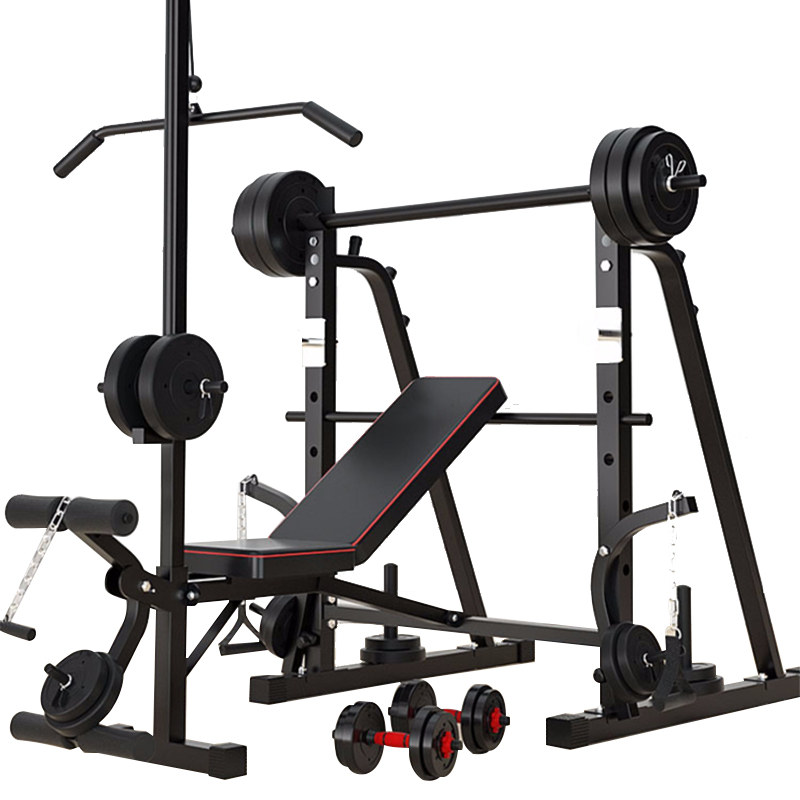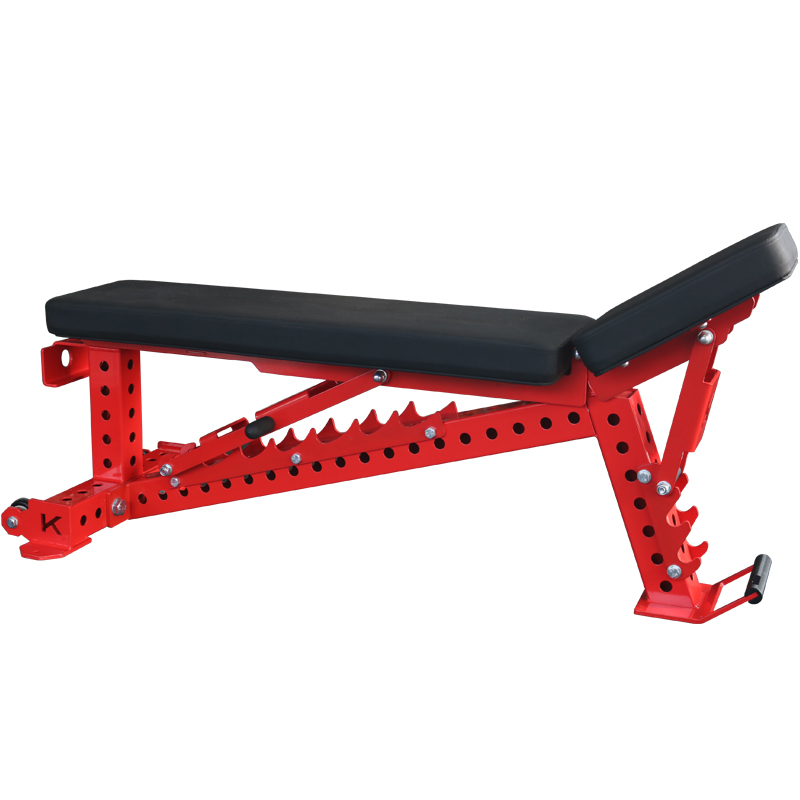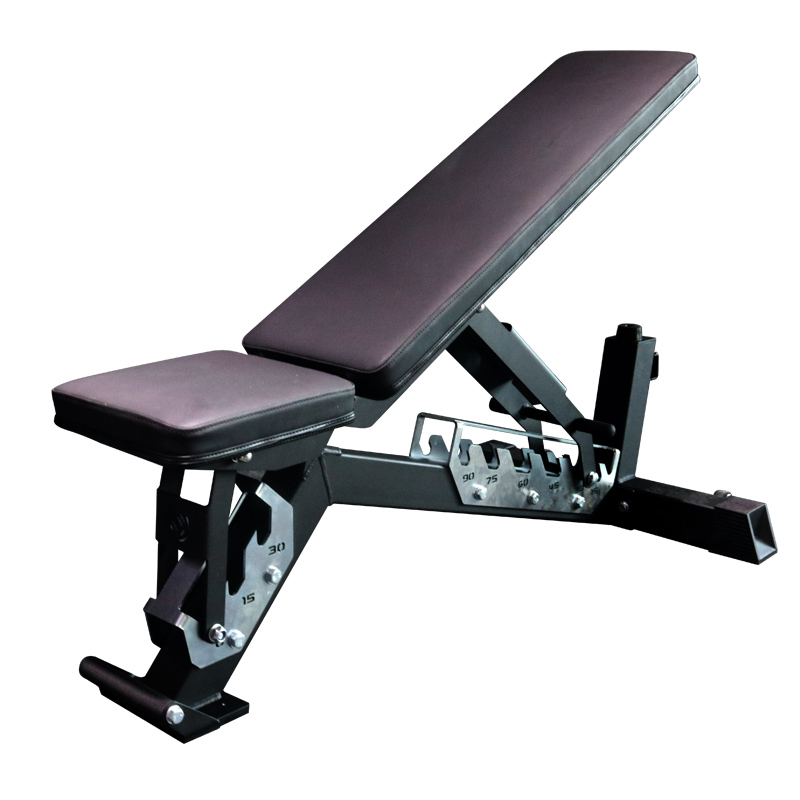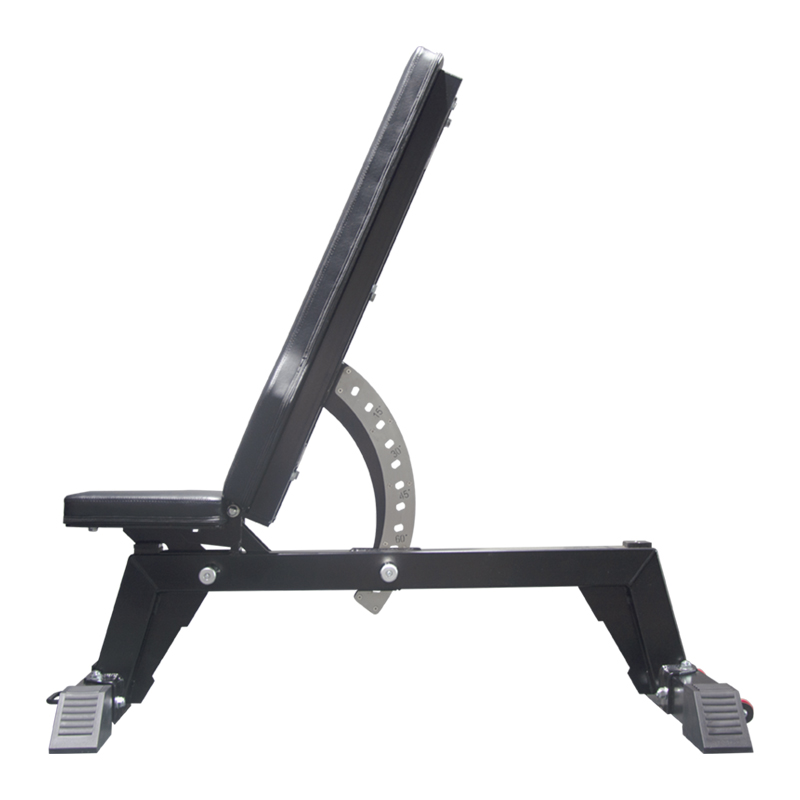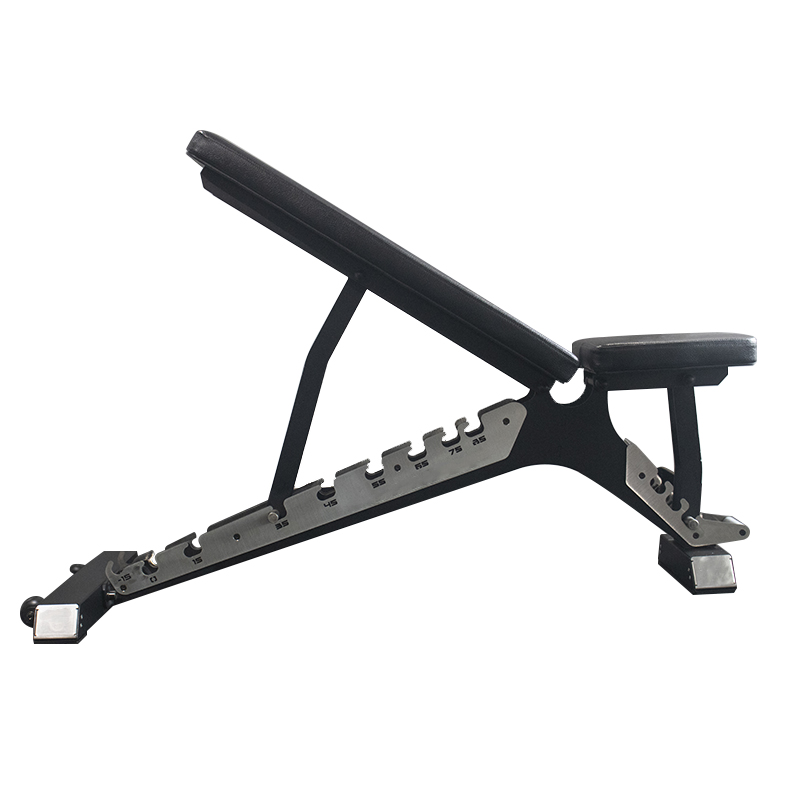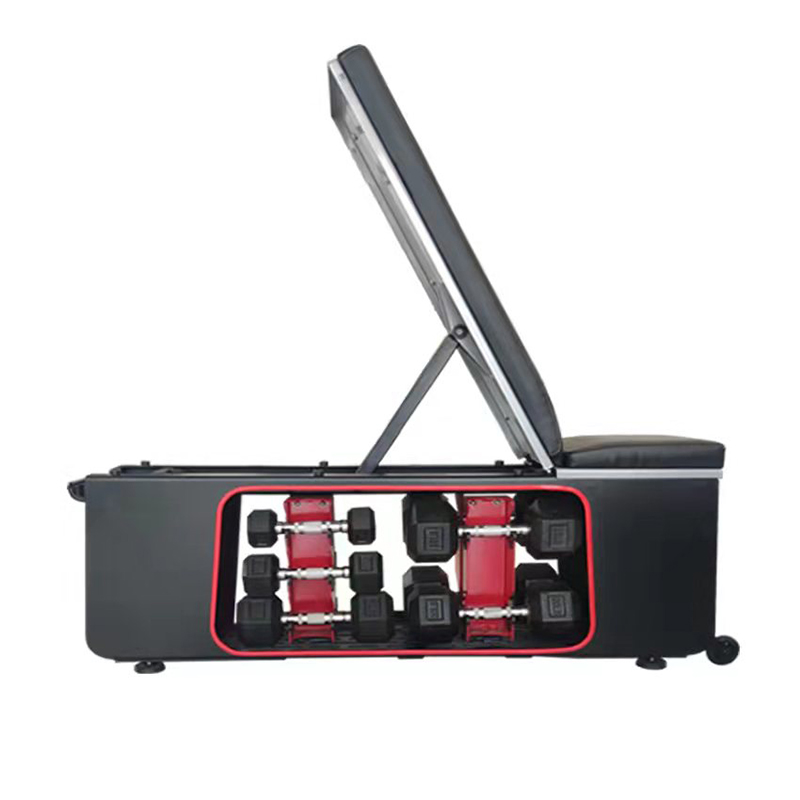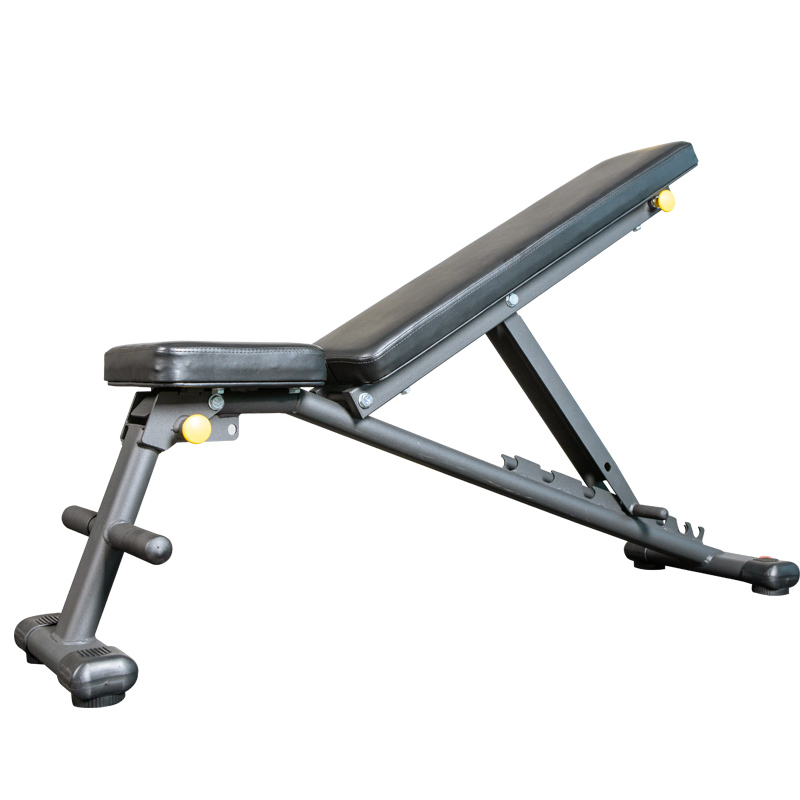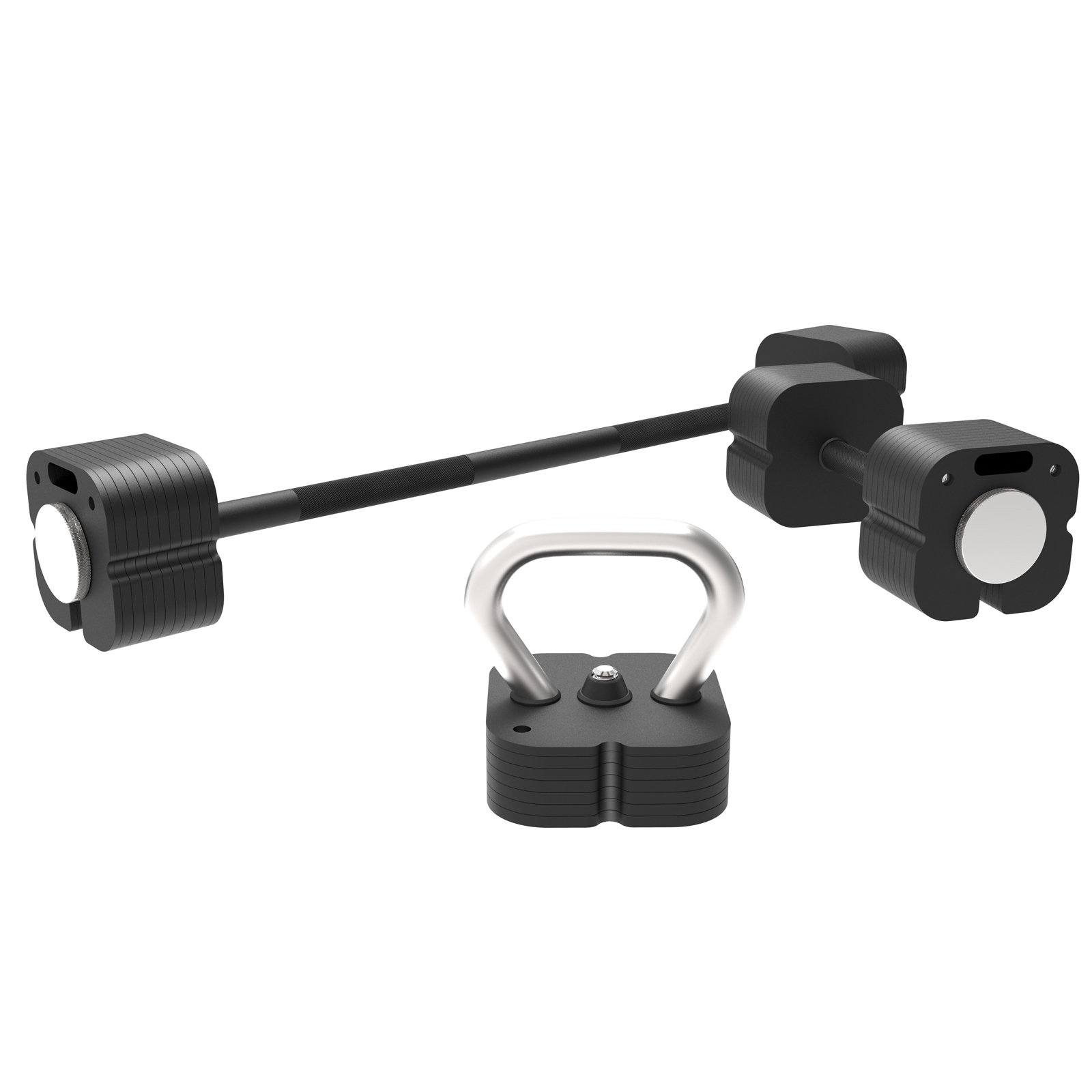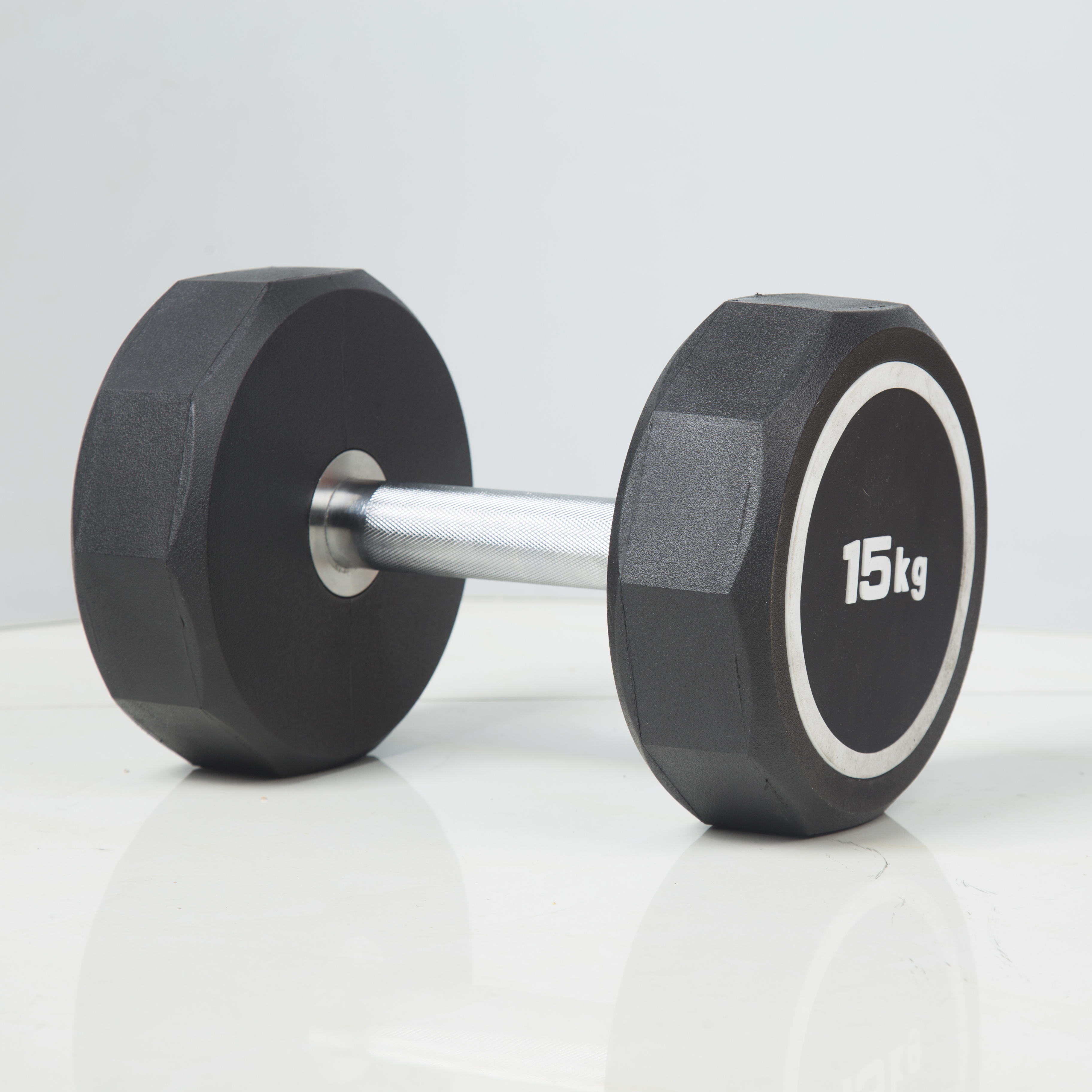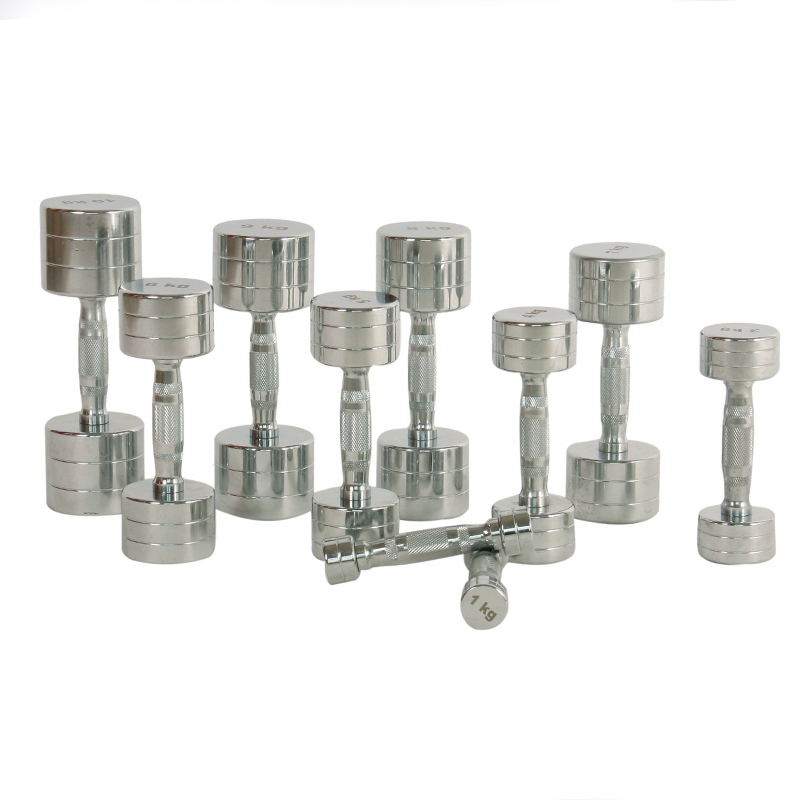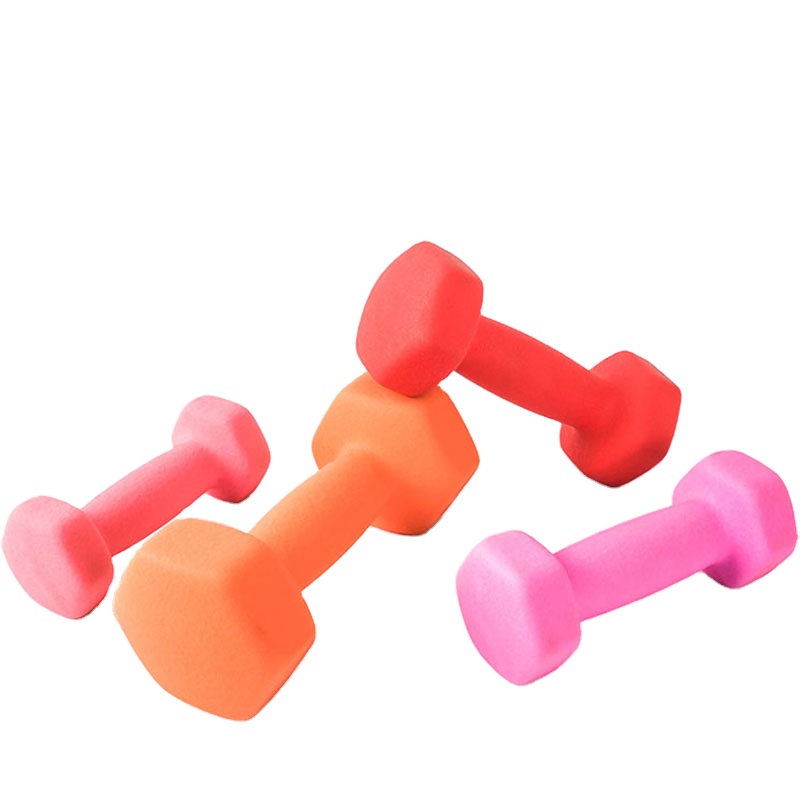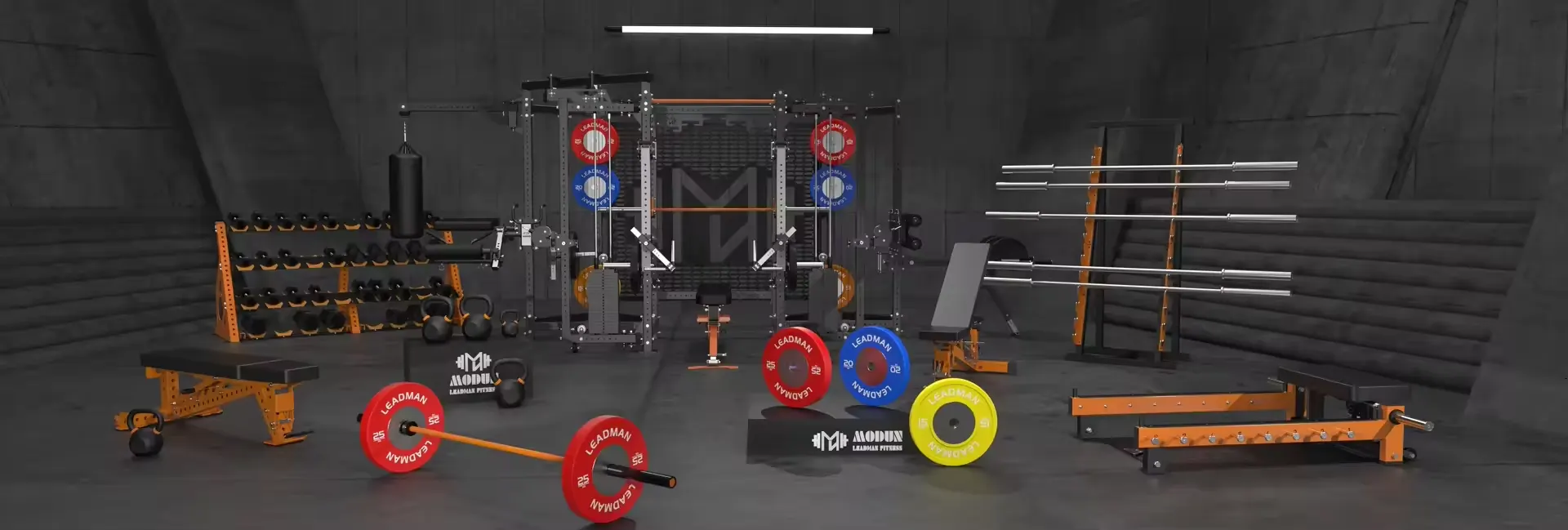
The adjustable incline decline bench has quietly become one of the most indispensable tools in any serious strength training facility. Its ability to target the upper, middle, and lower chest fibers through simple angle changes—not to mention the increased activation of core stabilizers during decline movements—makes it a favorite among athletes and general fitness enthusiasts alike. For commercial gym owners, the versatility of this single piece of equipment translates directly into floor space efficiency and member retention, as it supports everything from heavy bench presses to focused dumbbell flyes and isolation work.
From an engineering standpoint, the real value of a premium adjustable bench lies in its pivot and locking mechanism. A robust, gas-assisted ladder system or a pop-pin design with precisely milled slots ensures that angle transitions remain stable under load. Unlike cheaper models that rely on friction locks prone to slipping, high-end benches incorporate a positive-lock mechanism that audibly clicks into place, offering immediate feedback to the user. This precision engineering is not merely a convenience; it's a safety imperative. When a user is handling heavy dumbbells or a loaded barbell, the last variable they should worry about is whether the bench back will collapse mid-set.
For the facility operator, selecting the right adjustable incline decline bench is a calculated decision involving material gauge, pad density, and footprint. The frame construction should favor 11-gauge or thicker steel, with a powder-coated finish that resists the corrosive effects of sweat and cleaning agents. Equally critical is the thickness of the upholstery—60-70mm of high-density foam is the industry benchmark for commercial use, as it provides sufficient compression resistance to prevent users from feeling the steel frame beneath them. For facilities with limited square footage, the bench should feature transport wheels and a compact footprint; however, stability must never be sacrificed for portability. A wide base and rubberized feet are non-negotiable for floor protection and user safety.

Let our experts design the perfect gym solution for your business. Get a free consultation and quote today.