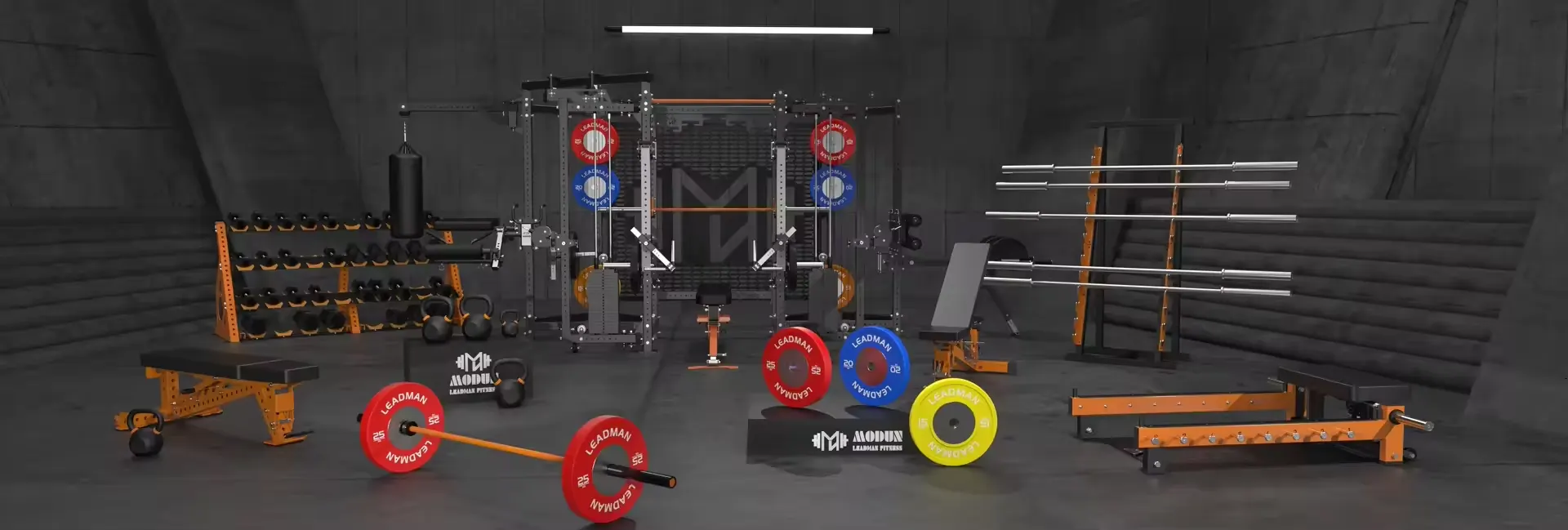
Optimizing the Squat Workout Architecture. In the context of commercial strength and conditioning, the squat is a foundational compound movement requiring precise mechanical integration. A professional-grade squat workout is not merely about load; it is about the synergy between the athlete's biomechanics and the structural integrity of the resistance equipment utilized. Whether performing back squats, front squats, or goblet variations, the stability of the training environment is paramount for injury prevention and progressive overload.
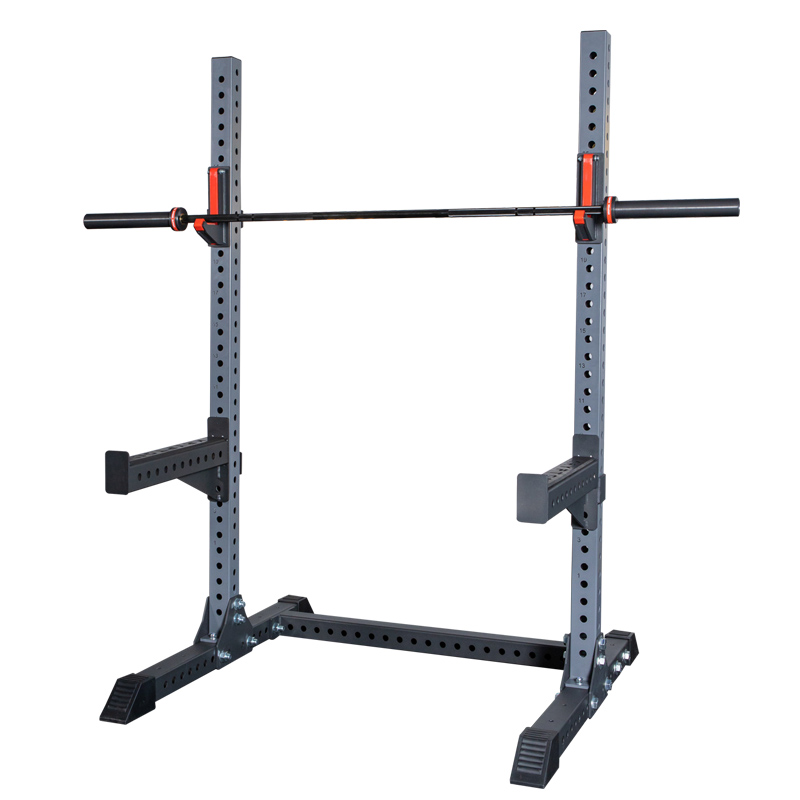
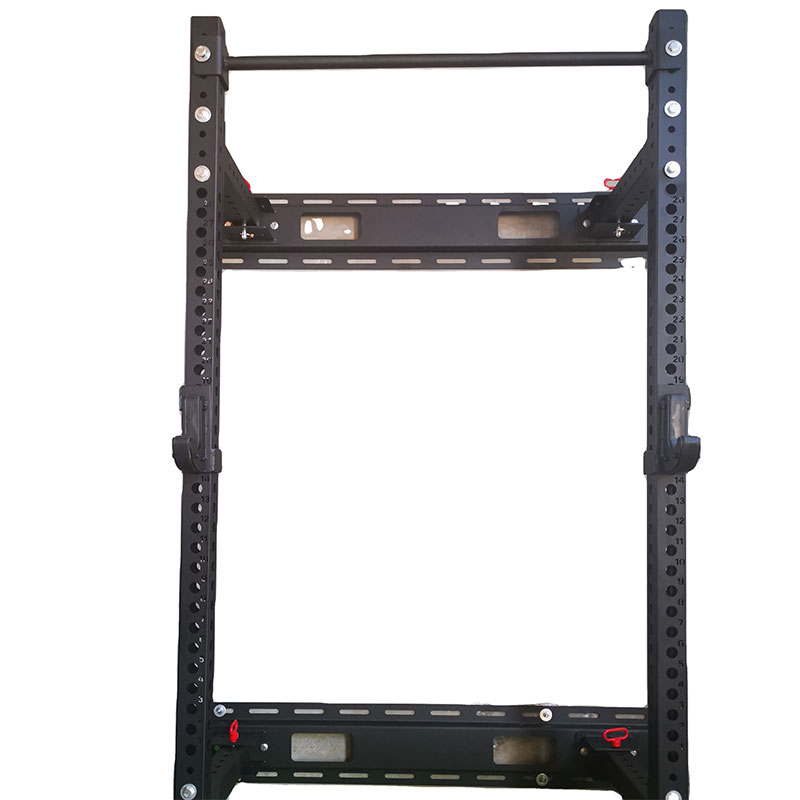
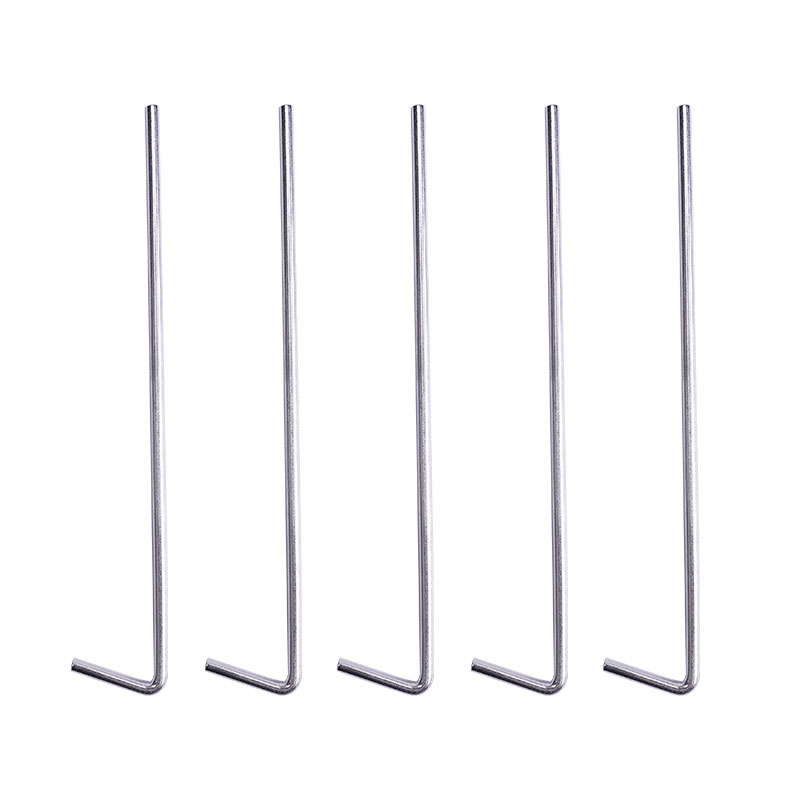
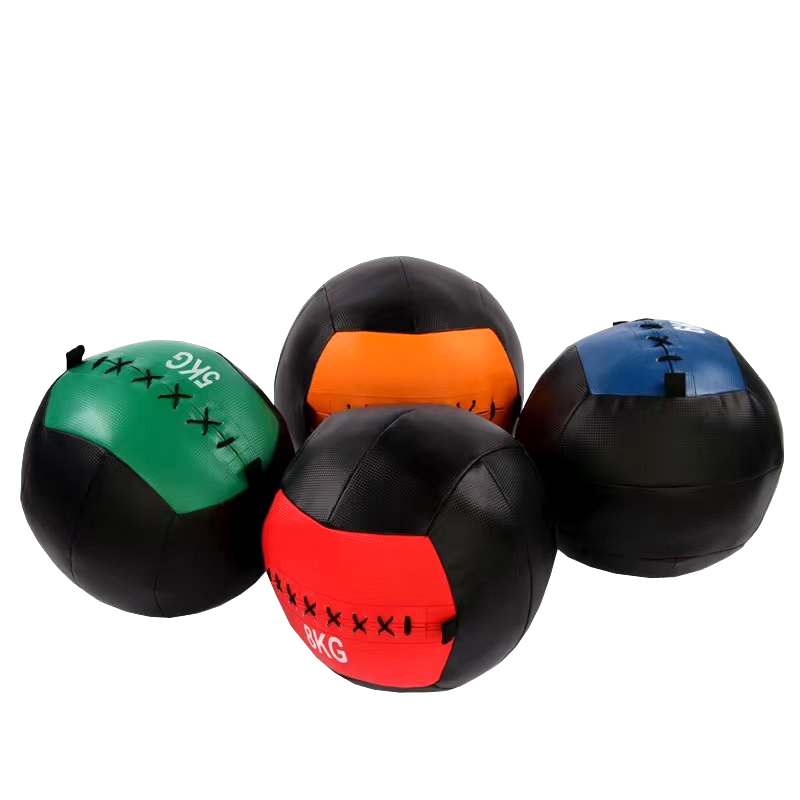
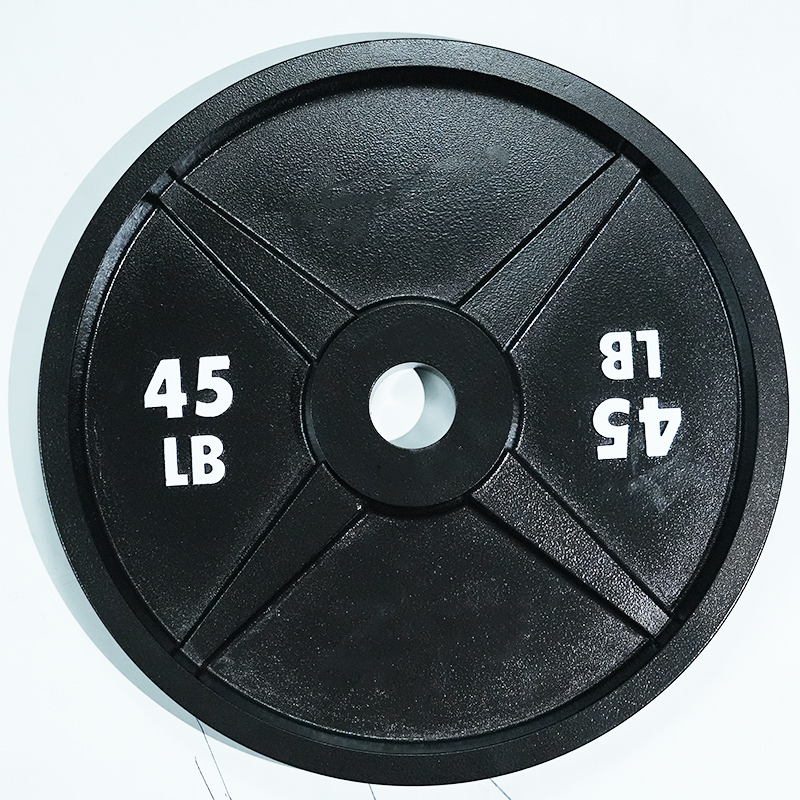
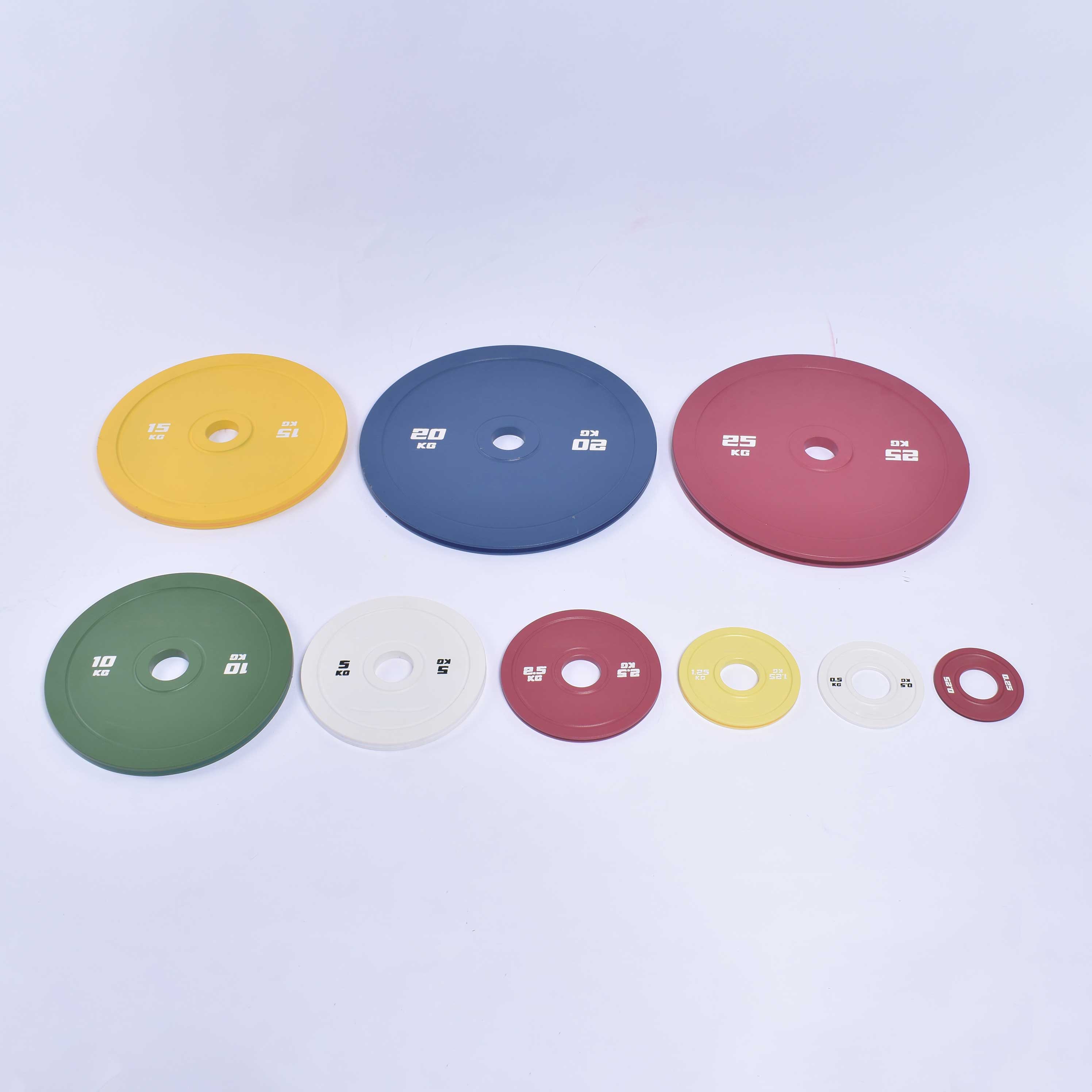
Critical Equipment Specifications for High-Volume Training. To support rigorous squat protocols, facilities must prioritize equipment with high dimensional stability. Essential components include:
Biomechanical Variables and Programming. Effective programming for lower body hypertrophy and neurological strength adaptations requires a nuanced approach to volume and intensity. Coaches must account for the variables of foot positioning, stance width (narrow, conventional, or sumo), and depth. A standard professional squat workout structure typically follows a periodization model, transitioning from high-volume hypertrophy phases to high-intensity neurological peaking phases. This requires adjustable equipment, such as adjustable depth pins or height-adjustable racks, to accommodate varying anatomical proportions and training objectives.
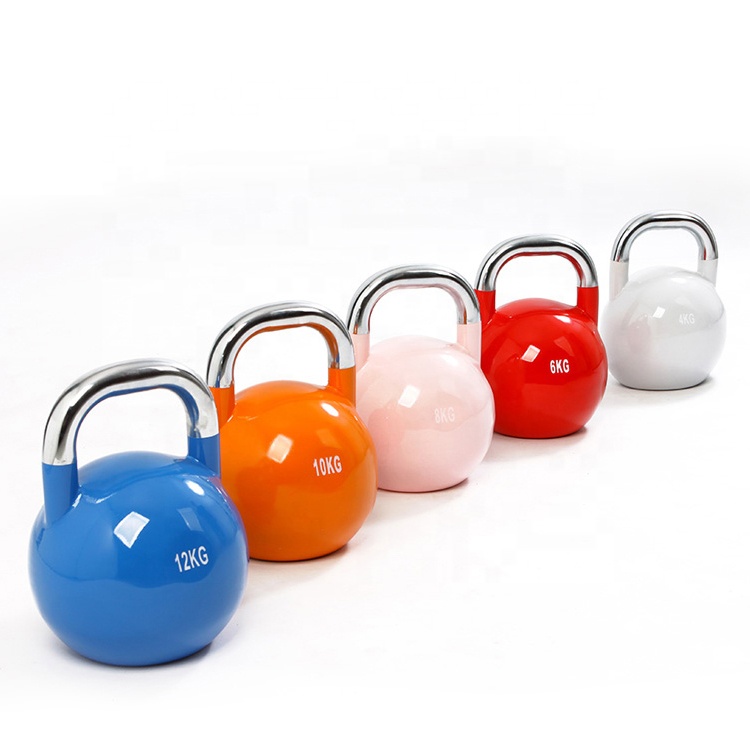
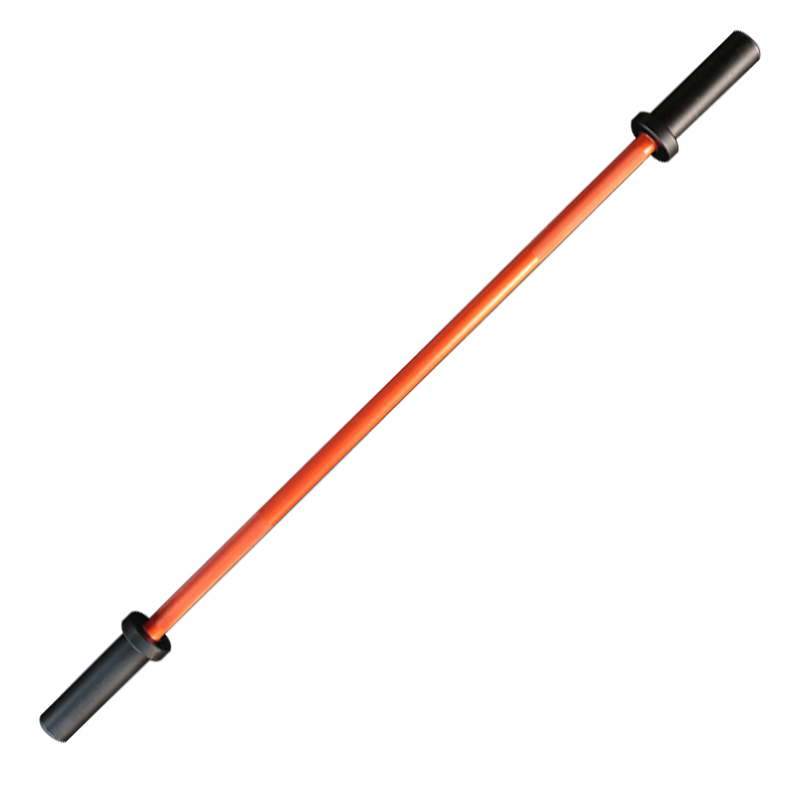
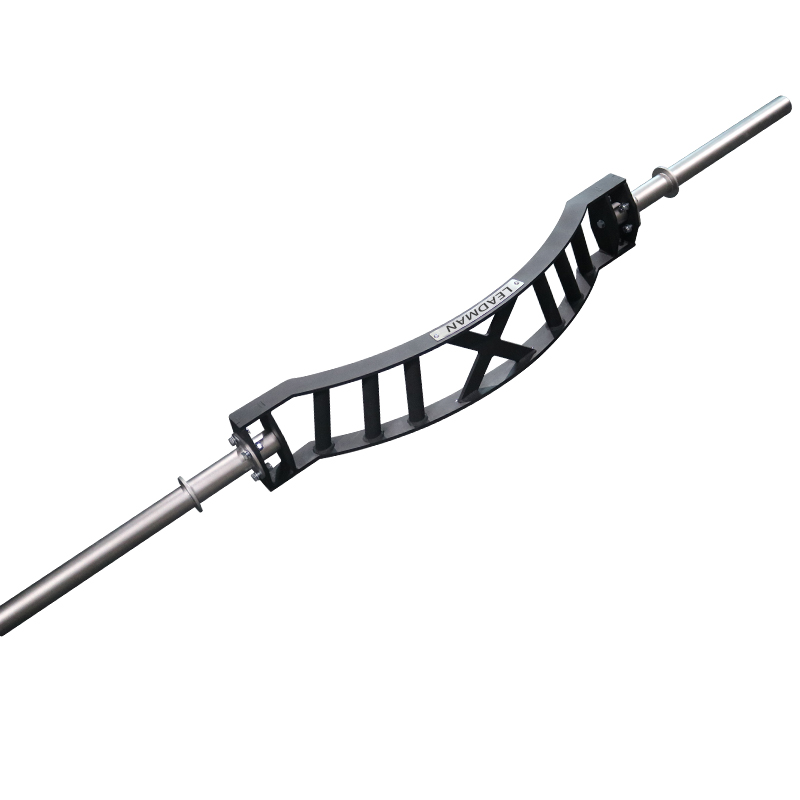
Facility Implementation and Safety Protocols. For commercial gym operators and strength coaches, ensuring the safety of the squat movement is a matter of equipment maintenance and environmental control. Implementing rigorous inspection schedules for barbell sleeves, rack uprights, and safety spotter arms is essential. Furthermore, providing varied implements—such as specialized squat wedges or kettlebells—allows for a more comprehensive training stimulus, catering to different levels of mobility and technical proficiency within a diverse clientele.
Let our experts design the perfect gym solution for your business. Get a free consultation and quote today.