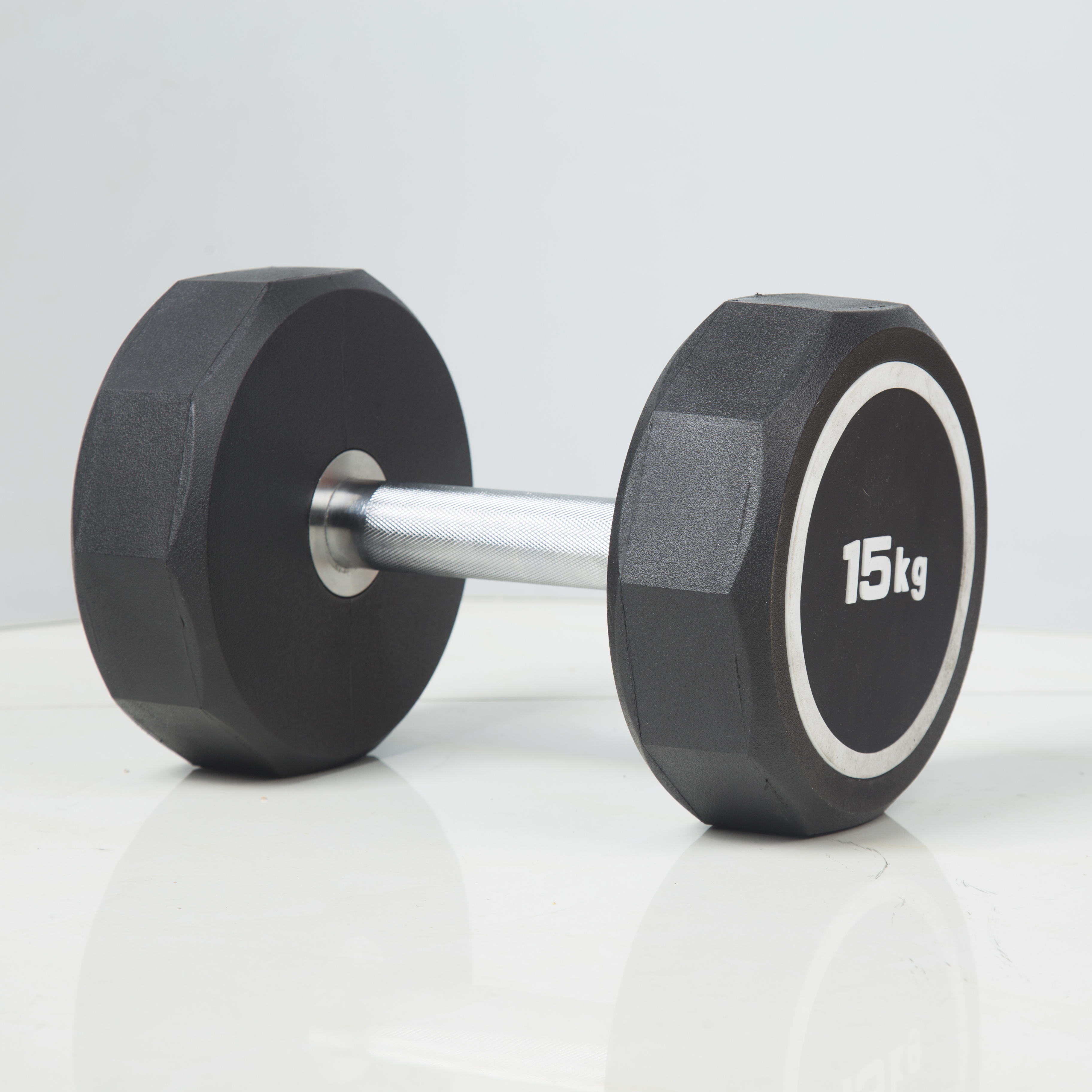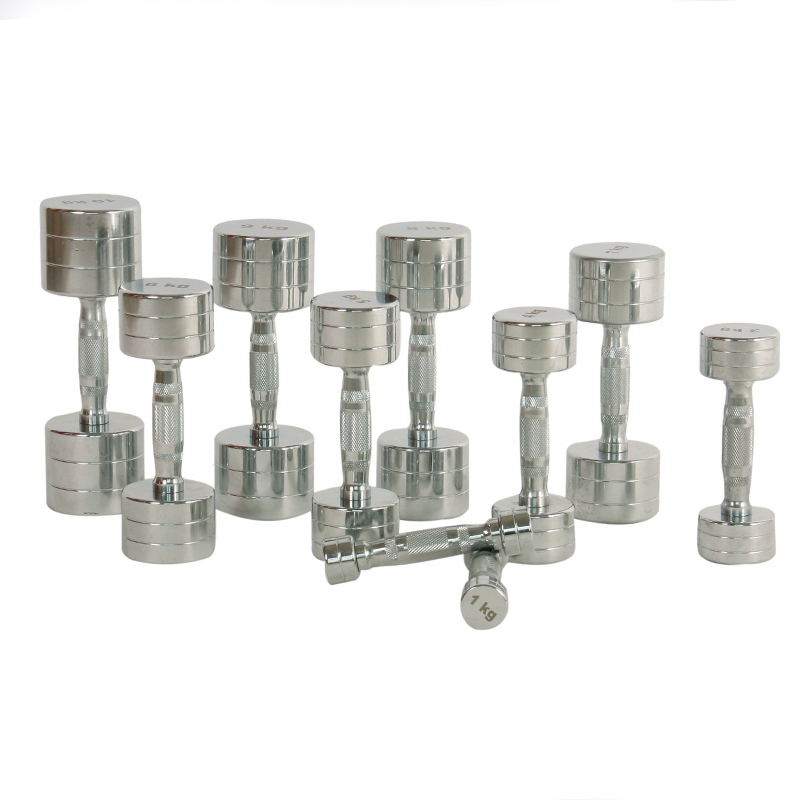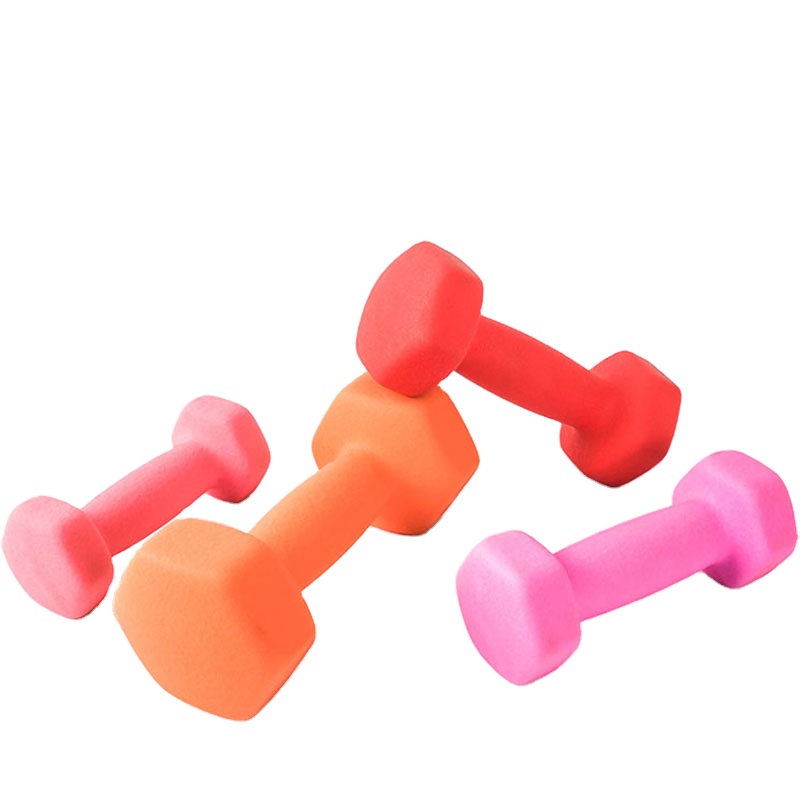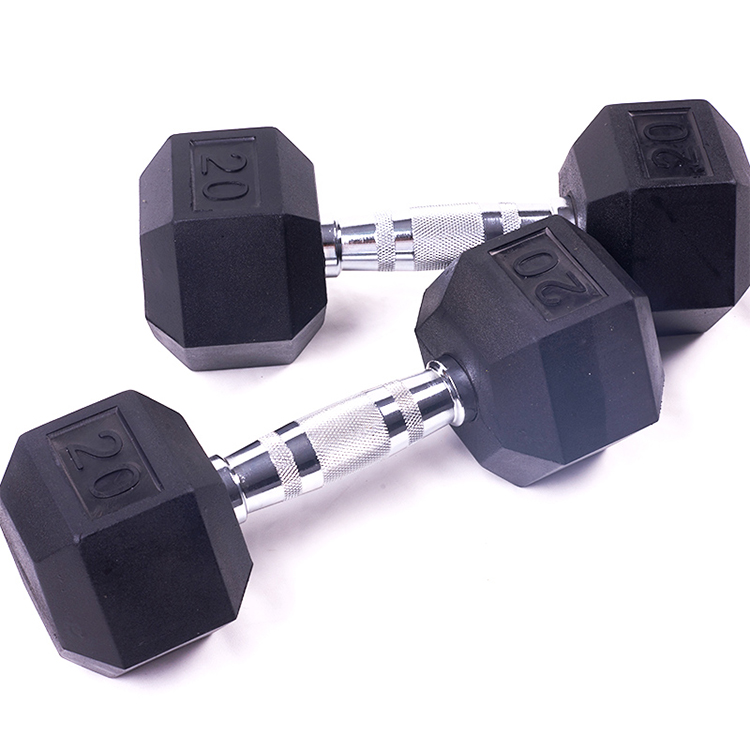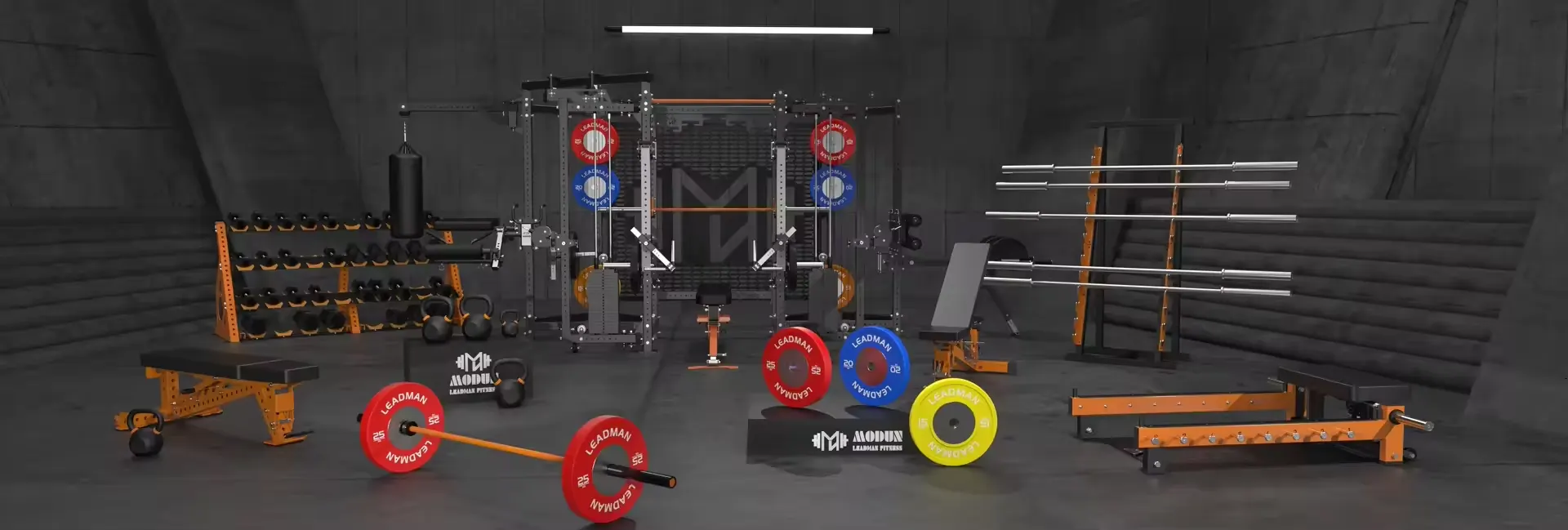
The Technical Landscape of Dumbbell Manufacturing. The production of high-quality dumbbells requires precise engineering to ensure weight consistency, durability, and ergonomic safety. Whether manufacturing cast iron, rubber-encased, or neoprene-coated dumbbells, the fundamental objective is to achieve strict tolerance levels in weight distribution and structural integrity. High-volume B2B manufacturing involves complex metallurgical processes and sophisticated casting or molding techniques to meet international fitness standards.
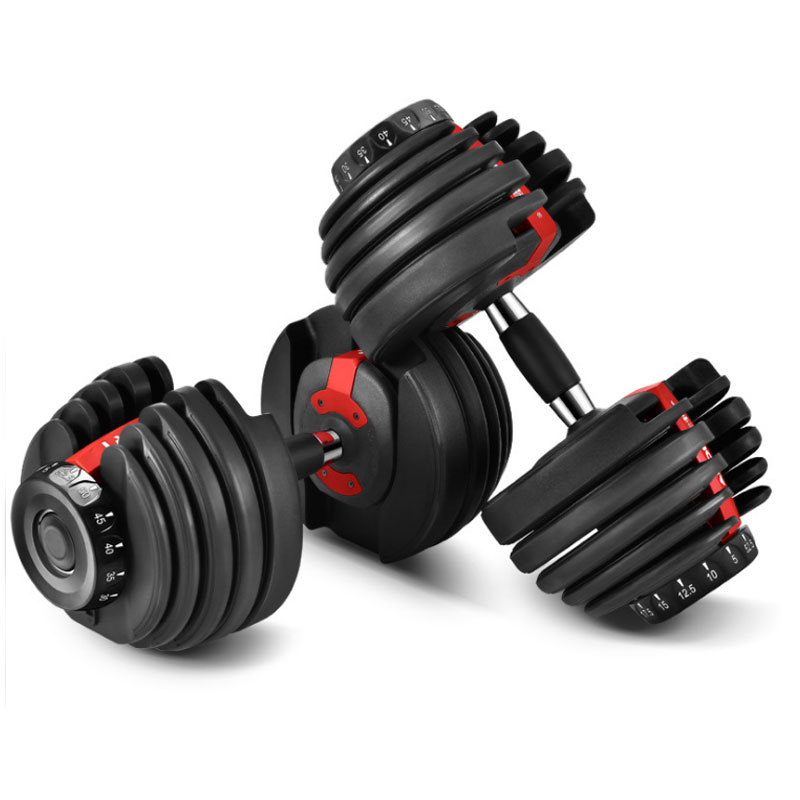
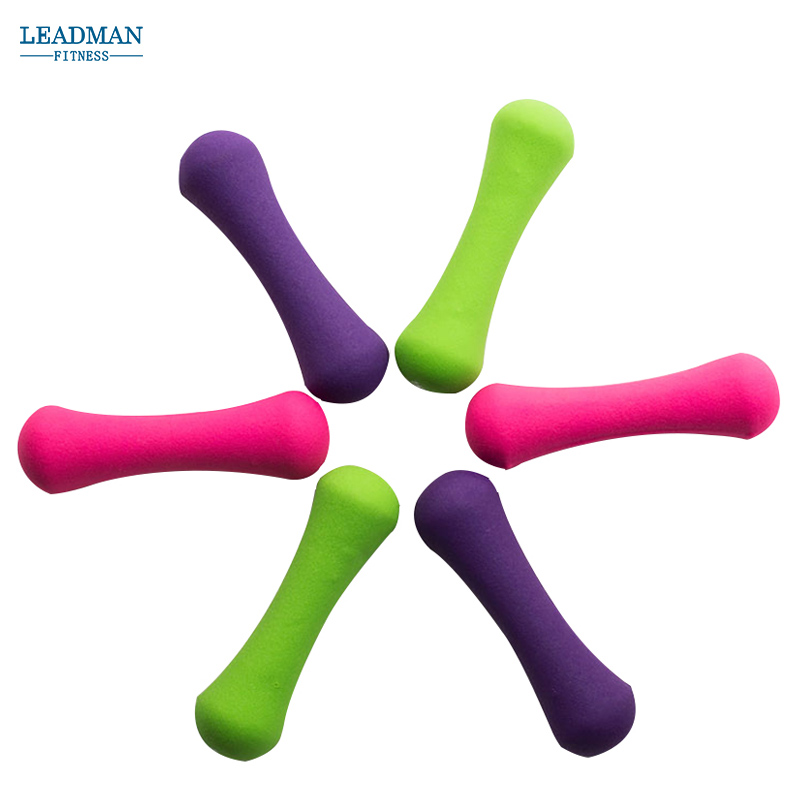
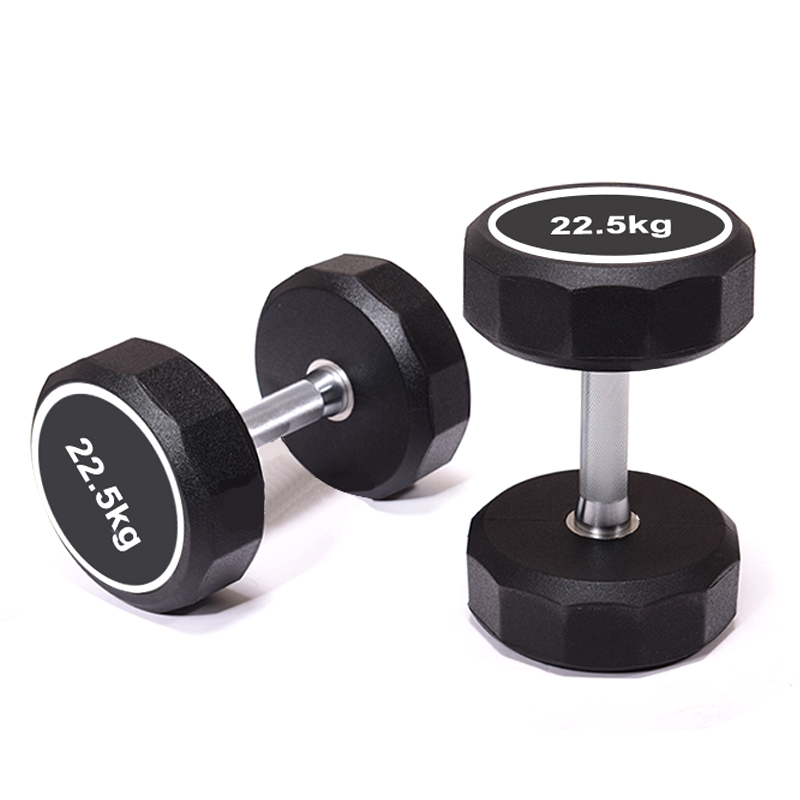
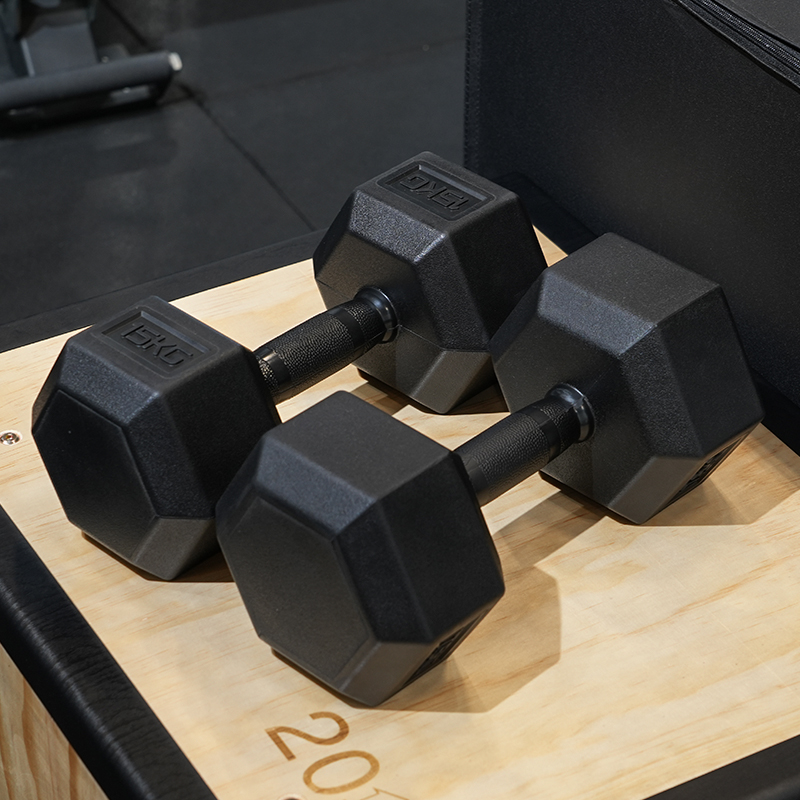
Core Material Specifications and Production Methods. Different dumbbell types necessitate specific manufacturing workflows:
Critical Engineering Components. A crucial aspect of the manufacturing process is the integration of the handle (the grip). The handle must be securely bonded or mechanically fastened to the weight head to prevent separation. Common materials include stainless steel, chrome-plated steel, or knurled steel. Knurling precision is a vital metric; the pattern must be consistent and depth-controlled to ensure a secure grip without causing skin abrasion.
Quality Control and B2B Sourcing Criteria. For commercial procurement and large-scale gym fit-outs, quality assurance (QA) must focus on three primary areas:
Supply Chain Considerations. When sourcing from manufacturers, it is essential to verify their capacity for customization (OEM/ODM), including custom branding, specific handle knurling patterns, and specialized coating options such as urethane or Neoprene for premium commercial segments.
Let our experts design the perfect gym solution for your business. Get a free consultation and quote today.