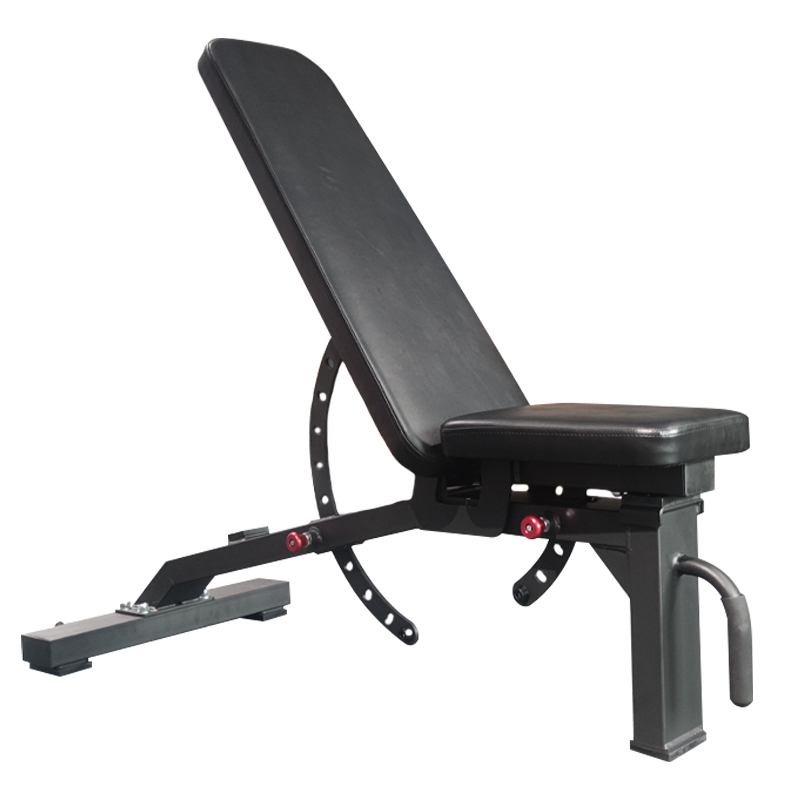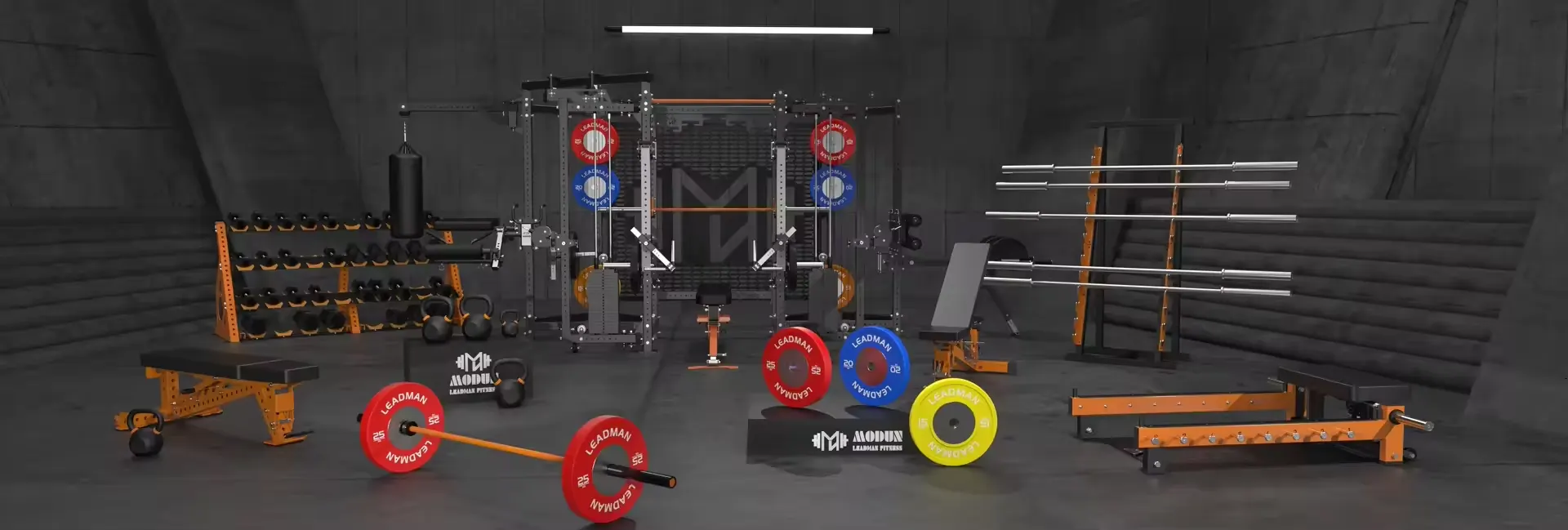
The operational integrity of commercial strength training equipment relies heavily on the precision and durability of individual gym machine parts. For facility managers, equipment manufacturers, and maintenance engineers, understanding the technical specifications of these components is essential for minimizing downtime and ensuring user safety. High-performance fitness machinery is a complex assembly of structural, mechanical, and ergonomic elements designed to withstand repetitive high-impact loading.
Core Component Categories
Commercial gym equipment can be categorized by the specific functional systems that require regular inspection and part replacement:
Engineering Standards and Sourcing Criteria
When sourcing replacement parts, technical procurement specialists must prioritize material compatibility and dimensional accuracy. For example, weight stack selector pins must meet specific metallurgical standards to prevent shearing, while nylon bushings must offer low coefficients of friction to ensure smooth movement. Failure to match OEM (Original Equipment Manufacturer) specifications can lead to catastrophic mechanical failure or diminished user experience.
Preventative Maintenance and Lifecycle Management
A proactive maintenance strategy involves the scheduled replacement of high-wear consumables such as cables, pulleys, and upholstery. Monitoring the tension in cable-driven systems and checking the lubrication levels on guide rods are critical steps in extending the lifecycle of the machine. By maintaining a detailed inventory of essential gym machine parts, facility operators can transition from reactive repairs to a controlled, preventative maintenance model, optimizing the total cost of ownership for their fitness assets.
Let our experts design the perfect gym solution for your business. Get a free consultation and quote today.