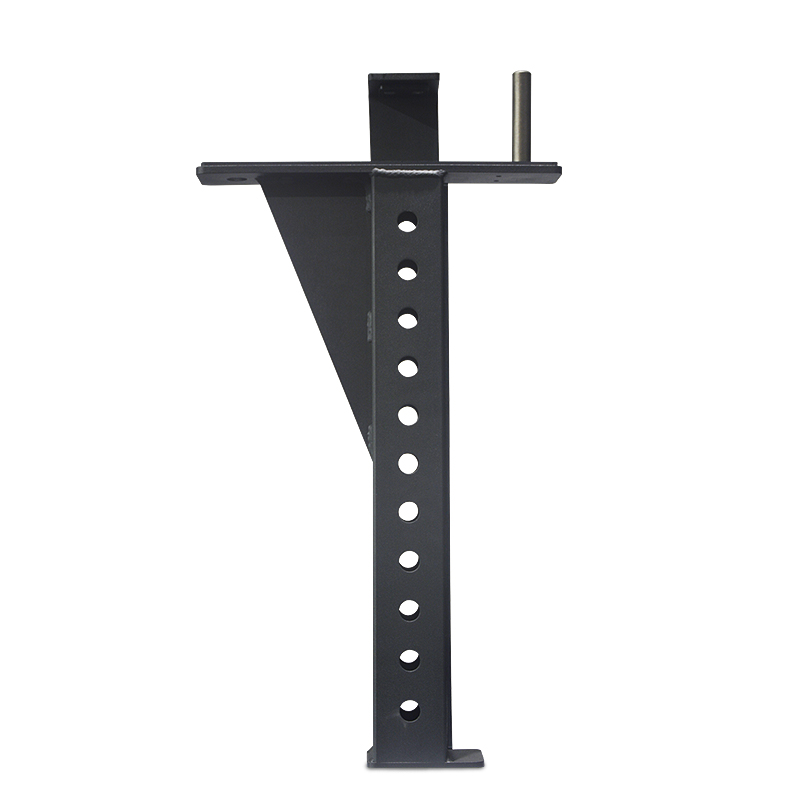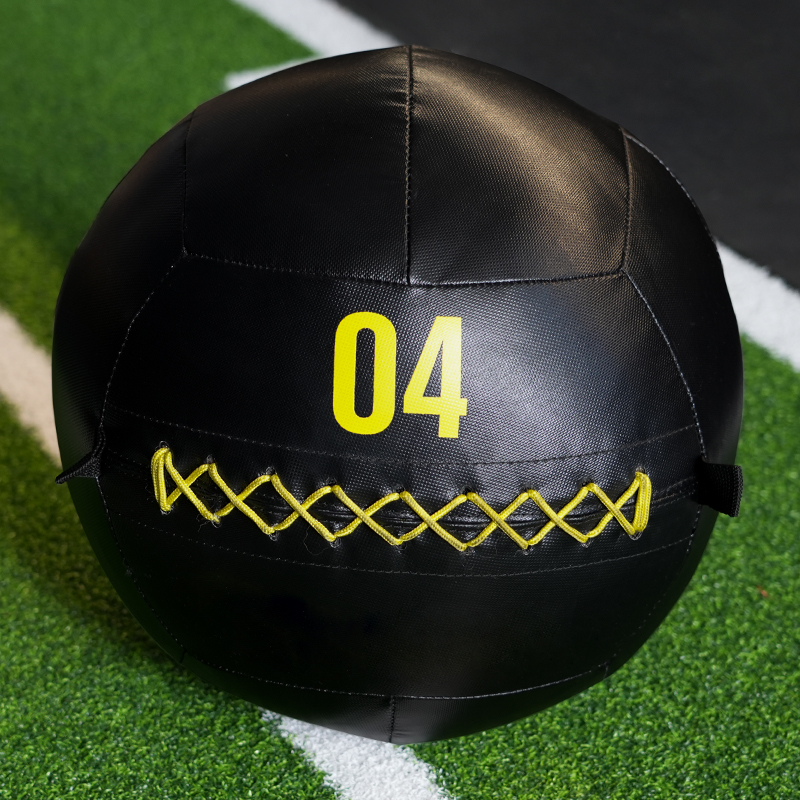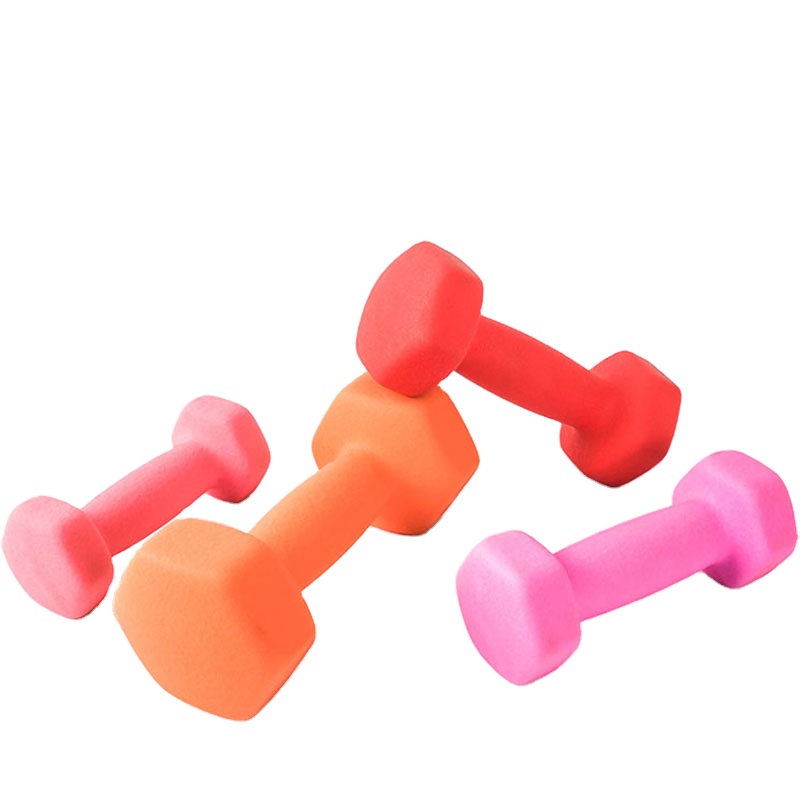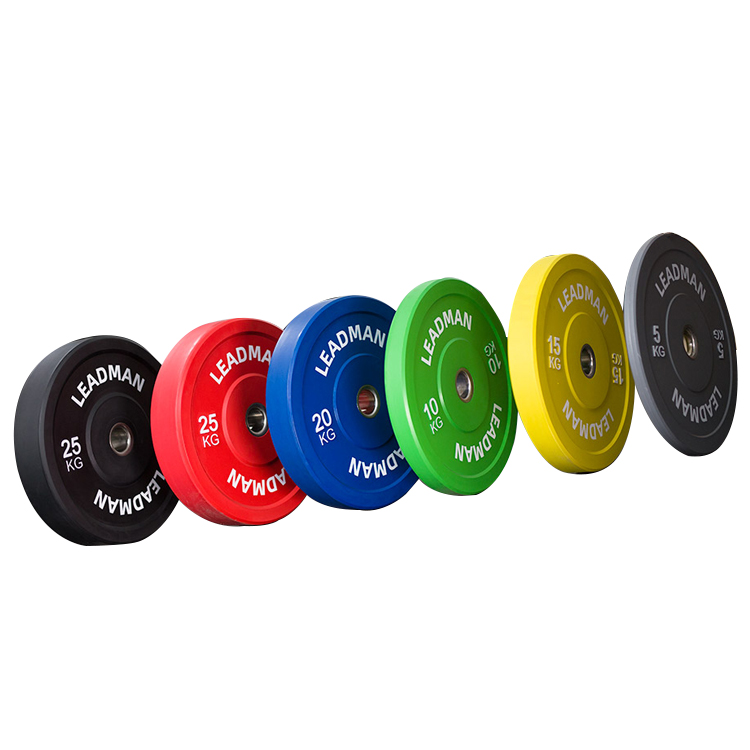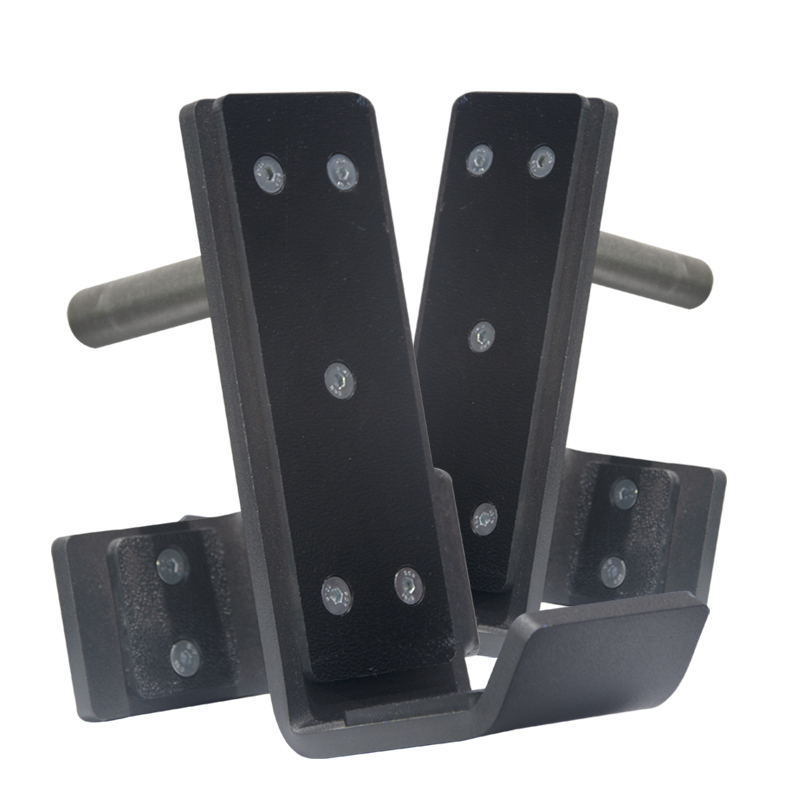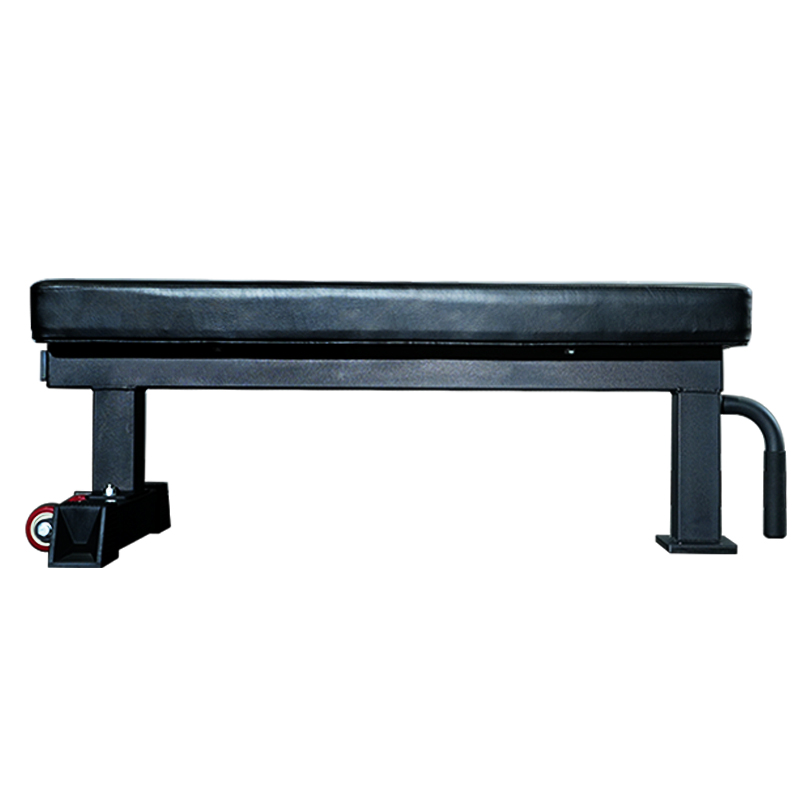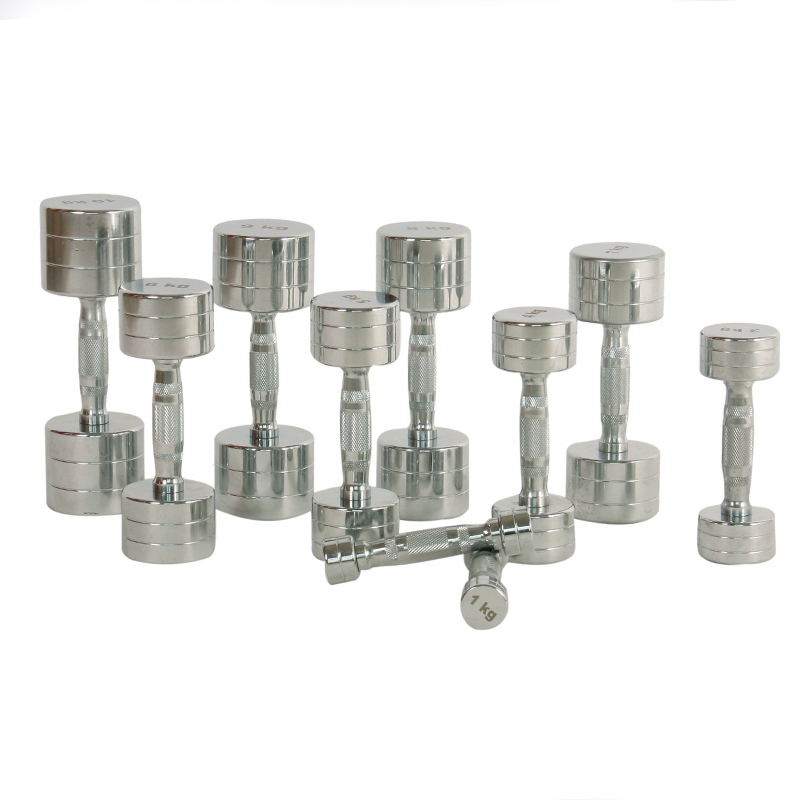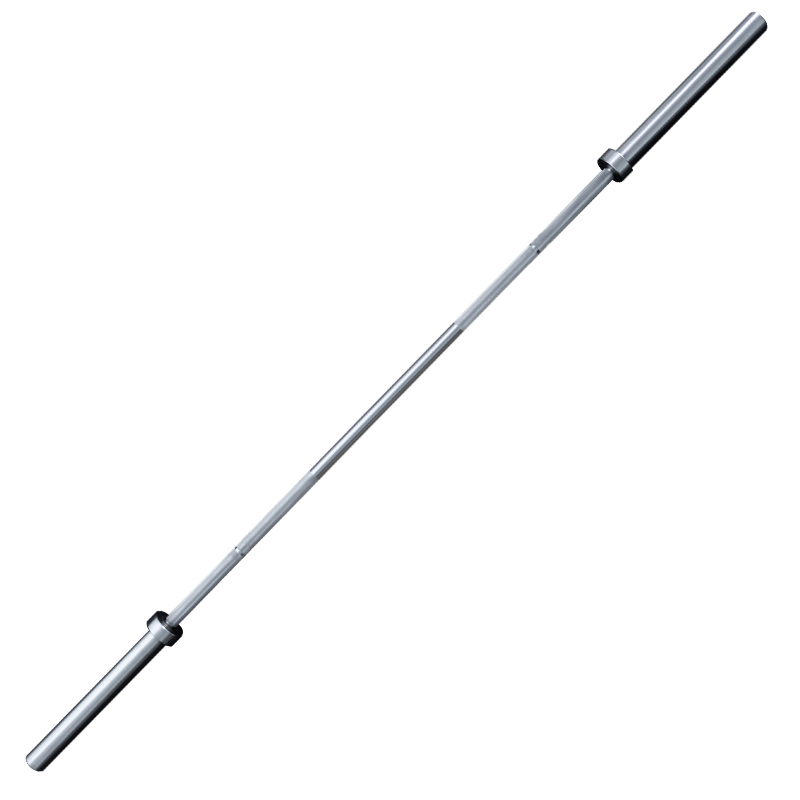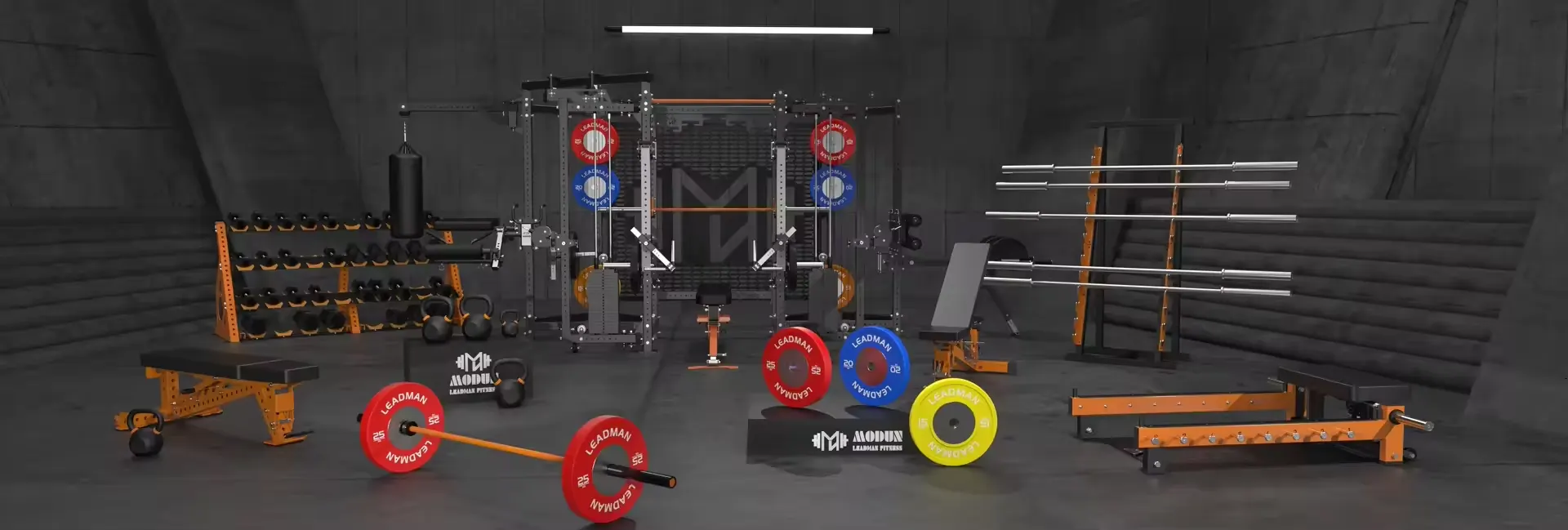
Selecting the right gym machine manufacturers is a critical decision for commercial gym owners, distributors, and procurement specialists. The fitness equipment industry relies on a complex supply chain where engineering precision, material durability, and biomechanical accuracy determine the long-term ROI of a facility. Whether you are sourcing high-end strength training stations or high-volume cardio equipment, understanding the manufacturer's production capabilities is essential.
Core Manufacturing Standards and Engineering
A professional-grade manufacturer must demonstrate mastery over various fabrication processes. High-quality gym equipment is typically constructed from heavy-gauge steel tubing, often finished with electrostatic powder coating to prevent corrosion and wear. Key technical aspects to evaluate include:
Sourcing Strategies for B2B Buyers
When engaging with global manufacturers, buyers must differentiate between Original Equipment Manufacturers (OEM) and Original Design Manufacturers (ODM). OEM partners are ideal for brands looking to place their own identity on proven designs, while ODM partners offer greater flexibility for custom hardware development. During the procurement phase, it is vital to verify certifications such as ISO 9001 for quality management and CE or ASTM compliance for safety standards. Professional buyers should request technical specification sheets (TDS) to verify load capacities and dimensions before finalizing bulk orders.
Evaluating Supplier Capabilities
A reliable manufacturer should provide more than just physical hardware. A comprehensive supplier partnership involves post-purchase support and logistical reliability. Consider the following operational metrics:
Ultimately, the goal of partnering with top-tier manufacturers is to ensure that every piece of equipment contributes to a professional training environment that is both durable and functionally superior.

Let our experts design the perfect gym solution for your business. Get a free consultation and quote today.