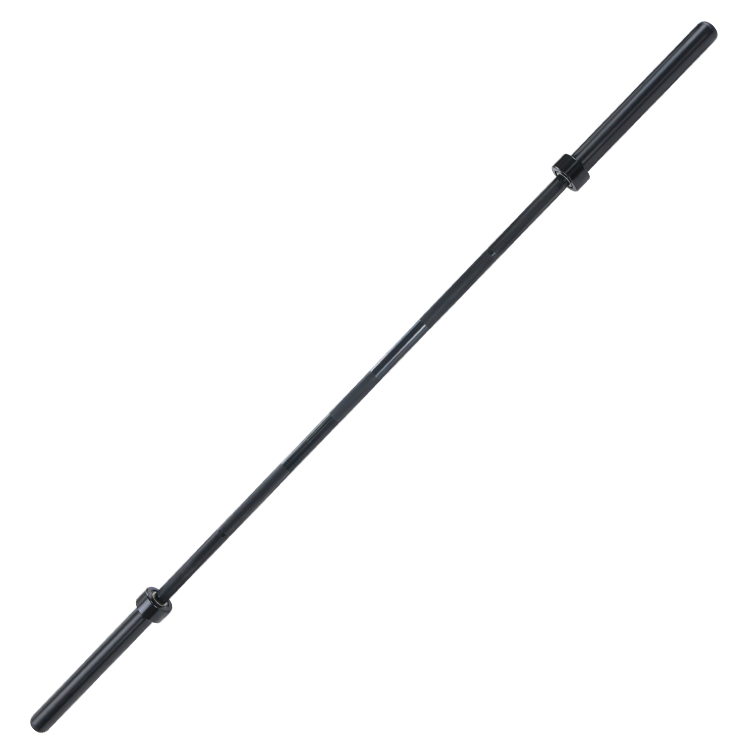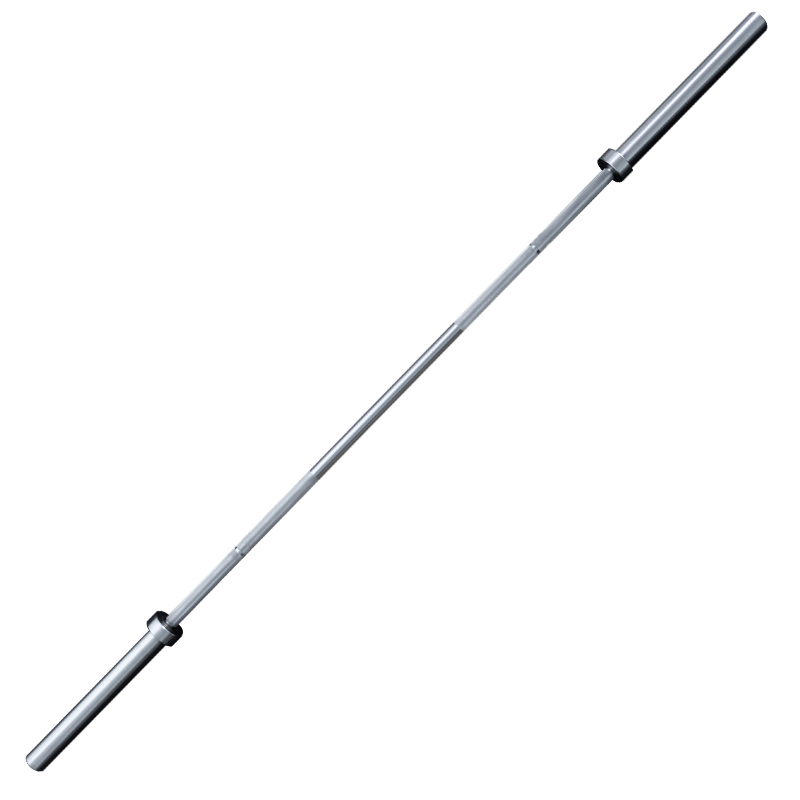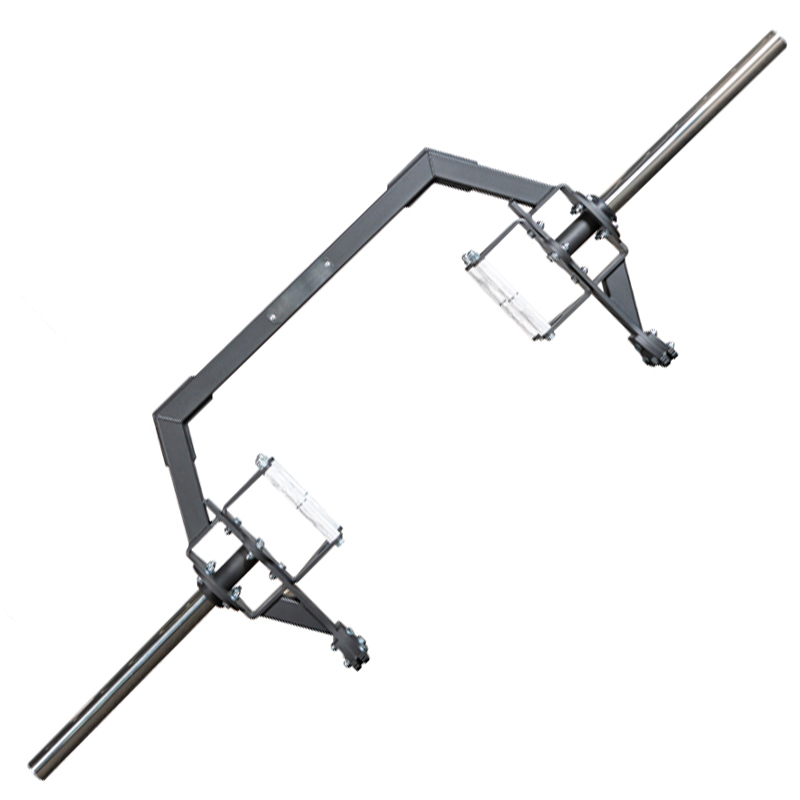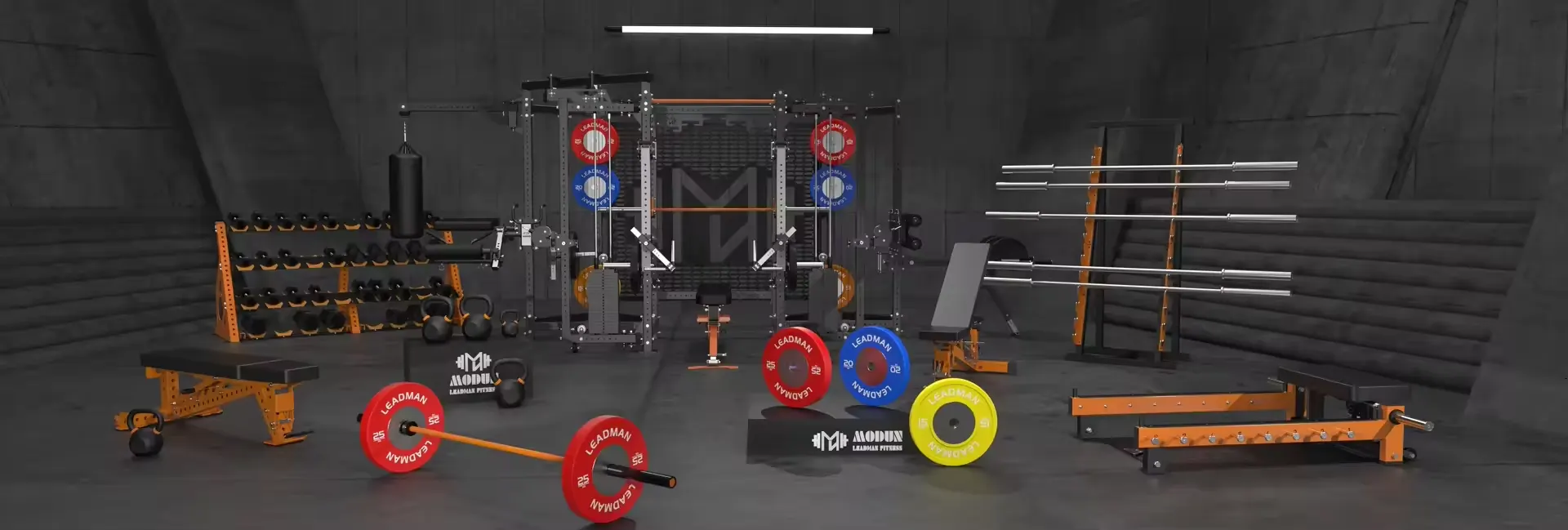
In the fitness equipment procurement lifecycle, the search for a good cheap barbell often presents a paradox between initial capital expenditure and long-term durability. For gym owners, strength coaches, and high-volume commercial facilities, 'cheap' should not imply a lack of structural integrity, but rather an optimized cost-to-performance ratio. Understanding the technical specifications that separate a disposable product from a high-value asset is critical for sustainable sourcing.
Core Engineering Specifications
When evaluating budget-friendly barbell options, buyers must look beyond the price tag and scrutinize the metallurgy and mechanical design. A reliable barbell, regardless of price point, must meet specific baseline standards to ensure user safety and equipment longevity:
Determining Value vs. Price
To identify a high-value barbell, procurement specialists should analyze the total cost of ownership (TCO). A low-cost bar that requires frequent replacement due to shaft bending or bearing failure is ultimately more expensive than a mid-tier professional bar. When sourcing, differentiate between 'economy' bars intended for light residential use and 'entry-level commercial' bars designed for high-frequency turnover.
Strategic Sourcing Recommendations
For those looking to optimize their equipment budget, we recommend focusing on the following procurement strategies:
By focusing on mechanical reliability and material consistency rather than just the lowest sticker price, buyers can secure equipment that supports rigorous training cycles while maintaining strict budgetary control.

Let our experts design the perfect gym solution for your business. Get a free consultation and quote today.