Selecting the appropriate squat rack configuration is critical for optimizing floor space, structural integrity, and training versatility in both commercial and high-end home gym environments. A squat rack is not a monolithic category; rather, it is a spectrum of engineering designs tailored to specific load capacities, safety requirements, and footprint constraints.
The Power Rack (Full Cage)
Often considered the gold standard for strength and safety, the power rack (or power cage) features a complete four-post structure. This design provides maximum user security due to the presence of multiple safety pins or spotter arms on all sides. For commercial facilities and heavy-duty strength training, the power cage is preferred because it allows for high-intensity lifting with minimal risk of injury during failed repetitions. The structural rigidity of a full cage is superior, often supporting heavier barbell loads under dynamic movement.
The Half Rack
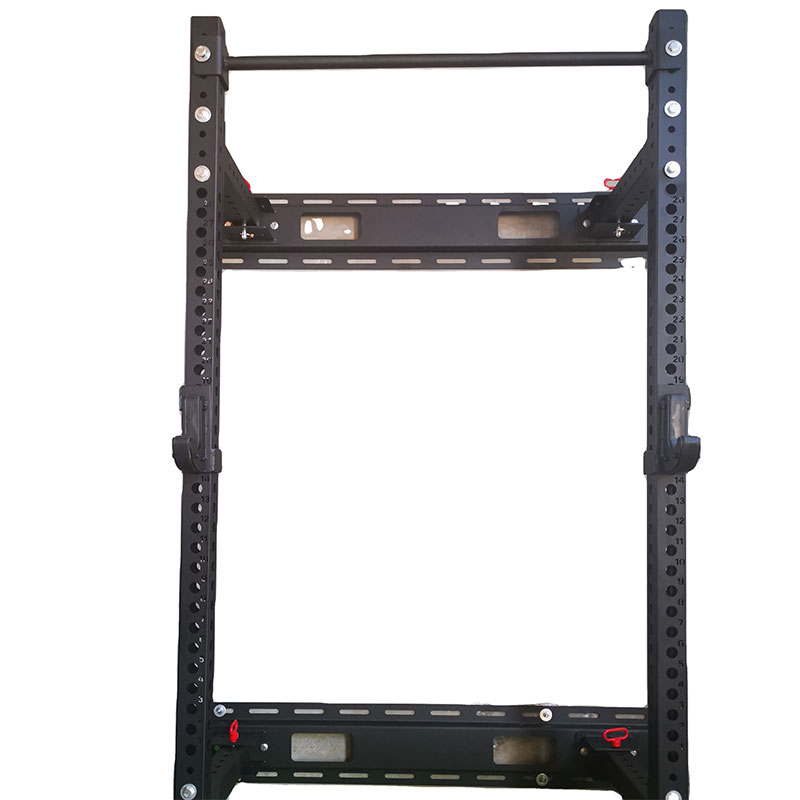
A half rack offers a balance between the compact footprint of a squat station and the robust safety of a full power cage. It typically consists of a rear upright structure with a front loading area. This design is highly efficient for facilities looking to maximize throughput and floor space. While it lacks the 360-degree enclosure of a full cage, it is more versatile for accessory work and provides a more open feeling for the lifter. It is an ideal solution for specialized strength zones where space optimization is a primary driver.
The Squat Station (Squat Stand)
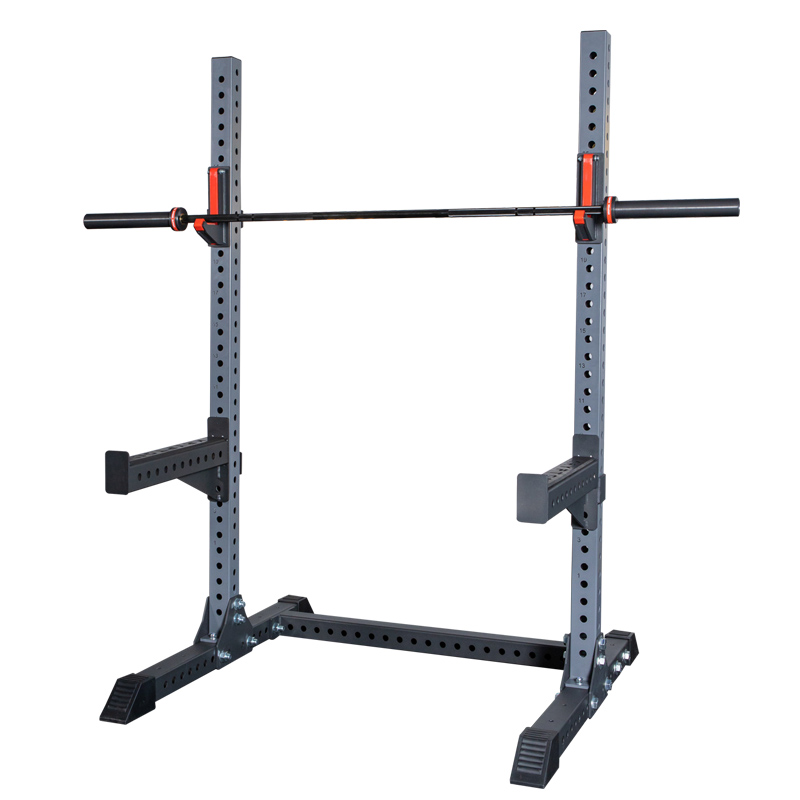
Squat stations or squat stands are the most minimalist option in the category. These units typically consist of two uprights and a barbell rest, often supplemented by adjustable or fixed safety arms. While they offer the smallest footprint and lowest cost of entry, they require a higher degree of technical proficiency and spatial awareness from the lifter. In a professional setting, these are often used in dedicated lifting bays where the user is an experienced strength athlete.
Key Procurement Criteria
When sourcing different types of squat racks for a facility, procurement managers should evaluate the following technical specifications:
Choosing the correct model depends on the target demographic, the available square footage, and the intended intensity of the training programs provided within the facility.

Let our experts design the perfect gym solution for your business. Get a free consultation and quote today.