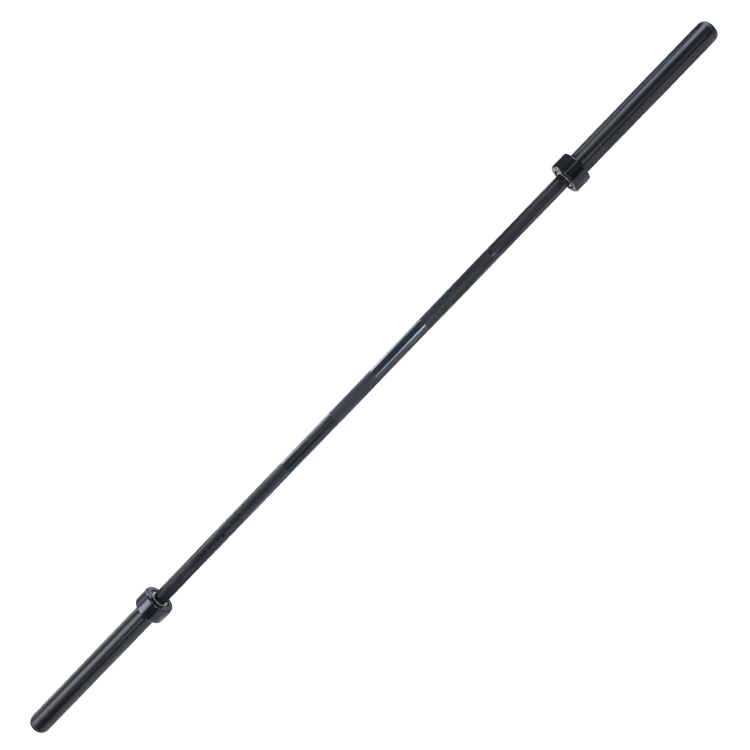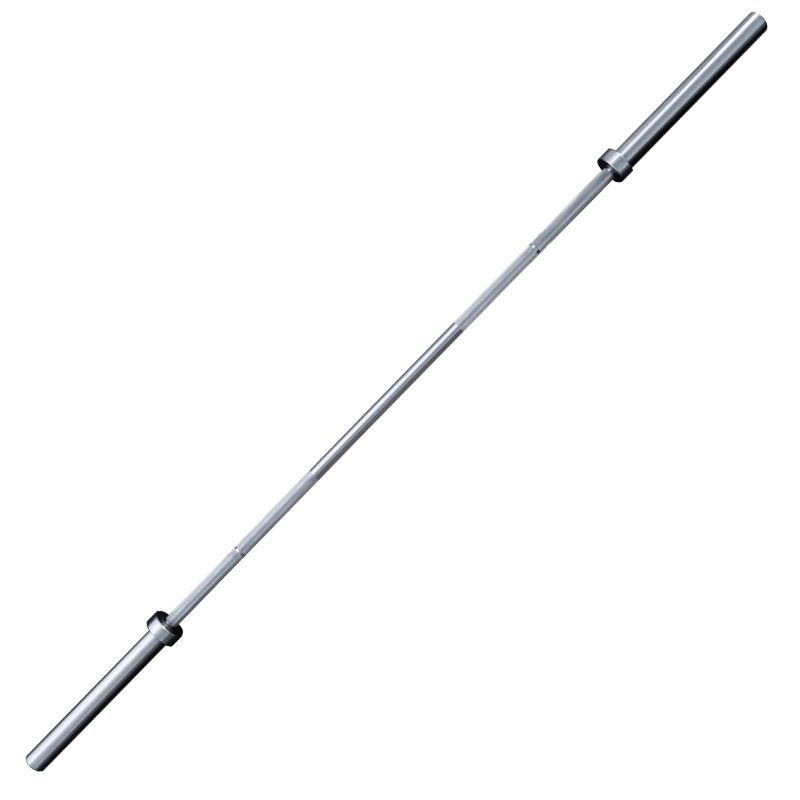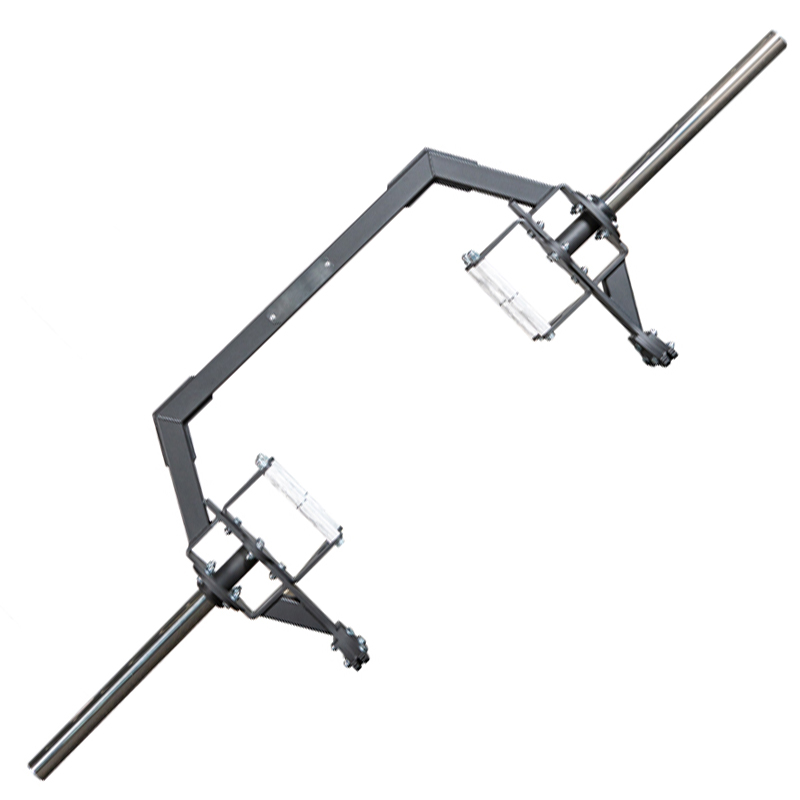
In high-traffic strength and conditioning environments, the commercial gym barbell serves as the fundamental instrument for heavy lifting and performance training. Unlike residential-grade equipment, commercial barbells are engineered to withstand extreme mechanical stress, frequent impact, and continuous high-volume usage. Selecting the correct barbell involves more than choosing a weight; it requires a deep understanding of metallurgy, dimensional accuracy, and surface finishes.
Critical Engineering Specifications
When sourcing for a commercial facility, procurement professionals must evaluate three primary technical components: the shaft, the sleeves, and the knurling. Tensile strength is a paramount metric, typically ranging from 190,000 to 215,000 PSI for professional-grade bars, ensuring the steel can flex and return to its original shape without permanent deformation. The shaft diameter—standardized at 28mm for women's/light lifting and 29mm or 28.5mm for general lifting, or 25mm for specialized technical work—directly impacts the bar's whip and rigidity.
Surface Finishes and Durability
The external coating of the barbell affects both grip maintenance and long-term oxidation resistance. Common commercial options include:
Knurling and Grip Precision
The knurling pattern—the etched texture on the shaft—is a critical factor in athlete safety and performance. Commercial-grade knurling must be aggressive enough to prevent slipping during heavy lifts but precisely machined to avoid excessive skin abrasion. Precision manufacturing ensures that the knurling is symmetrical across the length of the bar, providing a consistent tactile feedback for the lifter. For competitive-standard environments, the presence or absence of a center knurl is a vital distinction, as the center knurl provides additional grip for movements like the clean or snatch but may cause discomfort during back squats.
Sleeve Performance and Bearing Systems
To ensure smooth rotation during high-velocity lifts, commercial barbells utilize either bushings or bearings. Bushings are traditional, robust, and highly durable for heavy Olympic lifting, while high-precision needle bearings are preferred for technical movements requiring rapid rotation. A high-quality sleeve mechanism prevents torque buildup, protecting both the lifter's wrists and the integrity of the weight plates.
Let our experts design the perfect gym solution for your business. Get a free consultation and quote today.