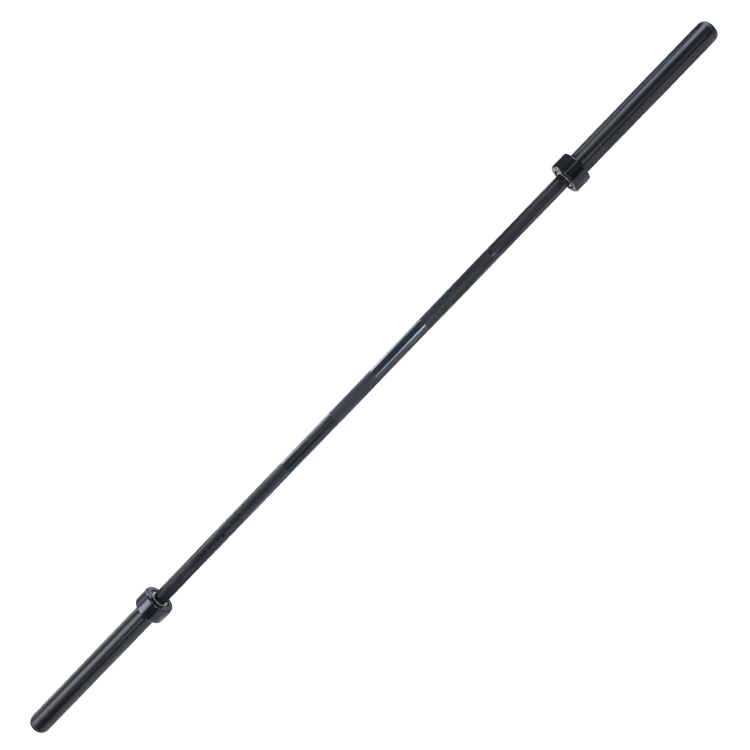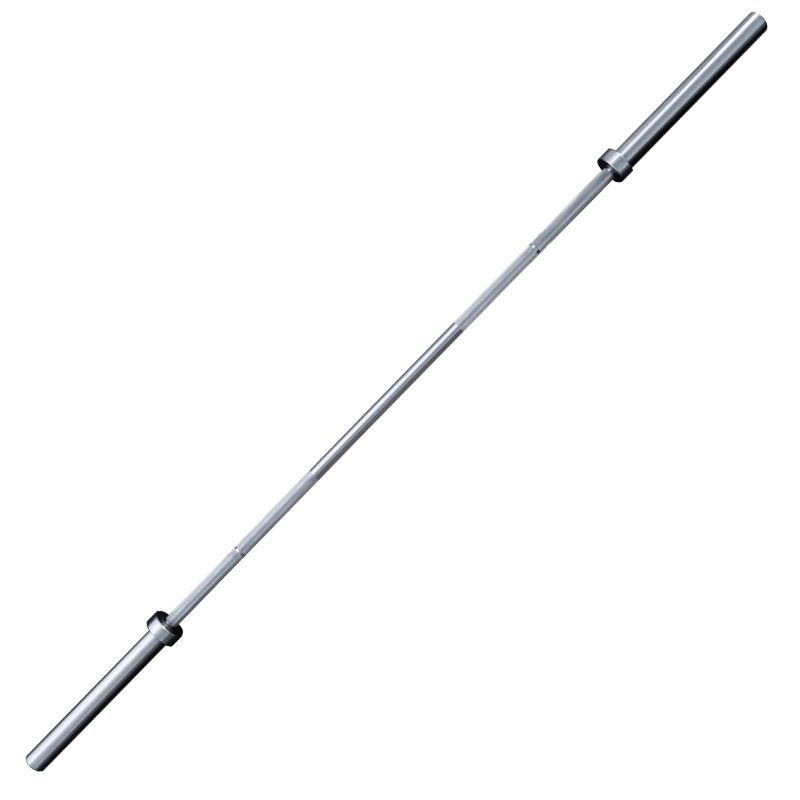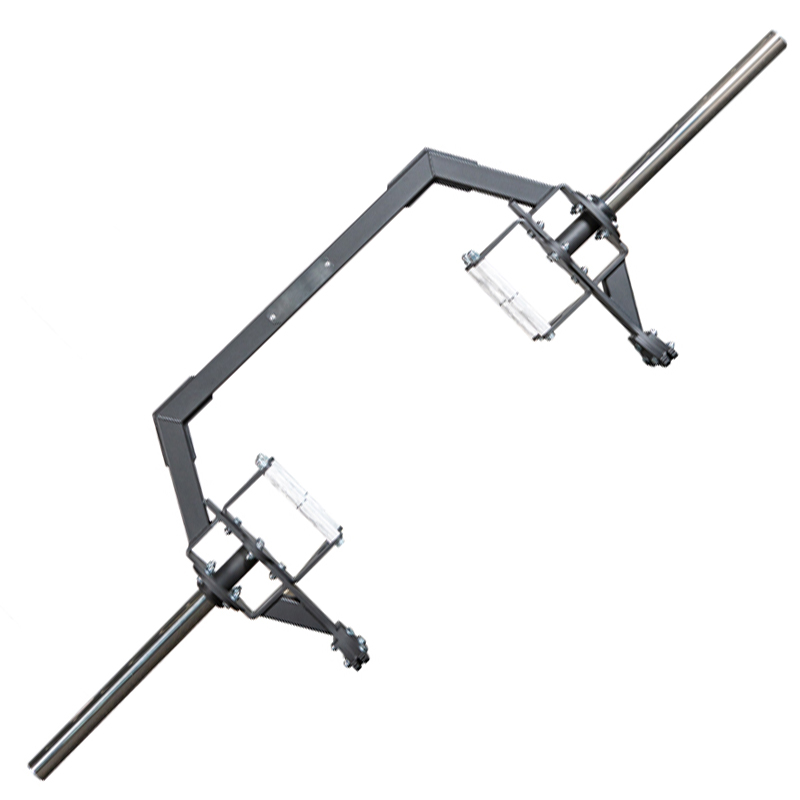
Selecting the best barbell set for a commercial or high-performance facility requires a technical understanding of metallurgy, knurling precision, and load-bearing specifications. Unlike consumer-grade equipment, professional barbell sets must withstand high-volume mechanical stress and maintain structural integrity under extreme weight loads.
Core Engineering Specifications
When evaluating barbell sets, procurement professionals must prioritize the tensile strength of the steel. High-quality barbells typically utilize advanced steel alloys that offer a balance of rigidity and whip. The degree of 'whip' or oscillation is critical; Olympic weightlifting bars require more elasticity, whereas powerlifting bars must remain exceptionally stiff to ensure stability during heavy lifts. Additionally, the bearing system—whether utilizing bushings for general strength training or high-precision needle bearings for specialized weightlifting—directly impacts the rotation smoothness and the longevity of the sleeve mechanism.
Critical Selection Criteria
A comprehensive barbell set should be evaluated based on the following technical parameters:
Optimizing Facility Procurement
For commercial gym operators, the total cost of ownership (TCO) is a more vital metric than initial purchase price. A premium barbell set may require a higher upfront investment but offers significantly lower replacement frequencies due to superior fatigue resistance. When sourcing, specify requirements for coefficient of friction, bearing durability, and load capacity to ensure the equipment meets the rigorous demands of professional athletes and high-traffic commercial environments.

Let our experts design the perfect gym solution for your business. Get a free consultation and quote today.