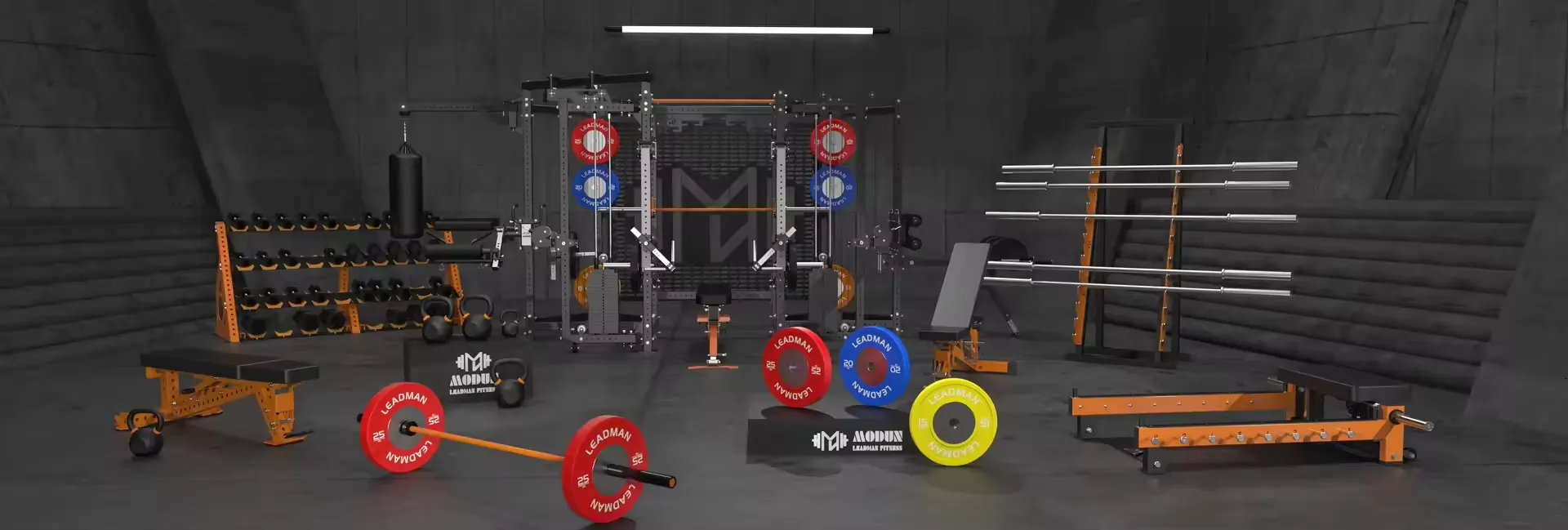
In professional strength and conditioning environments, adhering to barbell bar weight standards is critical for training consistency, competitive integrity, and equipment compatibility. Understanding the precise mass and dimensional specifications of various bar types ensures that facility managers and procurement officers select equipment that meets international competition requirements.
Standard Olympic Barbell Specifications
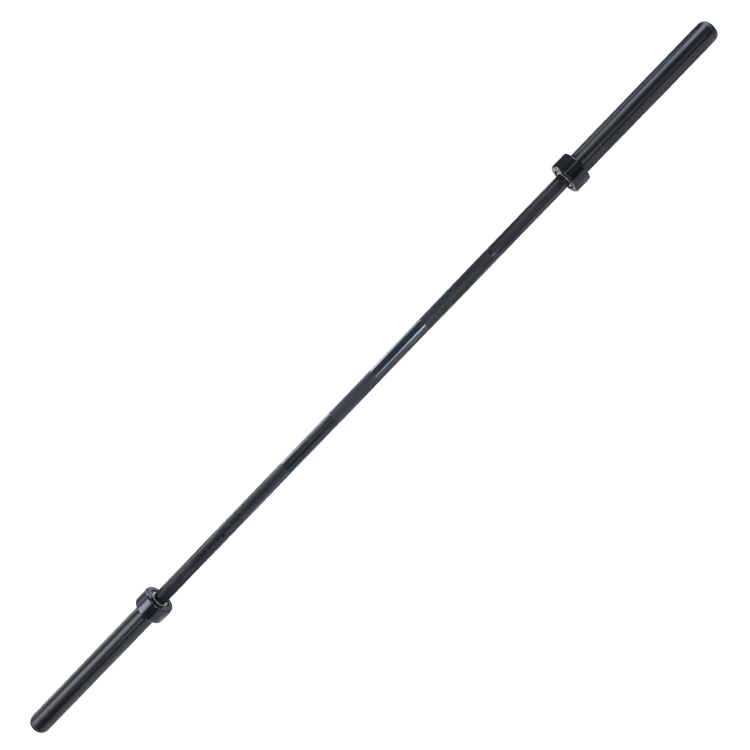
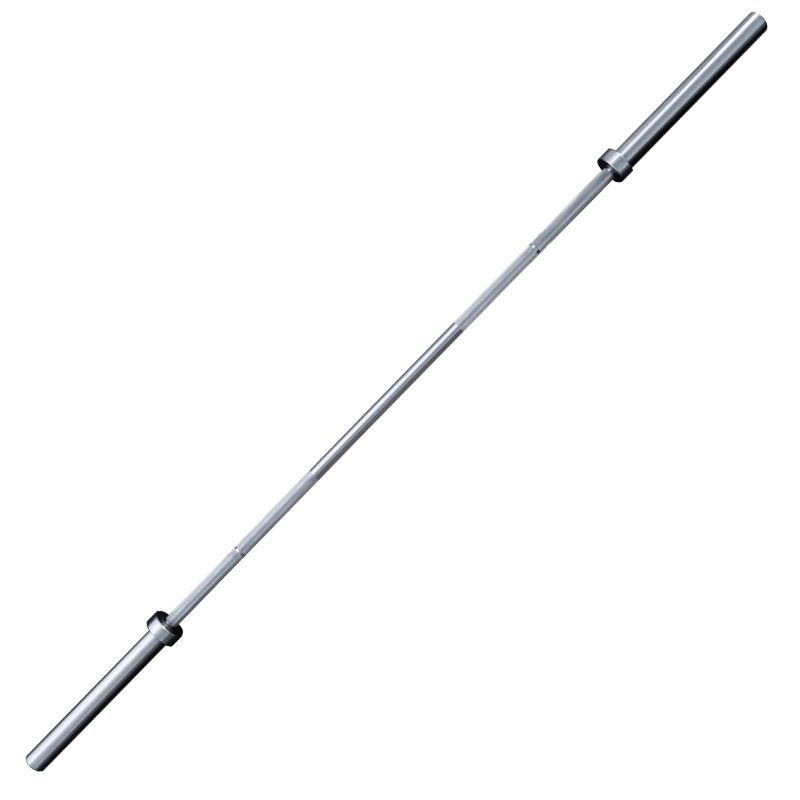
The most prevalent standard in commercial gyms and weightlifting competitions is the 20kg Olympic barbell. This specification is non-negotiable for high-level training to ensure the calibration of plates and total load calculations. Key technical parameters for a standard 20kg barbell typically include:
Variations by Discipline and Use Case
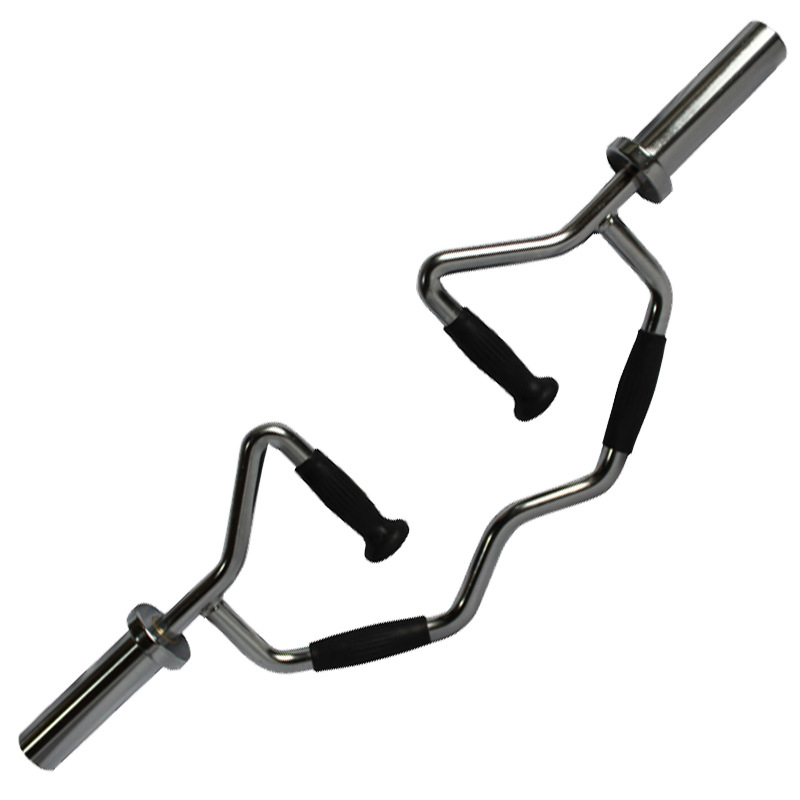
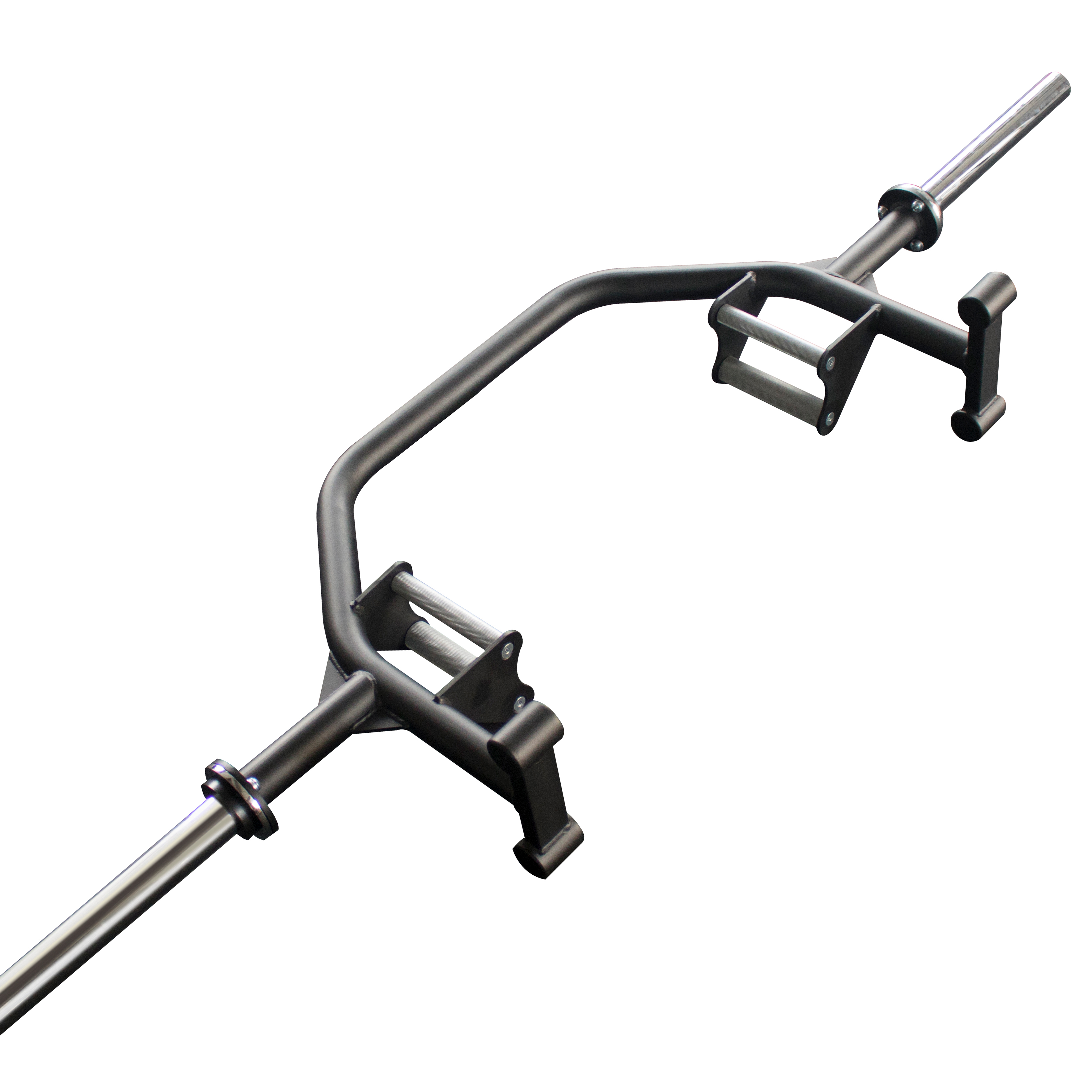
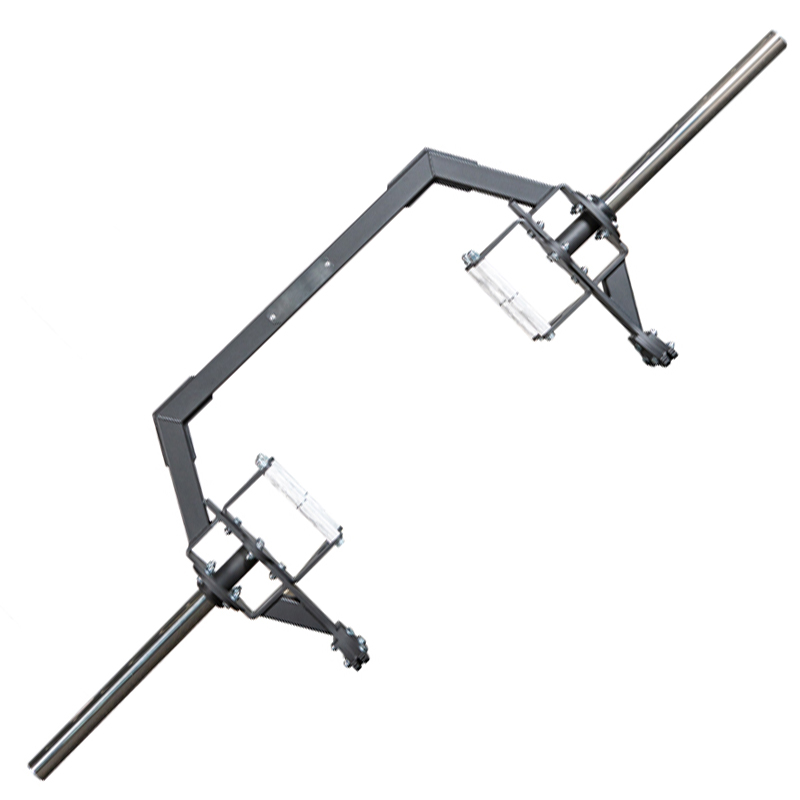
While the 20kg bar is the industry benchmark, different disciplines require specific weight standards to optimize performance and ergonomics. Specialty bars and training bars may deviate from these norms:
Sourcing and Quality Assurance Criteria
When sourcing barbell equipment for commercial distribution or facility installation, buyers must verify the mass tolerance. High-quality manufacturers provide technical data sheets confirming that the bar weight is consistent across batches. Inaccurate bar weight can lead to significant issues in progressive overload programming and competitive training. Ensure that the equipment complies with International Weightlifting Federation (IWF) or International Powerlifting Federation (IPF) dimensions if the facility intends to host sanctioned events. Precision in sleeve thickness and shaft whip (elasticity) is just as vital as the nominal weight to ensure a professional-grade user experience.

Let our experts design the perfect gym solution for your business. Get a free consultation and quote today.