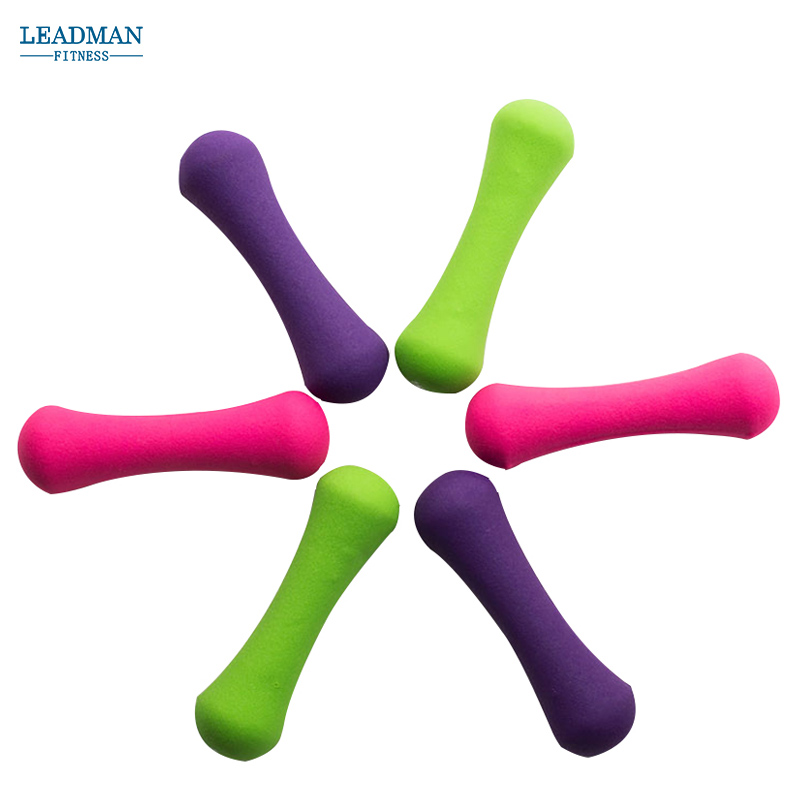
The 7kg dumbbell pair occupies an interesting middle ground in the weight training spectrum, frequently overlooked by novice lifters yet indispensable for specific training protocols and demographic groups. Representing approximately 15.4 pounds per dumbbell, this weight sits squarely between the introductory 2–5 kg pairs favored by rehabilitation patients and the heavy 10+ kg pairs used by experienced strength athletes. Its versatility makes it a strategic acquisition for both personal fitness enthusiasts and commercial facilities seeking to diversify their offering, accommodating everything from high-repetition endurance work to nuanced deload phases in periodized training programs.
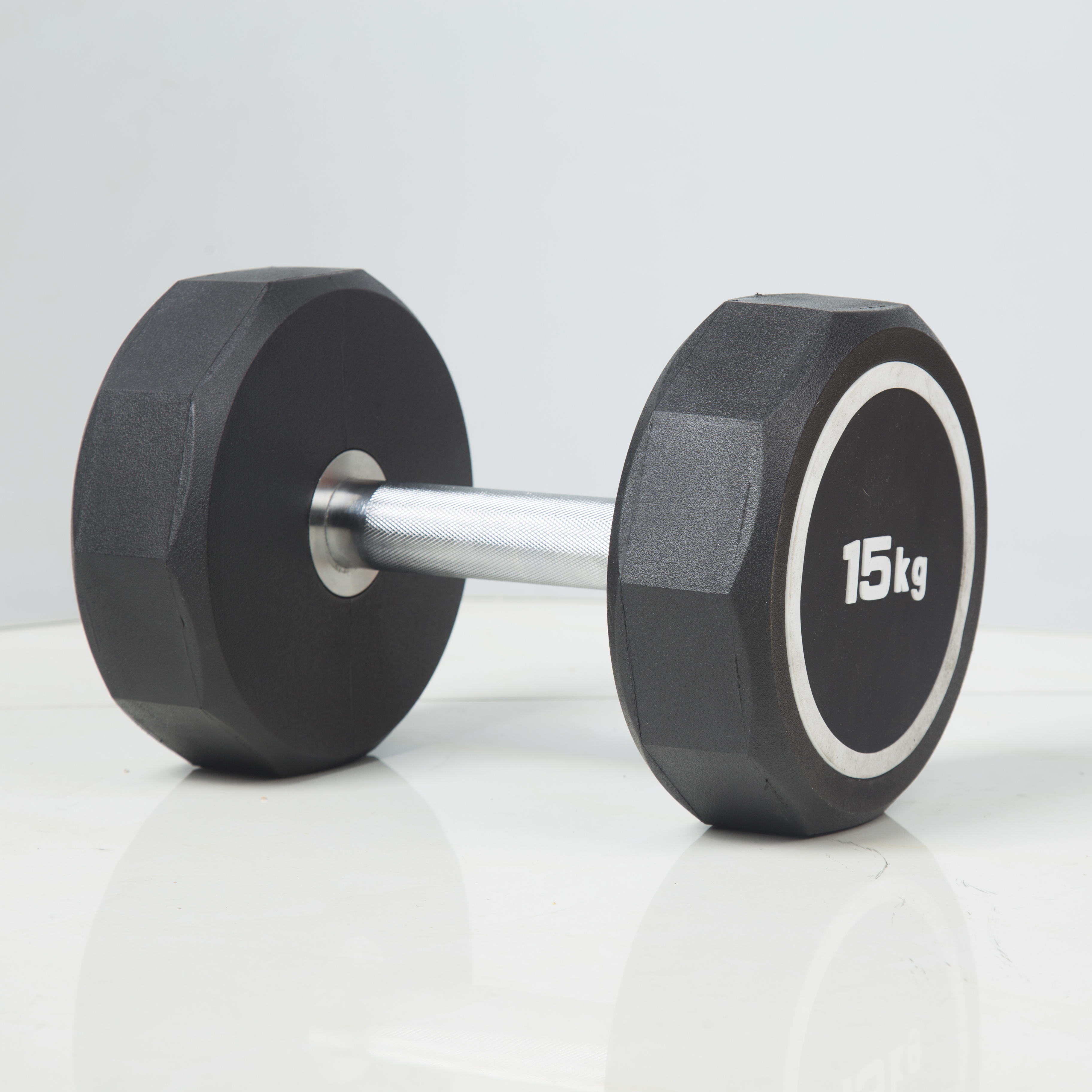
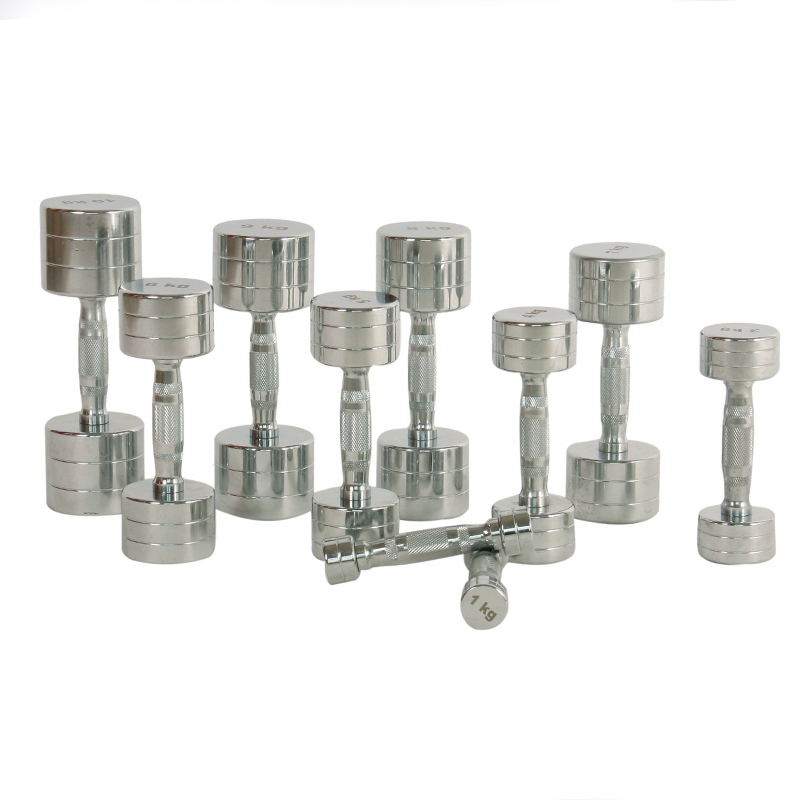
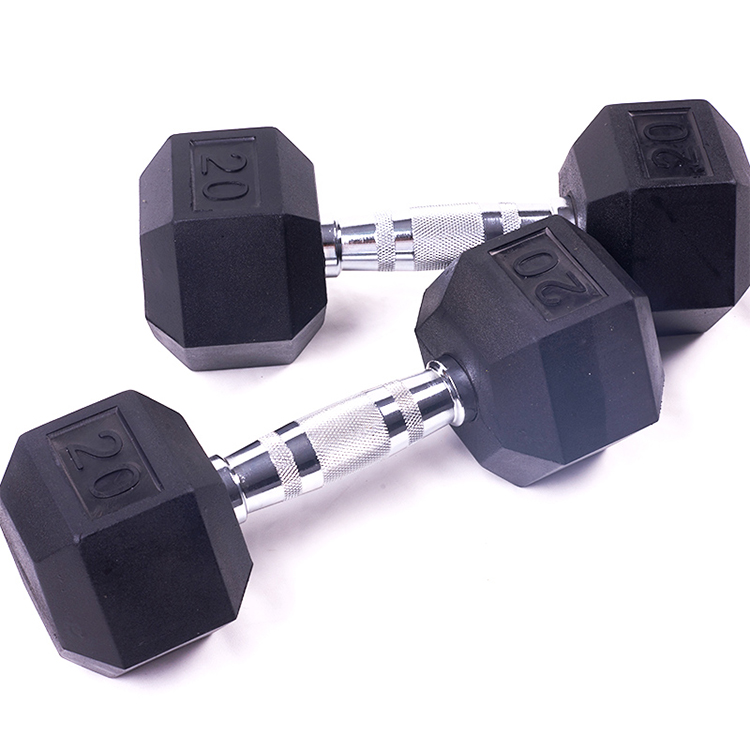
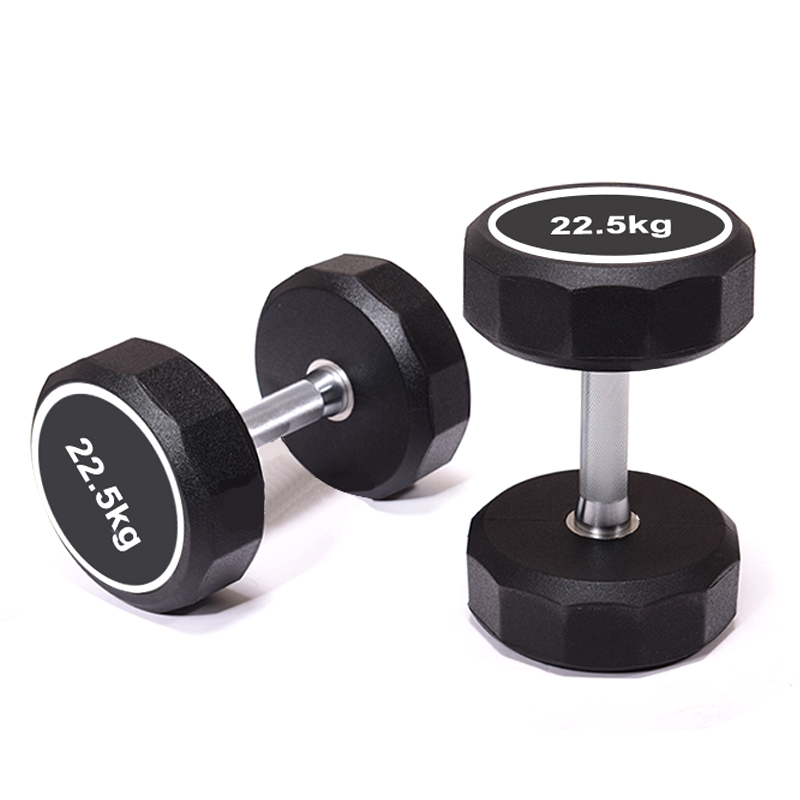
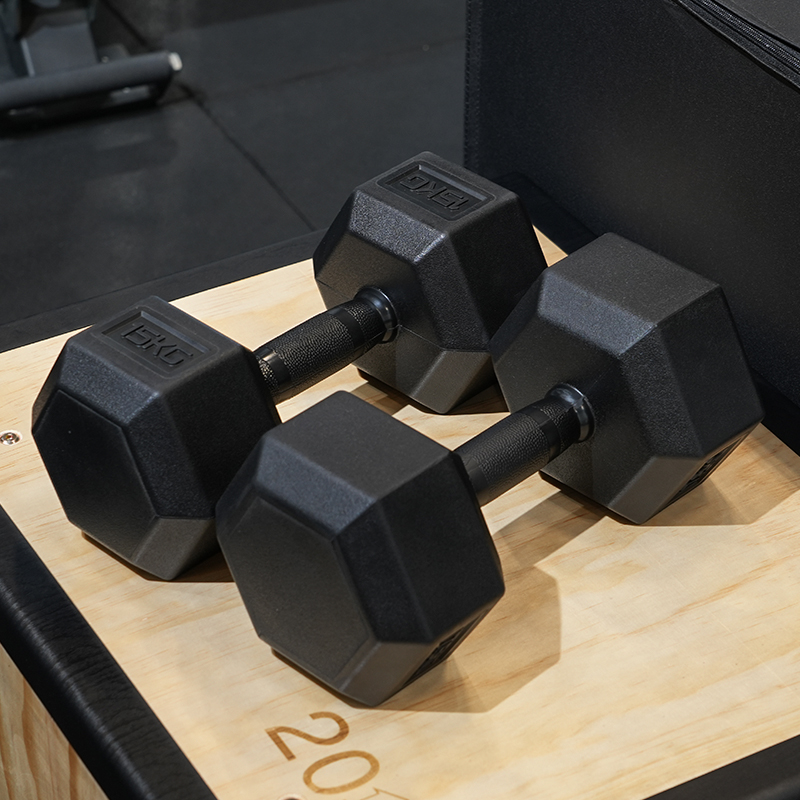
The construction quality of a 7kg dumbbell pair directly influences exercise safety, grip comfort, and long-term durability, particularly given the high repetition ranges often associated with this weight. Premium options feature precision cast-iron heads with a tight press-fit onto a chromed solid steel handle, eliminating the wobble or loosening that compromises form and increases injury risk. The knurling pattern on the handle should be optimized for moderate grip pressure—deep enough to provide traction during sweaty conditions yet gentle enough for extended sets of lateral raises or tricep kickbacks. For facilities, the finish is equally critical; a durable rubber or urethane coating protects both the dumbbell and the flooring from impact damage, while hex-shaped designs prevent rolling and facilitate convenient storage during circuit training transitions. These material considerations ensure the equipment maintains its professional appearance and functional integrity over thousands of cycles.
When evaluating a 7kg dumbbell pair, several key performance criteria distinguish quality offerings from inferior alternatives. The handle diameter typically ranges from 28 to 35 millimeters; thicker handles engage additional forearm musculature and enhance grip development, while thinner handles prioritize comfort for users with smaller hands, such as those in senior fitness or rehabilitation populations. Weight accuracy is non-negotiable in professional settings—reputable manufacturers guarantee tolerances within ±3% of stated weight, ensuring balanced loading and symmetrical training stimulus across left and right limbs. Additionally, the head-to-handle weld or press-fit must demonstrate visible precision, avoiding sharp edges or burrs that could cause lacerations during dynamic movements. For rubber-coated dumbbells, the quality of adhesion to the iron core prevents peeling, a common failure mode in cheaper alternatives where the coating delaminates after repeated drops.
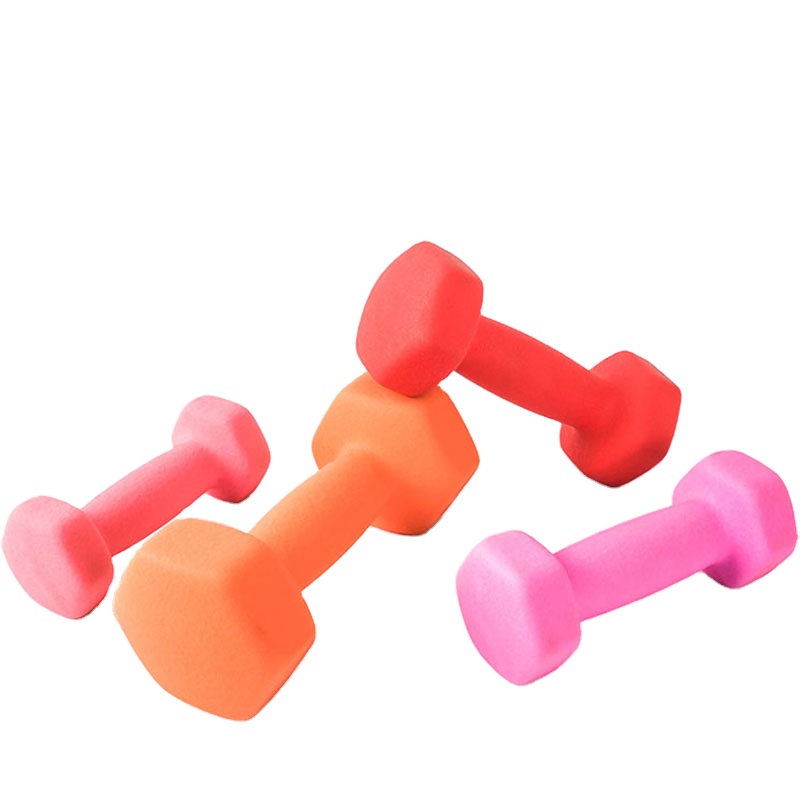
The exercise applications for a 7kg dumbbell pair are remarkably extensive, addressing multiple training goals across diverse user profiles. In rehabilitation settings, this weight facilitates progressive loading for rotator cuff strengthening, wrist stabilization, and postural correction exercises, transitioning patients from resistance bands to free weights with confidence. For aesthetic training, the 7kg pair is the ideal load for achieving metabolic stress in high-repetition circuits—think 20-repetition bicep curls, lateral raises, or overhead tricep extensions—stimulating hypertrophy while mitigating joint strain. Functional fitness enthusiasts frequently incorporate this weight into dynamic routines such as renegade rows, manmakers, or weighted step-ups, where moderate loading enables high power output without compromising movement speed or cardiovascular intensity. This versatility makes the 7kg dumbbell pair a fundamental component of any well-considered equipment inventory.
From a commercial fitness perspective, investing in a 7kg dumbbell pair contributes to optimal equipment density and member satisfaction. Research indicates that facilities maintaining comprehensive dumbbell sets—with weight increments of 2.5 kg or less—achieve higher utilization rates and member retention, as users experience seamless progression without significant load jumps that could disrupt training momentum. Durable, low-odor rubber coatings and vibration-damping features are particularly valued in multi-user facilities where cleanliness and acoustics impact the ambient experience. As trends continue toward personalized training and semi-private coaching, the ability to prescribe precise weights ensures that coaches can individualize protocols effectively. Ultimately, this seemingly modest weight emerges as a strategic asset, bridging the gap between introductory light loading and advanced resistance, meeting the nuanced demands of contemporary training across all skill levels.

Let our experts design the perfect gym solution for your business. Get a free consultation and quote today.