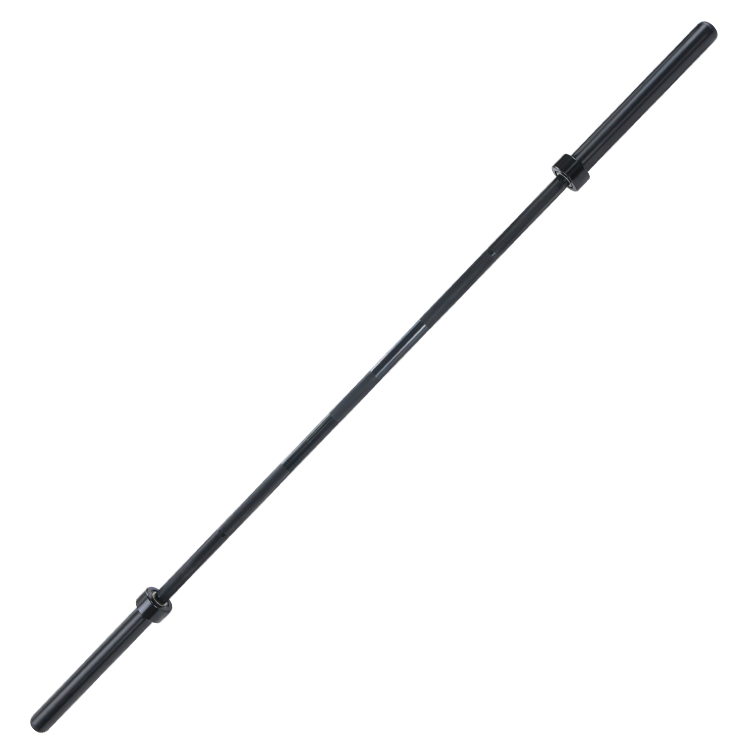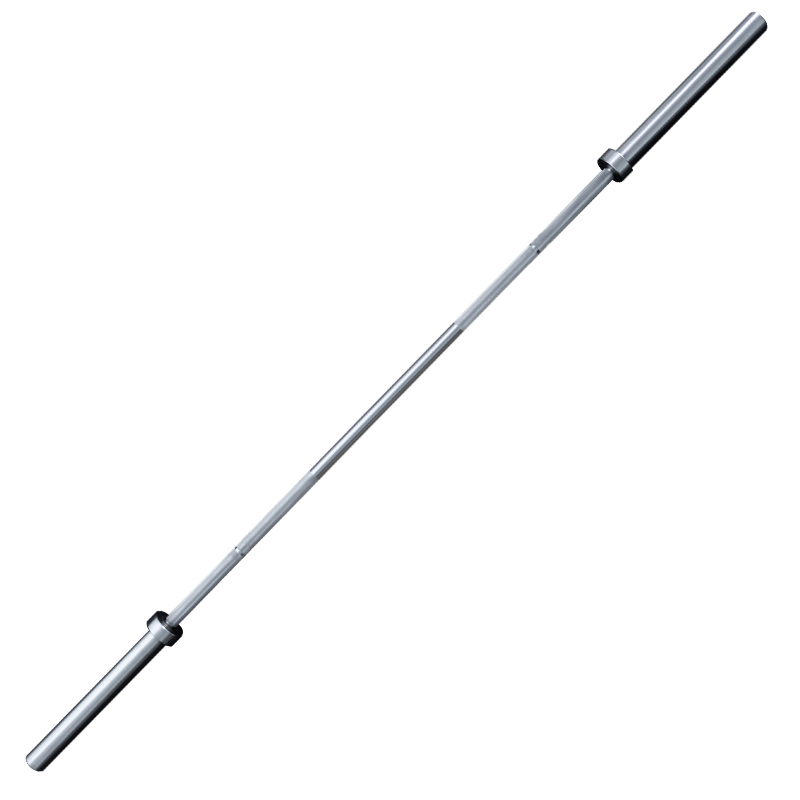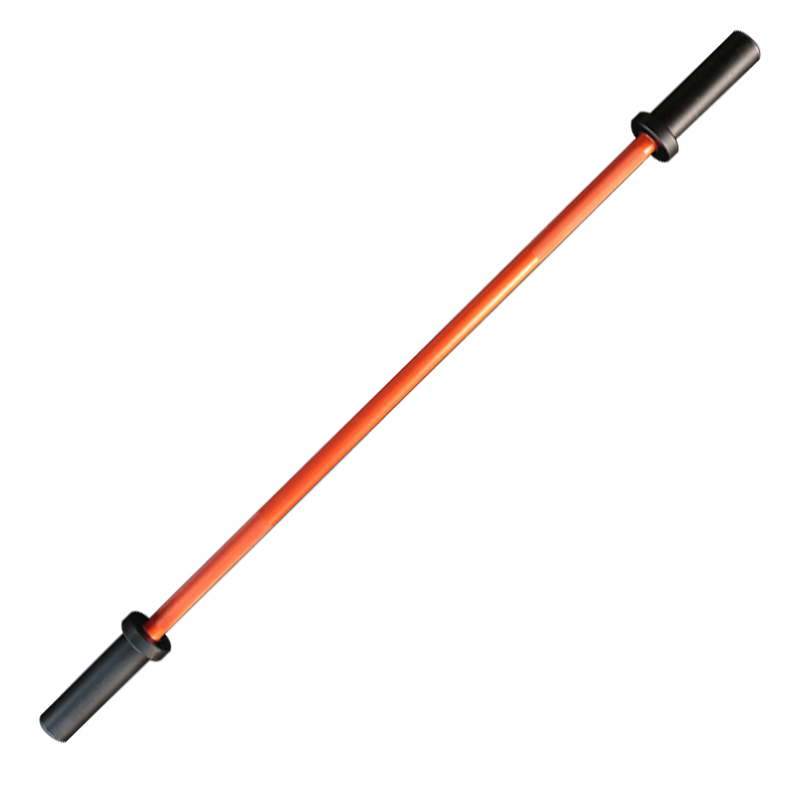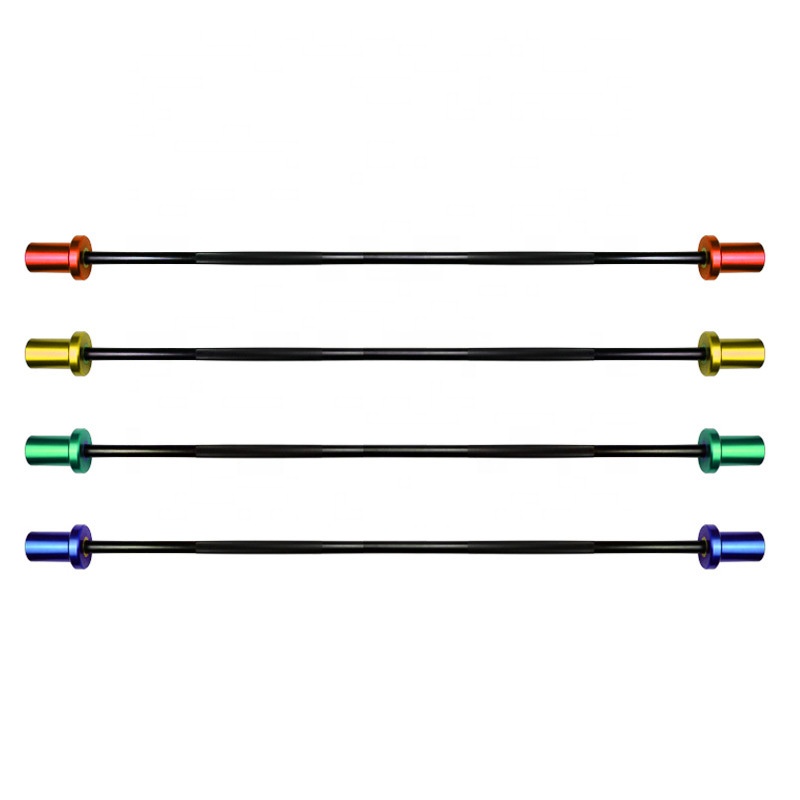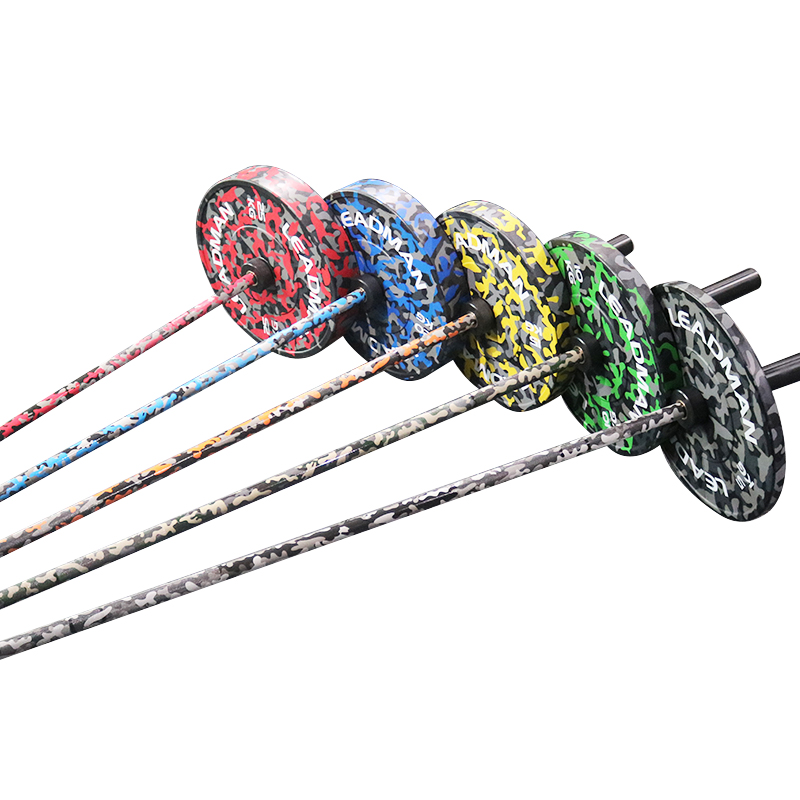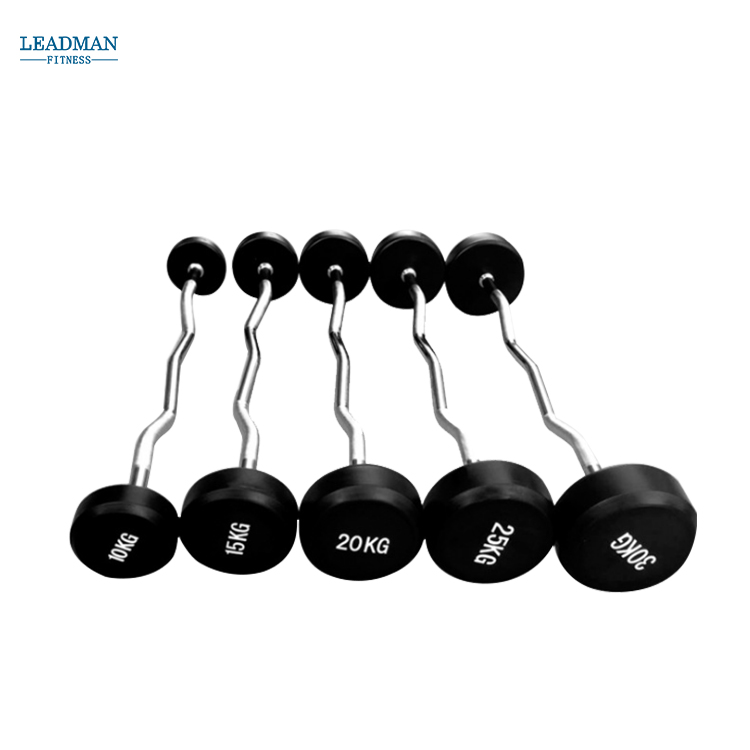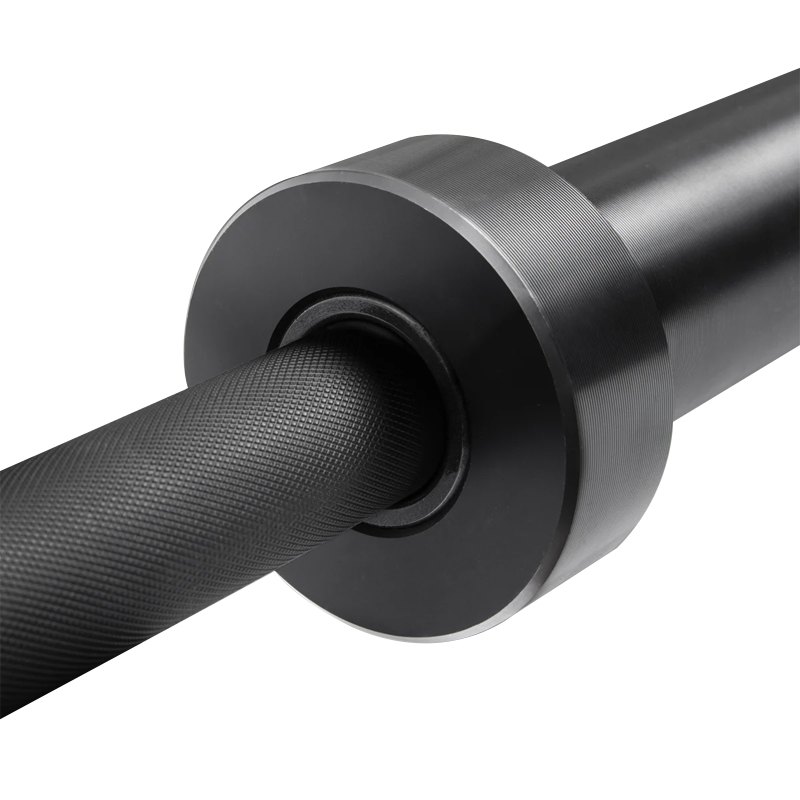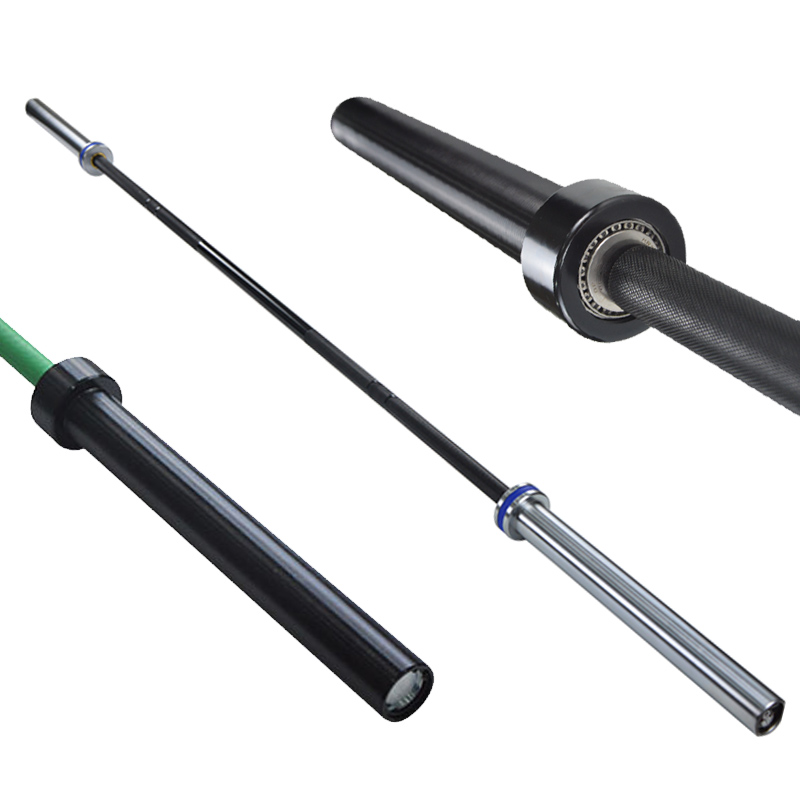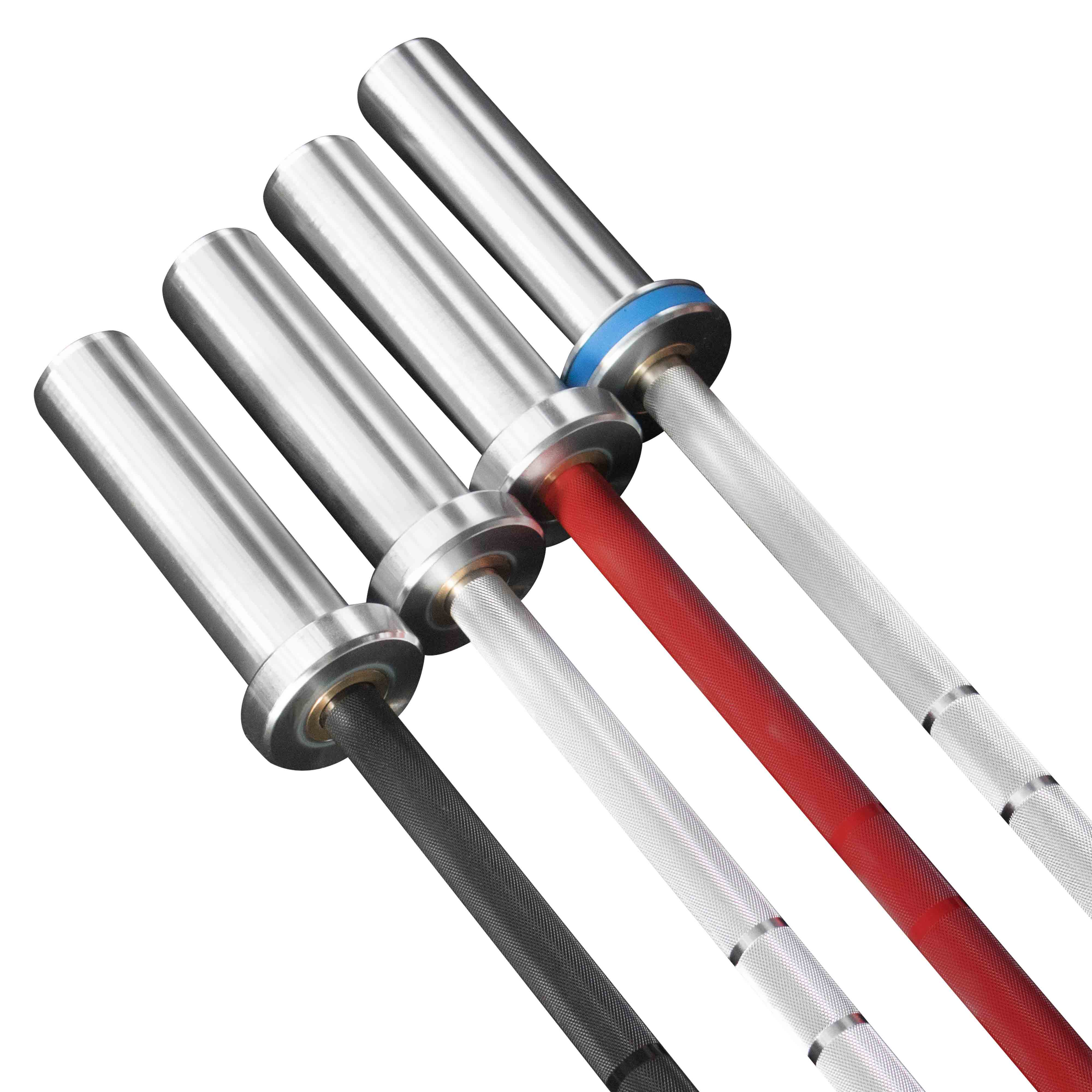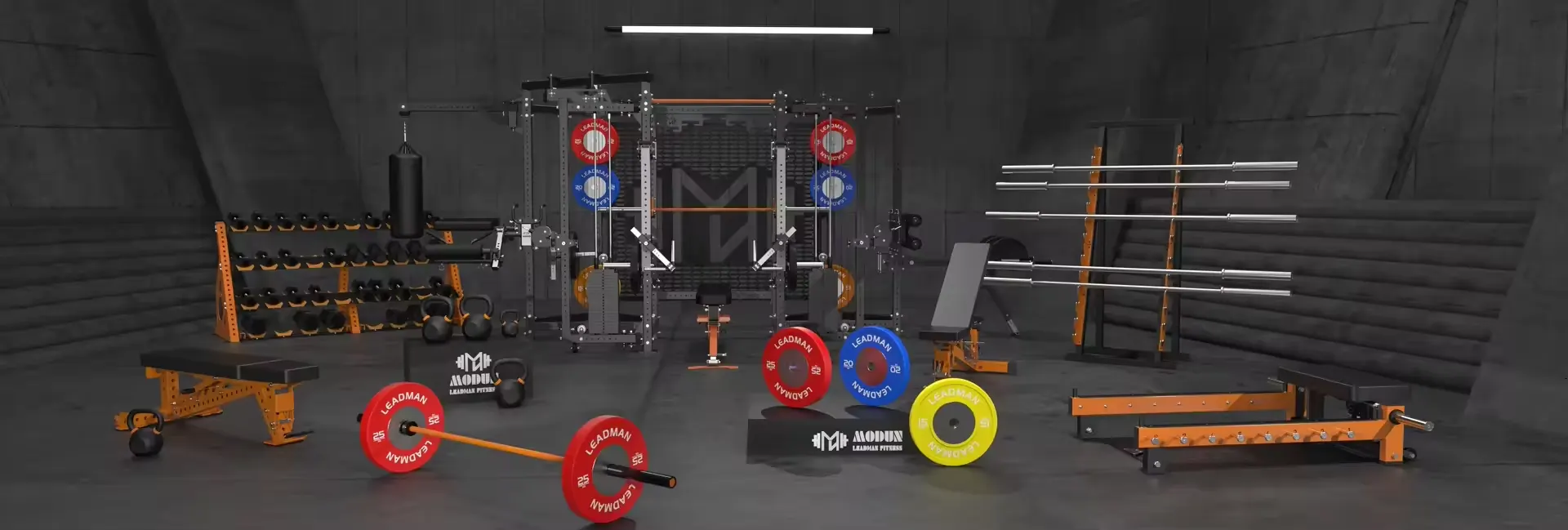
A 55 pound barbell (approximately 25kg) occupies a specialized niche between the standard 45 lb (20kg) Olympic bar and heavier 65+ lb specialty bars. The additional 10 lbs typically results from increased shaft diameter (32mm versus standard 28-29mm), extended loadable sleeve length, denser steel alloy, or solid end caps replacing hollow ones. These bars appeal to powerlifters seeking reduced whip, commercial facilities requiring higher durability under daily heavy loading, and lifters with large hands who find standard 28mm bars uncomfortable.
The mechanical difference between a 55 lb and 45 lb barbell manifests in stiffness and feel. The thicker 32mm shaft offers 40-50% less whip (elastic deformation) than a 28mm bar, reducing oscillation during maximal squats and bench presses—a distinct advantage for powerlifters but a disadvantage for Olympic lifters who rely on whip for clean and snatch mechanics. The additional mass also shifts the bar's center of gravity slightly, affecting unracking and re-racking feel. A 2024 analysis of barbell deflection under 400 lb loads found that 55 lb, 32mm bars deflected 8-10mm compared to 15-18mm for 28mm, 45 lb bars—significantly stiffer under working weights.
Industry testing data indicates that 55 lb barbells experience different failure modes than standard bars. The shaft-to-sleeve junction faces greater stress due to the thicker shaft's reduced flexibility; torsional forces concentrate at the weld or snap-ring groove. Premium 55 lb bars use fully welded, heat-treated shafts with reinforced sleeve collars (5-8mm wall thickness versus 3-4mm standard). Budget versions often fail at this junction within 12-24 months of heavy commercial use (500+ lbs squat/deadlift loads). Conversely, the thicker shaft itself rarely bends or takes a permanent set due to the increased cross-sectional area, even under 700-1,000 lb loads.
For buyers considering a 55 pound barbell, match the bar to training style and user population. Powerlifting facilities or multi-purpose gyms with heavy squatters/deadlifters benefit from the reduced whip and increased durability; these bars typically come with aggressive (1.5-2.0mm) knurling and center knurling standard. Olympic weightlifting or CrossFit facilities should avoid 55 lb bars—the lack of whip impedes clean and snatch technique. For commercial facilities serving diverse users, stock 55 lb bars as an option alongside 45 lb bars, not as the exclusive barbell. Verify collar compatibility: 32mm shafts require oversized lock-jaw or spring collars (standard 28-29mm collars will not secure properly). Check rack j-hook depth: thicker bars sit higher in standard hooks, potentially changing unrack mechanics; deeper j-hooks (3+ inches) provide more secure seating. Expect to pay $350-700 for a quality 55 lb barbell from specialty manufacturers; sub-$250 versions likely use low-grade steel or poor welding.

Let our experts design the perfect gym solution for your business. Get a free consultation and quote today.