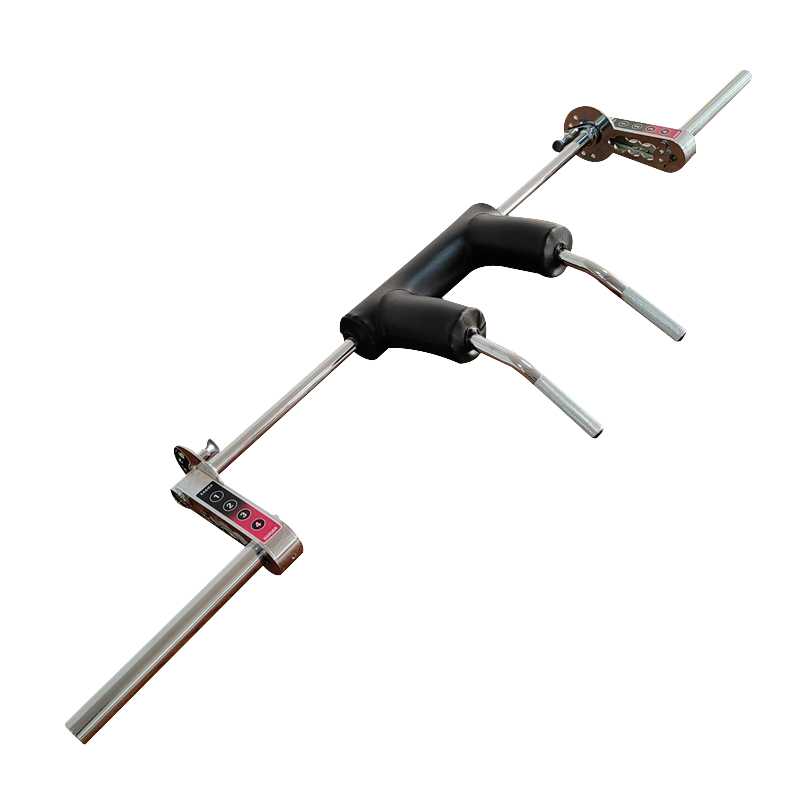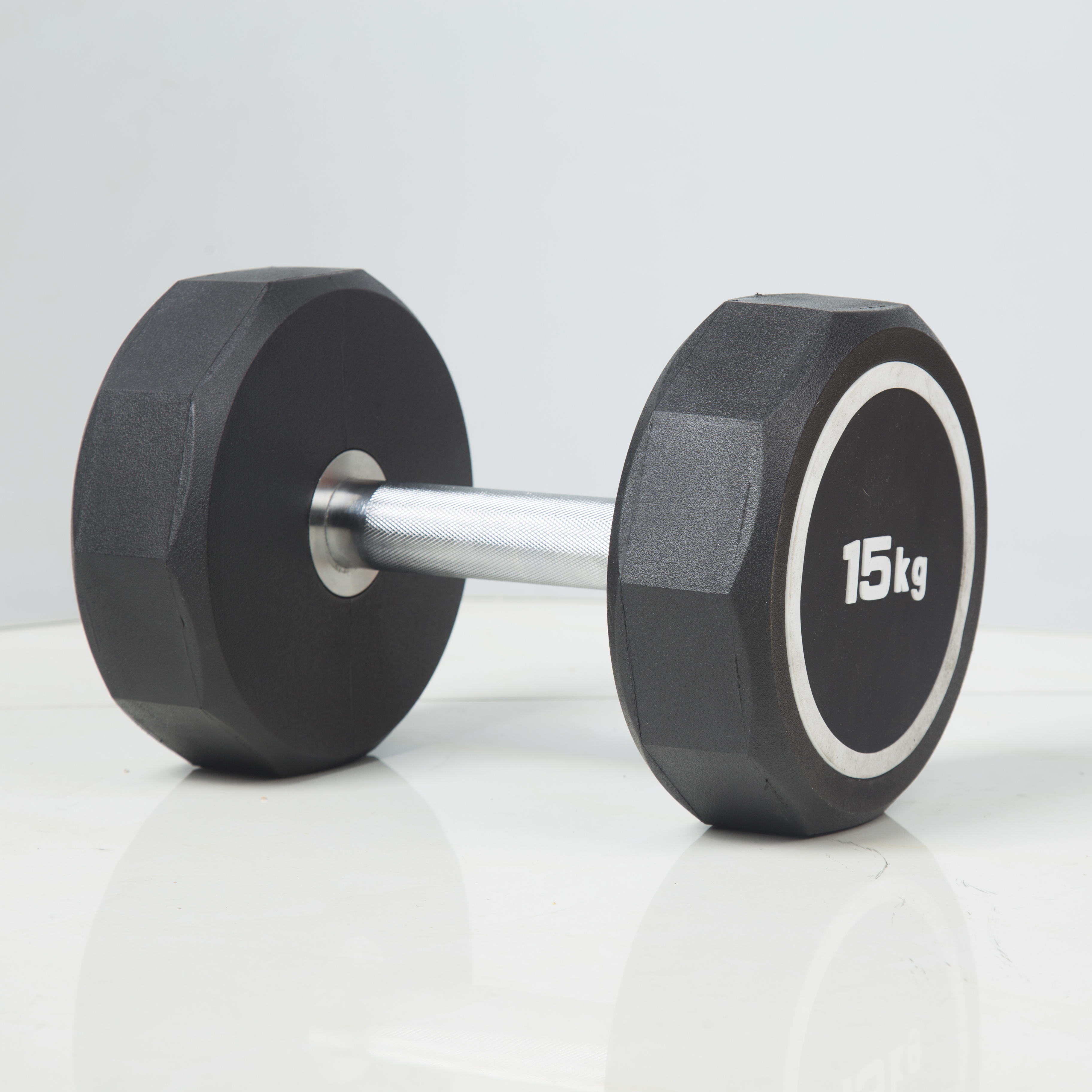
In the landscape of professional strength training, the 45 pound barbell serves as the fundamental standard for compound movements such as the back squat, deadlift, and bench press. For commercial gym operators, strength coaches, and high-performance training facilities, selecting the correct barbell is not merely a procurement decision but an engineering requirement to ensure longevity, safety, and consistent mechanical performance.
Technical Specifications and Construction
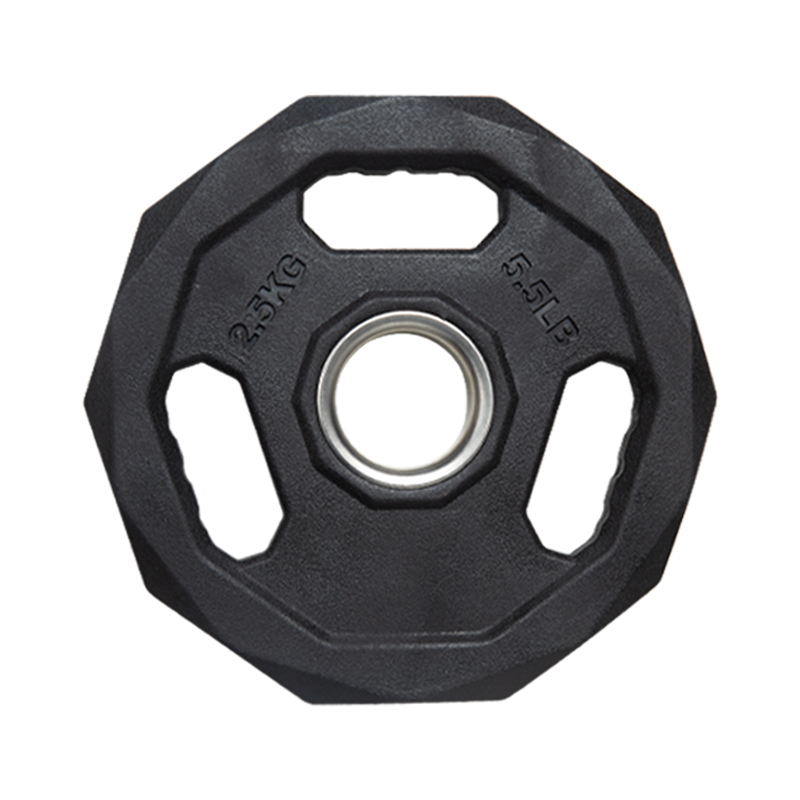
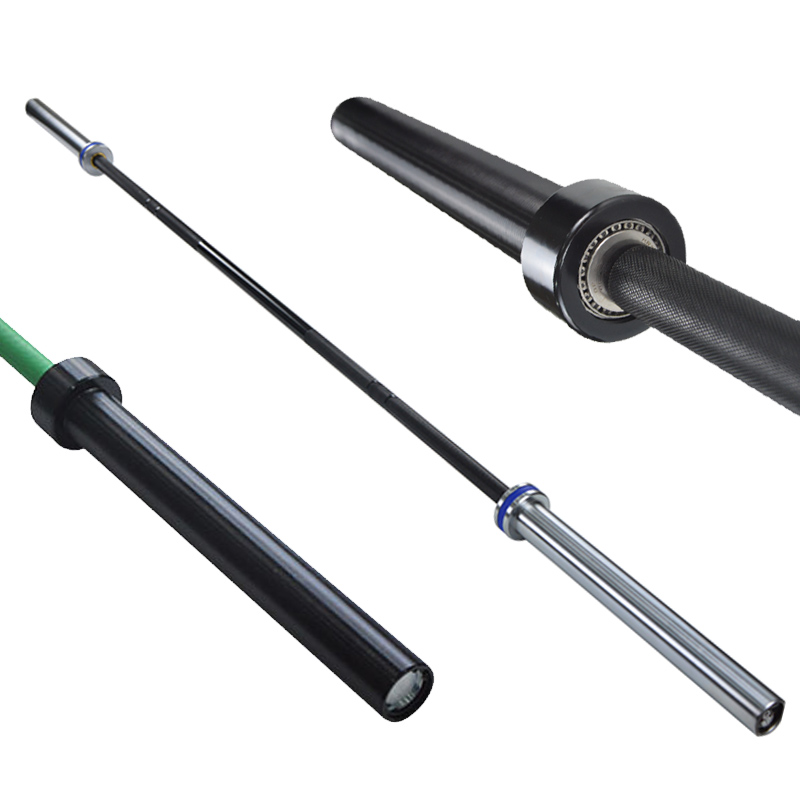
Standardized 45-pound barbells are typically engineered within the Olympic weightlifting category, featuring a 28.5mm (1.1 inch) diameter shaft. This diameter is critical for optimizing grip ergonomics and ensuring compatibility with standard Olympic weight plates. High-grade steel, often treated with various finishes such as chrome, hard steel, or stainless steel, is essential for mitigating oxidation and maintaining structural integrity under high-frequency use. The inclusion of precision-machined knurling provides the necessary friction for secure grip, which is vital during heavy eccentric and concentric phases of a lift.
Critical Engineering Components
A premium 45-pound barbell must possess specific mechanical attributes to meet commercial-grade standards:
Sourcing for Commercial Environments
When sourcing 45-pound barbells for large-scale facilities, procurement professionals must prioritize load capacity ratings and shaft whip characteristics. Unlike residential-grade equipment, commercial barbells are designed for high-volume rotational stress. Ensuring that the manufacturer adheres to strict tolerances regarding shaft straightness and sleeve rotation is essential for maintaining a professional training standard and minimizing long-term replacement costs.

Let our experts design the perfect gym solution for your business. Get a free consultation and quote today.