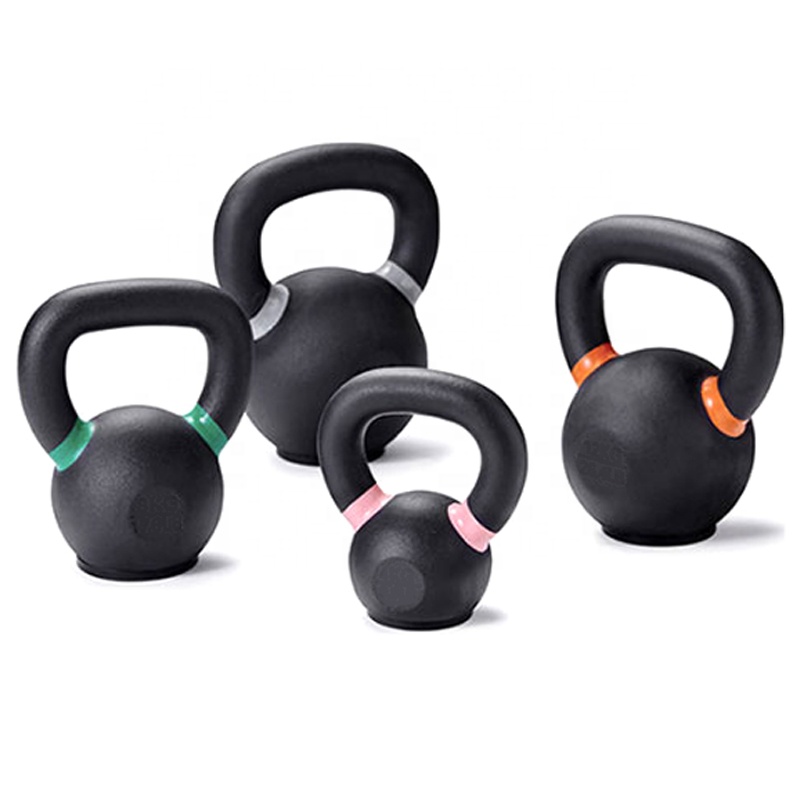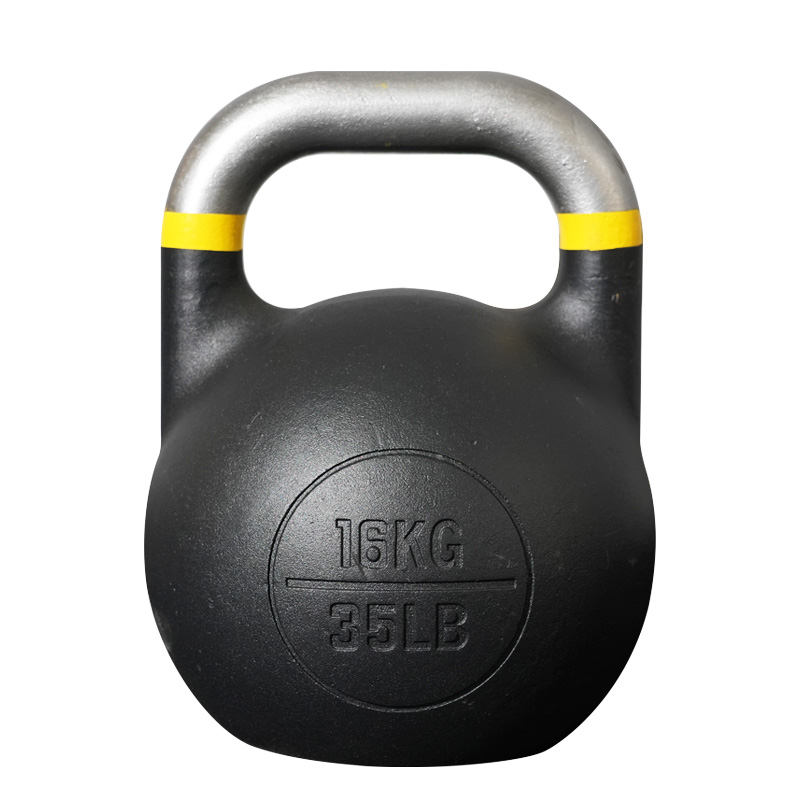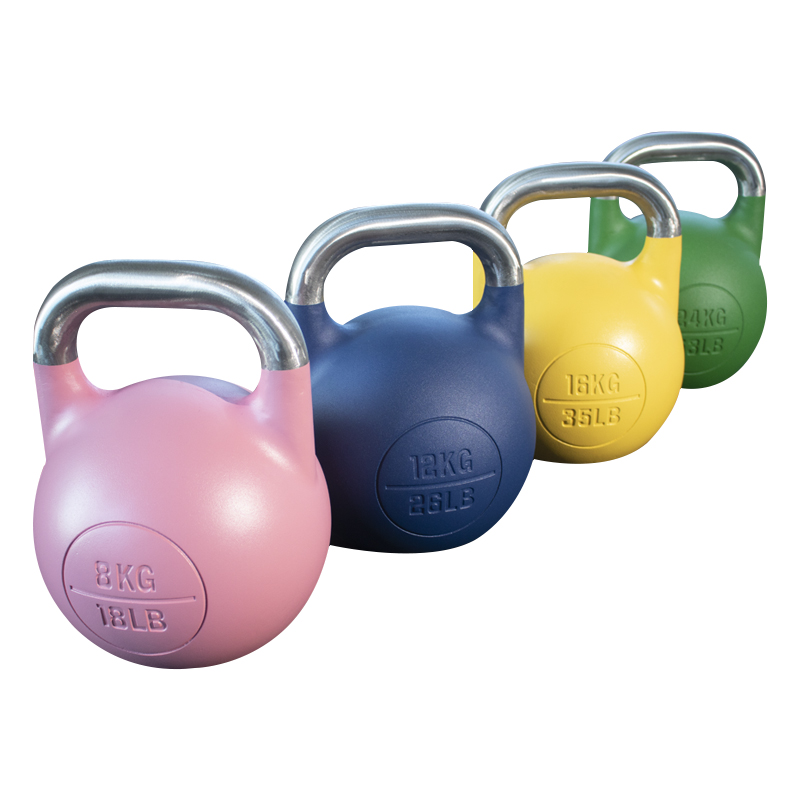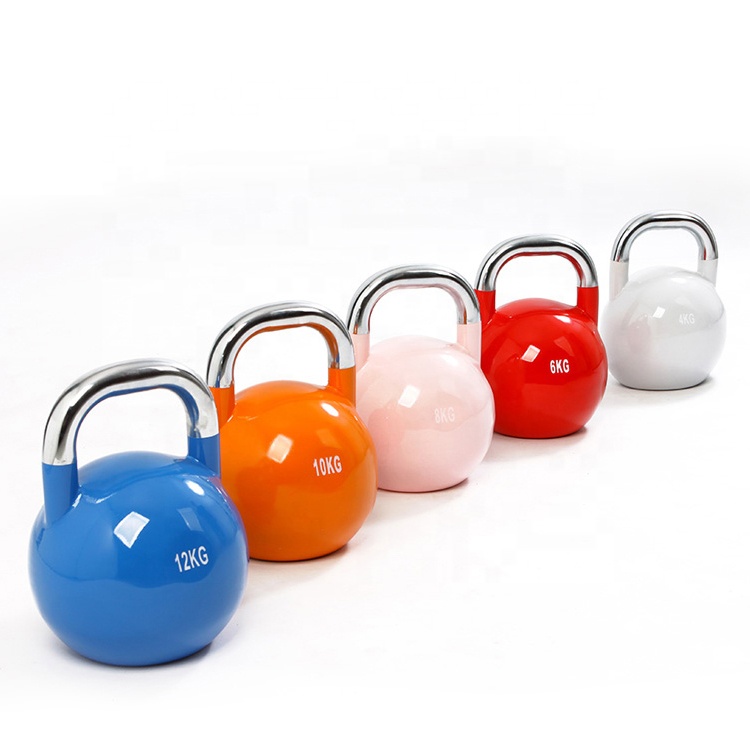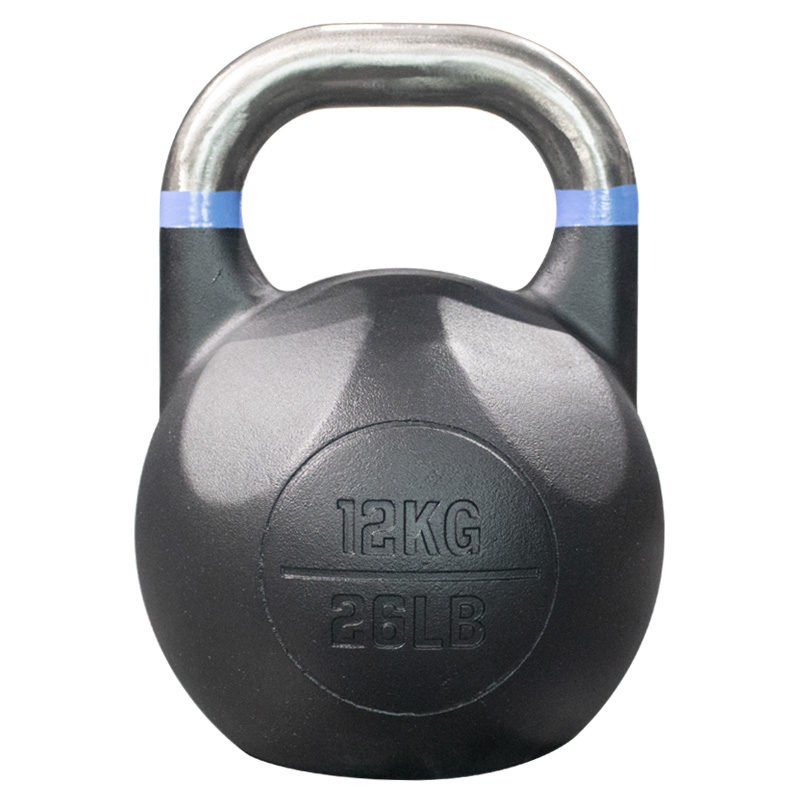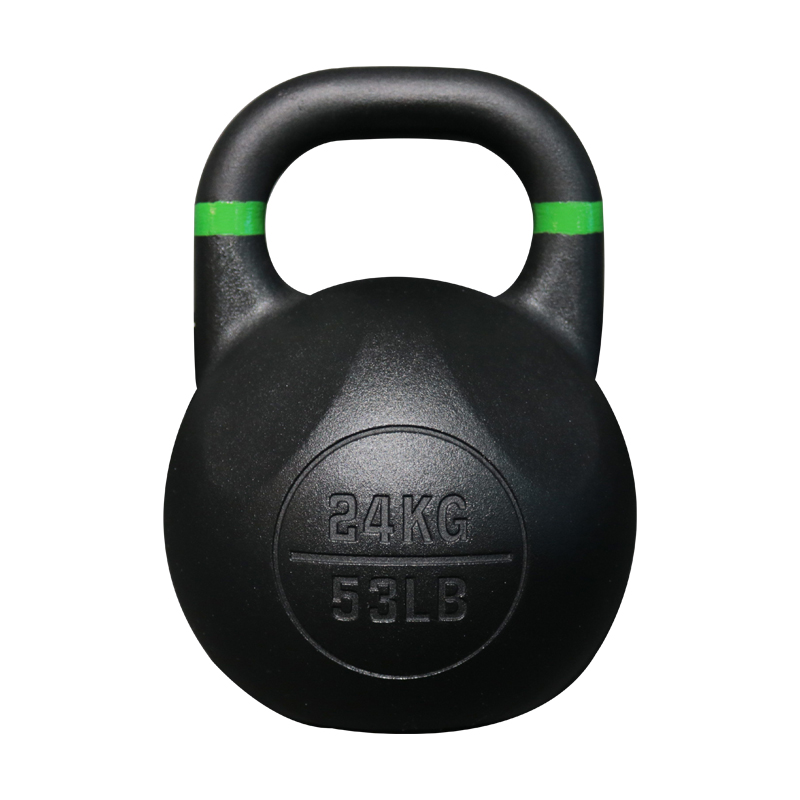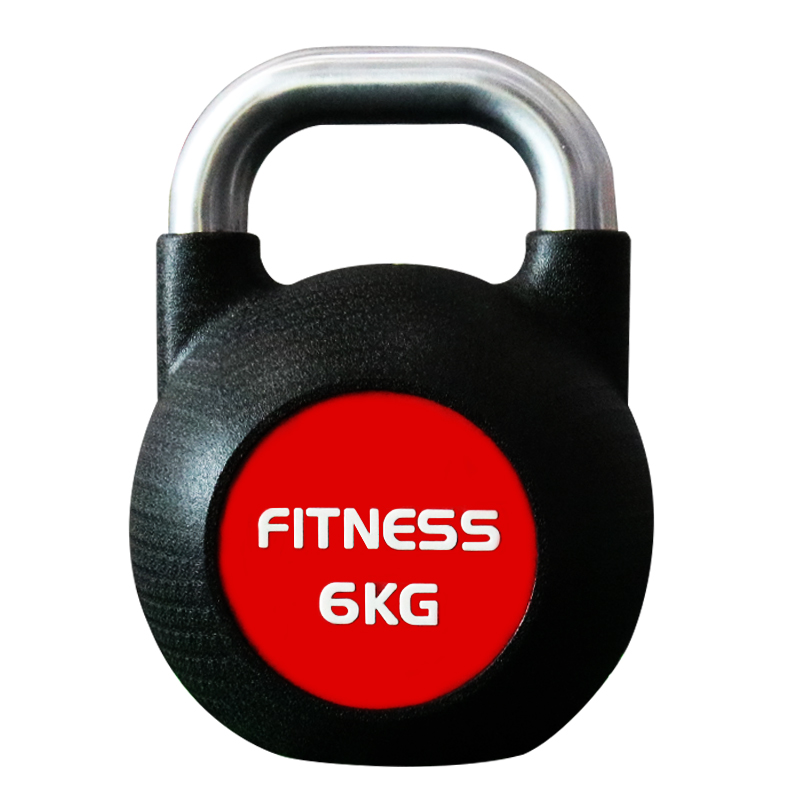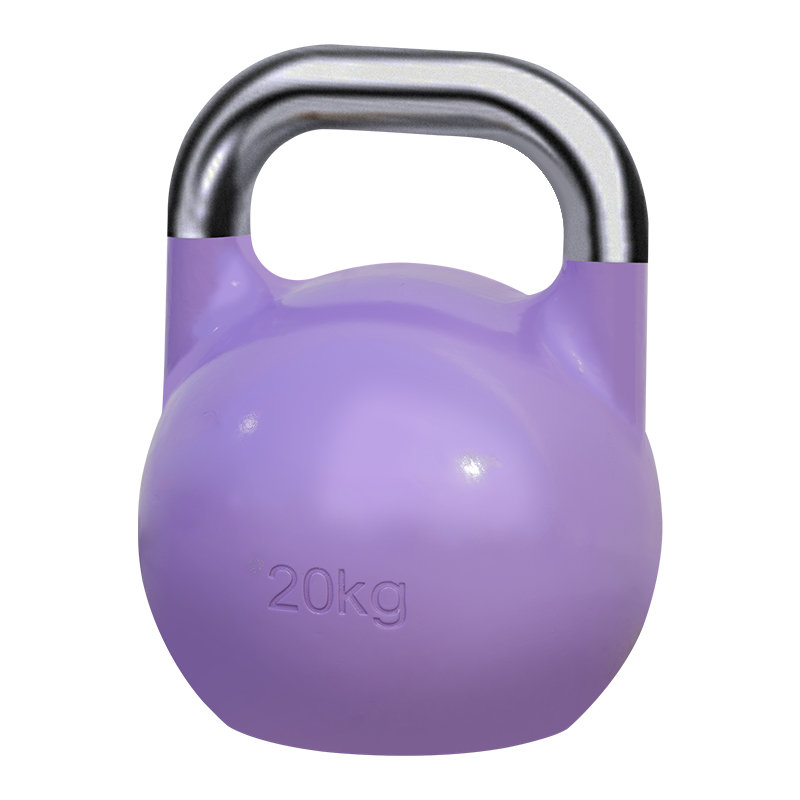
When evaluating functional fitness equipment for serious strength enthusiasts and elite athletes, the 25 kg kettlebell frequently emerges as a pivotal threshold implement. This particular weight—equivalent to approximately 55 pounds—occupies a strategic position in the loading spectrum: heavy enough to challenge the posterior chain in bilateral swings and goblet squats, yet sufficiently manageable to be wielded for high-repetition ballistic work without catastrophic form breakdown. Facility operators and strength coaches recognize the 25 kg kettlebell as indispensable for advancing intermediate athletes toward advanced power development.
The engineering quality behind a commercial-grade 25 kg kettlebell is non-negotiable for high-usage environments. 25 kg kettlebell construction typically utilizes a single iron or steel casting, with the weight and the handle formed from a homogeneous piece of metal—eliminating the structural weak points inherent in welded assemblies. This monolithic formation ensures that the kettlebell's center of gravity remains perfectly centered, delivering a predictable ballistic trajectory essential for safe and effective snatches and clean-and-jerk movements.
Surface texture and coating play a decisive role in user safety and equipment longevity. Premium kettlebells feature a flat enamel, e-coat, or powder coat finish that resists chipping and rust formation, while the handle area often undergoes a specific surface treatment to balance tackiness and smoothness. Manufacturers investing in specialized sandblasting or shot-peening processes create a handle that offers superior grip without harsh abrasion, significantly reducing the risk of callus tearing during extended high-rep workout sessions.
Consideration of handle geometry distinguishes exceptional kettlebells from ordinary ones. The ideal commercial kettlebell features consistent window and handle dimensions across all weights—a crucial design decision that maintains a uniform feel, allowing athletes to transition between lighter and heavier loads without adjusting their racking technique. A window width of approximately 35 millimeters and a handle diameter between 33 and 35 millimeters accommodates most hand sizes comfortably, ensuring the implement sits securely in the rack position across varied wrist anthropometry.
Functional versatility secures the 25 kg kettlebell's position as a cost-effective asset for commercial gyms. Beyond classic ballistic movements, this implement performs effectively for unilateral lower-body work, including rear-foot-elevated split squats and lunges, plus core-dependent exercises such as Turkish get-ups and windmills. The density of the 25 kg kettlebell—its relatively compact volume compared to barbell plates—allows for dense storage on wall-mounted racks or specialized kettlebell trees, maximizing the value of every square foot in modern fitness facilities.

Let our experts design the perfect gym solution for your business. Get a free consultation and quote today.