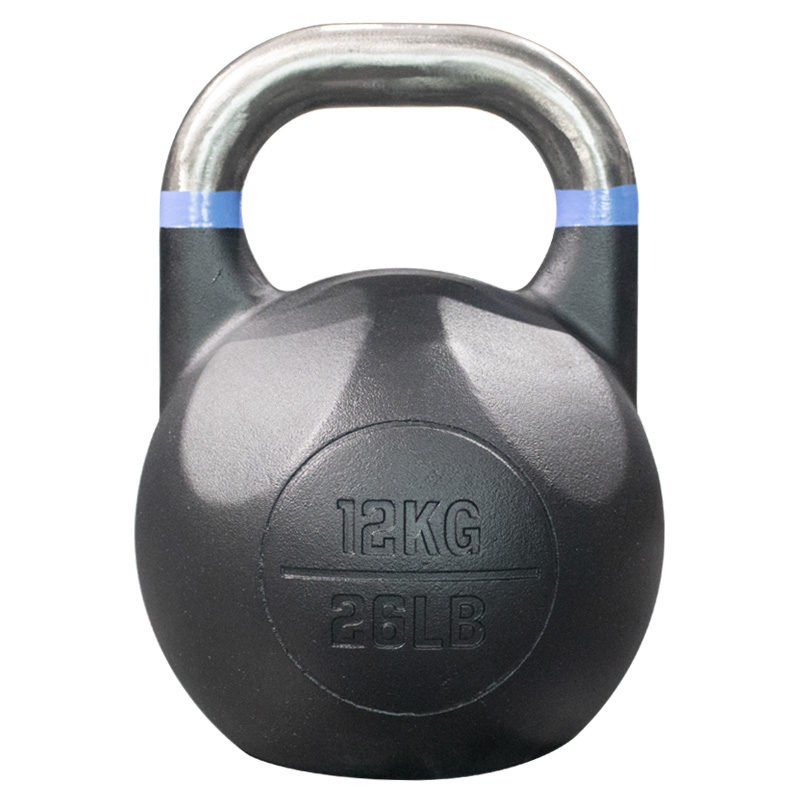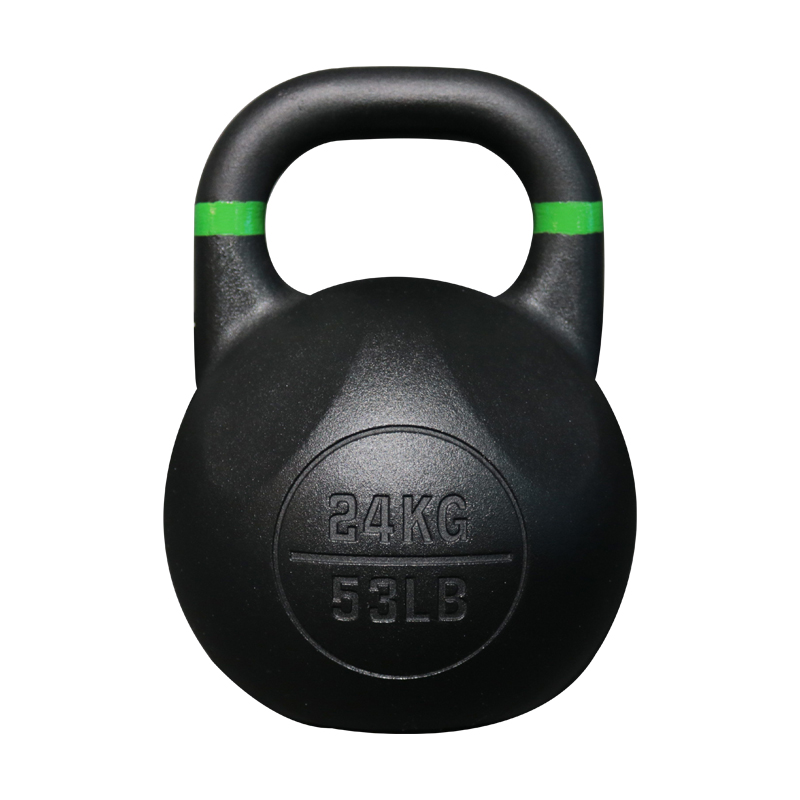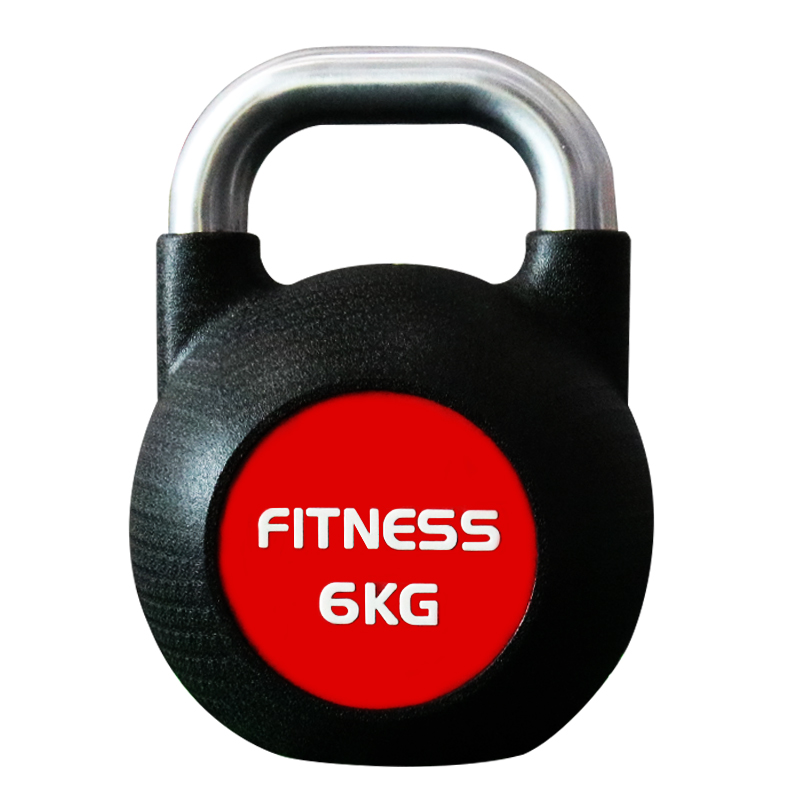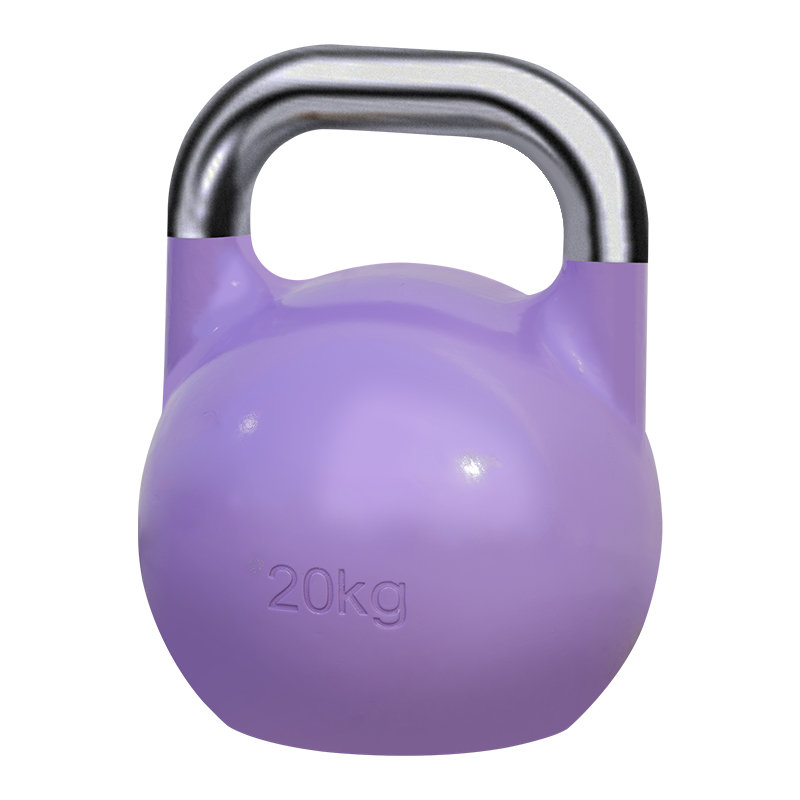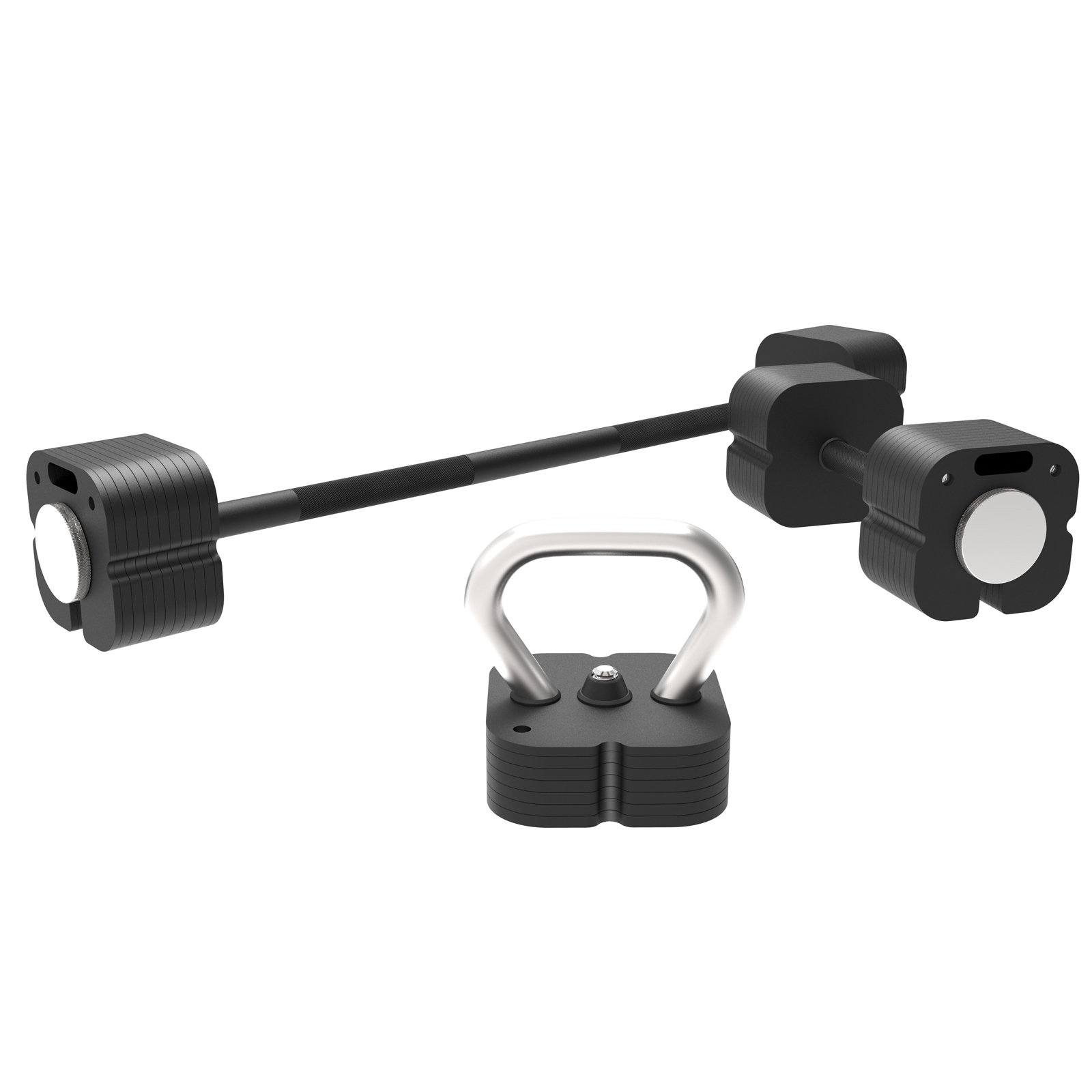
For fitness enthusiasts grappling with demanding schedules, the quest for an efficient yet highly effective training solution often ends with the kettlebell. A 15 minute kettlebell workout, when structured with intent, can deliver a potent combination of cardiovascular conditioning, muscular endurance, and metabolic afterburn that rivals sessions lasting twice as long. This time-efficient approach leverages the unique mechanics of the kettlebell—its offset center of mass—to challenge the body's stabilizers while simultaneously driving heart rate into the optimal zone for fat oxidation and aerobic capacity development. The result is a compact, high-yield session that fits seamlessly into even the most congested daily routine.
At the core of an effective short-duration kettlebell session is the strategic selection of compound, multi-joint movements that recruit large muscle groups and demand significant energy expenditure. The kettlebell swing, the foundational movement of this training modality, serves as the primary engine for calorie burn, engaging the posterior chain—glutes, hamstrings, and lower back—in a powerful hip-hinge pattern. When performed with proper technique, the swing produces a potent metabolic spike, elevating the heart rate and sustaining it through the duration of the workout. Complementing the swing are movements like the goblet squat, which reinforces squat mechanics while providing an isometric challenge to the core, and the single-arm press, which builds unilateral upper body strength and addresses muscular imbalances.
Structuring the 15 minute kettlebell workout to maximize efficiency requires a shift away from traditional set-and-rep schemes toward time-based intervals. The concept of "work-to-rest" ratios is paramount, with popular protocols such as 30 seconds of work followed by 30 seconds of rest, or 45 seconds of work with 15 seconds of rest, ensuring that the intensity remains elevated throughout the session. This format not only accelerates metabolic conditioning but also encourages the lifter to focus on movement quality and explosiveness within each interval, rather than simply grinding through predetermined repetitions. The brevity of the session also permits a higher intensity of effort, as the lifter can push closer to their maximum sustainable output without the fear of premature fatigue.
The versatility of the kettlebell makes the 15 minute workout infinitely adaptable to individual goals and fitness levels. For the strength-focused athlete, the session can incorporate heavier bells with lower-rep, explosive movements such as kettlebell snatches or cleans, emphasizing power development. Conversely, the endurance enthusiast might opt for a lighter bell and longer intervals, performing continuous circuits of swings, rows, and lunges to build muscular stamina. For those prioritizing fat loss, incorporating intervals of high-intensity swings with brief periods of active recovery—such as marching in place or performing a plank—can maximize the afterburn effect, allowing the body to continue burning calories long after the session has concluded.
Implementing a 15 minute kettlebell workout requires minimal equipment and space, making it an ideal solution for both home gyms and commercial fitness facilities looking to offer quick, effective options for busy clients. For the commercial setting, introducing a "kettlebell express" class or integrating kettlebell stations into functional training zones can attract new members and encourage higher facility utilization during peak hours. For the individual, the discipline of a structured, short-duration session provides a sustainable framework for maintaining consistency, proving that significant fitness gains do not necessarily require lengthy hours in the gym.

Let our experts design the perfect gym solution for your business. Get a free consultation and quote today.