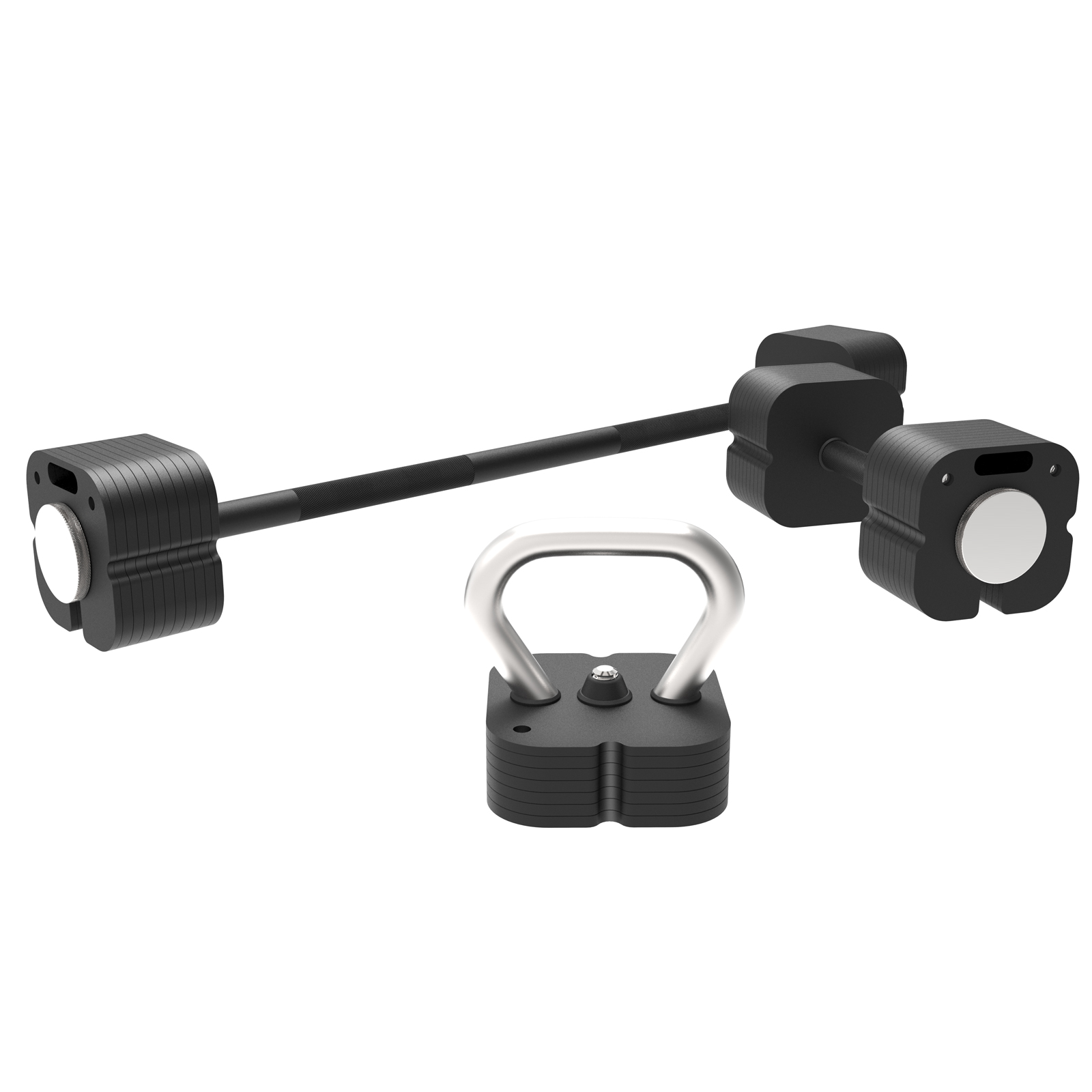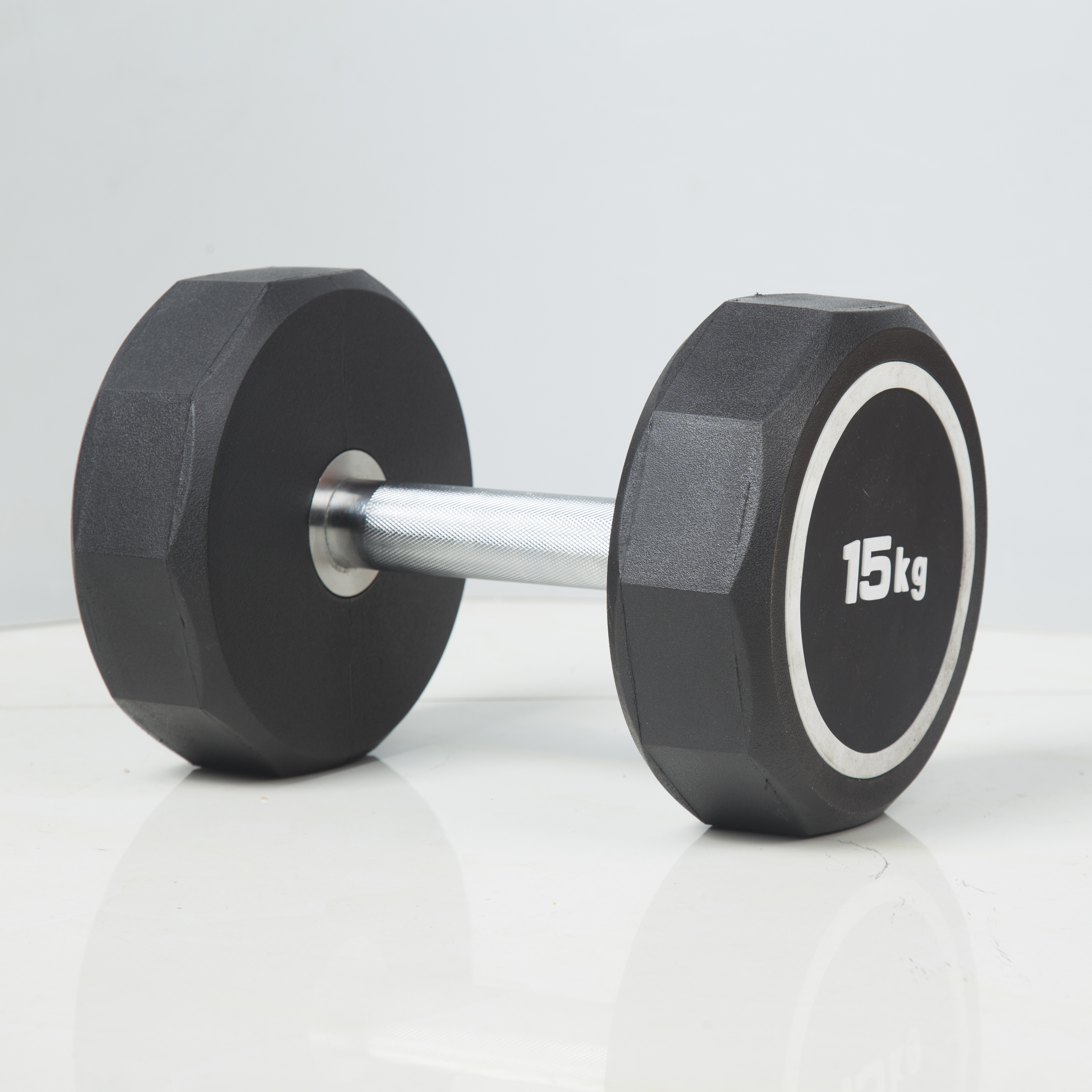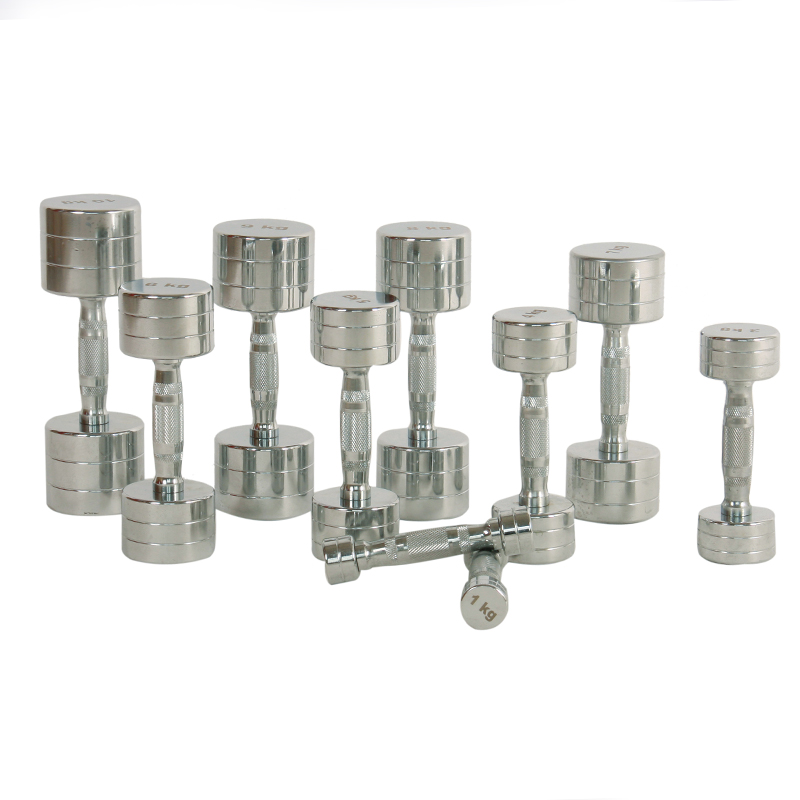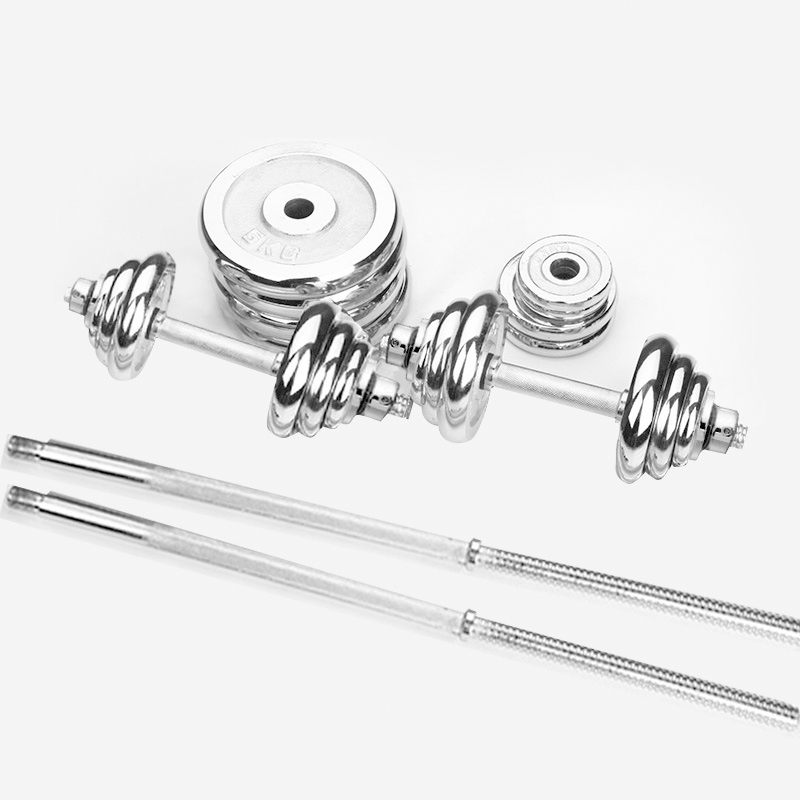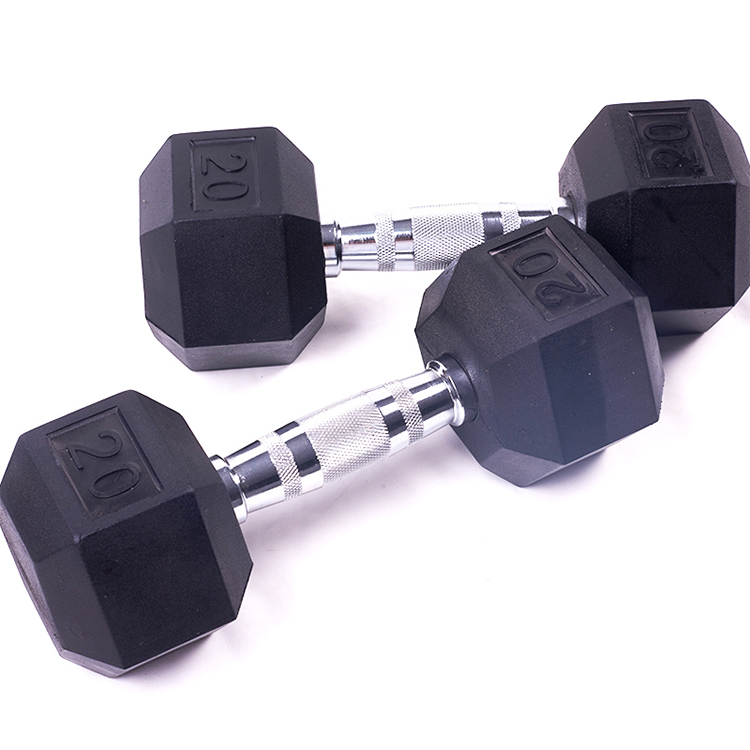
The 110 lbs dumbbell represents a critical component in high-performance strength training environments, specifically tailored for advanced hypertrophy, powerlifting, and heavy compound movements. At this weight threshold, the engineering requirements shift from basic shape consistency to high-density structural integrity and ergonomic reliability. Whether utilized in professional bodybuilding studios or high-traffic commercial strength zones, the precision of the 110 lb weight increment is essential for progressive overload protocols.
Material Integrity and Construction
Commercial-grade 110 lbs dumbbells are typically manufactured using high-density cast iron or urethane-encapsulated cores. For professional procurement, the selection between solid cast iron and urethane-coated options is paramount. Cast iron provides a traditional, cost-effective solution with high durability, while urethane coating offers superior resistance to abrasion, chemical degradation from skin oils, and a more refined tactile grip. The internal structure must be non-porous to prevent oxidation and ensure longevity under rigorous training cycles.
Ergonomic Grip Specifications
Handling a 110 lbs load requires specialized grip engineering to ensure user safety and effective kinetic transfer. Standard specifications include:
Commercial Procurement Considerations
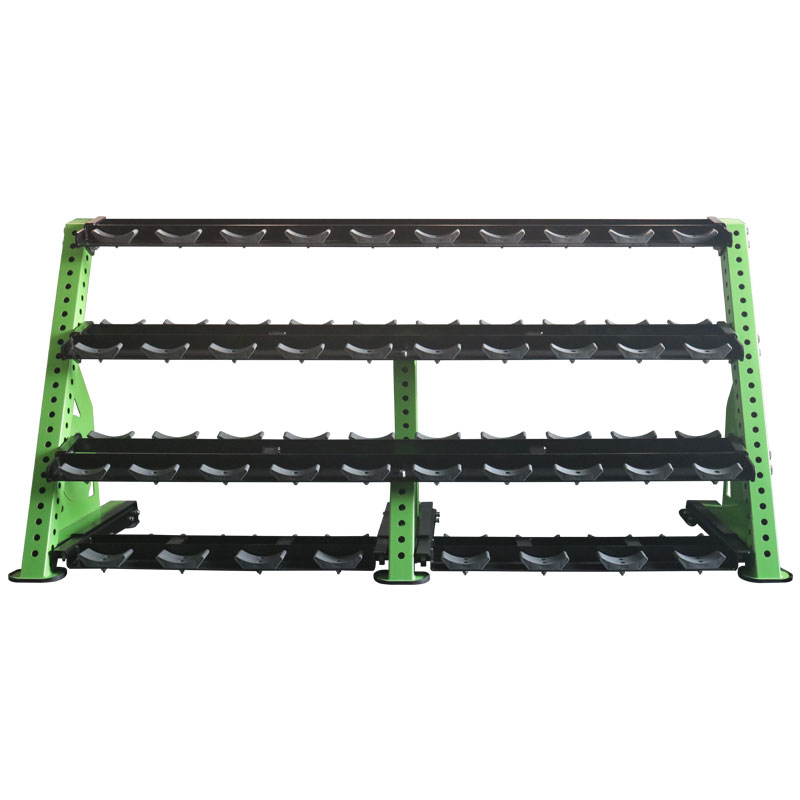
When sourcing 110 lbs dumbbells for facility installation, buyers must evaluate the total footprint and durability. High-density rubber hex shapes are highly recommended for high-traffic commercial settings to reduce floor impact and mitigate kinetic energy displacement during accidental drops. Ensure all heavy-weight increments follow strict manufacturing tolerances to maintain uniformity across the entire dumbbell set, preventing discrepancies in training intensity.

Let our experts design the perfect gym solution for your business. Get a free consultation and quote today.