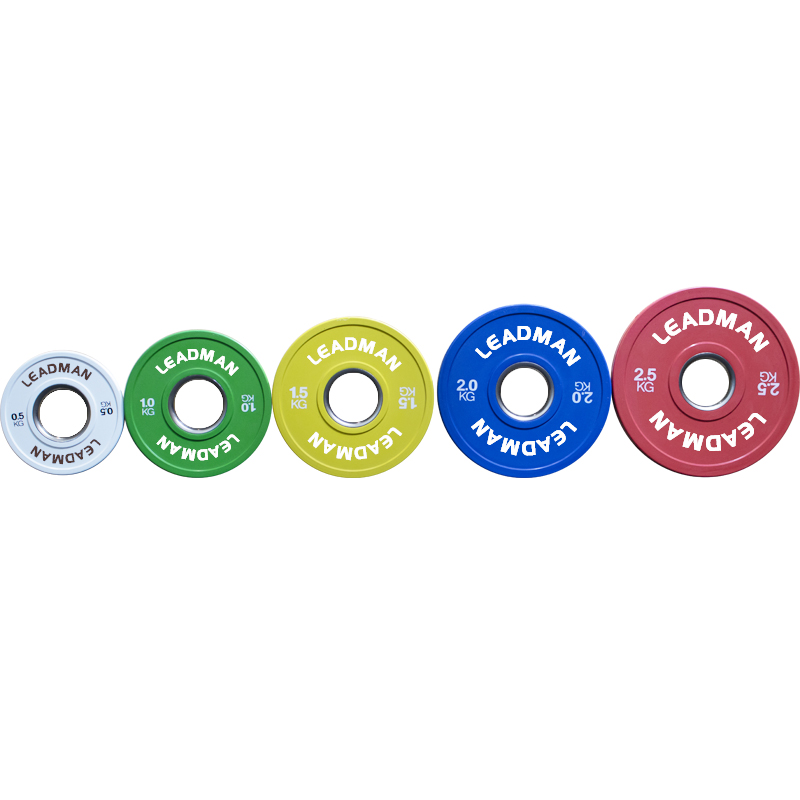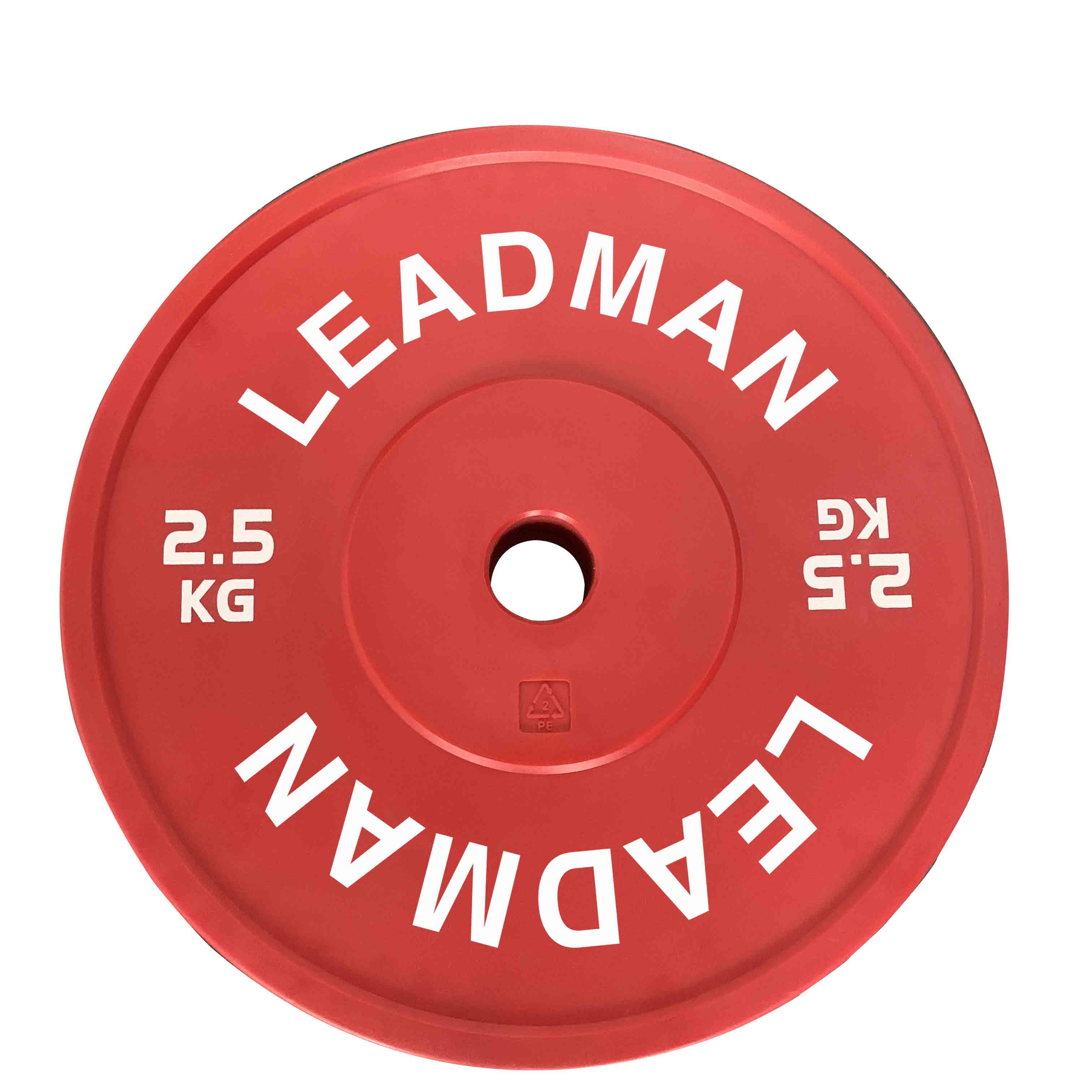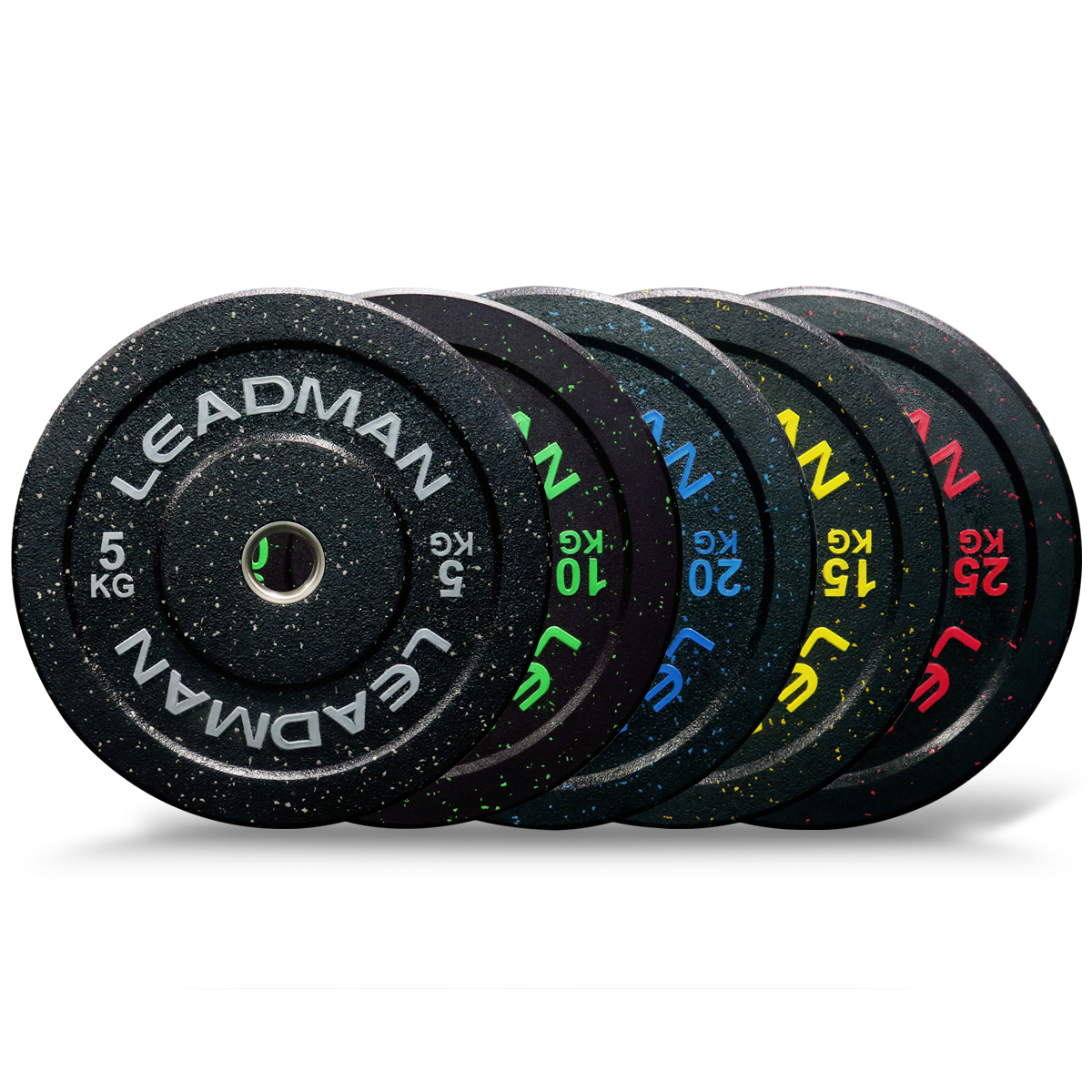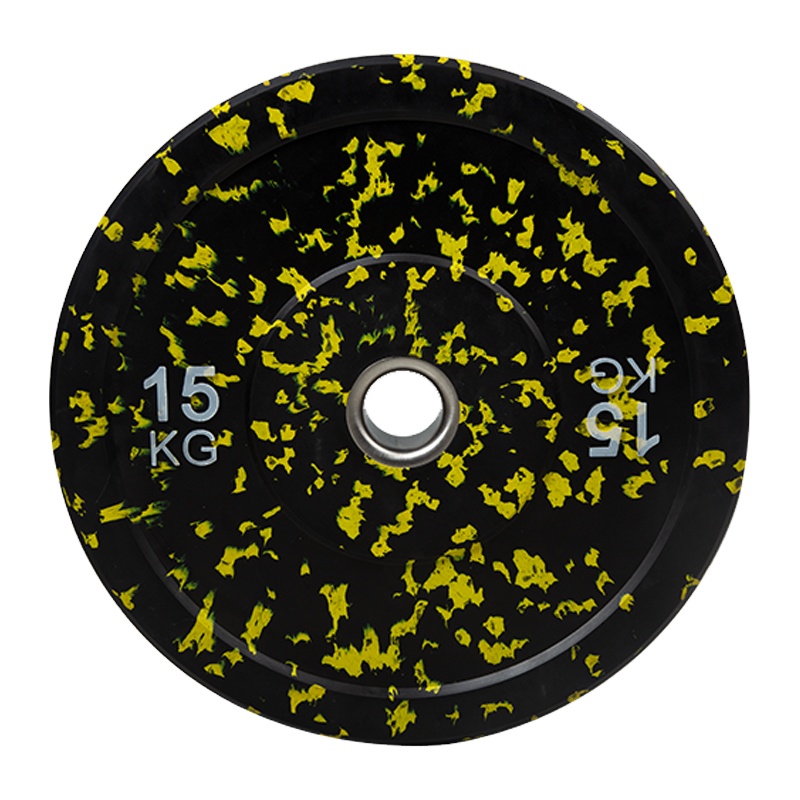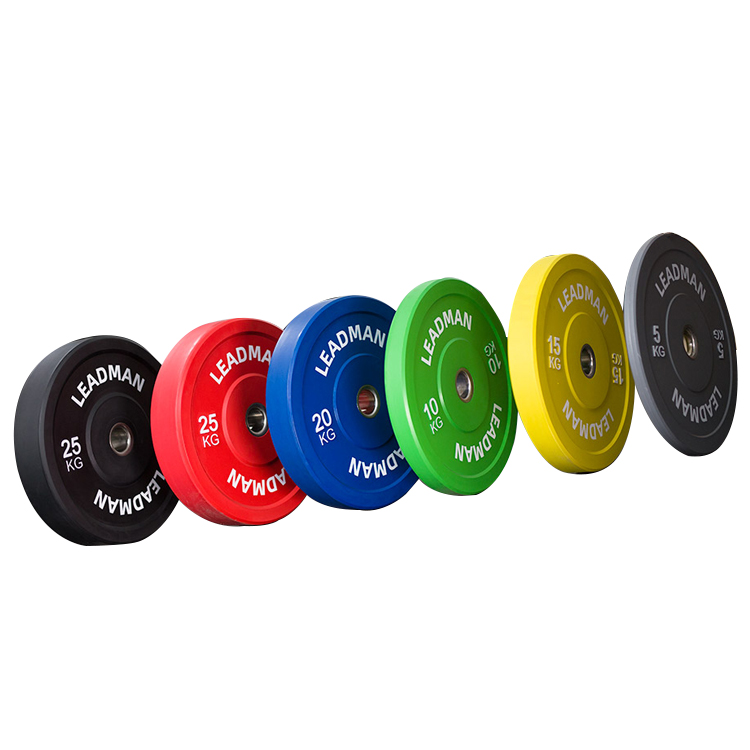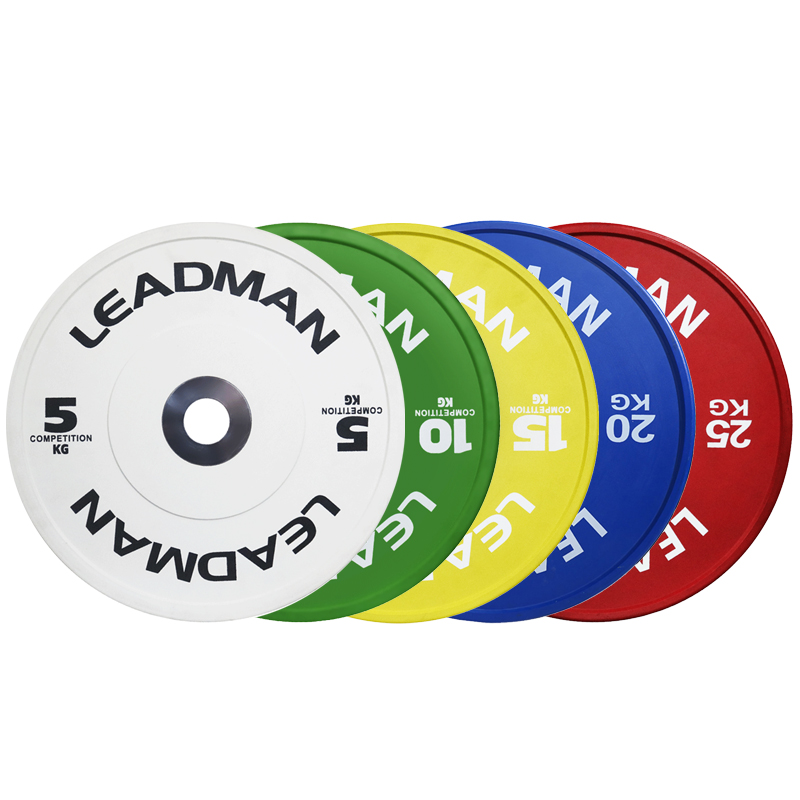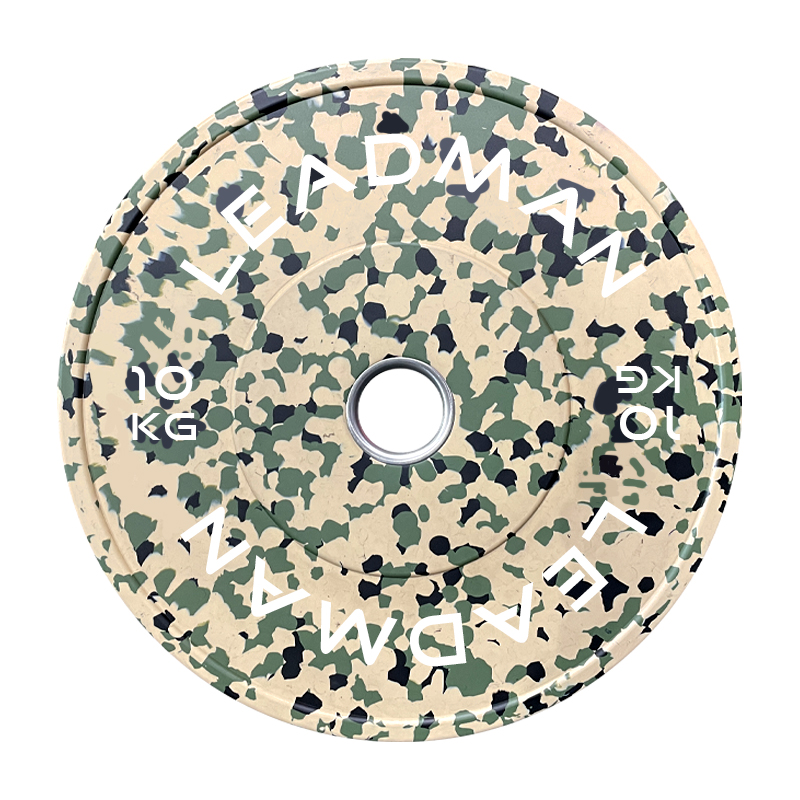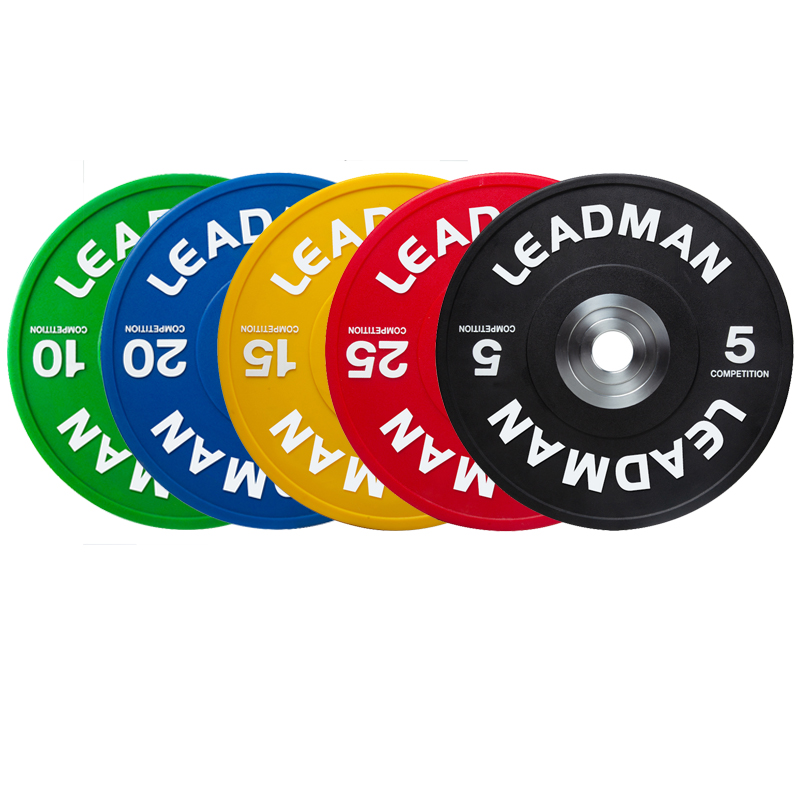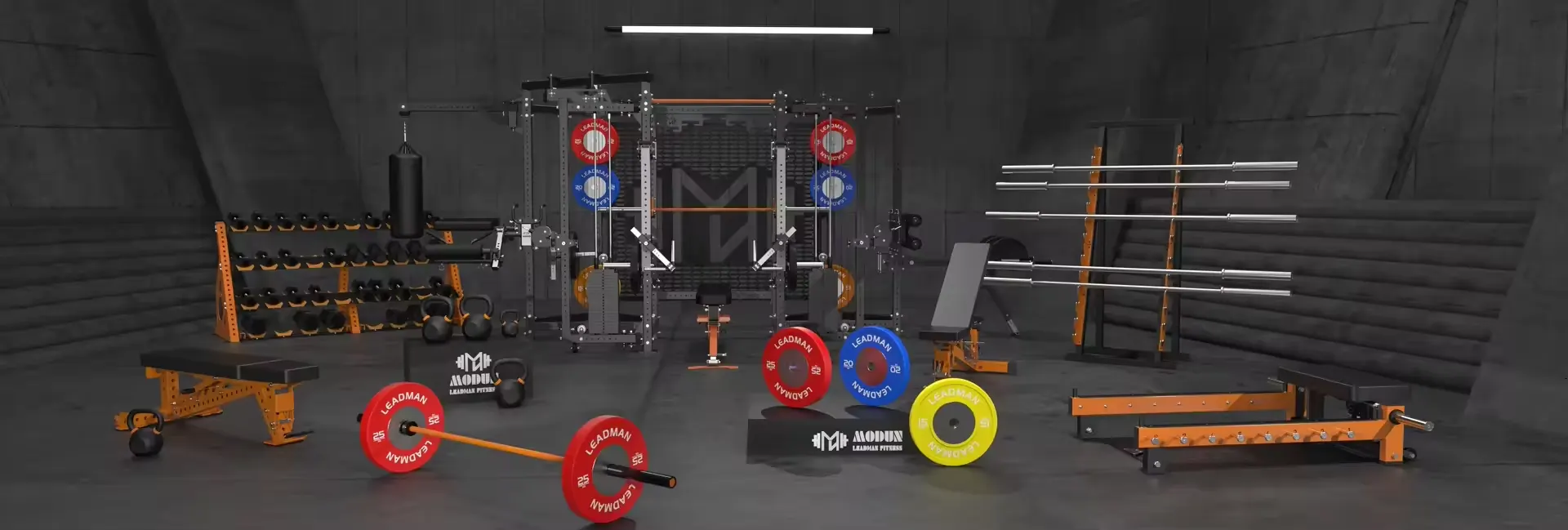
100lb bumper plates represent the heaviest standard increment in most bumper plate product lines, designed for advanced strength athletes, strongman competitors, and high-volume commercial facilities. Unlike standard 10-55 lb bumpers, 100lb plates feature significantly thicker profiles—typically 3.5 to 4.5 inches—and require specialized storage and loading considerations.
The engineering challenge of 100lb bumper plates centers on rubber density and steel hub reinforcement. Quality manufacturers use virgin rubber with durometer of 85-90 Shore A (firmer than standard 75-80 Shore A) to prevent excessive compression under the plate's own weight during vertical storage. The steel hub must be pressed or bonded at deeper penetration—typically 2-3 inches into the rubber—to withstand torque forces when the plate is tilted onto the barbell sleeve. Low-quality 100lb plates often develop hub separation within 6-12 months of commercial use.
Industry testing data indicates that 100lb bumper plates from ISO-certified manufacturers withstand 5,000+ drops from waist height before structural failure. However, the same data reveals a critical limitation: barbell sleeve load capacity. Most Olympic barbells are rated for 1,000-1,500 lbs total load, but sleeve deflection becomes problematic with multiple 100lb plates. A single sleeve loaded with three 100lb plates (300 lbs) creates leverage stress at the sleeve-collar junction, accelerating bearing or bushing wear. Facilities using 100lb plates should rotate barbell positions weekly to distribute stress across multiple bars.
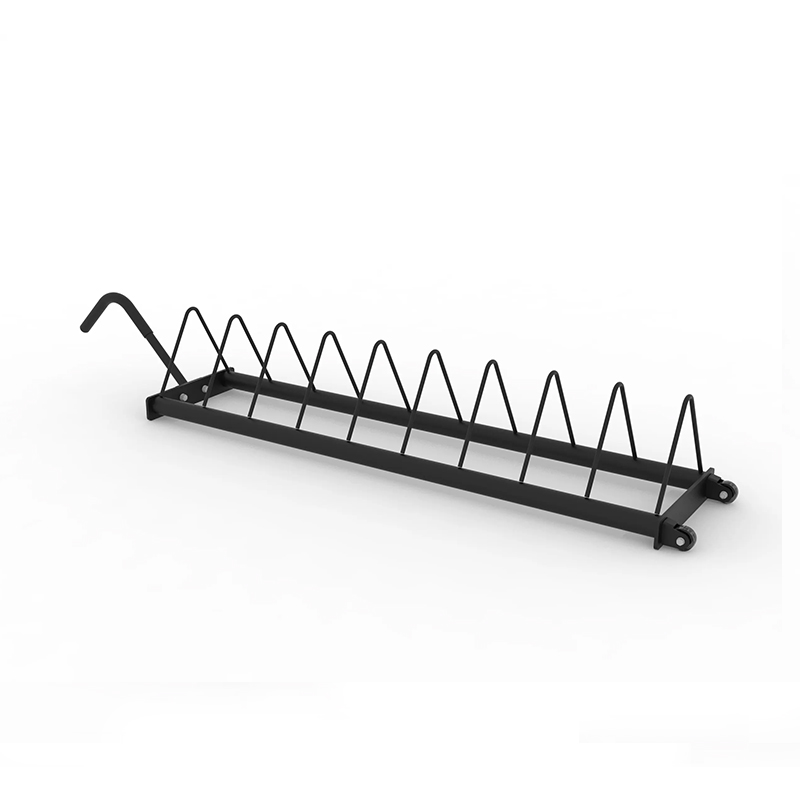
For buyers incorporating 100lb bumper plates into their inventory, prioritize storage and handling solutions. Vertical plate trees with 3-inch diameter posts prevent leaning and hub stress; horizontal storage on 2-inch posts risks plate tipping. Verify your barbell's loadable sleeve length—many 28mm power bars have only 16 inches of usable sleeve, accommodating two 100lb bumpers plus collars, but not three. Consider change plate strategy: pair 100lb bumpers with 25lb and 10lb thin iron plates to avoid excessive sleeve stacking. Finally, train staff on safe loading techniques: always support the plate from the bottom edge when sliding onto the sleeve to avoid dropping the full weight onto the hub or your foot.

Let our experts design the perfect gym solution for your business. Get a free consultation and quote today.